


Radiofrequency Ablation for Back Pain: A Global Patient's Journey to Permanent Relief
Living with relentless spinal discomfort can severely diminish your quality of life, but advanced medical technology offers a groundbreaking solution. In this video, we explore the inspiring journey of our patient from Albania who suffered from chronic back pain for years. Thanks to a highly specialized radiofrequency ablation for back pain, she finally achieved lasting relief.
This comprehensive guide delves into the science behind the radiofrequency neurotomy procedure, explaining how this minimally invasive back pain relief treatment targets nerve pathways to eliminate discomfort. Discover why international patients increasingly seek non-surgical back pain relief abroad to reclaim their health and mobility.
Video Chapters & Quick Navigation
- The Global Burden of Chronic Spinal Discomfort
- The Science of Radiofrequency Ablation
- An Albanian Patient's Medical Journey
- Identifying Ideal Candidates for RF Neurotomy
- The Radiofrequency Procedure Explained
- Minimally Invasive Relief vs. Spinal Fusion
- Post-Procedure Recovery Protocols
- Navigating International Medical Travel
The Global Burden of Chronic Spinal Discomfort
Chronic back pain is recognized globally as one of the leading causes of physical disability, severely impacting millions of lives every single day. For many individuals, this relentless agony transforms simple daily activities into insurmountable challenges. Traditional conservative treatments, such as over-the-counter anti-inflammatory medications and standard physical therapy, often provide only temporary relief.
Patients suffering from prolonged spinal issues frequently find themselves trapped in a frustrating cycle of temporary symptom management. They visit countless specialists in their home countries, only to be offered increasingly aggressive pharmaceutical interventions. As highlighted at in the video, our patient from Albania experienced this exact historical struggle before discovering a permanent solution abroad.
How Facet Joint Degeneration Triggers Agony
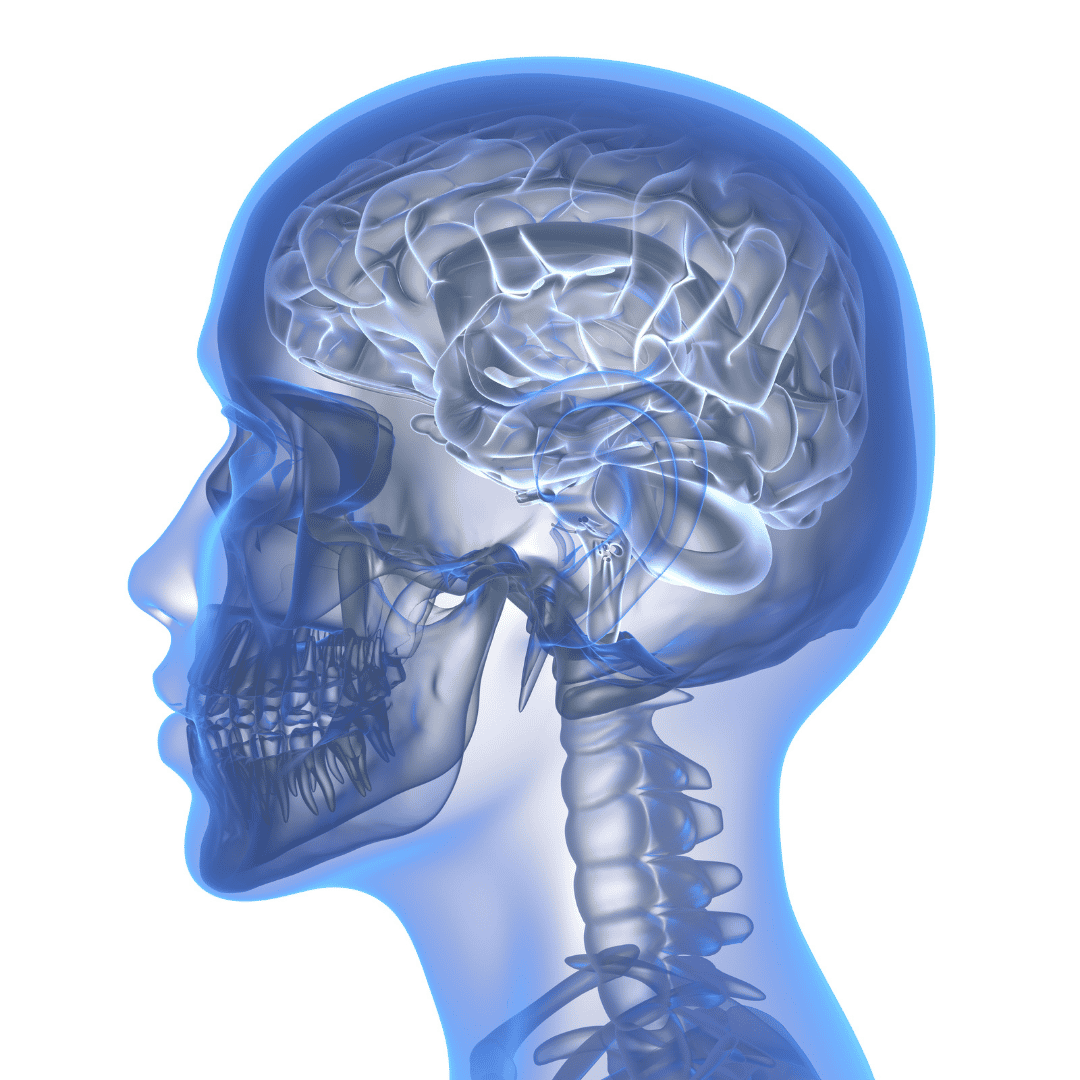
The facet joints are small, cartilage-lined connections located between the vertebrae of your spine, responsible for allowing flexibility and preventing excessive twisting. Over time, due to aging, repetitive trauma, or osteoarthritis, the protective cartilage within these joints begins to degrade. This degradation leads to bone-on-bone friction, resulting in profound inflammation and debilitating facet joint pain.
When these joints become inflamed, they send continuous pain signals through tiny nerves called medial branches directly to the brain. This constant barrage of pain signals results in chronic lower back pain, muscle spasms, and severe stiffness. Addressing this specific nerve pathway is the fundamental principle behind highly effective non-surgical back pain relief treatments.
The Science of Radiofrequency Ablation for Back Pain
Radiofrequency ablation (RFA), also commonly referred to as a radiofrequency neurotomy procedure, is a cutting-edge, minimally invasive medical intervention. It utilizes specialized radio waves to generate precise thermal energy, which is then directed at specific nerve endings. As discussed at , this thermal energy creates a targeted micro-lesion on the medial branch nerve.
This localized heat treatment safely and effectively interrupts the nerve's ability to transmit pain signals from the inflamed facet joint to the brain. By strategically disabling this communication pathway, the patient experiences profound and immediate pain relief. Unlike systemic medications that affect the entire body, RFA provides highly localized treatment without altering cognitive function or causing chemical dependencies.
Interrupting Nerve Pathways with Thermal Energy
The physics behind this chronic back pain relief treatment relies on high-frequency alternating currents generated by a specialized machine. When this current is delivered through an insulated micro-needle, it agitates the ions in the surrounding tissue, generating localized heat up to 80 degrees Celsius. This heat meticulously coagulates the nerve proteins, stopping the pain cycle in its tracks.
It is important to understand that this procedure specifically targets sensory nerves, not motor nerves. This ensures that while the sensation of pain is completely eradicated, the patient's muscular control, mobility, and structural integrity remain perfectly intact. This advanced level of precision makes radiofrequency ablation a superior alternative for long-term pain management.
Why Our Patient from Albania Chose Medical Tourism
In many developing regions and smaller nations, access to highly specialized interventional pain management clinics can be severely limited. Our featured patient from Albania spent years navigating a local healthcare system that primarily offered open spine surgery or heavy narcotics as the only viable solutions. The lack of advanced non-surgical back pain relief options forced her to look beyond her borders.
Medical tourism for back pain has seen a massive surge as international patients seek out world-class facilities equipped with the latest diagnostic and therapeutic technologies. By choosing to travel, she gained access to internationally trained spinal specialists who prioritize minimally invasive techniques. Her journey underscores the importance of advocating for one's own health and exploring cross-border healthcare solutions.
Overcoming Local Healthcare Limitations
Prolonged waiting times for specialized medical consultations can exacerbate a patient's suffering and lead to further physical deterioration. By pursuing international medical travel, patients can bypass these frustrating public health waitlists and receive immediate, personalized attention. The Albanian patient's swift intake and rapid scheduling, noted at , highlight the efficiency of premium medical tourism facilities.
Furthermore, premier international clinics offer comprehensive diagnostic tools that may be unavailable or cost-prohibitive in a patient's home country. High-resolution MRI imaging and advanced fluoroscopic suites allow foreign doctors to pinpoint the exact origin of the pain with unprecedented accuracy. This diagnostic precision is the bedrock of a successful radiofrequency ablation procedure.
Identifying the Ideal Candidates for RF Neurotomy
Not every individual suffering from back discomfort is an appropriate candidate for a radiofrequency neurotomy procedure. The treatment is specifically designed for patients suffering from mechanical spine pain, primarily originating from the facet joints or the sacroiliac joints. It is highly effective for those who have experienced chronic pain for more than six months and have failed to find relief through conservative therapies.
Patients who experience deep, aching lower back pain that worsens with twisting, lifting, or standing for long periods are typically excellent candidates. Additionally, individuals who suffer from severe neck pain that radiates into the shoulders or headaches originating from the cervical spine often achieve remarkable results. A thorough medical evaluation is strictly required to confirm anatomical suitability.
The Importance of Diagnostic Medial Branch Blocks
Before proceeding with permanent thermal nerve ablation, a reputable pain specialist will always perform a diagnostic medial branch block. This involves injecting a small amount of local anesthetic directly near the suspected medial branch nerve under x-ray guidance. If the patient experiences a minimum of 70% to 80% pain relief within the first few hours following the injection, it confirms the exact source of the pain.
This preliminary diagnostic step is an absolute medical necessity. It prevents patients from undergoing unnecessary procedures and guarantees that the subsequent radiofrequency ablation will be highly effective. The Albanian patient underwent this exact protocol, which gave her surgical team the green light to proceed with total confidence.
The Radiofrequency Neurotomy Procedure Explained Step-by-Step
The radiofrequency neurotomy procedure is performed on an outpatient basis, meaning the patient can return to their hotel or home on the very same day. Upon arrival at the surgical suite, the patient is positioned comfortably on their stomach, and the treatment area is meticulously sterilized. A mild intravenous sedative is often administered to ensure total relaxation, though the patient remains awake to provide vital feedback.
As detailed at in the case study, local anesthesia is liberally applied to numb the skin and superficial tissues. The specialized pain physician then inserts a hollow, micro-thin needle through the skin, directing it precisely toward the targeted medial branch nerve. The entire process is extremely controlled and prioritizes patient comfort at every single stage.
Precision Targeting Through Fluoroscopic Guidance
The hallmark of a safe and successful radiofrequency ablation is the utilization of continuous fluoroscopy, a type of real-time x-ray imaging. The physician watches a high-definition monitor to guide the needle with millimeter precision, avoiding blood vessels and critical spinal structures. Once the needle is perfectly positioned adjacent to the target nerve, a microelectrode is carefully fed through the hollow cannula.
Before applying thermal energy, the physician conducts a sensory and motor test by sending a tiny electrical current through the electrode. The patient may feel a slight tingling sensation, confirming the needle is precisely on the pain-causing nerve. Once confirmed, a localized anesthetic is injected to numb the nerve itself, and the radiofrequency generator is activated to create the therapeutic heat lesion for roughly 90 seconds.
Minimally Invasive Back Pain Relief Treatments vs. Spinal Fusion Surgery
Historically, patients suffering from severe facet joint arthritis were inevitably pushed toward highly invasive spinal fusion surgeries. Open spine surgery involves large incisions, the cutting of major muscle groups, and the permanent insertion of titanium rods and screws to fuse vertebrae together. While necessary in cases of severe spinal instability, fusions are often massive over-treatments for localized facet joint pain.
Radiofrequency ablation represents a paradigm shift in orthopedic and neurological care. By offering a non-surgical alternative, patients avoid the massive risks associated with general anesthesia, significant blood loss, and prolonged hospitalizations. The comparison between the two methodologies heavily favors RFA for eligible patients seeking rapid restoration of their daily lives.
| Feature | Radiofrequency Ablation (RFA) | Traditional Spinal Fusion |
|---|---|---|
| Invasiveness | Minimally invasive (needle-based) | Highly invasive (large surgical incisions) |
| Anesthesia Required | Local anesthesia with mild IV sedation | General anesthesia with intubation |
| Hospital Stay | Outpatient (Discharged same day) | Inpatient (3 to 5 days in hospital) |
| Recovery Time | 1 to 3 days before returning to work | 3 to 6 months of intense rehabilitation |
| Spinal Mobility | Fully preserved range of motion | Permanently restricted at fused segment |
Preserving Spinal Mobility and Biomechanics
One of the most devastating side effects of spinal fusion surgery is adjacent segment disease. When two vertebrae are fused together, the segments immediately above and below the fusion are forced to bear additional mechanical stress, leading to rapid deterioration. This often necessitates further surgeries down the line, creating a cascade of continuous medical interventions.
Because radiofrequency ablation does not alter the structural architecture of the spine, natural biomechanics are entirely preserved. Patients maintain their full range of twisting and bending capabilities without placing unnatural stress on adjacent discs. This structural preservation is a critical factor for international patients seeking sustainable, lifelong joint health.
Post-Procedure Recovery and Rehabilitation Protocols
The recovery trajectory following a radiofrequency neurotomy procedure is remarkably swift and highly manageable. Patients are typically monitored in a recovery suite for about an hour post-procedure to ensure their vital signs are stable and they can walk unassisted. As witnessed in the video at , the Albanian patient was able to stand and walk freely almost immediately, a testament to the procedure's gentle nature.
It is perfectly normal to experience some localized soreness, bruising, or mild muscle spasms at the injection sites for a few days. These minor side effects are easily managed with over-the-counter pain relievers and the application of intermittent ice packs. Physicians strongly advise against submerging the injection sites in baths or hot tubs for at least 48 hours to eliminate the risk of superficial infections.
Immediate Aftercare and Gradual Strengthening
While the immediate cessation of chronic pain can induce a feeling of invincibility, patients must adhere to structured aftercare protocols. It is recommended to rest and avoid strenuous physical labor, heavy lifting, or intense athletic activities for the first week. However, gentle walking and light stretching are highly encouraged to promote blood circulation and prevent muscle stiffness.
Once the initial healing phase is complete, integrating a targeted physical therapy regimen becomes highly beneficial. With the debilitating pain eradicated, patients can finally engage in core-strengthening exercises that were previously impossible to endure. Building robust abdominal and paraspinal muscles provides essential long-term support for the spine, further preventing future flare-ups.
The Success Rates of Radiofrequency Nerve Ablation
Clinical data strongly supports radiofrequency ablation as one of the most successful chronic back pain relief treatments available in modern medicine. Studies indicate that up to 80% of properly selected patients experience significant, life-altering pain reduction. The duration of this relief typically ranges from nine months to upwards of two years, and in some extraordinary cases, the relief is permanent.
The reason the pain relief may eventually wane is due to the peripheral nervous system's natural ability to regenerate tissue over time. However, unlike invasive surgeries, radiofrequency neurotomy procedures can be safely repeated if the nerve eventually regenerates and the pain returns. This repeatable nature provides patients with a reliable, long-term pain management strategy without cumulative surgical risks.
Factors Influencing Long-Term Pain Eradication
Several distinct factors influence how long a patient will experience total pain relief following an RFA procedure. The precision of the physician during the thermal lesion creation is paramount; a perfectly targeted lesion ensures maximum nerve coagulation. Advanced medical tourism clinics invest heavily in top-tier imaging equipment to guarantee this level of millimeter accuracy.
A patient's commitment to post-procedure lifestyle modifications also plays a massive role in long-term success. Maintaining a healthy body weight reduces chronic pressure on the lumbar facet joints, directly extending the longevity of the treatment. Furthermore, practicing proper ergonomics at work and maintaining excellent posture prevent the structural overloading that initially caused the joint degradation.
Navigating International Medical Travel for Spine Treatments
Embarking on a journey for international patients seeking radiofrequency treatment can seem daunting initially, but dedicated medical tourism facilitators make the process entirely seamless. Agencies carefully vet international clinics to ensure they hold globally recognized accreditations like JCI (Joint Commission International). This rigorous vetting guarantees that the medical standards, hygiene protocols, and technological capabilities meet or exceed Western equivalents.
By connecting patients with elite healthcare providers, these facilitators remove the linguistic and logistical barriers associated with cross-border care. From virtual pre-consultations to reviewing MRI scans remotely, the entire treatment plan is orchestrated long before the patient ever boards a flight. This level of meticulous preparation was pivotal in ensuring our Albanian patient's success, as shown at in the video documentation.
Comprehensive Patient Coordination and Support
Elite international pain clinics do not just provide exceptional medical care; they offer comprehensive concierge services designed around patient comfort. Dedicated patient coordinators manage airport transfers, secure luxury hotel accommodations near the clinic, and provide translation services for all medical appointments. This white-glove service allows the patient to focus 100% of their energy on healing and recovery.
Post-procedure follow-ups are also modernly adapted for the international traveler. Telemedicine platforms allow the operating physician to monitor the patient's recovery trajectory remotely once they have returned to their home country. This continuity of care ensures that patients feel continuously supported and medically secure, bridging the geographical divide effortlessly.
Potential Risks and Anatomical Safety Measures
While radiofrequency ablation is celebrated for its remarkable safety profile, it remains a medical procedure that carries inherent, albeit minimal, risks. Understanding these risks is crucial for informed patient consent. Potential complications include superficial skin infections at the needle insertion site, temporary localized numbness, or minor allergic reactions to the local anesthetic utilized during the procedure.
A highly rare, yet serious risk involves unintended thermal damage to adjacent motor nerves, which could theoretically cause localized muscle weakness. However, this risk is almost entirely mitigated by the strict utilization of live fluoroscopic guidance and pre-ablation sensory-motor testing. By ensuring the electrode is solely communicating with the sensory medial branch, top-tier specialists practically eliminate the possibility of motor nerve damage.
Utilizing Advanced Neuromonitoring Techniques
To further bolster patient safety, elite pain management centers employ advanced intraoperative neuromonitoring alongside standard fluoroscopy. This technology measures the electrical activity of surrounding nerves in real-time during the entire heating process. If the thermal energy disperses too close to a non-targeted nerve, the system alerts the physician instantly, allowing for immediate positional adjustments.
Furthermore, the physical design of the radiofrequency needles utilized today prevents excessive thermal spread. The needles are completely insulated along their entire length, except for a tiny exposed active tip. This highly engineered design ensures that the thermal lesion is perfectly spherical and contained strictly to the microscopic treatment zone.
Financial Advantages of Cross-Border Pain Management
The financial realities of modern healthcare often restrict patients from accessing the advanced treatments they desperately need. In the United States and parts of Western Europe, a single radiofrequency ablation session can cost thousands of dollars out-of-pocket, particularly if insurance companies deem it "experimental" or demand months of failed physical therapy first. This financial gatekeeping leaves many patients languishing in pain.
Medical tourism completely disrupts this financial barrier by offering premium medical services at a fraction of the domestic cost. International clinics in highly sought-after medical hubs can perform the exact same radiofrequency neurotomy procedure using identical American-made equipment for up to 60% less. This profound cost savings makes life-altering pain relief accessible to a global demographic.
Transparent Pricing and All-Inclusive Healthcare Packages
One of the most praised aspects of international medical travel is the absolute transparency in medical billing. Unlike domestic hospitals that frequently surprise patients with hidden facility fees, separate anesthesiologist bills, and exorbitant pharmacy charges, international clinics operate differently. They typically offer all-inclusive healthcare packages that clearly outline every single expense before the patient even travels.
These comprehensive packages routinely bundle the initial specialist consultations, MRI reviews, diagnostic block procedures, the final radiofrequency ablation, and all necessary post-operative medications. By providing a fixed, guaranteed price, patients can budget their medical journey with total confidence, eliminating the anxiety associated with unpredictable medical debt.
Reclaiming Your Mobility and Quality of Life
Living with chronic spinal pain fundamentally alters how a person interacts with the world around them. It restricts physical activity, strains interpersonal relationships, and often forces individuals to abandon their favorite hobbies or prematurely retire from their careers. Escaping this cycle of pain is not just a medical triumph; it is a holistic reclamation of one's personal freedom and joy.
The Albanian patient's success story is a powerful testament to the efficacy of advanced interventional pain medicine. By taking proactive steps to explore international healthcare options, she circumvented a broken local system and secured top-tier medical intervention. Her ability to return home completely pain-free serves as an inspiring blueprint for anyone suffering in silence.
Psychological Benefits of Eliminating Chronic Pain
The insidious nature of chronic pain is that it is deeply intertwined with a patient's psychological well-being. Prolonged physical suffering is clinically linked to severe clinical depression, heightened anxiety, and debilitating chronic fatigue syndrome. When the constant barrage of pain signals is finally silenced through RFA, the mental fog lifts almost instantaneously.
Patients consistently report massive surges in their daily energy levels, drastically improved sleep quality, and a renewed, positive outlook on their future. The psychological liberation of knowing you can play with your children, walk through a park, or travel without anticipating excruciating pain is immeasurable. Radiofrequency ablation heals the physical spine, but more importantly, it deeply restores the human spirit.
Ready to Defeat Chronic Back Pain Forever?
Stop letting spinal discomfort dictate your life. PlacidWay Medical Tourism connects you with world-renowned pain management specialists offering highly advanced, affordable Radiofrequency Ablation packages. Take the first step toward a pain-free life today.
REQUEST YOUR FREE MEDICAL QUOTE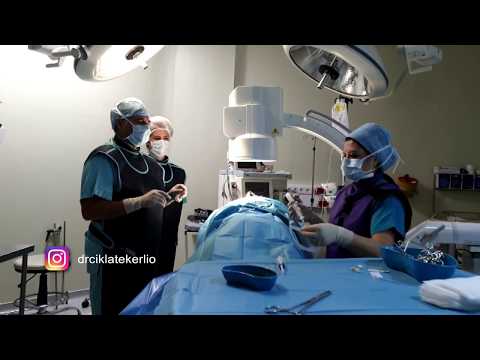


.png)
.png)












Share this listing