
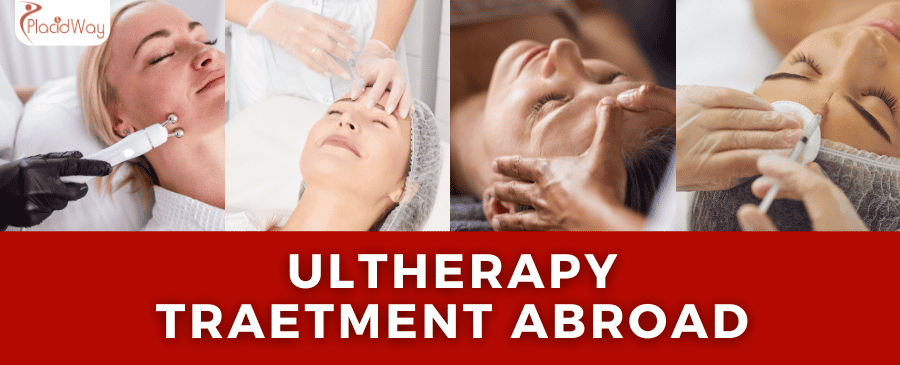
Rediscover Youthful Radiance: Your Guide to Ultherapy Abroad
Do you look in the mirror and notice a subtle shift? Perhaps the jawline isn't quite as defined as it once was, or the skin under your chin feels a little softer, less firm. These natural signs of aging, often manifesting as loose skin, fine lines, and a general loss of firmness, can begin to appear long before we feel ready for them. The good news is, you don't have to surrender to gravity. For many, the desire to restore a more youthful contour without undergoing invasive surgery leads them to explore innovative solutions like Ultherapy.
Ultherapy is a revolutionary non-surgical facelift and skin tightening procedure that has captured the attention of individuals seeking natural-looking rejuvenation. It’s an FDA-cleared treatment that harnesses the power of ultrasound technology to stimulate the body's natural healing process, specifically targeting collagen production deep beneath the skin's surface. Think of it as a subtle, gradual "internal lift" that works with your body to turn back the clock, one firming step at a time.
For those considering a cost-effective and high-quality treatment experience, Ultherapy abroad has emerged as a popular option. Medical tourism offers the unique opportunity to access world-class clinics and skilled practitioners in countries renowned for cosmetic excellence, often at a significantly lower price point than back home. Whether you're looking to address sagging jowls, a crepey neck, or droopy brows, understanding how Ultherapy works and what to expect can empower you to make an informed decision on your journey to a refreshed appearance.
What visible signs indicate you might benefit from Ultherapy?
As we age, our skin naturally loses its elasticity and firmness. Recognizing these early signs can help you determine if Ultherapy is the right solution for you. Common indications that people search for include:
- Sagging Skin: This is the most common concern, particularly around the cheeks, jawline (leading to "jowls"), and under the chin. Many ask, "Can Ultherapy tighten loose skin?" or "Does Ultherapy work for neck sagging?"
- Loss of Jawline Definition: The sharp contour of the jawline can become softer and less defined, blending into the neck.
- Crepey Neck Skin: The skin on the neck can become thin, loose, and wrinkled, often referred to as a "turkey neck."
- Drooping Brows or Hooded Eyelids: A lowered brow line can make you look tired or sad, impacting your overall facial expression. People often search, "Does Ultherapy lift eyebrows?"
- Fine Lines and Wrinkles: While Ultherapy isn't a primary wrinkle reducer like injectables, its collagen-boosting effects can subtly improve overall skin texture and reduce the appearance of fine lines over time.
- General Skin Laxity: If your skin simply feels less firm and resilient than it used to, Ultherapy can help restore a more toned feel.
These are the visual cues that often prompt individuals to seek non-surgical lifting and tightening solutions.
What factors contribute to skin laxity and aging skin?
Understanding why our skin loses its youthful bounce is key to appreciating how treatments like Ultherapy work. The main culprits behind skin laxity are:
- Collagen Depletion: Collagen is the most abundant protein in our skin, providing its structural framework and firmness. Starting in our late 20s, collagen production slows down, and existing collagen begins to break down. This natural process leads to a gradual loss of skin volume and elasticity.
- Elastin Breakdown: Elastin, another crucial protein, gives skin its ability to snap back into place. As we age, elastin fibers weaken and become less resilient, contributing to sagging.
- Gravity: The constant pull of gravity over decades inevitably takes its toll, especially on areas like the jowls and neck.
- Sun Exposure (Photoaging): UV radiation from the sun is a major accelerant of skin aging, damaging collagen and elastin fibers and leading to premature wrinkles and laxity. Many patients search for "sun damage skin tightening."
- Genetics: Our genes play a significant role in how quickly and noticeably our skin ages. Some individuals are naturally predisposed to better skin elasticity than others.
- Lifestyle Factors: Smoking significantly degrades collagen and elastin, while poor nutrition, dehydration, and lack of sleep can also contribute to premature aging.
- Weight Fluctuations: Significant weight loss can leave behind excess, loose skin that no longer retracts fully.
Ultherapy directly addresses the core issue of collagen depletion by stimulating its natural renewal process.
How does Ultherapy achieve non-surgical lifting and tightening?
Unlike lasers, which work from the outside-in, or injectables, which fill specific areas, Ultherapy works by going deep beneath the skin's surface. Here's how this innovative technology delivers its results:
- Focused Ultrasound Energy: Ultherapy uses the same ultrasound technology doctors have used for decades to visualize babies in the womb, but in this case, it's focused. A smooth applicator is placed on the skin, and an ultrasound image allows the practitioner to see the layers of tissue being treated. This ensures precision and safety, preventing damage to the skin's surface.
- Targeted Heat Points: The focused ultrasound energy bypasses the outer layer of skin and delivers tiny, controlled bursts of heat to the foundational layers where collagen lives. These precise thermal "damage points" are strategically placed at optimal depths.
- Natural Collagen Stimulation: The body perceives these tiny heat points as an injury and responds by initiating a natural healing process. This includes producing fresh, new collagen. Over time, this new collagen begins to lift and tighten the skin, restoring its youthful structure.
- Gradual, Natural Results: Because Ultherapy relies on your body's natural collagen production, the results appear gradually over several months. This means no sudden, drastic changes, but rather a subtle, natural-looking rejuvenation that many find appealing. Many patients ask, "How long does Ultherapy take to see results?" or "Is Ultherapy better than fillers?" It's important to understand Ultherapy's role as a lifting and tightening tool, distinct from fillers that add volume or Botox that relaxes muscles.
It's like jumpstarting your body's own internal scaffolding system, rebuilding strength and firmness from within.
Who is the ideal candidate for an Ultherapy procedure?
While Ultherapy is a fantastic option for many, it's not a universal solution. The best candidates for Ultherapy are individuals who:
- Have Mild to Moderate Skin Laxity: This is key. Ultherapy is excellent for "tightening" but cannot remove significant excess skin. If your skin is severely lax, a surgical facelift might be a more appropriate option. Patients often ask, "Is Ultherapy right for me?" or "Who is a good candidate for Ultherapy?"
- Are Typically in Their 30s, 40s, 50s, or 60s: This age range is ideal because the skin still has enough collagen and elastin to respond effectively to the treatment and produce new collagen. Younger individuals might use it as a preventative measure, while older individuals with good skin quality can still see significant benefits.
- Are Concerned About Signs of Aging: This includes individuals noticing a sagging brow, loose skin on the neck or under the chin, or lines and wrinkles on the chest.
- Prefer a Non-Surgical Approach: If you're not ready for surgery, or if surgery isn't medically advisable, Ultherapy offers an excellent alternative with no incisions and minimal downtime. Many search "non-surgical facelift options."
- Have Realistic Expectations: Ultherapy delivers natural, gradual improvements, not dramatic overnight transformations like surgery. It's a lift, not a facelift. Understanding this is crucial for patient satisfaction.
- Are in Good General Health: As with any medical procedure, being in good health without active skin infections or other contraindications is important.
A consultation with a qualified practitioner is always the best way to determine your eligibility.
What should you expect during Ultherapy recovery and when will you see results?
One of the significant advantages of Ultherapy, especially for medical tourists, is its minimal downtime. Here’s what you can generally expect:
- Immediate Post-Procedure: You can usually resume your normal activities right away. Some patients experience mild redness, swelling, or tenderness in the treated area, similar to a sunburn. This typically subsides within a few hours to a few days. Many ask, "Is Ultherapy painful?" While discomfort can occur during the treatment, it's generally manageable, and post-treatment pain is minimal.
- Subtle Initial Lift: Some patients report a subtle lifting effect immediately after the procedure, though this is often due to swelling and the initial tightening of existing collagen.
- Gradual Results: The real magic of Ultherapy unfolds over time. As your body naturally produces new collagen, you'll notice a gradual firming and lifting. Most significant improvements become apparent over 2 to 3 months.
- Full Results: The peak results are typically seen around 6 months after the treatment, as the collagen remodeling process reaches its full potential. These results can last for a year or more, depending on your individual aging process. Patients frequently search, "How long does Ultherapy last?"
- No Special Aftercare: There's no specific post-treatment cream or regimen required, beyond your regular skincare routine and sun protection.
Think of it as planting a seed: you don't see the full plant overnight, but with time, nourishment, and patience, it grows into its beautiful form.
What are the potential risks and side effects of Ultherapy?
Ultherapy has an excellent safety profile, especially when performed by a trained and certified practitioner. However, like any medical procedure, there are potential side effects, most of which are temporary:
- Redness and Swelling: These are the most common reactions and usually subside within a few hours to a day.
- Tingling or Tenderness: The treated area might feel sensitive or tingly to the touch for several days to a week.
- Bruising: Though less common, some patients may experience minor bruising, which typically resolves within a week.
- Numbness or Temporary Nerve Effects: Very rarely, patients might experience temporary numbness in small areas of the skin, or transient weakness of specific facial muscles due to nerve irritation. These effects are usually mild and resolve on their own within a few days to weeks. This is a common concern when people search "Ultherapy side effects."
- Welts or Bumps: Extremely rare, but temporary raised bumps or welts can occur, usually resolving quickly.
It's crucial to choose a reputable clinic and an experienced provider to minimize risks and ensure proper technique. Discuss any concerns you have with your practitioner before the procedure.
How does the cost of Ultherapy compare globally?
One of the biggest drivers for seeking Ultherapy abroad is the potential for significant cost savings without compromising on quality. The price can vary widely based on several factors, including:
- Geographic Location: Countries with lower operating costs and a strong medical tourism infrastructure can offer more competitive prices.
- Area Treated: Treating a full face and neck will naturally cost more than just a brow lift or décolletage treatment.
- Clinic Reputation and Practitioner Experience: Highly renowned clinics or top specialists may charge more.
- Number of "Lines" or "Shots": The procedure is often priced by the number of ultrasound lines delivered.
Here's a general comparison of Ultherapy costs (estimates, per treated area like full face and neck, may vary):
| Country | Estimated Cost Range (USD) | Notes |
|---|---|---|
| USA / Canada | $3,000 - $6,000+ | Higher costs, well-established clinics. |
| UK / Western Europe | $2,500 - $5,500+ | Similar to North America, but can vary by city. |
| Turkey | $1,000 - $2,500 | Very competitive, high-quality clinics, popular medical tourism hub. |
| Mexico | $1,200 - $2,800 | Accessible for US/Canadian patients, good value. |
| Thailand | $1,500 - $3,000 | Excellent facilities, combines well with a vacation. |
| South Korea | $1,800 - $3,500 | Renowned for aesthetic procedures, advanced technology. |
These figures highlight why many consider "Ultherapy cost abroad" a worthwhile investment, as savings can often cover travel expenses.
Why consider Ultherapy abroad for your skin rejuvenation needs?
The decision to travel for a cosmetic procedure is often driven by compelling advantages:
- Significant Cost Savings: As seen in the cost comparison, the price difference for Ultherapy can be substantial, making the procedure more accessible. "Ultherapy cheapest country" is a common search term for a reason.
- Access to Leading Expertise and Technology: Many medical tourism destinations have invested heavily in state-of-the-art medical facilities and attract highly trained, internationally certified practitioners. They are often early adopters of the latest aesthetic technologies, including the newest Ultherapy devices.
- Reduced Waiting Times: In some countries, getting an appointment for popular cosmetic procedures can involve long waits. Traveling abroad often means quicker access to treatment.
- Privacy and Anonymity: For some, undergoing a cosmetic procedure away from their home country offers a greater sense of privacy.
- Combine Treatment with a Vacation: The term "mediholiday" highlights the appeal of combining your Ultherapy treatment with a relaxing getaway. Imagine recovering in a beautiful, serene environment, allowing both your body and mind to rejuvenate.
This holistic approach to well-being and beauty is a powerful draw for global patients.
Which countries are renowned for offering high-quality Ultherapy at competitive prices?
Several countries have established themselves as premier destinations for Ultherapy and other aesthetic treatments:
- Turkey: Particularly Istanbul, is a global leader in medical tourism. It boasts numerous JCI-accredited hospitals and clinics with highly experienced dermatologists and plastic surgeons offering Ultherapy at a fraction of Western prices. Their packages often include accommodation and transfers.
- Mexico: Easily accessible for North American patients, cities like Cancun, Tijuana, and Guadalajara have excellent clinics providing Ultherapy. The close proximity and cultural familiarity make it a convenient choice.
- South Korea: Often considered the capital of aesthetic medicine, South Korea is known for its cutting-edge technology and highly skilled practitioners. While slightly pricier than Turkey or Mexico, it offers unparalleled expertise in cosmetic procedures, including Ultherapy.
- Thailand: With its beautiful scenery and renowned hospitality, Thailand, especially Bangkok, offers world-class medical facilities and experienced doctors. Combining Ultherapy with a tropical vacation is a popular option here.
- Colombia: Emerging as a strong contender, Colombia offers excellent medical standards and competitive pricing, especially in cities like Bogotá and Medellín.
When searching for "best country for Ultherapy," these nations consistently appear due to their blend of quality, cost, and patient experience.
What are the key steps to planning your Ultherapy journey abroad?
Embarking on a medical journey abroad requires careful planning to ensure a smooth and successful experience. Here’s a step-by-step guide:
- Research and Select a Destination: Based on cost, quality, and personal preference, narrow down your potential countries.
- Identify Reputable Clinics: Look for clinics with international accreditations (like JCI), positive patient reviews, and before-and-after photos of Ultherapy cases. Platforms like PlacidWay can help you find and compare top clinics.
- Verify Practitioner Credentials: Ensure your Ultherapy practitioner is board-certified and has extensive experience specifically with Ultherapy. Don't hesitate to ask for their qualifications and track record.
- Obtain Detailed Quotes: Request a comprehensive quote that includes the procedure cost, pre- and post-treatment consultations, and any associated fees. Ask about package deals that might include accommodation or airport transfers.
- Initial Online Consultation: Most clinics offer virtual consultations. This is your opportunity to discuss your goals, assess your eligibility, and clarify any questions you have. Provide clear photos of the areas you wish to treat.
- Plan Travel Logistics: Book flights, accommodation, and arrange for local transportation. Consider travel insurance that covers medical emergencies abroad.
- Understand Post-Procedure Care: Discuss the recovery process and any follow-up appointments required. Ensure you have a clear plan for communication with the clinic if you have concerns after returning home.
- Utilize Medical Tourism Facilitators: Companies like PlacidWay specialize in connecting patients with global healthcare providers. We can assist with clinic selection, price comparisons, travel arrangements, and ensuring a seamless experience.
By taking these structured steps, you can confidently navigate your Ultherapy journey and achieve your desired aesthetic goals.
Take the Next Step with PlacidWay
Ready to explore treatment options abroad? Discover top clinics, compare prices, and get a free quote tailored to your needs with PlacidWay.
Anti-aging | A world-renowned Antiaging facility


.png)

.png)


.png)









Share this listing