
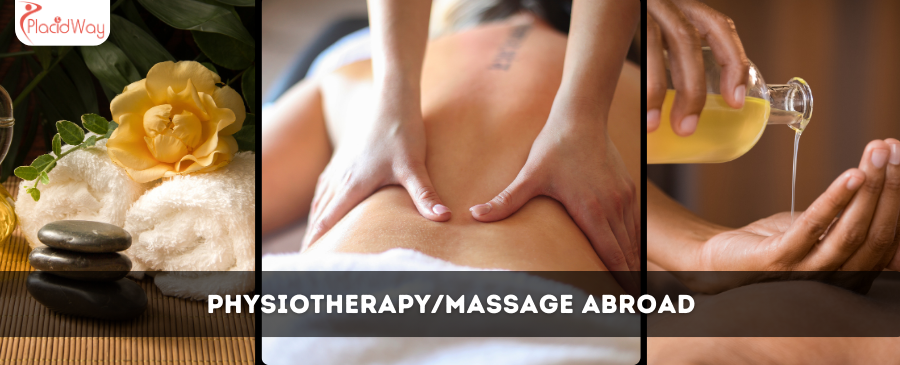
Find Relief and Renewed Movement: Your Guide to Physiotherapy & Therapeutic Massage Abroad
Are you struggling with persistent pain, limited mobility, or recovering from an injury or surgery? Physiotherapy and therapeutic massage offer powerful pathways to healing, often without the need for medication or invasive procedures. For many, seeking these essential treatments at home can be challenging due to high costs, long wait times, or a lack of specialized expertise. This is where medical tourism for physiotherapy and massage shines, offering a global array of high-quality, affordable, and immediate solutions.
Imagine finding a tailored treatment plan in a serene setting, combining expert therapy with the opportunity for a refreshing change of scenery. From chronic back pain and sports injuries to post-operative rehabilitation and stress-related tension, physiotherapy and massage address a vast spectrum of physical ailments. This comprehensive guide will explore everything you need to know about these procedures, including common symptoms, causes, treatment types, and why considering care abroad could be your best step towards a healthier, pain-free life.
We’ll delve into the benefits of international care, compare costs across different countries, and provide crucial insights into ensuring safety and quality during your medical journey. Whether you're searching for "affordable physical therapy overseas," "best countries for massage therapy," or "how to find good physiotherapists abroad," you'll find the answers here to help you make an informed decision and take control of your well-being.
What symptoms can physiotherapy and massage effectively treat?
Many people live with daily discomfort, often dismissing it as "part of aging" or "just stress." However, persistent symptoms are your body’s way of signaling a need for attention. Physiotherapy and therapeutic massage are highly effective in treating a myriad of conditions that manifest through these symptoms:
- Chronic Pain: This includes lower back pain, neck pain, shoulder pain, hip pain, and knee pain, often stemming from poor posture, degenerative conditions like arthritis, or sustained overuse. Patients frequently search for "physiotherapy for chronic back pain" or "massage for neck stiffness."
- Stiffness and Restricted Movement: Feeling tight in your joints, unable to fully extend a limb, or having difficulty turning your head are common complaints. Conditions like frozen shoulder or post-surgical scarring often lead to such limitations.
- Muscle Weakness and Imbalance: This can manifest as difficulty lifting objects, stumbling, or persistent fatigue in certain muscle groups. It's often seen after injuries, strokes, or due to sedentary lifestyles.
- Tingling, Numbness, and Radiating Pain: These nerve-related symptoms, often associated with sciatica, carpal tunnel syndrome, or herniated discs, can be debilitating. Patients might search for "nerve pain relief massage" or "physiotherapy for sciatica."
- Post-Injury or Post-Surgical Discomfort: After fractures, sprains, strains, or operations (e.g., knee replacement, ACL repair), pain, swelling, and reduced function are expected. Rehabilitation with physiotherapy is crucial for a full recovery.
- Headaches and Migraines: Tension headaches often originate from muscle tightness in the neck and shoulders, which massage and specific physiotherapy techniques can alleviate.
- Sports-Related Injuries: From runner's knee to tennis elbow, athletes often seek "sports physiotherapy" to recover faster and prevent recurrence.
Recognizing these symptoms early and seeking professional help can prevent conditions from worsening and significantly improve your quality of life.
What are the common causes of conditions requiring physiotherapy or massage?
Understanding the root cause of your symptoms is key to effective treatment. Many factors contribute to musculoskeletal pain and dysfunction:
- Poor Posture and Ergonomics: Spending hours hunched over a computer or phone (often called "tech neck") can lead to chronic neck, shoulder, and back pain. Similarly, improper lifting techniques or prolonged sitting contribute to spinal issues. Many search "exercises for bad posture" or "ergonomic solutions for back pain."
- Repetitive Strain Injuries (RSIs): Activities that involve repeating the same movements, whether at work or during hobbies, can lead to conditions like carpal tunnel syndrome, tennis elbow, or rotator cuff tendonitis.
- Trauma and Accidents: Falls, car accidents, or direct blows can cause fractures, sprains, muscle tears, and dislocations, requiring intensive rehabilitation.
- Sports Injuries: Overuse, sudden impacts, or improper training methods are common causes of injuries in athletes, ranging from ankle sprains to torn ligaments.
- Age-Related Degeneration: As we age, conditions like osteoarthritis (wearing down of cartilage) and disc degeneration become more prevalent, leading to joint pain and stiffness.
- Post-Surgical Recovery: After operations, especially orthopedic surgeries, muscles may weaken, scar tissue can form, and mobility can be severely restricted, necessitating targeted therapy.
- Inflammatory Conditions: Arthritis (rheumatoid, psoriatic), bursitis, and tendonitis involve inflammation that causes pain and restricts movement.
- Stress and Tension: Chronic stress often manifests as muscle tightness, particularly in the neck, shoulders, and jaw, contributing to tension headaches and general discomfort. Patients often look for "massage for stress relief" or "therapy for tight shoulders."
- Neurological Conditions: Strokes, multiple sclerosis, and Parkinson's disease can impact movement, balance, and coordination, where physiotherapy plays a vital role in managing symptoms and improving functional independence.
What different types of physiotherapy and massage treatments are available?
Both physiotherapy and therapeutic massage encompass a broad range of techniques, tailored to individual needs and conditions:
Physiotherapy Techniques:
- Manual Therapy: Hands-on techniques including joint mobilization and manipulation, soft tissue massage, and stretching to reduce pain, improve range of motion, and decrease muscle tension.
- Therapeutic Exercise: Customized exercise programs designed to strengthen weak muscles, improve flexibility, enhance balance, and increase endurance. This might include stretches, strengthening exercises, core stability training, and balance drills. Patients often search for "physio exercises for knee pain" or "back strengthening program."
- Electrotherapy: Utilizes electrical modalities like TENS (Transcutaneous Electrical Nerve Stimulation) for pain relief, ultrasound for tissue healing, and interferential current (IFC) to reduce swelling and inflammation.
- Heat and Cold Therapy: Application of heat packs to relax muscles and improve circulation, or cold packs to reduce inflammation and numb pain.
- Hydrotherapy: Exercises performed in a warm water pool, which reduces the impact on joints and allows for easier movement, particularly beneficial for arthritis or post-surgical recovery.
- Dry Needling/Acupuncture: Using fine needles to target trigger points or specific anatomical points to alleviate pain and muscle tension.
- Postural Correction & Ergonomic Advice: Guiding patients on proper body mechanics and modifying workspaces to prevent re-injury.
Therapeutic Massage Techniques:
- Deep Tissue Massage: Targets deeper layers of muscle and connective tissue, useful for chronic aches and pains, stiff necks, upper back tightness, and muscle soreness. Patients often search "deep tissue massage for knots."
- Swedish Massage: A gentler form of massage primarily for relaxation, reducing muscle tension, and improving circulation, using long, flowing strokes, kneading, and circular movements.
- Sports Massage: Focuses on specific muscle groups used in sports, helping to prepare muscles for activity, recover after events, and treat sports-related injuries.
- Remedial Massage: Similar to deep tissue but often more clinically focused, aiming to treat specific musculoskeletal problems and restore normal muscle and joint function.
- Myofascial Release: Gentle, sustained pressure applied to myofascial connective tissue restrictions to eliminate pain and restore motion.
- Trigger Point Therapy: Direct pressure applied to hyper-irritable spots in muscles (trigger points) that cause localized or referred pain.
Am I a good candidate for physiotherapy or therapeutic massage?
The vast majority of people can benefit from physiotherapy and therapeutic massage. These treatments are highly adaptable and can be customized for almost any age and physical condition. You are likely a good candidate if you:
- Experience Persistent Pain: Whether it's chronic back pain, neck stiffness, joint pain, or headaches.
- Have Restricted Movement: Difficulty with everyday tasks due to stiffness or limited range of motion in any joint.
- Are Recovering from an Injury or Surgery: Physiotherapy is crucial for rehabilitation after fractures, sprains, muscle tears, or orthopedic operations (e.g., knee, hip, shoulder surgery). Many search "rehab after knee replacement."
- Suffer from Sports Injuries: Athletes looking to return to their sport safely and effectively.
- Have Poor Posture or Ergonomic Issues: Seeking to correct alignment and prevent future problems.
- Deal with Stress and Muscle Tension: Looking for a natural way to relax and release tension.
- Manage Chronic Conditions: Including arthritis, fibromyalgia, or neurological conditions like stroke or Parkinson's disease (under medical supervision).
However, there are a few situations where caution is advised or a different approach is needed. A qualified therapist will always conduct a thorough initial assessment to determine suitability. Contraindications can include:
- Acute infections or fever
- Certain skin conditions or open wounds in the treatment area
- Active deep vein thrombosis (DVT)
- Severe osteoporosis (for certain manual therapies)
- Some cancers or certain heart conditions (require physician clearance)
- Pregnancy (certain techniques need modification)
Always disclose your full medical history and any medications you are taking to your therapist. A clear diagnosis from a medical doctor before starting treatment is often recommended, especially for complex or undiagnosed pain.
What can I expect during recovery after physiotherapy or massage sessions?
Recovery from physiotherapy or therapeutic massage is typically a gradual process, not an instant cure. It requires active participation and consistency from the patient. Here’s what you can generally expect:
- Immediate Post-Session Feelings: After a session, especially deep tissue massage or intense physiotherapy, it's common to feel some mild soreness or tenderness in the treated areas for 24-48 hours. This is often described as a "good soreness," similar to post-workout muscle fatigue. Some might feel relaxed or even tired.
- Progressive Improvement: You won't usually see full results after just one session. Physiotherapy, in particular, often involves a series of appointments over weeks or months, with exercises to be done at home. Each session builds upon the last, leading to progressive improvements in pain levels, range of motion, strength, and function.
- Home Exercise Programs (HEPs): A crucial part of physiotherapy recovery is diligently following your prescribed home exercise program. These exercises reinforce the work done during your sessions and empower you to manage your condition independently. Neglecting HEPs can significantly slow down or even reverse progress.
- Pain Management: The primary goal is often pain reduction. You should notice a gradual decrease in the intensity and frequency of your pain as treatment progresses.
- Functional Gains: Beyond pain relief, expect to regain the ability to perform daily activities with greater ease, whether it's bending, lifting, walking, or participating in hobbies you previously enjoyed.
- Long-Term Wellness: For many, physiotherapy and massage are not just about treating an acute problem but also about developing strategies for long-term health, injury prevention, and maintaining optimal physical function.
The "recovery time" varies greatly depending on the complexity of your condition, your adherence to the treatment plan, and individual healing rates. A sprained ankle might take a few weeks, while post-stroke rehabilitation could extend over many months. Your therapist will provide a realistic timeline and milestones to track your progress.
Are there any risks or side effects associated with physiotherapy and massage?
While generally very safe and non-invasive, like any medical treatment, physiotherapy and therapeutic massage can have minor, temporary side effects. Serious complications are extremely rare, especially when performed by qualified and experienced professionals.
Common and Minor Side Effects:
- Soreness or Aches: This is the most common side effect, particularly after deep tissue massage, manual therapy, or starting new exercises. It usually subsides within 24-48 hours. Think of it like muscle soreness after a good workout.
- Fatigue: Some individuals may feel tired or lethargic after a session, especially if their body is releasing toxins or undergoing significant physical adjustment.
- Mild Bruising: More common with deep tissue or remedial massage, especially in areas with tight muscles or trigger points. It's usually minor and resolves quickly.
- Increased Symptoms Temporarily: Occasionally, symptoms might slightly worsen initially before improving, as the body adjusts to new movements or tissue release. This should be mild and short-lived.
- Lightheadedness: Rarely, especially after head/neck work or if dehydration occurs.
Rare and More Serious Risks (primarily with untrained practitioners or specific conditions):
- Nerve Compression or Damage: Improper manipulation or excessive pressure can potentially affect nerves, leading to numbness, tingling, or weakness. This is exceedingly rare with qualified professionals.
- Fractures or Dislocations: Highly unlikely in healthy individuals, but possible if forceful manipulations are applied to individuals with severe osteoporosis, bone tumors, or other bone weaknesses.
- Blood Clot Dislodgement (DVT): Massage over an undiagnosed deep vein thrombosis could potentially dislodge a clot, leading to serious complications. This is why a thorough medical history is crucial.
- Skin Irritation or Allergic Reactions: To massage oils or lotions, though this is usually minor and preventable by informing the therapist of allergies.
The key to minimizing risks is to always seek treatment from licensed, certified, and experienced physiotherapists and massage therapists. Communicate openly about your medical history, any discomfort you feel during a session, and your pain tolerance. A good therapist will listen and adjust their techniques accordingly.
How much does physiotherapy and massage cost worldwide?
One of the primary drivers for seeking physiotherapy and therapeutic massage abroad is the significant cost savings, especially for long-term treatment plans or specialized therapies not readily available or affordable at home. Prices can vary dramatically based on the country, the clinic's reputation, the therapist's experience, the specific type of therapy, and the duration of the session.
Here’s a general overview of average costs for a single physiotherapy or massage session (e.g., 60 minutes), keeping in mind that these are approximations and can fluctuate:
| Country/Region | Average Cost per Session (USD) - Physiotherapy | Average Cost per Session (USD) - Therapeutic Massage | Notes |
|---|---|---|---|
| USA / Canada | $80 - $250+ | $70 - $150+ | Among the highest prices, often requiring insurance or out-of-pocket payments. |
| Western Europe (UK, Germany, France) | $70 - $180 | $60 - $120 | High quality, but can be expensive, especially in major cities. |
| Eastern Europe (Poland, Czech Republic, Hungary) | $30 - $80 | $25 - $70 | Excellent value with highly trained professionals. Popular for medical tourism. |
| Turkey | $30 - $70 | $25 - $60 | Growing medical tourism hub, offering competitive prices and good quality. |
| Mexico / Costa Rica | $40 - $90 | $35 - $80 | Convenient for North American patients, good quality, and often combined with a vacation. |
| India / Thailand | $20 - $60 | $15 - $50 | Very affordable, high standard of care in international clinics, often combined with wellness travel. |
For a full course of treatment, which might involve 10-20 sessions, the savings abroad can be thousands of dollars. Many clinics in popular medical tourism destinations offer ????? deals that include multiple sessions, sometimes even accommodation or transfers, further enhancing affordability. Remember to factor in travel and accommodation costs when budgeting for international treatment.
Why consider physiotherapy or therapeutic massage abroad, and which countries offer the best value?
The decision to seek medical treatment abroad, even for non-invasive procedures like physiotherapy and massage, is often driven by compelling factors:
Reasons to Consider Treatment Abroad:
- Significant Cost Savings: As highlighted in the cost comparison, the price difference can be substantial, making extended or specialized treatment financially viable. Many search "affordable physical therapy overseas."
- Access to Specialized Expertise: Some countries or clinics specialize in particular rehabilitation techniques or have highly renowned therapists that may not be easily accessible at home.
- Reduced Wait Times: In many public healthcare systems, waiting lists for physiotherapy can be long, delaying crucial treatment. Abroad, appointments are often available much sooner.
- Combine Treatment with Travel: The opportunity to recover in a new, relaxing environment, combining therapy with cultural exploration or a vacation, is a major draw. Imagine recovering on a beautiful beach or exploring a historic city.
- Privacy and Anonymity: For some, receiving treatment away from home offers a sense of privacy.
- Advanced Facilities and Technology: Many international clinics invest heavily in state-of-the-art equipment and modern rehabilitation techniques.
Countries Offering Best Value for Physiotherapy and Massage:
When searching for "best countries for physiotherapy tourism" or "where to get cheap massage therapy," certain regions consistently stand out for their blend of quality and affordability:
- Eastern Europe (Poland, Czech Republic, Hungary): These countries boast highly educated and skilled therapists, modern clinics, and prices significantly lower than Western Europe or North America. They are popular for orthopedic rehabilitation.
- Turkey: With its strategic location, Turkey has emerged as a major medical tourism destination, offering excellent medical infrastructure, competitive pricing, and a wealth of thermal spas that often integrate physiotherapy and massage.
- Mexico: A convenient option for North American patients, Mexico provides quality care at reduced costs, often with English-speaking staff, making it ideal for those seeking proximity and value.
- India: Known for its advanced medical facilities and highly trained professionals, India offers very affordable physiotherapy and massage services, often combined with traditional wellness practices like Ayurveda.
- Thailand: A global leader in wellness tourism, Thailand combines exceptional therapeutic massage traditions with modern physiotherapy clinics, all at very attractive price points. The serene environment also aids recovery.
- Costa Rica: Offers a unique blend of high-quality medical care in a stunning natural setting, appealing to those who wish to combine their recovery with eco-tourism.
Each destination has its unique appeal, but all offer a strong proposition for those seeking effective and affordable physiotherapy and massage.
What should I expect when arranging international physiotherapy treatment?
Embarking on a medical trip for physiotherapy or massage requires thoughtful planning. While it might seem daunting, breaking down the process makes it manageable:
Planning Your Trip:
- Research and Select a Destination/Clinic: Start by researching countries and clinics that specialize in your specific condition and fit your budget. Look for reviews, testimonials, and detailed information about their services. Search for "best physical therapy clinics abroad" or "rehab centers overseas."
- Verify Qualifications: Ensure that the physiotherapists and massage therapists are licensed, certified, and have relevant experience. Look for international accreditations or affiliations.
- Initial Consultation (Remote): Many clinics offer virtual consultations to assess your condition, discuss treatment options, and provide a preliminary quote. Be prepared to share medical records, imaging (X-rays, MRIs), and a detailed history of your symptoms.
- Treatment Plan and Quote: Receive a detailed treatment plan, including the number of sessions, types of therapy, expected duration, and a comprehensive cost breakdown. Clarify what's included (e.g., initial assessment, follow-up, reports).
- Logistics:
- Travel: Book flights, ensure you have a valid passport, and check visa requirements for your chosen destination.
- Accommodation: Consider options close to your clinic, especially if you have mobility issues. Many clinics have partnerships with local hotels or offer on-site accommodation.
- Transportation: Plan how you'll get from the airport to your accommodation and to/from the clinic for your sessions. Some packages include transfers.
- Communication: Confirm if the clinic has English-speaking staff or offers translation services. Clear communication is vital for effective treatment.
- Insurance: Check if your domestic health insurance covers any part of international medical expenses, although this is rare for elective physiotherapy. Consider travel insurance that includes medical coverage for emergencies.
- Budgeting: Beyond treatment costs, factor in flights, accommodation, food, local transport, and any tourist activities.
Ensuring Safety and Quality Abroad:
- Accreditation: Look for international accreditations (e.g., JCI) or local governmental licensing that ensures adherence to high standards.
- Transparency: Reputable clinics will be transparent about their procedures, pricing, and therapist qualifications.
- Patient Reviews: Read independent patient reviews and testimonials.
- Medical Tourism Facilitators: Companies like PlacidWay specialize in connecting patients with reputable international providers, assisting with all logistical aspects, and vetting clinics for quality. They can provide peace of mind and simplify the entire process.
What are the benefits of choosing international physiotherapy for your recovery?
Choosing to pursue physiotherapy or therapeutic massage overseas is more than just a cost-saving measure; it’s an investment in your holistic well-being. The advantages extend far beyond the immediate financial benefits, contributing to a more comprehensive and often more successful recovery journey.
- Holistic Healing Environment: Away from the stresses of daily life, a new environment can significantly contribute to mental relaxation, which in turn aids physical healing. Combining therapy with rest, cultural experiences, or natural beauty can accelerate recovery. Imagine recovering from a knee injury while enjoying the scenic views and warm climate of Costa Rica, rather than facing long commutes to a local clinic.
- Intensive Treatment Programs: Abroad, you often have the option for more intensive, daily therapy sessions that might be cost-prohibitive or logistically challenging at home. This concentrated approach can lead to faster progress, especially for complex rehabilitation needs.
- Access to Innovative Therapies: Some international clinics are at the forefront of rehabilitation research, offering advanced techniques or technologies that may not yet be widely available in your home country. This could include specialized hydrotherapy pools, robotic-assisted rehabilitation, or unique manual therapy approaches.
- Personalized Care and Attention: Many medical tourism clinics pride themselves on providing highly personalized, one-on-one attention, given the competitive nature of the international market. This dedicated focus from your therapist can lead to a more tailored and effective treatment plan.
- Empowerment Through Education: International clinics often prioritize patient education, equipping you with the knowledge and tools to manage your condition long-term and prevent recurrence. This empowers you to take an active role in your health.
- Inspiring Success Stories: While individual results vary, countless patients have found remarkable success through international physiotherapy. From regaining full mobility after a debilitating accident to alleviating years of chronic pain, these stories inspire confidence. For example, a patient from the UK struggling with long waiting lists for back pain physio found a comprehensive, affordable treatment package in Poland, allowing them to return to work pain-free months earlier than expected. Another from the US, seeking intensive post-stroke rehab, found advanced neuro-physiotherapy in India that significantly improved their motor skills and independence.
By stepping outside your comfort zone, you can unlock a world of possibilities for healing and rejuvenation, transforming your recovery into an enriching life experience.
Take the Next Step with PlacidWay
Ready to explore treatment options abroad? Discover top clinics, compare prices, and get a free quote tailored to your needs with PlacidWay.
Live Cell Therapy | Naturopathy | Ayurveda



.png)
.png)
.png)
.png)

Share this listing