
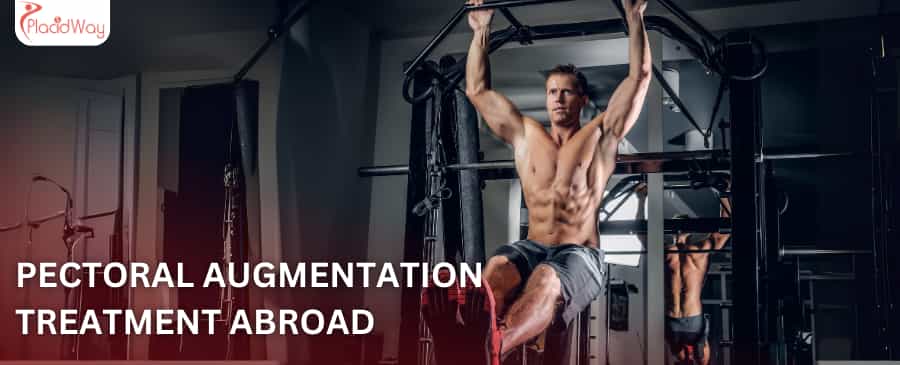
Sculpt Your Physique: A Comprehensive Guide to Pectoral Augmentation for Men
Are you looking in the mirror, wishing for a more defined, stronger-looking chest? Perhaps despite countless hours in the gym, your pectoral muscles just haven't developed the way you'd hoped. Or maybe you've always struggled with chest asymmetry or an underdeveloped appearance due to genetics or a congenital condition. If these feelings resonate, you're not alone. Many men seek ways to achieve a more masculine and sculpted upper body, and for some, traditional methods fall short.
Pectoral augmentation, often referred to as chest implants for men, is a highly effective surgical solution designed to enhance the size and contour of the chest. This procedure involves carefully placing medical-grade silicone implants beneath the pectoral muscles, creating a more prominent and aesthetically pleasing chest profile. It’s not just about size; it's about achieving balance, definition, and symmetry that can significantly boost confidence and align your physical appearance with your desired self-image.
While often associated with bodybuilders seeking an extra edge, pectoral augmentation also provides a life-changing solution for men with congenital chest wall deformities like Poland Syndrome, or those experiencing muscle atrophy. Thanks to advancements in surgical techniques and materials, results are natural-looking and long-lasting. If you've been wondering, "Can I get a more muscular chest without endless weights?" or "What are my options for a truly defined chest?", you've come to the right place. Let's explore how pectoral augmentation can help you achieve your aesthetic goals, including how medical tourism offers world-class solutions at more accessible prices.
What are the primary reasons men seek Pectoral Augmentation?
The decision to undergo pectoral augmentation often stems from a combination of aesthetic desires and personal circumstances. Many men want to achieve a more robust and masculine physique, feeling that their chest lacks the definition or fullness they desire. Here are the common reasons:
- Aesthetic Enhancement: This is the most frequent reason. Despite rigorous workouts and a healthy lifestyle, some men find their pectoral muscles don't grow to the desired size or shape, leading to feelings of inadequacy or dissatisfaction with their upper body. They're looking for that "sculpted chest" or "male chest definition" that exercise alone hasn't provided.
- Correcting Asymmetry: It’s common for one pectoral muscle to be slightly smaller than the other. For some, this asymmetry is quite noticeable and impacts their confidence. Implants can be custom-sized to balance the chest.
- Congenital Conditions: Conditions like Poland Syndrome involve the partial or complete absence of the pectoralis major muscle. Pectoral implants can dramatically improve the chest contour and restore a more natural appearance for these individuals, significantly enhancing their quality of life.
- Body Dysmorphia: While surgery alone isn't a cure for body dysmorphic disorder, for some men with mild body image concerns rooted in a perceived lack of chest development, achieving their desired physique can improve self-esteem.
- Post-Injury or Disease: In some cases, muscle atrophy due to injury or certain medical conditions can lead to a sunken or underdeveloped chest, which implants can help to correct.
What causes an underdeveloped chest in men?
Understanding why your chest might not be developing as you wish is key to exploring the right solutions. It’s rarely due to a lack of effort. Here are the primary factors:
- Genetics: The most significant factor is genetics. Just as genetics influence your height, hair color, or metabolism, they also dictate your muscle-building potential and how your muscles are structured. Some individuals are simply predisposed to having smaller or less defined pectoral muscles, regardless of their training regimen. Your body type and how efficiently your muscles respond to stimuli are largely inherited.
- Insufficient Muscle Development: While exercise is crucial, not everyone responds to training in the same way. Some men, often referred to as "hardgainers," struggle to build muscle mass, including their pectorals, even with consistent and intense workouts. This can be frustrating for those trying to achieve a larger or more "ripped" chest.
- Hormonal Factors: Hormonal imbalances, particularly lower levels of testosterone, can impact muscle growth and overall body composition. While less common as a primary cause for significant pectoral underdevelopment, it can be a contributing factor.
- Congenital Conditions: As mentioned, conditions like Poland Syndrome are a direct cause of underdeveloped or absent pectoral muscles from birth.
- Injury or Neurological Issues: In rarer cases, nerve damage or significant chest injuries can lead to muscle atrophy and a diminished pectoral appearance.
For many, it's a combination of genetics and the limits of natural muscle development that leads them to explore options like pectoral implants surgery.
What types of Pectoral Augmentation procedures are available?
When considering pectoral augmentation, you'll find that the procedure primarily relies on implants, but there are nuances and alternative methods:
- Silicone Pectoral Implants: This is the most common and effective method. These implants are specifically designed for the male chest, made of a solid, yet flexible silicone material that mimics the feel of natural muscle tissue.
- Implant Characteristics: They come in various shapes (oval, rectangular), sizes, and projections to match individual anatomy and desired results. The surgeon selects implants to best complement your body frame and aesthetic goals.
- Placement: Implants are typically placed submuscularly (underneath the pectoralis major muscle) for a very natural look and feel, as well as added protection.
- Incision Points: Common incision sites include:
- Axillary (Armpit): A discreet incision made in the armpit fold, allowing the surgeon to create a pocket for the implant without visible scars on the chest itself. This is a very popular choice.
- Inframammary (Crease below chest): An incision made in the natural crease where the chest meets the abdomen, less common for male pectoral implants but sometimes used.
- Fat Transfer (Autologous Fat Grafting): For men seeking a more subtle enhancement or correction of minor irregularities, fat transfer can be an option.
- How it Works: Fat is harvested from another area of the body (like the abdomen or flanks) via liposuction, purified, and then injected into the pectoral area.
- Benefits: Uses your own tissue, no foreign materials, results feel very natural.
- Limitations: Provides less dramatic volume increase than implants, not suitable for significant augmentation, and some of the transferred fat may not survive. Often used in conjunction with implants to fine-tune results.
- Combination Approach: In some cases, a surgeon might recommend a combination of pectoral implants for primary volume and shape, followed by fat grafting to smooth contours, correct minor asymmetries, or add an extra layer of natural tissue over the implants.
- Good General Health: You should be in good physical health, free from any medical conditions that could impair healing or increase surgical risks.
- Realistic Expectations: Understanding what the surgery can realistically achieve is crucial. Pectoral augmentation enhances your existing physique; it doesn't transform you into a professional bodybuilder overnight. It's about achieving a natural, proportionate enhancement.
- Stable Weight: Significant weight fluctuations post-surgery can affect your results. Surgeons usually recommend being at or close to your ideal, stable weight before the procedure.
- Non-Smoker: Smoking significantly impairs circulation and healing, increasing the risk of complications. Most surgeons require you to stop smoking several weeks before and after surgery.
- Fully Developed Chest: Candidates should be mature, typically at least 18-20 years old, to ensure their chest muscles and bone structure are fully developed.
- Specific Motivations: Whether you're seeking to correct asymmetry, overcome underdeveloped pectorals, or address a congenital condition like Poland Syndrome, having clear and healthy motivations is important.
- Good Skin Elasticity: Adequate skin elasticity allows the skin to drape smoothly over the implants, contributing to a natural-looking result.
- Immediately After Surgery (Day 1-3):
- You will experience soreness, swelling, and bruising in the chest area. Pain medication will be prescribed to manage discomfort.
- A compression garment will be placed to help reduce swelling and support the implants as they settle.
- Drains might be temporarily placed to remove excess fluid.
- Movement of the arms and upper body will be restricted. You'll need assistance with daily tasks.
- First Week (Day 4-7):
- Discomfort will gradually subside.
- Drains, if used, are typically removed.
- You'll likely be able to move around more easily, but lifting your arms above shoulder height or lifting heavy objects will still be restricted.
- Many patients can return to light, desk-based work within this timeframe.
- Weeks 2-4:
- Swelling continues to decrease, and results become more apparent.
- Most normal daily activities can be resumed, but strenuous exercise, heavy lifting, and activities that involve the pectoral muscles are still off-limits.
- Continue wearing your compression garment as advised by your surgeon.
- Weeks 6-8 and Beyond:
- Most patients are cleared to gradually resume their full exercise routine, including chest workouts, with caution and under their surgeon's guidance.
- Full healing can take several months, with the final results becoming truly visible as all swelling resolves and implants settle.
- General Surgical Risks: These include bleeding, infection, adverse reaction to anesthesia, and poor wound healing.
- Implant-Specific Complications:
- Capsular Contracture: This occurs when scar tissue around the implant hardens and tightens, potentially distorting the implant's shape or causing pain. It can sometimes require revision surgery.
- Implant Malposition or Displacement: The implant can shift from its intended position, leading to asymmetry or an unnatural appearance. This may necessitate corrective surgery.
- Implant Rippling or Wrinkling: In thinner individuals, the edges of the implant might be visible or palpable, creating a rippled effect, especially with certain implant types or placements.
- Implant Rupture: Although less common with solid silicone implants, a severe impact could potentially cause an implant to rupture.
- Numbness or Altered Sensation: Temporary or, in rare cases, permanent changes in sensation in the chest area can occur due to nerve irritation or damage.
- Asymmetry: While surgery often aims to correct asymmetry, new or persistent asymmetry can occur post-operatively.
- Visible Scarring: Although surgeons try to place incisions in discreet areas (like the armpit), some scarring is inevitable. Proper wound care helps minimize their appearance.
- Seroma or Hematoma: Accumulation of fluid (seroma) or blood (hematoma) can occur, sometimes requiring drainage.
- Significant Cost Savings: As seen in the table above, the most immediate benefit is the dramatic reduction in cost, often 50-70% less than in Western countries. This makes life-changing procedures accessible to a wider range of patients.
- Access to World-Class Surgeons: Many popular medical tourism destinations boast highly specialized, internationally trained, and board-certified plastic surgeons who perform these procedures routinely. Their expertise is often comparable to, or even exceeds, what you might find locally.
- State-of-the-Art Facilities: Clinics catering to international patients frequently feature modern equipment, advanced technology, and luxurious recovery environments, often accredited by international organizations like JCI (Joint Commission International).
- Shorter Wait Times: In some countries, lengthy waiting lists for elective procedures can delay treatment. Abroad, you often have more flexibility in scheduling your surgery sooner.
- Privacy and Recovery: Traveling away from your usual environment can offer a sense of privacy during your recovery. Plus, combining your treatment with a vacation can make the experience more appealing, turning a medical trip into a restorative retreat.
- Turkey: Istanbul, in particular, has become a global hub for cosmetic surgery. Turkish clinics offer state-of-the-art facilities, highly experienced surgeons, and all-inclusive packages that often cover accommodation, transfers, and post-operative care, making it a top choice for those looking for comprehensive and affordable care.
- Mexico: Especially popular for patients from the United States and Canada due to its proximity. Cities like Tijuana, Cancun, and Guadalajara have well-established clinics with US-trained surgeons, offering high-quality care at a fraction of the cost.
- Colombia: Known for its highly skilled plastic surgeons, particularly in cities like Medellin and Bogota. Colombian clinics provide excellent medical standards, often at competitive prices, attracting patients primarily from North and South America.
- Thailand: A long-standing leader in medical tourism, Thailand offers world-class hospitals and clinics, especially in Bangkok and Phuket. Patients benefit from exceptional hospitality, highly trained medical staff, and modern facilities, coupled with very attractive pricing for aesthetic procedures.
- Initial Consultation: This often starts with virtual consultations (video calls) where you discuss your goals, medical history, and receive preliminary recommendations from your chosen surgeon.
- Travel Logistics: You'll need to arrange flights, accommodation, and local transportation. Many clinics or medical tourism facilitators offer all-inclusive packages that handle these arrangements for you.
- Extended Stay: Plan to stay in the destination country for at least 7-14 days post-surgery, allowing for initial recovery, follow-up appointments, and drain removal if applicable, before it's safe to fly home.
- Language and Communication: While many clinics catering to international patients have English-speaking staff or translators, having a translation app or service handy can be beneficial.
- Post-Operative Care Abroad: Ensure you understand the clinic's post-operative care plan, including pain management, wound care, and follow-up appointments during your stay.
- Follow-up at Home: Discuss with your local doctor about post-operative check-ups once you return home and ensure you have clear instructions from your overseas surgeon to share with them.
- Passport and Visa: Check the visa requirements for your chosen destination well in advance.
- Accreditation: Look for clinics and hospitals accredited by international bodies like the Joint Commission International (JCI). JCI accreditation signifies that the facility meets rigorous international standards for patient safety and quality of care.
- Surgeon Credentials: Verify your surgeon’s qualifications, experience, and board certifications. Research their specialty, years in practice, and any memberships in reputable plastic surgery associations (e.g., ISAPS - International Society of Aesthetic Plastic Surgery).
- Patient Reviews and Testimonials: Read reviews from previous international patients. Look for consistent positive feedback regarding results, patient care, and overall experience. Online forums and medical tourism platforms can be good resources.
- Transparent Communication: A reputable clinic will be transparent about the procedure, potential risks, expected outcomes, and all associated costs. Avoid clinics that pressure you into decisions or offer suspiciously low prices without detailed explanations.
- Ask for an All-Inclusive Package Breakdown: Understand exactly what’s included in the price (surgeon's fee, anesthesia, facility fees, implants, post-op garments, follow-up visits, accommodation, transfers).
- Facility Standards: During your virtual consultation, ask about the operating room standards, equipment, and emergency protocols.
- Enhanced Self-Confidence: A common theme in success stories is the dramatic boost in self-esteem. Men who felt self-conscious about their chest can now wear clothing they previously avoided, feel more comfortable shirtless, and experience a renewed sense of masculinity and body positivity. Many talk about achieving their "dream physique" or finally having a "sculpted chest" they always wanted.
- Natural-Looking Results: Modern techniques and well-chosen implants lead to results that look and feel very natural. Patients often express surprise at how seamlessly the implants integrate with their existing musculature.
- Positive Travel Experience: Beyond the surgery itself, many patients share stories of how well they were cared for, appreciating the personalized attention, luxurious recovery facilities, and the opportunity to explore a new culture during their stay. This positive "pectoral augmentation before and after" transformation often extends to their overall well-being.
- Affordability and Value: Patients consistently highlight the incredible value they received. Being able to access high-quality surgery at a significantly lower cost allows them to invest in their appearance without financial strain, making their aesthetic goals attainable.
- Correction of Deformities: For those with conditions like Poland Syndrome, success stories often emphasize the emotional relief and improvement in physical appearance that were previously thought impossible. These are truly life-changing transformations.
Your surgeon will discuss the best type of male chest enhancement strategy based on your unique anatomy and desired outcome.
Am I a good candidate for Pectoral Augmentation?
Deciding if pectoral augmentation is right for you involves a thorough evaluation by a qualified plastic surgeon. Generally, ideal candidates share these characteristics:
A personalized consultation will determine your specific eligibility and help you understand the benefits and potential limitations of the surgery.
What is the typical recovery time and what can I expect?
Understanding the "pectoral implant recovery time" is crucial for planning your surgery, especially if you're traveling abroad. Here's a general timeline of what to expect:
Remember, individual recovery times can vary based on your body's healing capacity and adherence to post-operative instructions.
What are the potential risks and side effects of Pectoral Implants?
Like any surgical procedure, pectoral augmentation carries potential risks and side effects. While serious complications are rare, it's essential to be fully informed:
Choosing an experienced, board-certified surgeon and following all pre and post-operative instructions significantly reduces these risks.
How does Pectoral Augmentation cost compare worldwide?
The "pectoral augmentation cost" is a major consideration for many patients, and it's one of the primary drivers for exploring medical tourism. Prices can fluctuate dramatically based on the surgeon's fees, anesthesia costs, facility charges, implant type, geographical location, and the complexity of the procedure. Here’s a general comparison:
| Region/Country | Estimated Cost Range (USD) | Key Factors Influencing Cost |
|---|---|---|
| United States | $8,000 - $15,000+ | High surgeon fees, facility costs, insurance typically doesn't cover cosmetic. |
| United Kingdom | £6,000 - £12,000 ($7,500 - $15,000+) | Similar to US, high operational costs, private clinic fees. |
| Canada | CAD $10,000 - $18,000+ ($7,500 - $13,500+) | Comparable to US/UK, but sometimes slightly lower. |
| Mexico | $4,000 - $7,000 | Lower cost of living, proximity to US, competitive market. |
| Turkey | $3,500 - $6,500 | Strong medical tourism industry, modern facilities, government support. |
| Colombia | $4,500 - $7,500 | Skilled surgeons, lower operational costs, growing medical tourism sector. |
| Thailand | $5,000 - $8,000 | Excellent patient care, world-class facilities, competitive pricing. |
*Note: These are estimated ranges and can vary widely. It's crucial to get a personalized quote that includes all associated costs.
Why consider Pectoral Augmentation abroad for cost and quality?
The allure of medical tourism for procedures like pectoral augmentation is growing rapidly, and for good reason. It’s not just about finding a cheaper option; it's about finding a smarter option that balances cost with exceptional care:
For those asking, "How can I get a sculpted chest without breaking the bank?" or "Where are the best clinics for pec implants?", medical tourism provides a compelling answer.
Which countries offer the best value and expertise for Pectoral Implants?
When searching for "pectoral augmentation countries" or "best places for male chest enhancement abroad," certain nations consistently stand out due to their robust medical tourism infrastructure, skilled professionals, and competitive pricing:
Each of these destinations provides a unique blend of quality, affordability, and a supportive environment for international patients.
What should I expect when traveling abroad for Pectoral Augmentation?
Planning your "pectoral augmentation medical tourism" trip requires careful preparation to ensure a smooth and stress-free experience:
A reputable medical tourism facilitator like PlacidWay can streamline this entire process, offering guidance and support every step of the way.
How can I ensure safety and quality when choosing a clinic abroad?
Ensuring "pectoral augmentation safety" and high quality is paramount, regardless of where you have the procedure. Here’s how to do your due diligence:
Don't hesitate to ask a lot of questions. Your peace of mind is invaluable.
What are patient success stories from abroad?
The true measure of a successful medical tourism journey lies in the patient's experience and outcomes. For pectoral augmentation, countless men have found profound satisfaction:
These stories underscore that combining expert medical care with an international experience can be a fulfilling path to achieving your desired physique.
Take the Next Step with PlacidWay
Ready to explore treatment options abroad? Discover top clinics, compare prices, and get a free quote tailored to your needs with PlacidWay.
Cosmetic Surgery Abroad, Plastic Surgery Abroad





.png)


.png)
.jpg)
.png)










Share this listing