
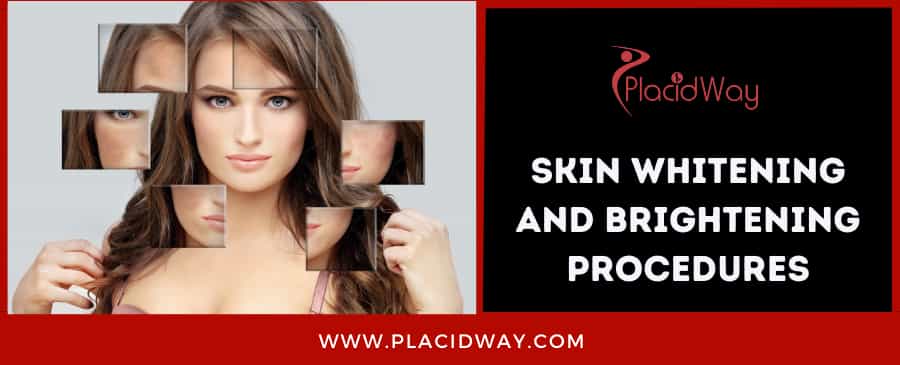
Unlock Your Radiance: Understanding Skin Whitening & Brightening Procedures
Are you looking to achieve a more uniform, luminous complexion? Perhaps you've noticed stubborn dark spots, uneven skin tone, or a general dullness that masks your natural glow. Skin whitening and brightening procedures offer a spectrum of solutions to address these common concerns, helping you reclaim confidence in your skin.
Often sought after by individuals worldwide, these treatments go beyond superficial changes, targeting the underlying causes of hyperpigmentation to reveal healthier, more vibrant skin. From advanced laser therapies to revitalizing chemical peels and specialized topical agents, the goal is to diminish discoloration, reduce visible sun damage, and create a clearer, more even skin canvas. Whether you're dealing with melasma, post-inflammatory hyperpigmentation, or simply desire a brighter overall complexion, understanding your options is the first step.
For many, the journey to brighter skin involves exploring choices beyond their local borders. Medical tourism has made high-quality, often more affordable, skin brightening treatments accessible in leading clinics around the globe. This guide will delve deep into the world of skin whitening and brightening, covering everything from the symptoms and causes of discoloration to the types of procedures available, recovery expectations, risks, and a detailed look at why medical tourism could be your ideal path to achieving the radiant skin you desire.
What visible skin concerns can brightening and whitening procedures address?
Many people search for solutions to "get rid of dark spots on face," "even out skin tone," or "reduce hyperpigmentation." These concerns are precisely what skin brightening and whitening procedures are designed to tackle. Here are the key visible skin issues these treatments can effectively address:
- Dark Spots (Hyperpigmentation): These are localized areas of increased melanin production, often resulting from sun exposure, hormonal changes, or skin injury.
- Sun Spots & Age Spots: Also known as solar lentigines, these flat, brown or black spots are common on sun-exposed areas like the face, hands, and décolletage, accumulating over years.
- Melasma: A common skin problem characterized by brown or gray-brown patches, primarily on the face. It's often linked to hormonal fluctuations (pregnancy, birth control) and sun exposure, leading to the search for "melasma treatment."
- Post-Inflammatory Hyperpigmentation (PIH): Dark spots that appear after an inflammatory skin condition, such as acne, eczema, or even a minor cut. Many look for "acne scar dark spots removal."
- Uneven Skin Tone: A general lack of uniformity in skin color, making the complexion appear patchy or dull. People often desire "clearer skin" or "more even complexion."
- Dullness: A lack of radiance or luminosity, often caused by dead skin cell buildup and poor light reflection. Brightening treatments aim to restore a healthy glow.
- Freckles: While often charming, some individuals prefer to lighten prominent freckles for a more uniform appearance.
By targeting these specific issues, skin brightening and whitening procedures help achieve a clearer, more harmonious, and visibly luminous skin appearance.
What causes skin darkening or uneven skin tone?
Understanding "why my skin is getting darker" or "what causes hyperpigmentation" is crucial for effective treatment. Melanin, the pigment responsible for skin color, is produced by cells called melanocytes. When these cells become overactive, they produce excess melanin, leading to darker spots or uneven tone. Common triggers include:
- Sun Exposure: This is the most significant factor. UV radiation stimulates melanocytes to produce more melanin as a protective mechanism, leading to sun spots, freckles, and general darkening. Many search for "sun damage reversal."
- Hormonal Changes: Fluctuations in hormones, particularly estrogen and progesterone, can trigger melasma. This is why it's common during pregnancy ("mask of pregnancy") or with the use of birth control pills.
- Inflammation & Injury: Any trauma or inflammation to the skin (e.g., acne, eczema, insect bites, cuts, burns) can lead to post-inflammatory hyperpigmentation (PIH) as the skin heals. Many wonder "how to get rid of dark spots from pimples."
- Genetics: Some individuals are naturally more prone to developing hyperpigmentation due to their genetic predisposition and skin type.
- Aging: As we age, skin cell turnover slows, and melanocytes can become unevenly distributed, leading to the appearance of age spots and an overall duller complexion.
- Certain Medications: Some drugs, like certain antibiotics, anti-malarials, or even some chemotherapy agents, can cause hyperpigmentation as a side effect.
- Medical Conditions: Conditions like Addison's disease or hemochromatosis can also lead to widespread skin darkening.
Identifying the root cause helps in choosing the most appropriate and effective skin brightening strategy.
What types of skin brightening and whitening treatments are available?
The quest for "best skin brightening treatments" or "effective dark spot removal" has led to a diverse range of procedures. These treatments work by reducing melanin production, breaking down existing pigment, or removing pigmented surface skin cells.
Professional In-Clinic Procedures:
- Chemical Peels: A solution applied to the skin to exfoliate the top layers, revealing fresher, brighter skin underneath. Different strengths (light, medium, deep) are available, using acids like glycolic, salicylic, lactic, or trichloroacetic acid (TCA). They are excellent for "chemical peel for dark spots" and overall skin rejuvenation.
- Laser Treatments:
- Q-Switched Lasers: Emit powerful bursts of light to shatter pigment particles without harming surrounding skin. Effective for sun spots, freckles, and some melasma.
- Pico Lasers (Picosecond Lasers): Even faster pulses than Q-switched, creating a photoacoustic effect that shatters pigment into even smaller particles, making them very effective for stubborn pigment like melasma and tattoo removal with less heat. Many search for "Pico laser for dark spots."
- Fraxel Lasers (Fractional Lasers): Create microscopic treatment zones in the skin, stimulating new collagen and healthy skin cell production. Effective for texture, wrinkles, and pigmentation.
- IPL (Intense Pulsed Light): Uses broad-spectrum light to target pigment and redness. Great for sun damage, freckles, and general brightening. Often confused with laser but uses a different technology.
- Microdermabrasion: A non-invasive procedure that uses fine crystals or a diamond-tipped wand to gently exfoliate the outermost layer of skin, improving tone and texture. Good for mild surface pigmentation.
- Glutathione Injections/IV Drips: Glutathione is a powerful antioxidant that, when administered intravenously, can suppress melanin production throughout the body. Popular in certain regions for "whole body skin whitening."
Topical Treatments (Prescription & Medical-Grade):
- Hydroquinone: A gold standard for treating hyperpigmentation, it works by inhibiting melanin production. Available by prescription in higher concentrations.
- Retinoids (Retinol, Tretinoin): Derivatives of Vitamin A that increase skin cell turnover, helping to shed pigmented cells and improve overall skin texture.
- Vitamin C (Ascorbic Acid): A powerful antioxidant that brightens skin, inhibits melanin production, and protects against sun damage.
- Niacinamide (Vitamin B3): Reduces pigment transfer between cells and has anti-inflammatory properties.
- Alpha Arbutin, Kojic Acid, Azelaic Acid: Other effective tyrosinase inhibitors that reduce melanin production.
A dermatologist will recommend the best treatment plan based on your skin type, type of hyperpigmentation, and desired results.
Who is an ideal candidate for skin whitening or brightening procedures?
If you're wondering "who can get skin whitening" or "am I a candidate for laser for dark spots," here are the general criteria:
- Specific Concerns: Individuals bothered by dark spots, sun damage, melasma, post-inflammatory hyperpigmentation, or a generally dull and uneven skin tone.
- Good General Health: Candidates should be in good overall physical health, free from active skin infections, severe allergies, or conditions that might impair healing.
- Realistic Expectations: Understanding that results are often gradual and varied based on the procedure, and complete eradication of pigment may not always be possible. The goal is improvement, not necessarily "flawless skin."
- Commitment to Sun Protection: This is critical. Without strict sun avoidance and daily SPF use, new hyperpigmentation can easily recur, undoing the results.
- Non-Pregnant/Non-Nursing: Many procedures and active topical ingredients are not recommended for pregnant or breastfeeding women.
- No Recent Sunburns: Skin should not be acutely sunburned or tanned prior to most laser and peel treatments.
- Understanding Skin Type: Individuals with darker skin tones (Fitzpatrick types IV-VI) require more careful consideration for some laser treatments and stronger peels due to a higher risk of post-inflammatory hyperpigmentation or hypopigmentation. Experienced practitioners are essential.
- Discontinuation of Certain Medications: Some medications (e.g., isotretinoin, certain photosensitizing drugs) may need to be stopped prior to treatment.
A thorough consultation with a qualified dermatologist or aesthetic practitioner is essential to determine your eligibility and the most appropriate treatment plan for your unique skin.
What is the typical recovery process and what results can I expect?
When considering "skin whitening recovery time" or "how long to see results from laser," it's important to know that the experience varies widely depending on the chosen treatment.
Recovery Expectations:
- Topical Creams: Minimal to no downtime. Some may experience mild redness, dryness, or peeling initially, which usually subsides as the skin adjusts.
- Light Chemical Peels/Microdermabrasion: Mild redness, sensitivity, and light flaking, lasting a few hours to 2-3 days. Makeup can usually be applied after 24 hours.
- Medium Chemical Peels: More noticeable redness, swelling, and peeling (like a severe sunburn) for 5-7 days. Social downtime may be necessary.
- IPL/Q-Switched Lasers: Darkening of pigmented spots (which then flake off), mild redness, and swelling for a few days. Spots may appear darker before they get lighter, lasting 5-10 days on the face, longer on the body.
- Pico Lasers: Often minimal downtime, with some redness for a few hours. Pigmented spots may subtly darken and fade over 1-2 weeks.
- Fractional Lasers (e.g., Fraxel): Redness, swelling, and a 'sandy' texture as microscopic crusts shed. Downtime can be 3-7 days, depending on intensity.
- Glutathione Injections: No physical downtime, but results are not immediate and require consistent treatment over time.
General Post-Care: All procedures require diligent sun protection (broad-spectrum SPF 30+), gentle cleansing, and moisturizing. Avoid harsh products, exfoliation, and direct sun exposure during recovery.
Expected Results:
- Gradual Improvement: Most treatments show progressive improvement over weeks to months as the skin heals and new, less pigmented cells surface.
- Reduced Hyperpigmentation: Dark spots, sun spots, and melasma patches will typically lighten significantly, though complete eradication may not always be achievable.
- More Even Skin Tone: The overall complexion will appear more uniform and harmonious.
- Enhanced Radiance: Skin often looks brighter, clearer, and more luminous as dead, dull cells are removed and underlying healthy skin is revealed.
- Maintenance: To maintain results, ongoing sun protection, a good skincare regimen, and occasional touch-up treatments are often recommended.
Patience and adherence to post-treatment instructions are key for optimal outcomes.
What are the potential risks and side effects of skin brightening treatments?
While generally safe when performed by qualified professionals, it's important to be aware of the "skin whitening side effects" and "risks of laser for dark spots."
Common, Temporary Side Effects:
- Redness and Swelling: Expected after most in-clinic procedures, typically subsiding within hours to a few days.
- Peeling and Flaking: Particularly after chemical peels or some laser treatments, as dead skin cells shed.
- Dryness or Tightness: Skin may feel dry or tight, requiring diligent moisturizing.
- Increased Sensitivity: Skin may be more sensitive to sun and products temporarily.
- Temporary Darkening of Pigment: For laser and IPL, targeted dark spots may initially appear darker before flaking off or fading.
Less Common, More Serious Risks:
- Post-Inflammatory Hyperpigmentation (PIH): This is a risk, especially for individuals with darker skin tones or if treatments are too aggressive. New dark spots can appear if the skin is overly irritated or exposed to sun too soon.
- Hypopigmentation: In rare cases, especially with aggressive treatments or improper technique, the skin can lose pigment, resulting in lighter patches.
- Blistering or Crusting: Can occur with deeper peels or stronger laser settings, indicating a more intense injury to the skin.
- Infection: Any procedure that breaks the skin barrier carries a small risk of bacterial, viral, or fungal infection, though proper aftercare minimizes this.
- Scarring: A very rare but possible complication, especially with deep peels or ablative lasers, if not performed correctly or if healing is compromised.
- Allergic Reactions: To topical products, anesthetic creams, or ingredients in chemical peels.
- Uneven Results: Inexperienced practitioners may leave treated areas looking patchy or uneven.
To minimize risks, always choose a board-certified dermatologist or a highly experienced and reputable aesthetic practitioner. Discuss your full medical history, skin type, and any concerns during your consultation.
How much do skin whitening and brightening procedures cost globally?
Understanding "cost of skin whitening abroad" or "laser treatment cost international" is a primary motivator for medical tourism. Prices fluctuate immensely based on the country, the clinic's prestige, the specific technology used, and the number of sessions required.
Estimated Cost Comparison Table (Per Session, USD)
| Procedure Type | USA / Western Europe | Thailand / Turkey / India / Mexico |
|---|---|---|
| Light Chemical Peel | $150 - $400 | $50 - $200 |
| Microdermabrasion | $100 - $300 | $40 - $150 |
| IPL Treatment | $300 - $700 | $100 - $400 |
| Q-Switched Laser (for dark spots) | $400 - $800 | $150 - $500 |
| Pico Laser (for pigmentation/melasma) | $600 - $1,500 | $250 - $800 |
| Fractional Laser (e.g., Fraxel) | $800 - $2,500 | $300 - $1,200 |
| Glutathione IV Drip (per session) | $100 - $300 | $30 - $150 |
Disclaimer: These are approximate costs and can vary significantly. They do not include travel, accommodation, or consultation fees. Multiple sessions are often required for optimal results.
As evident from the table, savings for cosmetic procedures abroad can be substantial, often 50-70% less than in Western countries, making "affordable cosmetic treatments abroad" a highly attractive option.
Why should I consider traveling abroad for skin whitening and brightening procedures?
Many individuals are now looking into "medical tourism for skin whitening" due to compelling advantages:
- Significant Cost Savings: As seen in the table above, procedures can be substantially cheaper abroad without compromising on quality, making treatments more financially accessible.
- Access to Advanced Technology & Expertise: Many international clinics invest heavily in the latest laser technologies and employ highly skilled dermatologists and aesthetic specialists who are leaders in their field.
- Shorter Wait Times: In some countries, getting an appointment for popular cosmetic procedures can involve long waits. Abroad, you might find more immediate availability.
- Privacy and Anonymity: For those who prefer discretion about their cosmetic enhancements, traveling to a new location can offer a greater sense of privacy.
- Combining Treatment with Travel: Many patients turn their medical journey into a relaxing vacation, recovering in a pleasant environment and enjoying the local culture before or after their procedures. It's often referred to as a "med-vacation."
- Comprehensive Packages: Many medical tourism facilitators and clinics offer all-inclusive packages that cover treatment, accommodation, and sometimes even travel arrangements, simplifying the process.
The decision to travel abroad is a personal one, but the blend of quality, affordability, and unique experiences makes it a powerful option for many seeking skin brightening and whitening solutions.
Which countries offer the best value and quality for these treatments?
When searching for "best countries for skin whitening" or "affordable cosmetic treatments abroad," certain destinations consistently stand out:
- Thailand: A long-standing leader in medical tourism, Thailand boasts world-class hospitals and clinics, particularly in Bangkok and Phuket. They offer a full range of advanced laser and aesthetic treatments with highly trained staff at very competitive prices.
- South Korea: Known as the global capital of cosmetic surgery and aesthetics, South Korea is at the forefront of innovation in skin brightening technologies. Their clinics are highly specialized, offer cutting-edge procedures, and employ exceptionally skilled practitioners, often with more moderate pricing than Western counterparts.
- Turkey: Especially Istanbul, has emerged as a major medical tourism hub, providing high-quality aesthetic treatments, including advanced laser therapies and peels, with accredited facilities and experienced dermatologists, at significantly lower costs.
- India: With a large pool of highly qualified doctors and state-of-the-art facilities, India offers excellent value for a wide array of cosmetic procedures. Cities like Mumbai, Delhi, and Bangalore are home to reputable aesthetic clinics.
- Mexico: Convenient for North American patients, Mexico offers accessible and affordable treatments, particularly in border cities and popular tourist destinations like Cancun and Guadalajara, with many clinics adhering to international standards.
These countries not only offer cost-effective solutions but also maintain high standards of care, making them attractive for international patients.
What should I expect when planning my skin brightening journey and ensuring safety abroad?
Planning "medical travel for skin treatment" requires careful preparation to ensure a smooth and safe experience. Here’s what you should expect and how to ensure quality and safety:
Planning Your Journey:
- Research is Key: Begin by researching potential clinics and doctors in your chosen destination. Look for their specialties, experience with skin brightening, and patient testimonials.
- Virtual Consultations: Most reputable clinics offer online consultations. This is your opportunity to discuss your goals, ask questions, understand the recommended procedure, and assess the doctor's communication style.
- Get Detailed Quotes: Request a comprehensive quote that includes all procedure costs, pre- and post-operative care, and any follow-up appointments. Clarify what's included and what's extra.
- Travel Logistics: Arrange your flights, accommodation, and local transportation. Consider staying an extra few days for initial recovery before flying home, especially for more intensive treatments. Many clinics can assist with these arrangements.
- Communication: Inquire about language barriers. Many international clinics have English-speaking staff or offer translation services.
- Post-Procedure Care Plan: Understand the aftercare instructions thoroughly and how follow-up will be managed once you return home.
Ensuring Safety and Quality Abroad:
- Accreditation: Look for clinics that are internationally accredited (e.g., JCI - Joint Commission International). This signifies adherence to global standards of patient care and safety.
- Doctor Credentials: Verify the doctor's qualifications, board certifications, and experience. Are they a dermatologist or an aesthetic specialist with specific training in your desired procedure?
- Technology and Facilities: Ensure the clinic uses modern, well-maintained equipment and has a clean, sterile environment.
- Patient Reviews and Testimonials: Read reviews on independent platforms. Look for consistent positive feedback and patient success stories that align with your expectations.
- Medical Tourism Facilitators: Companies like PlacidWay specialize in connecting patients with accredited clinics abroad. They can streamline the entire process, from finding a doctor to travel arrangements and providing support throughout your journey, acting as a crucial intermediary to vet clinics and ensure quality.
- Insurance: Check if your travel insurance covers medical complications abroad, though elective cosmetic procedures are typically not covered by standard health insurance.
By taking these steps, you can confidently embark on your skin brightening journey abroad, minimizing risks and maximizing your chances of a successful outcome.
Are there real patient success stories for skin whitening and brightening abroad?
The landscape of medical tourism is rich with inspiring "patient success stories" from individuals who traveled abroad for skin whitening and brightening procedures. These stories often highlight not just the aesthetic transformation but also the positive impact on their confidence and quality of life.
- Sarah from Canada: Struggled with stubborn melasma for years. After numerous unsuccessful treatments at home, she traveled to a specialized clinic in South Korea. "The dermatologists there were incredibly knowledgeable and used a combination of Pico laser and custom topical creams. My melasma has significantly lightened, and my skin glows now. It was a fraction of the cost I was quoted back home, and the service was exceptional."
- David from the UK: Wanted to address sun damage and uneven skin tone on his face and hands. He chose a clinic in Turkey. "I had a series of IPL and light chemical peels. The results are fantastic – my sun spots are almost gone, and my skin looks much younger and healthier. The clinic was modern, and the staff made me feel very comfortable. Plus, I got to enjoy a beautiful week in Istanbul."
- Maria from Australia: Sought glutathione IV drips for overall skin brightening in Thailand. "I was a bit skeptical at first, but after several sessions, my skin definitely looks brighter and more even, not just on my face but all over. The clinic was professional, and the experience was seamless, allowing me to combine my treatment with a relaxing holiday."
These stories underscore the global appeal and effectiveness of skin brightening treatments abroad. They often speak to:
- Tangible Results: Visible reduction in dark spots, melasma, and a more uniform, radiant complexion.
- High-Quality Care: Patients frequently praise the professionalism, expertise, and advanced technology available in international clinics.
- Positive Experience: Beyond the treatment itself, the journey and cultural experience often add to the overall satisfaction.
- Affordability: The ability to access superior care at a more economical price point is a recurring theme.
While individual results vary, these testimonials provide valuable insight into what is possible and build trust for those considering their own medical journey abroad.
Take the Next Step with PlacidWay
Ready to explore treatment options abroad? Discover top clinics, compare prices, and get a free quote tailored to your needs with PlacidWay.
Skin Care, Skin Rejuvenation
















Share this listing