
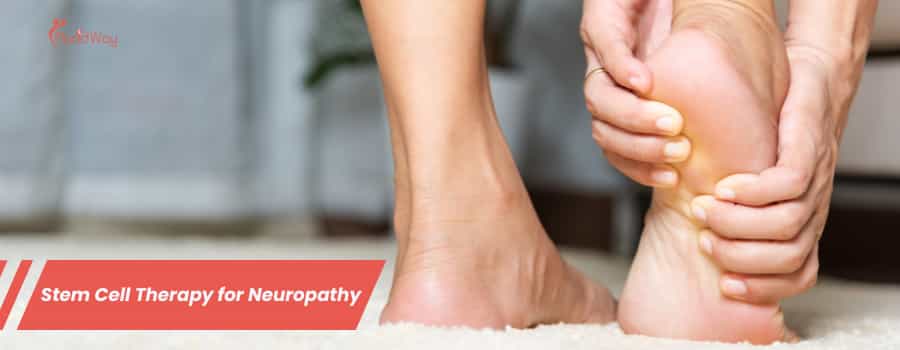
Find Lasting Relief - Your Guide to Stem Cell Therapy for Neuropathy
If you're living with neuropathy, you know the daily struggle. The tingling, the numbness, the burning, or the sharp, stabbing pains—especially in your hands and feet—can be debilitating. Traditional treatments often focus on managing these symptoms with medications, but they don't fix the underlying problem: the damaged nerves.
This is where regenerative medicine, specifically stem cell therapy for neuropathy, offers a new kind of hope. Instead of just masking the pain, this approach aims to heal the damage. It uses powerful, natural healing cells to repair the nerve "wiring" itself. Think of it as sending in a highly specialized construction crew to fix the damaged pathways, rather than just putting up a "detour" sign.
But you might be thinking, "This sounds advanced. Is it available to me?" For many, the answer lies just beyond their home borders. Patients from around the world are increasingly turning to medical tourism to access high-quality, affordable stem cell therapy. This guide is here to answer your biggest questions—from how it works and if you're a candidate, to what it costs and where to find the best care abroad.
What types of neuropathy can stem cell therapy help with?
Stem cell therapy isn't a one-size-fits-all solution, but it shows significant promise for several common types of neuropathy. The most success has been seen in:
- Diabetic Neuropathy: This is the most common complication of diabetes, caused by high blood sugar damaging nerves over time. Stem cells can help not only by repairing nerve tissue but also by improving blood flow, addressing the root cause.
- Peripheral Neuropathy: This is a broad term for damage to the nerves outside of the brain and spinal cord (your peripheral nerves). Stem cell therapy can help regenerate these damaged nerve fibers and reduce the chronic inflammation that makes the pain worse.
- Chemotherapy-Induced Neuropathy (CIPN): Many life-saving chemotherapy drugs have a toxic effect on nerves, leaving patients with lasting pain or numbness. Stem cell therapy is a key area of research for repairing this damage after cancer treatment is complete.
- Traumatic Neuropathy: For nerve damage caused by a physical injury, stem cells can help bridge the gap and promote healing in a way that the body sometimes can't on its own.
How does stem cell therapy actually work for nerve pain?
This is the most important question. It's easy to imagine stem cells just magically turning into new nerve cells, but their power is far more sophisticated. Mesenchymal Stem Cells (MSCs), the type most commonly used, perform several critical jobs at once:
- They are powerfully anti-inflammatory. Much of neuropathy pain comes from chronic inflammation around the nerves. MSCs are like natural firefighters; they arrive at the site and release signals that "cool down" this inflammation, giving the nerves a chance to heal.
- They release "growth factors." Think of this as fertilizer for your nerves. These proteins and signals (known as a "paracrine effect") encourage your existing, damaged nerve cells to repair themselves and even sprout new, healthy fibers (axonal growth).
- They modulate the immune system. In some types of neuropathy, the body's own immune system is part of the problem. MSCs can help "re-balance" the immune response, telling it to stop attacking healthy tissue.
- They protect existing cells. They have a "neuroprotective" effect, meaning they can help shield nerve cells from further damage and prevent them from dying off.
In short, stem cells orchestrate a complex, natural healing response. They don't just patch the hole; they provide the tools and instructions for the body to rebuild the damaged area itself.
What are the different types of stem cells used?
When you hear "stem cell therapy," it's important to know what kind of cells are being used. For neuropathy, the focus is almost exclusively on Mesenchymal Stem Cells (MSCs) because of their powerful signaling and anti-inflammatory properties.
- Autologous (Your Own Cells):
- Adipose-Derived: Harvested from your own fat tissue through a simple, mini-liposuction procedure. Fat is a very rich source of MSCs.
- Bone Marrow-Derived: Harvested from your hip bone (iliac crest). This is the "traditional" source, but it's a bit more invasive than the adipose method.
- Allogeneic (Donor Cells):
- Umbilical Cord Tissue (Wharton's Jelly): This is a very popular source used in many international clinics. These cells are collected from the tissue of healthy, screened umbilical cords after a live birth. They are incredibly young, potent, and are "immune-privileged," meaning they don't cause an immune reaction. You don't need to match the donor.
Embryonic stem cells are not used in clinical treatments for neuropathy due to ethical and medical complexities. The focus is on safe, non-controversial adult MSCs from yourself or a screened donor source.
Am I a good candidate for this treatment?
This therapy is not for everyone, but it can be life-changing for the right person. A good candidate often has:
- A clear diagnosis of peripheral neuropathy, diabetic neuropathy, or CIPN.
- Symptoms that are progressing or are not well-managed by medications like gabapentin, Lyrica, or duloxetine.
- A desire to treat the underlying cause, not just the symptoms.
- Good overall health, with no active cancer, severe infections, or blood-clotting disorders.
The only way to know for sure is to have your medical records reviewed by a specialist in regenerative medicine. They will assess the severity of your neuropathy, your overall health, and your treatment history to determine if you are likely to benefit.
What is the stem cell therapy procedure like, step-by-step?
Many patients are surprised by how simple and straightforward the treatment process is. While protocols vary by clinic, a typical journey looks like this:
- Consultation & Prep: You'll have an in-depth consultation with the medical team, including a review of your records and possibly new blood tests.
- Harvesting (if Autologous): If you are using your own cells, this step happens first. A doctor will numb an area (like your abdomen or hip) and perform a mini-liposuction or bone marrow aspiration. This takes about 30-60 minutes.
- Cell Processing: The harvested tissue (or the donor tissue) is taken to an on-site lab. There, technicians isolate and concentrate the millions of stem cells, a process that takes a couple of hours.
- Administration: This is the simplest part. You'll relax in a comfortable chair while the concentrated stem cells are slowly administered into your bloodstream through a standard IV drip. This is painless and takes about 45-60 minutes. Some protocols also include small, targeted injections into the affected areas (like the feet or hands) to deliver cells directly to the site of damage.
After the infusion, you'll be monitored for a short time and then are free to return to your hotel. There is virtually no downtime.
Why should I travel abroad for stem cell therapy?
This is a very common question. Traveling for medical care might seem daunting, but for stem cell therapy, the benefits are clear:
- Significant Cost Savings: This is often the biggest factor. You can receive the same—or even more advanced—treatment abroad for 50-70% less than the cost in the United States.
- Access to Advanced Protocols: Many international clinics specialize in regenerative medicine. They may have protocols or use cell types (like high-potency umbilical cord MSCs) that are not yet available or are restricted to lengthy clinical trials back home.
- Shorter Wait Times: In many countries with national health systems, the wait for specialist care can be months or years. Medical tourism allows you to schedule your treatment when it works for you, often within a few weeks.
- High-Quality Care: Top medical tourism destinations have state-of-the-art, internationally accredited (JCI) hospitals and clinics with highly-trained, English-speaking doctors.
What are the best countries for stem cell therapy for neuropathy?
Several countries have become global leaders in regenerative medicine. The best choice for you depends on your budget, travel preferences, and specific medical needs.
- Mexico (e.g., Tijuana, Cancun, Guadalajara): A top choice for North American patients due to its proximity. Mexico has many modern clinics with extensive experience treating international patients.
- Colombia (e.g., Medellín, Bogotá): This country has become a powerhouse in high-quality, advanced healthcare. It's known for innovative medical technology and highly-skilled doctors, all at a very competitive price.
- Thailand (e.g., Bangkok): A world-renowned medical tourism hub, Thailand boasts JCI-accredited hospitals that feel like 5-star hotels, combined with excellent medical standards and service.
- India (e.g., Delhi, Mumbai, Bangalore): India offers some of the most affordable, high-quality medical care in the world, with a vast network of experienced, Western-trained physicians.
How much does stem cell therapy for neuropathy cost around the world?
The cost difference is dramatic and is the primary driver for medical tourism. It's crucial to remember that this treatment is not covered by insurance, making it an out-of-pocket expense.
Here is a general cost comparison for a typical neuropathy protocol:
| Country | Average Cost Range (USD) | Notes |
|---|---|---|
| United States | $15,000 - $30,000+ | Often limited to clinical trials or less potent cell types. Not covered by insurance. |
| Mexico | $7,000 - $15,000 | Popular for proximity to US. Often uses high-potency umbilical cord (allogeneic) cells. |
| Colombia | $6,000 - $12,000 | Growing hub for high-quality, government-supported regenerative medicine. |
| India | $5,000 - $10,000 | Excellent value from highly experienced doctors. May require longer travel. |
| Thailand | $8,000 - $16,000 | World-class, JCI-accredited hospitals and premium service. |
Important: These prices are estimates. The final cost depends on the number and type of cells used, the number of infusions, and the specific clinic. A good medical tourism partner will get you a firm, all-inclusive quote upfront.
Is stem cell therapy for neuropathy approved in the US or Europe?
This is a critical point to understand. The "experimental" label from the FDA (or EMA in Europe) does not mean the treatment is ineffective or unsafe. It simply means it has not completed the extremely long and expensive (often billion-dollar) Phase I, II, and III clinical trial process required to be marketed as an official "cure" for a specific condition.
International clinics operate under their own countries' health regulations (e.g., COFEPRIS in Mexico), which often allow for the clinical use of stem cell therapy as a safe, practitioner-led treatment. These clinics have been performing these procedures for years, building a large body of evidence and refining their protocols outside the rigid structure of the FDA trial system.
How do I choose a safe and reputable international clinic?
This is the most important part of your medical tourism journey. Vetting a clinic from thousands of miles away can be difficult, which is why working with a facilitator is so valuable. If you are doing your own research, here is a checklist:
- Accreditation: Is the clinic internationally accredited (e.g., JCI) or fully licensed by its country's Ministry of Health?
- Lab Quality: Do they have their own on-site, certified lab for processing cells? Ask if they provide a Certificate of Analysis (COA) detailing the cell purity, viability, and count.
- Doctor Experience: Who is the doctor? What are their credentials? How many neuropathy patients have they treated with this protocol?
- Transparency: Do they provide a clear, detailed treatment plan and an all-inclusive price *before* you book? (This should include treatment, fees, and transfers).
- Real Reviews: Can they provide you with testimonials from real patients (video is best) who have been treated for the same condition?
What are the risks and success rates I should know about?
Risks: With MSCs (either your own or from umbilical cords), the risks are minimal. Because these cells are "immune-privileged," there is no real risk of rejection. The primary risk is the same as any injection or IV: a very small chance of infection at the site, which is avoided by choosing a sterile, professional clinic.
Success Rates: It's vital to have realistic expectations. This is not a 100% cure. The goal is improvement. Success is measured by:
- Reduced pain scores (less burning, tingling, etc.)
- Decreased reliance on pain medications.
- Improved sensation (being able to feel your feet better).
- Increased mobility and balance.
- In diabetic patients, faster wound healing on the feet.
Many clinics report that 60-80% of neuropathy patients see a noticeable improvement in their symptoms. This improvement is often gradual, beginning 1-3 months after treatment and continuing for up to a year as the nerves slowly repair and regenerate.
What's the travel and recovery process like overseas?
The travel component is surprisingly simple. A typical itinerary looks like this:
- Day 1: Arrive. You'll be picked up from the airport and taken to your hotel.
- Day 2: Consultation & Procedure. You'll go to the clinic in the morning for your consultation and treatment. The entire process takes a few hours. You'll be back at your hotel resting by the afternoon.
- Day 3: Rest & Follow-up. You'll have a short follow-up check with the doctor. Many patients feel well enough to do some light sightseeing.
- Day 4 or 5: Fly Home. You are cleared for travel and can fly home.
There is no difficult recovery. You won't be bedridden or in pain. The "recovery" is what happens inside your body at a cellular level for the next 6-12 months as the stem cells do their work.
Stop "Managing" Neuropathy. Start Repairing It.
Ready to explore a new path to relief from nerve pain? Your journey to a life with less pain and more freedom is just a click away. Explore top-rated international clinics, compare personalized treatment plans, and get a free, no-obligation quote for your stem cell therapy. PlacidWay is your trusted partner in planning a seamless, safe, and affordable medical journey.
Stem Cell Therapy Abroad





.jpg)
.png)
.png)


.png)
.png)

.png)








Share this listing