
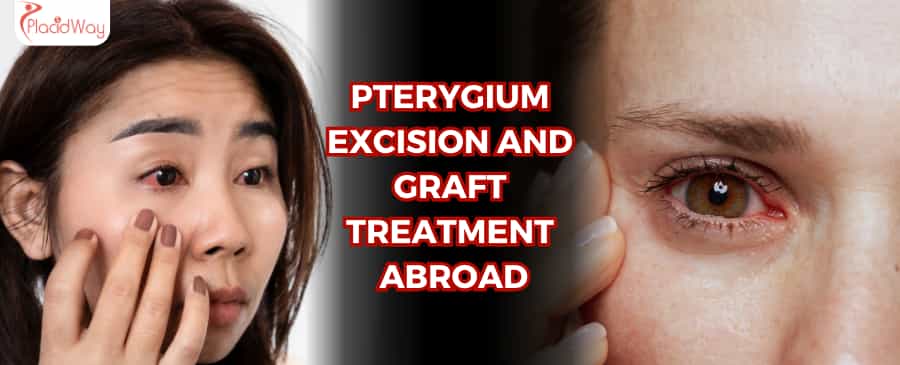
Regain Clear Vision: Understanding Pterygium Excision and Graft
Are you experiencing persistent irritation, redness, or even blurred vision due to a noticeable growth on the white part of your eye? You might be dealing with a pterygium, often called "surfer's eye" or "farmer's eye." This common, non-cancerous growth can be more than just a cosmetic concern; it can significantly impact your comfort and vision over time. For many, finding effective and affordable treatment is a priority, and Pterygium Excision and Graft surgery offers a lasting solution.
A pterygium is a benign fleshy tissue that begins on the conjunctiva (the clear membrane covering the white of your eye) and can gradually extend onto the cornea (the clear front surface of your eye). While often slow-growing, it can eventually interfere with your sight, cause chronic discomfort, and affect your appearance. Fortunately, modern surgical techniques, particularly those involving a graft after excision, boast high success rates in removing the growth and minimizing its return.
Globally, patients are increasingly exploring medical tourism for procedures like Pterygium Excision and Graft. This trend is driven by the desire for high-quality care at a more accessible price point, along with shorter waiting times and access to world-renowned ophthalmologists. If you're searching for "pterygium surgery cost abroad," "best clinics for eye surgery overseas," or "how to get rid of pterygium permanently," you're in the right place to learn more about this transformative procedure and how PlacidWay can help you find the best options worldwide.
What is a Pterygium and Why Does it Need Treatment?
Imagine a small, wing-shaped piece of tissue slowly encroaching on the clear window of your eye. That's essentially what a pterygium is. It's a non-cancerous growth that typically starts on the conjunctiva (the clear membrane over the white part of your eye) and can spread towards the pupil, covering the cornea. While it's not cancerous, it can cause a range of uncomfortable and vision-threatening issues:
- Irritation and Redness: Persistent foreign body sensation, burning, stinging, and a chronically red eye.
- Dry Eye Symptoms: It can disrupt the tear film, leading to increased dryness.
- Blurred or Distorted Vision: As it grows over the cornea, it can induce astigmatism or directly block the line of sight.
- Cosmetic Concerns: Its visible presence can be unsightly and affect self-confidence.
- Growth and Progression: If left untreated, it can continue to grow, making removal more complex and increasing the risk of vision impairment.
Many patients search for "what is a pterygium eye growth" or "pterygium vs pinguecula" to understand their condition. While a pinguecula is a yellowish patch that stays on the conjunctiva, a pterygium actively grows onto the cornea, necessitating treatment when it begins to impact vision or comfort.
Recognizing the Signs: Symptoms of Pterygium
Patients often notice a pterygium due to its visual presence, but various symptoms can accompany its development. Recognizing these signs early can help you seek timely intervention. Common "pterygium symptoms" people look for include:
- Visible Growth: A fleshy, pink or red, wedge-shaped growth on the white of your eye, often starting near the nose and extending towards the center.
- Chronic Redness: Persistent inflammation and blood vessel prominence in the affected area.
- Irritation and Grittiness: A feeling like sand or a foreign object is in your eye.
- Burning or Stinging: Discomfort, especially in dry or windy conditions.
- Tearing or Dryness: The pterygium can disrupt the normal tear film, leading to either excessive tearing or persistent dry eye.
- Blurred or Distorted Vision: If the growth reaches the cornea, it can alter its shape (astigmatism) or directly obstruct vision.
- Light Sensitivity (Photophobia): Increased discomfort in bright light.
If you're experiencing any of these "eye symptoms," it's crucial to consult an ophthalmologist for a proper diagnosis and to discuss potential treatments.
Understanding the Root: Causes and Risk Factors of Pterygium
While the exact "causes of pterygium" are still being researched, the strongest link is clear: environmental exposure. Think of your eye like skin – prolonged exposure to harsh elements can lead to changes. Key risk factors include:
- UV Light Exposure: This is the most significant factor. People who spend a lot of time outdoors in sunny climates, such as surfers, farmers, fishermen, and construction workers, are at a much higher risk. UV radiation damages the conjunctival tissue, leading to abnormal growth.
- Dust and Wind: Chronic irritation from environmental factors like dust, sand, and wind can also contribute to pterygium formation.
- Dry Eye Syndrome: Existing dry eye conditions can exacerbate irritation and potentially increase susceptibility.
- Genetics: There might be a genetic predisposition, as pterygia sometimes run in families.
- Age: While it can occur at any age, it's more common in adults over 20 and tends to increase with age.
Preventative measures, such as wearing UV-blocking sunglasses and hats when outdoors, are crucial, especially if you live in a sunny region or have a lifestyle with significant sun exposure. This is why it's often called "surfer's eye" – the sun and wind are powerful irritants.
Types of Pterygium Excision and Graft Procedures: What Are My Options?
When considering "pterygium removal surgery," it's important to understand the different approaches. The primary goal is not just to remove the visible growth but also to prevent its return. Modern techniques overwhelmingly favor grafting:
- Bare Sclera Excision: This is the oldest method, where the pterygium is simply cut away, leaving the underlying white of the eye (sclera) exposed. While simpler, it has a high recurrence rate (up to 80%), often with a more aggressive, larger regrowth. For this reason, it's rarely recommended today.
- Excision with Conjunctival Autograft: This is the gold standard. After removing the pterygium, a small piece of healthy conjunctival tissue is harvested from another part of the patient's own eye (usually under the upper eyelid) and transplanted to cover the bare sclera.
- Benefits: Uses the patient's own tissue, excellent cosmetic results, significantly lower recurrence rates (around 5-10%).
- Drawbacks: Requires a second surgical site on the eye, slightly longer procedure time.
- Excision with Amniotic Membrane Graft: For larger or recurrent pterygia, or if the patient's own conjunctiva is not suitable, a sterile human amniotic membrane (from placental tissue) can be used. This tissue promotes healing and has anti-inflammatory properties.
- Benefits: Similar low recurrence rates to autograft, no second surgical site on the patient's eye.
- Drawbacks: Not the patient's own tissue, slightly higher cost than autograft.
- Excision with Topical Mitomycin C (MMC) or Radiation: Sometimes, an anti-metabolite like MMC or low-dose radiation is used in conjunction with bare sclera excision, or as an adjunct to grafting, to further reduce recurrence, particularly in high-risk cases. However, these carry their own risks and are used cautiously by specialists.
Patients often search for "conjunctival autograft pterygium" or "amniotic membrane graft pterygium" to understand the preferred methods due to their superior outcomes in preventing regrowth.
Am I a Candidate for Pterygium Excision with Graft?
Deciding on surgery is a personal choice, made in consultation with your ophthalmologist. Generally, you might be an ideal candidate for "pterygium surgery" if you experience any of the following:
- Vision Impairment: The pterygium is growing onto the cornea and causing blurred vision, astigmatism, or directly blocking your line of sight.
- Significant Discomfort: You have chronic redness, irritation, a gritty sensation, or frequent tearing that is not relieved by eye drops.
- Rapid Growth: The pterygium is growing quickly and showing signs of becoming a more serious problem.
- Cosmetic Concerns: The appearance of the growth is bothersome and affecting your quality of life.
- Difficulty with Contact Lenses: The pterygium makes it impossible or very uncomfortable to wear contact lenses.
Your overall health, other eye conditions, and expectations will also be considered during your consultation. A thorough eye examination by a skilled ophthalmologist is essential to determine if surgery is the right step for you. Simple "eye drop treatments for pterygium" can relieve symptoms but cannot remove the growth itself.
Pterygium Surgery Recovery Time and Expectations
Understanding "pterygium surgery recovery time" is crucial for planning. While the procedure itself is quick, the healing process takes a bit longer. Here's what you can generally expect:
- Immediately After: You'll likely experience some discomfort, redness, and mild swelling. Your eye will be patched for the first night.
- First Few Days (1-3 days): Expect moderate discomfort, light sensitivity, and a foreign body sensation. You'll be prescribed eye drops (antibiotics and anti-inflammatories) to prevent infection and reduce inflammation. Rest is key.
- First Week: Redness and swelling will gradually decrease. You should avoid rubbing your eye, strenuous activities, swimming, and dusty environments. Your vision might be a bit blurry initially.
- 2-4 Weeks: The eye continues to heal, and the graft integrates. Most discomfort should subside. The stitches, if absorbable, will dissolve, or your surgeon may remove non-dissolvable ones during a follow-up.
- Full Recovery (1-3 months): While most of the significant healing occurs within a month, it can take up to three months for the eye to fully normalize in appearance and for minor residual redness to completely disappear.
Adhering strictly to your doctor's post-operative instructions, including using eye drops diligently, is paramount for successful healing and minimizing recurrence risk. Patients frequently ask "is pterygium surgery painful?" The good news is, while there's discomfort, it's usually manageable with prescribed pain relief.
Addressing Concerns: Risks and Side Effects of Pterygium Surgery
Like any surgical procedure, "pterygium surgery risks" and side effects exist, though modern techniques have made it very safe. Potential concerns include:
- Recurrence: Even with grafting, there's a small chance (5-10%) the pterygium could grow back. This risk is significantly higher with the bare sclera technique.
- Infection: Any eye surgery carries a slight risk of infection, which is minimized by sterile techniques and post-operative antibiotic drops.
- Bleeding/Hemorrhage: Minor bleeding can occur during or after surgery.
- Scarring: Although efforts are made to minimize it, some scarring can occur at the surgical site, potentially affecting vision if severe.
- Graft Complications: The transplanted graft could shift or detach, though this is rare.
- Double Vision: Very rarely, surgery can affect eye muscle balance, leading to temporary or permanent double vision.
- Vision Changes: While often improving vision, new or altered astigmatism can occur.
- Discomfort: Persistent irritation, dryness, or a foreign body sensation.
- Suture Complications: If non-dissolvable sutures are used, they might need removal. Dissolvable ones can sometimes cause irritation as they break down.
Your surgeon will discuss these risks in detail, and choosing an experienced ophthalmologist is key to minimizing complications.
Pterygium Excision and Graft Cost Comparison: Global Prices
One of the primary drivers for "pterygium surgery cost" searches, especially for "cost abroad," is the vast price difference between countries. Here's a general comparison (prices are estimates and can vary based on clinic, surgeon experience, and specific procedure details):
| Country/Region | Estimated Cost (USD) | Notes on Value |
|---|---|---|
| USA/Canada/Western Europe | $2,000 - $4,000+ | High cost, often covered by insurance (if medically necessary), but high out-of-pocket for non-insured. |
| Mexico | $800 - $1,500 | Excellent value, close proximity for North Americans, reputable eye clinics. |
| Turkey | $700 - $1,800 | Growing medical tourism hub, quality facilities, often includes accommodation packages. |
| India | $500 - $1,200 | Very affordable, renowned for high-volume, high-quality eye care. |
| Thailand | $600 - $1,500 | Competitive pricing, combines treatment with a vacation, excellent patient experience. |
| Eastern Europe (e.g., Poland, Hungary) | $900 - $2,000 | Rising popularity, good quality standards, often more accessible for European patients. |
This table highlights why "medical tourism eye surgery" is an increasingly popular option for many patients seeking both affordability and quality care.
Why Consider Pterygium Excision Abroad for Better Value?
The decision to travel for medical treatment is a significant one, and for pterygium excision, the advantages are often compelling:
- Substantial Cost Savings: As seen in the cost table, the price difference can be thousands of dollars, making treatment accessible for those with limited insurance coverage or high deductibles.
- Access to Specialized Care: Many medical tourism destinations boast world-class ophthalmologists with extensive experience in pterygium surgery, utilizing the latest techniques.
- Shorter Waiting Times: In some countries, waiting lists for elective procedures can be long. Traveling abroad often allows for quicker scheduling and treatment.
- Combined with Travel: For many, it's an opportunity to combine necessary medical care with a cultural experience or a relaxing recovery in a new environment.
- State-of-the-Art Facilities: Top medical tourism clinics are often equipped with advanced technology and adhere to international safety standards.
The phrase "travel for pterygium treatment" is gaining traction as individuals realize the global landscape of healthcare offers diverse and attractive options.
Which Countries Offer the Best Value for Pterygium Excision and Graft?
When searching for "best country for pterygium surgery," several destinations consistently emerge as leaders in medical tourism, offering a compelling blend of quality and affordability:
- Mexico: Especially popular for North American patients due to proximity, offering experienced ophthalmologists and modern clinics, particularly in cities like Tijuana, Cancun, and Guadalajara.
- Turkey: A rising star in medical tourism, known for its JCI-accredited hospitals, highly skilled surgeons, and comprehensive medical packages that often include transfers and accommodation in cities like Istanbul.
- India: Renowned globally for its high-quality, high-volume healthcare system, particularly in ophthalmology. Cities like Chennai, Hyderabad, and Bangalore have excellent eye hospitals at very competitive prices.
- Thailand: Combines top-tier medical facilities (especially in Bangkok and Phuket) with world-famous hospitality, making it an attractive option for those seeking a recovery in a vacation-like setting.
- Eastern European Countries (e.g., Poland, Hungary, Czech Republic): Offer high standards of care from well-trained doctors at prices significantly lower than Western Europe or the US, often with modern facilities.
These countries have established reputations for delivering excellent surgical outcomes for a fraction of the cost found in many Western nations, making "cost of pterygium surgery abroad" an appealing search for many.
Navigating Your Journey: What to Expect When Traveling for Pterygium Surgery?
Embarking on a medical journey abroad requires careful planning to ensure a smooth and successful experience. Here's a general roadmap:
- Research and Consultation: Begin by researching clinics and surgeons. Use platforms like PlacidWay to connect with reputable providers, request information, and have initial consultations (often virtual) to assess your candidacy and discuss the procedure.
- Logistics Planning:
- Travel Documents: Ensure your passport is valid and check if a visa is required for your chosen destination.
- Flights and Accommodation: Book flights and arrange for accommodation, preferably near the clinic, for convenience during recovery.
- Transportation: Plan for transfers from the airport to your accommodation and to the clinic for appointments.
- Medical Preparation: Follow all pre-operative instructions from your surgeon, which might include avoiding certain medications. Gather all necessary medical records to share with your overseas physician.
- The Procedure and Immediate Recovery: Arrive for your surgery. Plan for a short hospital stay or outpatient procedure, followed by a few days of rest and initial recovery in your accommodation.
- Post-Operative Care and Follow-ups: Adhere strictly to your doctor's instructions for eye drops and activities. You'll have follow-up appointments with your surgeon to monitor healing. Plan to stay in the country for at least 7-14 days to ensure stable initial recovery before flying.
- Return Home: Once cleared by your surgeon, you can travel back. Plan for continued follow-up with a local ophthalmologist.
Working with a medical tourism facilitator like PlacidWay can significantly simplify this process, assisting with clinic selection, travel arrangements, and local support.
Ensuring Safety and Quality: How to Choose a Clinic for Pterygium Surgery Abroad?
The key to a successful medical tourism experience lies in diligent research and informed decision-making. Here's how to ensure you choose a safe and high-quality clinic for your pterygium surgery:
- Accreditation: Look for international accreditations like JCI (Joint Commission International) or local accreditations from respected medical bodies. This indicates adherence to rigorous patient safety and quality standards.
- Surgeon's Qualifications and Experience: Verify the ophthalmologist's credentials, specialization in corneal or anterior segment surgery, years of experience, and the number of pterygium surgeries they've performed.
- Technology and Facilities: Ensure the clinic uses modern surgical equipment and has state-of-the-art operating theaters.
- Transparent Pricing: A reputable clinic will provide a clear, all-inclusive quote without hidden fees. Understand what the package covers (surgery, anesthesia, consultations, post-op medication, etc.).
- Patient Reviews and Testimonials: Seek out genuine patient reviews and success stories. These can provide invaluable insight into the patient experience and surgical outcomes.
- Communication: The clinic should have excellent communication, ideally in your native language, before, during, and after your visit.
- Aftercare and Follow-up: Confirm what kind of post-operative care and follow-up support is provided, both while you're abroad and after you return home.
- Medical Tourism Facilitators: Companies like PlacidWay specialize in vetting clinics and connecting patients with trusted providers, adding an extra layer of security and convenience.
By focusing on these criteria, you can confidently select a clinic that prioritizes your safety and delivers excellent results for your "pterygium treatment."
Take the Next Step with PlacidWay
Ready to explore treatment options abroad? Discover top clinics, compare prices, and get a free quote tailored to your needs with PlacidWay.
Laser Eye Surgery, LASIK Eye Surgery Abroad





.png)
-1.png)

.png)
.png)

-(9).png)









Share this listing