
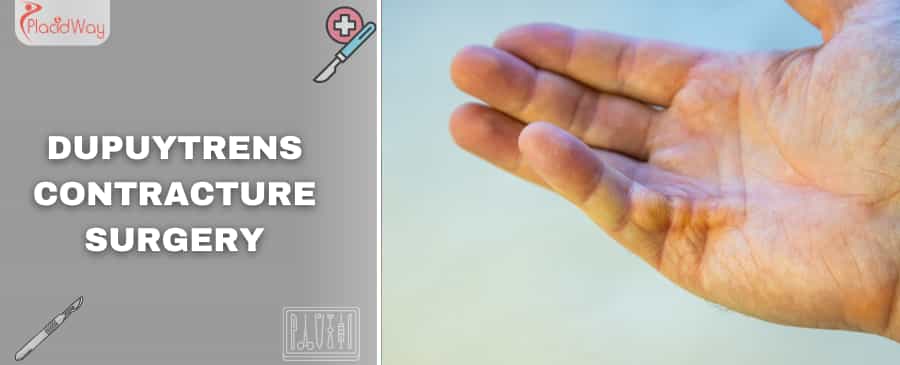
Regain Hand Function: A Guide to Dupuytren's Contracture Surgery Abroad
Are you experiencing difficulty straightening your fingers, or noticing stubborn knots and cords forming in your palm? These could be the signs of Dupuytren's Contracture, a progressive condition that can significantly impair hand function and quality of life. For many, simple daily tasks like shaking hands, putting on gloves, or even washing their face become challenging as their fingers pull inward.
Living with Dupuytren's can be frustrating and even painful. The thickened tissue, often described as a 'rope' beneath the skin, restricts movement and can lead to permanent contractures if left untreated. While it often starts subtly with a small nodule, it can progress, making surgical intervention a necessary step to reclaim full use of your hand.
If you're searching for "how to fix Dupuytren's hand" or "treatment for bent fingers," you're not alone. Many individuals find relief through various treatments, with surgery being a highly effective option for moderate to severe cases. Faced with high costs or long wait times in their home countries, an increasing number of patients are exploring Dupuytren's Contracture surgery abroad. This guide will walk you through everything you need to know, from symptoms and causes to treatment options, recovery, and the benefits of medical tourism for this specialized procedure.
What are the Symptoms of Dupuytren's Contracture?
Identifying the early signs of Dupuytren's Contracture is crucial for timely intervention. This condition often progresses slowly, and its symptoms can vary in severity. Patients commonly search for "Dupuytren's symptoms hand" or "what does Dupuytren's feel like."
- Nodules: The first sign is often one or more small, firm lumps or knots that appear under the skin in the palm, typically near the base of the ring or pinky finger. These nodules might initially feel tender but usually become painless.
- Cords: Over time, these nodules can thicken and extend, forming fibrous cords that run from the palm into the fingers. These cords are a hallmark of the condition and are what cause the fingers to bend.
- Finger Contracture: As the cords tighten, they pull the affected fingers (most commonly the ring and pinky fingers, but sometimes the middle finger and thumb) inward toward the palm. This makes it increasingly difficult or impossible to straighten the finger fully.
- Pitting or Dimpling: The skin over the affected area in the palm may become pitted, puckered, or dimpled due to the pulling of the underlying fibrous tissue.
- Functional Impairment: Difficulty performing daily tasks such as washing your face, putting on gloves, shaking hands, playing instruments, or gripping objects. Patients often search "hand stiffness Dupuytren's" or "difficulty extending fingers."
- Lack of Pain (Initially): Interestingly, Dupuytren's is often not painful in its early stages. Pain usually occurs if the nodules are pressed hard or if the skin cracks due to extreme contracture.
It's important to monitor these signs. If you can no longer lay your hand flat on a table, it's often an indicator that treatment, possibly surgery, should be considered.
What Causes Dupuytren's Contracture and Who is at Risk?
The exact "causes of Dupuytren's" are not fully understood, but it is primarily considered a genetic condition. It's not caused by injury or overuse, though trauma might sometimes trigger its onset in predisposed individuals. Patients often inquire, "is Dupuytren's hereditary?" or "what are Dupuytren's risk factors?"
Key factors and risks associated with Dupuytren's Contracture include:
- Heredity/Genetics: It frequently runs in families, indicating a strong genetic predisposition. If your parents or grandparents had it, your risk is significantly higher.
- Ancestry: People of Northern European (e.g., Scandinavian, Irish, English, Scottish, German) descent are more susceptible. It's sometimes referred to as "Viking disease."
- Gender: Men are more likely to develop Dupuytren's than women, and often experience more severe contractures.
- Age: The condition usually appears after the age of 40, with risk increasing with age.
- Medical Conditions:
- Diabetes: Individuals with diabetes have a higher risk.
- Epilepsy: There's a link between Dupuytren's and anti-seizure medications, particularly phenytoin.
- Thyroid Disease: Some studies suggest a connection.
- Lifestyle Factors:
- Smoking: Nicotine can affect blood flow and tissue health, contributing to the condition.
- Alcohol Consumption: Excessive alcohol intake has been linked to a higher risk.
- Occupational Factors: While not a direct cause, some studies suggest a possible, though controversial, link between repetitive hand trauma or vibration and Dupuytren's, especially in those already predisposed.
Understanding these risk factors can help in early identification, but prevention is challenging given the strong genetic component.
What Types of Treatments are Available for Dupuytren's Contracture?
When searching for "Dupuytren's treatment options" or "what are my options for bent fingers," patients will find a spectrum of approaches, chosen based on the severity of the contracture and individual patient factors.
1. Non-Surgical Management:
- Observation: For very mild cases with no significant contracture or functional impairment, a "wait-and-see" approach is often recommended. Stretching exercises or splinting are generally not effective in preventing progression but may be used post-procedure.
2. Minimally Invasive Procedures:
These are suitable for less severe contractures, often involving individual cords. They typically have shorter recovery times than open surgery but may have higher recurrence rates.- Needle Aponeurotomy (NA) / Percutaneous Needle Fasciotomy (PNF):
- Procedure: A fine needle is inserted through the skin to cut and weaken the Dupuytren's cord, allowing the finger to be straightened. It’s performed under local anesthesia.
- Pros: Quick, minimal incision, fast recovery. Patients often search "Dupuytren's needle release."
- Cons: Higher recurrence rate than open surgery, risk of nerve or tendon injury, not suitable for complex cases.
- Collagenase Injection (Xiaflex / Xiapex):
- Procedure: An enzyme called collagenase clostridium histolyticum is injected directly into the Dupuytren's cord. The enzyme breaks down the collagen in the cord, allowing the doctor to manipulate and straighten the finger the next day.
- Pros: Non-surgical, office-based procedure, less invasive. Patients often search "Dupuytren's collagenase treatment."
- Cons: Potential side effects like swelling, bruising, skin tears, and pain. Not suitable for all cords or severe cases. Recurrence is possible.
3. Surgical Procedures (Fasciectomy):
Considered the most definitive treatment for moderate to severe contractures, especially when multiple fingers are involved or cords are thick and extensive.- Limited Fasciectomy (Selective Fasciectomy):
- Procedure: This is the most common surgical approach. The surgeon makes an incision (often zig-zag shaped) in the palm and carefully removes only the diseased parts of the fascia (the thickened cords and nodules) while preserving healthy tissue.
- Pros: Offers the best chance for long-term correction and lower recurrence rates for suitable cases.
- Cons: Longer recovery, potential for scarring, infection, nerve damage, and stiffness.
- Dermofasciectomy:
- Procedure: For very severe or recurrent cases, especially where the skin is also involved, the surgeon removes the diseased fascia along with the overlying skin. The resulting skin defect is then covered with a skin graft (usually from the forearm or upper arm).
- Pros: Lowest recurrence rate, especially for aggressive disease.
- Cons: More extensive surgery, longer recovery, potential issues with skin graft healing.
The choice of treatment depends on various factors including the severity of the contracture, the affected fingers, the patient's overall health, and the surgeon's expertise. A thorough consultation is essential to determine the best approach for you.
Who is an Eligible Candidate for Dupuytren's Contracture Surgery?
Deciding "when to have Dupuytren's surgery" is a key consideration. Not everyone with Dupuytren's needs surgery. Mild cases often don't require intervention, but as the condition progresses and impacts daily life, surgery becomes a viable and often necessary option. Patients ask "am I candidate for Dupuytren's" or "Dupuytren's surgery criteria."
You may be considered an eligible candidate if:
- Functional Impairment: Your ability to perform everyday tasks (e.g., gripping, washing, dressing, typing) is significantly hindered by the bent finger(s).
- Table Top Test Positive: This is a common indicator. If you cannot place your hand flat on a table with your palm down, it suggests a significant contracture.
- Metacarpophalangeal (MCP) Joint Contracture: If the primary joint at the base of your finger is contracted by 30 degrees or more.
- Proximal Interphalangeal (PIP) Joint Contracture: If the middle joint of your finger is contracted to any degree, as PIP joint contractures are harder to correct.
- Pain or Discomfort: While often painless, if the contracture causes persistent pain or discomfort.
- Progression: The contracture is worsening over time, and non-surgical options are no longer effective or suitable.
- Overall Health: You are in good general health, capable of undergoing surgery and anesthesia, and have no uncontrolled medical conditions that would increase surgical risks (e.g., severe heart disease, uncontrolled diabetes).
- Realistic Expectations: You understand that while surgery aims to improve finger extension, it may not always result in a perfectly straight finger, especially with long-standing or severe contractures.
A hand surgeon will thoroughly evaluate your condition, discuss the various treatment options, and help you determine the most appropriate course of action based on your specific needs and the extent of the disease.
What is the Recovery Time and What Can I Expect After Dupuytren's Surgery?
Understanding "Dupuytren's surgery recovery" and "life after Dupuytren's surgery" is essential for managing expectations and committing to the rehabilitation process. Recovery is a journey, not an overnight event, and varies depending on the type of procedure and individual healing.
- Immediately After Surgery:
- Your hand will be bandaged, and often placed in a splint or cast to keep the fingers extended. This helps prevent the contracture from returning during initial healing.
- You will likely experience some pain, swelling, and bruising, which can be managed with prescribed pain medication.
- Elevation of the hand is crucial to reduce swelling.
- First Few Weeks (0-6 weeks):
- Wound Care: The surgical dressing will be changed, and sutures (if present) removed, usually within 1-2 weeks.
- Hand Therapy: This is arguably the most critical component of recovery. A certified hand therapist will guide you through exercises to improve range of motion, reduce stiffness, and strengthen your hand. This often begins within a few days to a week post-op.
- Splinting: You may continue to wear a custom-made splint, especially at night, for several weeks or months to maintain the straightened position of the fingers.
- Return to Light Activities: You can typically resume light, non-strenuous activities within 2-3 weeks, avoiding heavy lifting or gripping.
- Months 2-6:
- Continued Therapy: Hand therapy sessions will continue, focusing on strengthening and fine motor skills.
- Swelling Reduction: Swelling gradually subsides, though some minor swelling can persist for several months.
- Scar Management: Techniques like massage and silicone sheeting may be recommended to soften and flatten the scar.
- Return to Normal Activities: Most people can return to their regular work and hobbies within 2-4 months, depending on the demands of their activities and the extent of their surgery.
- Long-Term:
- Full recovery of strength and sensation can take up to a year.
- It's important to continue home exercises as advised by your therapist to maintain flexibility and prevent stiffness.
- While surgery can significantly improve finger extension, a perfectly straight finger may not always be achieved, especially if the contracture was severe or long-standing.
- The risk of recurrence exists, so ongoing self-monitoring is advised.
Adherence to your hand therapy program is paramount for achieving the best possible outcome and preventing stiffness or recurrence. Think of it like tuning a guitar – the surgery fixes the mechanism, but therapy ensures it plays beautifully.
What are the Risks and Side Effects of Dupuytren's Contracture Surgery?
While Dupuytren's Contracture surgery is generally safe and effective, it's important to be aware of the potential "risks of Dupuytren's surgery" and "Dupuytren's surgery complications." Your surgeon will discuss these thoroughly with you.
- General Surgical Risks (applicable to any surgery):
- Infection: Though rare, any incision carries a risk of bacterial infection.
- Bleeding: Excessive bleeding during or after surgery.
- Anesthesia Risks: Reactions to anesthesia.
- Scarring: While surgeons aim for minimal and aesthetically pleasing scars, some scarring is inevitable. Keloids or hypertrophic scars can occur.
- Specific Risks of Hand Surgery for Dupuytren's:
- Nerve Damage: The cords of Dupuytren's often intertwine with or lie very close to nerves. Damage can lead to numbness, tingling, or weakness in the affected finger or hand. This is a primary concern for patients searching "nerve damage Dupuytren's."
- Blood Vessel Damage: Injury to small arteries and veins can compromise blood flow to the finger.
- Stiffness: Despite surgery and therapy, some residual stiffness in the joints can occur, especially if the contracture was long-standing or severe.
- Incomplete Correction: It might not always be possible to achieve a completely straight finger, particularly with severe PIP joint contractures.
- Recurrence: Dupuytren's is a progressive disease, and the contracture can return months or years after treatment, sometimes in the same area or a new one. Recurrence rates vary depending on the procedure type.
- Complex Regional Pain Syndrome (CRPS): A rare but severe complication causing chronic pain, swelling, and changes in skin temperature/color.
- Skin Issues: With dermofasciectomy, risks include issues with skin graft healing, such as infection or graft failure.
- Swelling and Bruising: Common post-operative effects that can persist for several weeks.
Your surgeon will use meticulous techniques to minimize these risks. Choosing an experienced hand surgeon is crucial for reducing the likelihood of complications and optimizing outcomes. Following post-operative instructions, especially concerning hand therapy, is vital for a smooth recovery.
Worldwide Cost Comparison for Dupuytren's Contracture Treatment
One of the primary drivers for patients considering "affordable Dupuytren's surgery abroad" is the substantial cost difference. The "cost of Dupuytren's surgery" can be prohibitive in many Western countries, often not fully covered by insurance, or involving high deductibles and co-pays. Prices fluctuate based on the type of procedure (needle aponeurotomy vs. limited fasciectomy), the country, the clinic's reputation, the surgeon's fees, anesthesia, and post-operative care.
Here’s a general comparison of estimated costs for Dupuytren's Contracture treatment globally (prices are approximate and can vary widely):
| Country | Estimated Cost Range (USD) - Surgical (Fasciectomy) | Estimated Cost Range (USD) - Minimally Invasive (NA/Collagenase) |
|---|---|---|
| USA | $8,000 - $25,000+ | $3,000 - $8,000+ |
| UK | $7,000 - $15,000+ | $2,500 - $7,000+ |
| Canada | $6,000 - $18,000+ (if private) | $2,000 - $6,000+ (if private) |
| Germany | $7,000 - $15,000+ | $2,500 - $6,000+ |
| Turkey (Medical Tourism) | $3,000 - $8,000 | $1,500 - $4,000 |
| Mexico (Medical Tourism) | $3,500 - $8,500 | $1,800 - $4,500 |
| India (Medical Tourism) | $2,500 - $7,000 | $1,200 - $3,500 |
| Thailand (Medical Tourism) | $3,000 - $7,500 | $1,500 - $4,000 |
These figures often include the surgeon's fee, anesthesia, and facility costs, but may not cover pre-operative diagnostics, post-operative medication, hand therapy, or travel/accommodation expenses. Always request a detailed quote to understand what's included in the price.
Why Consider Dupuytren's Contracture Treatment Abroad?
The decision to seek "Dupuytren's medical tourism" is often driven by a combination of practical and personal factors. For many, it's a strategic choice to receive high-quality care without the typical barriers faced at home.
- Significant Cost Savings: As seen in the cost comparison, procedures abroad can be a fraction of the price in Western countries, making treatment accessible to those without extensive insurance coverage or with high out-of-pocket costs. Patients frequently search "save money on Dupuytren's surgery."
- Reduced Wait Times: In many countries, public healthcare systems have long waiting lists for specialized surgeries like Dupuytren's, leading to prolonged discomfort and further progression of the condition. Traveling abroad can mean immediate access to care.
- Access to Specialized Expertise: Some international clinics and hospitals are renowned for their expertise in hand surgery, employing world-class surgeons who perform these procedures regularly, often with advanced techniques.
- Privacy and Discretion: For some, undergoing a medical procedure away from home offers a level of privacy they appreciate.
- Comprehensive Packages: Many medical tourism providers offer all-inclusive packages that cover the procedure, accommodation, airport transfers, and sometimes even post-operative care, simplifying the travel and treatment process.
- Opportunity for a Healing Vacation: Combining treatment with a stay in a pleasant, often warmer environment can contribute positively to the psychological aspect of recovery, turning a medical necessity into a unique travel experience.
By choosing to go abroad, patients gain control over their healthcare journey, accessing timely, affordable, and expert treatment for their Dupuytren's Contracture.
Which Countries Offer the Best Value for Dupuytren's Contracture Surgery?
When searching for "best places for hand surgery abroad" or "affordable hand surgery destinations," several countries consistently stand out due to their combination of quality, expertise, and cost-effectiveness:
- Turkey: Istanbul and Ankara boast JCI-accredited hospitals with state-of-the-art facilities and highly trained hand surgeons. The cost-to-quality ratio is exceptionally favorable, and medical packages often include luxurious accommodations.
- Mexico: Especially popular for patients from the US and Canada, cities like Tijuana, Cancun, and Guadalajara offer proximity, competitive pricing, and a growing number of internationally accredited clinics with English-speaking staff and experienced specialists.
- India: A long-standing leader in medical tourism, India provides world-class healthcare at significantly lower costs. Major cities like Delhi, Mumbai, and Chennai have hospitals with advanced surgical departments specializing in hand and micro-surgery.
- Thailand: Known for its exceptional hospitality and modern medical facilities, Thailand (particularly Bangkok) offers excellent plastic and reconstructive surgery services, including hand surgery, often combined with a relaxing recovery environment.
- South Korea: Emerging as a top destination, especially for complex procedures, South Korea provides cutting-edge technology and highly skilled surgeons, often at prices more competitive than in the West.
- Eastern Europe (e.g., Poland, Hungary, Czech Republic): These countries offer quality European standards of care at lower costs than Western Europe, with many clinics catering specifically to medical tourists.
When selecting a destination, consider not just the price but also the clinic's accreditation, the surgeon's specific experience with Dupuytren's, patient reviews, and the ease of travel and communication.
What to Expect When Traveling for Dupuytren's Contracture Treatment Abroad?
Embarking on "medical travel for Dupuytren's" requires careful planning to ensure a smooth and stress-free experience. Here’s a general outline of what to expect:
- Pre-Trip Planning (1-3 months out):
- Research and Consultation: Work with a medical tourism facilitator like PlacidWay to identify suitable clinics and surgeons. You'll have initial remote consultations (video or phone) to discuss your condition, review medical records (x-rays, MRI scans), and get a personalized treatment plan and quote.
- Travel Logistics: Secure your passport and apply for any necessary visas. Book flights and accommodation (often arranged by the clinic or facilitator). Ensure you understand the duration of your stay – you'll need to remain in the country for post-operative checks and initial hand therapy.
- Financials: Understand the payment process, currency exchange, and what's included in your package.
- Medical Records: Compile all relevant medical documents, translated into English if necessary, to share with your international medical team.
- Arrival and Pre-Operative Phase (Days 1-3):
- Airport Transfer & Accommodation: Often, your facilitator or clinic will arrange airport pickup and transfer to your lodging.
- In-Person Consultation: You'll have a detailed physical examination and consultation with your surgeon to confirm the treatment plan, discuss any last-minute questions, and sign consent forms.
- Pre-Operative Tests: Blood tests, ECG, and other diagnostics will be performed to ensure you are fit for surgery.
- The Procedure Day:
- You'll check into the hospital or clinic. The surgery itself might last 1-2 hours depending on the complexity.
- Post-surgery, you'll be monitored in a recovery room before being discharged, usually the same day or the next.
- Post-Operative & Recovery Phase (1-4 weeks abroad):
- Follow-up Appointments: Regular check-ups with your surgeon to monitor healing, remove sutures, and manage pain/swelling.
- Hand Therapy: This is critical. You'll likely begin hand therapy sessions within days of surgery, guided by local specialists. Ensure your post-op care plan includes continued therapy upon your return home.
- Recovery Time: You'll need to remain in the country for a period, typically 1-4 weeks, to ensure initial healing is stable and you're cleared for travel. This is a time for rest and adherence to your rehabilitation program.
- Return Home:
- You'll receive detailed instructions for continued home care and ongoing hand therapy.
- Ensure you have a plan for follow-up care with your local physician or hand therapist.
Navigating these steps is easier with the support of a reputable medical tourism agency that can coordinate all aspects of your journey.
How to Ensure Safety and Quality for Dupuytren's Treatment Abroad?
Patient safety and treatment quality are paramount concerns when considering "safe medical tourism Dupuytren's." While cost savings are appealing, they should never compromise your well-being. Here's how to ensure you receive top-tier care:
- Choose Internationally Accredited Facilities: Look for hospitals and clinics that have received international accreditations, such as those from the Joint Commission International (JCI). This signifies adherence to rigorous patient safety and quality standards comparable to Western healthcare.
- Verify Surgeon Credentials and Experience:
- Research your surgeon's qualifications, board certifications, and experience specifically with Dupuytren's Contracture surgery.
- How many procedures do they perform annually? Are they members of relevant professional organizations (e.g., American Society for Surgery of the Hand, European Federation of Societies for Surgery of the Hand)?
- Ask for before-and-after photos or patient testimonials (with consent).
- Read Patient Reviews and Testimonials: Seek out unbiased reviews from previous international patients on independent platforms. This provides insight into their experience with the clinic, surgeon, and overall care quality.
- Ensure Clear Communication: The medical team should be able to communicate effectively in English (or your preferred language). Miscommunication can lead to errors or misunderstandings.
- Understand the Treatment Plan Fully: Before committing, ensure you understand the proposed procedure, potential risks, expected outcomes, and the full scope of costs. Ask about pre-operative diagnostics, post-operative care, and any necessary follow-ups once you return home.
- Inquire About Technology and Equipment: Modern operating rooms, diagnostic tools, and sterilization protocols are indicators of a high-quality facility.
- Consider a Reputable Medical Tourism Facilitator: Organizations like PlacidWay specialize in vetting clinics and surgeons, coordinating logistics, and acting as a liaison between you and the foreign medical team. They can provide an added layer of security and guidance, helping you avoid common pitfalls.
- Have a Contingency Plan: Understand what happens if complications arise or if you need extended care.
By conducting thorough due diligence and leveraging trusted resources, you can confidently navigate medical tourism for Dupuytren's treatment.
What are Patient Success Stories and Outcomes from Dupuytren's Treatment Abroad?
The true measure of successful Dupuytren's treatment lies in the patient's ability to regain hand function and improve their quality of life. For those who choose medical tourism, the outcomes are often profoundly positive, combining effective medical results with an overall rewarding experience.
Common "successful Dupuytren's treatment stories" from abroad highlight:
- Restored Hand Function: The primary goal of surgery is to straighten the affected fingers, allowing patients to fully extend their hand. Many patients report being able to perform tasks that were impossible before, such as holding objects, grasping tools, or simply laying their hand flat. "After my surgery in Turkey, I could finally shake hands without embarrassment," shared one patient.
- Return to Hobbies and Work: For many, Dupuytren's impacts beloved activities. A musician might regain the ability to play an instrument, an artist to hold a brush, or a mechanic to handle tools. John, a retired carpenter from the UK, shared, "My hand therapy after surgery in Mexico was intensive, but worth it. I can now garden without pain, something I thought I'd lost."
- Significant Pain Reduction: While often painless, severe contractures can cause discomfort or nerve compression. Successful treatment alleviates this, contributing to overall improved well-being.
- Enhanced Quality of Life: Beyond physical improvements, patients express immense relief and improved self-esteem. The frustration and self-consciousness associated with the bent fingers diminish, leading to a more active and fulfilling life.
- Positive Medical Tourism Experience: Many patients praise the efficiency, personalized care, and attentive service they receive in international clinics. The ability to access high-quality treatment quickly and affordably, often in a destination that doubles as a vacation spot, adds significant value to their journey.
- Expert Care Accessibility: Patients from countries with long waitlists often express gratitude for the timely access to highly skilled hand surgeons, preventing further progression of their condition.
These stories underscore the value proposition of medical tourism for Dupuytren's Contracture: effective, expert care that transforms lives, delivered efficiently and at an accessible price point, often with a cultural experience woven into the recovery journey.
Take the Next Step with PlacidWay
Ready to explore treatment options abroad? Discover top clinics, compare prices, and get a free quote tailored to your needs with PlacidWay.
Orthopedic Surgery Abroad, Knee Sugery Abroad





.png)



















Share this listing