
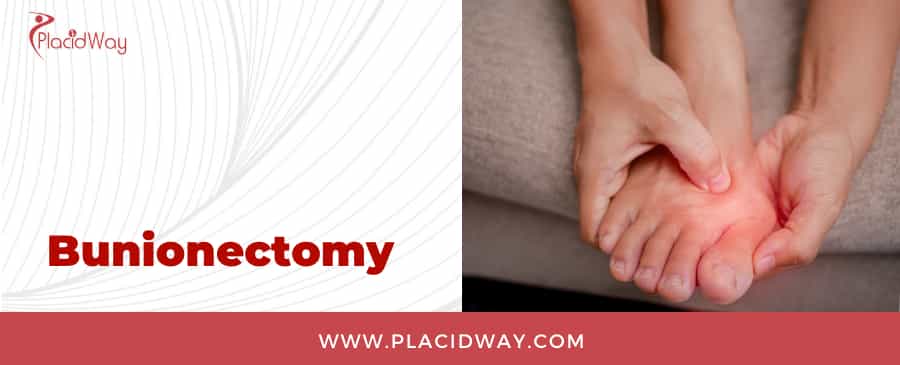
Step Towards Comfort: Your Guide to Bunionectomy Abroad
Are you experiencing persistent pain, swelling, or discomfort at the base of your big toe? Do your shoes feel increasingly tight, making even simple walks a challenge? You might be among the millions worldwide suffering from a bunion, also known as hallux valgus. This common foot deformity can significantly impact your quality of life, making every step a reminder of the underlying issue.
A bunion is essentially a bony bump that forms on the joint at the base of your big toe. It develops when your big toe pushes against your next toe, forcing the joint of your big toe to get bigger and stick out. Over time, this misalignment can lead to significant pain, stiffness, and even difficulty walking or finding comfortable footwear. While conservative treatments like wider shoes, padding, and pain medication can offer temporary relief, for many, surgical correction—a bunionectomy—becomes the most effective long-term solution.
For those looking to address their bunions comprehensively and affordably, considering bunionectomy abroad has become a popular and viable option. Medical tourism offers access to world-class surgeons, state-of-the-art facilities, and often significantly reduced costs compared to procedures in your home country. This guide will walk you through everything you need to know about bunionectomy, from understanding your symptoms and causes to exploring treatment types, recovery expectations, and why choosing a destination abroad might be your best step towards pain-free living.
What Are Bunions and What Are Their Symptoms?
A bunion, medically known as hallux valgus, is a progressive foot deformity where the metatarsophalangeal (MTP) joint at the base of the big toe becomes misaligned. The big toe drifts inward, pushing against the adjacent toes, while the head of the first metatarsal bone protrudes outward, creating a noticeable bump. Imagine your big toe trying to take over the space of its neighbor – that's essentially what's happening.
Recognizing the symptoms of a bunion is the first step towards seeking treatment. Patients often search for "bunion symptoms" or "what does a bunion look like" when they first notice changes in their feet. Here are the common signs:
- Visible Bony Bump: The most obvious symptom is a prominent protrusion on the outside of the base of your big toe.
- Pain and Soreness: This can range from a dull ache to sharp, throbbing pain, especially when walking or wearing shoes. Many describe it as "big toe joint pain."
- Redness and Swelling: The skin over the bunion can become inflamed, red, and swollen due to friction and pressure.
- Calluses or Corns: These often develop where the first and second toes rub together, or on the bottom of the foot due to altered weight distribution.
- Limited Movement: Stiffness in the big toe, making it difficult to bend or straighten.
- Difficulty Wearing Shoes: Finding shoes that fit comfortably becomes challenging, as the bunion rubs against the shoe material, exacerbating pain.
- Toe Deformity: The big toe may overlap or underlap the second toe, leading to further complications and discomfort.
What Causes Bunions and Who Is At Risk?
Understanding the "bunion causes" can help in prevention and effective treatment. While it's commonly thought that tight shoes cause bunions, they are often a contributing factor rather than the sole cause. The primary culprit is often an inherited structural defect in the foot, making some individuals more prone to developing them.
Here’s a closer look at the causes and risk factors:
- Inherited Foot Mechanics: This is the most significant factor. If you have inherited an unstable foot structure, abnormal foot shape, or certain types of flat feet, you're more likely to develop bunions. Patients often wonder, "are bunions hereditary?" The answer is often yes, in terms of predisposition.
- Ill-Fitting Footwear: While not the root cause, shoes that are too tight, too narrow, or have high heels can significantly accelerate bunion development and worsen symptoms. They squeeze the toes together, putting pressure on the big toe joint. This answers the common question, "can shoes cause bunions?" – they can certainly exacerbate them.
- Foot Injuries: Trauma to the foot can sometimes lead to bunion formation or worsen existing ones.
- Inflammatory Conditions: Certain types of arthritis, such as rheumatoid arthritis, can cause joint inflammation and instability, increasing the risk of bunions.
- Neuromuscular Conditions: Conditions like polio or Charcot-Marie-Tooth disease can affect foot muscle balance and lead to deformities.
Who is at risk?
- Women: Women are far more likely to develop bunions than men, partly due to footwear choices and inherent ligamentous laxity.
- Age: The prevalence of bunions increases with age.
- Family History: If your parents or grandparents had bunions, your risk is higher.
What Are the Different Types of Bunionectomy Procedures?
When conservative treatments fail to provide relief, surgery becomes an option. There isn't a single "bunion surgery method"; rather, there are various "types of bunion surgery," tailored to the individual's specific deformity and severity. Your surgeon will determine the most appropriate technique. Patients often search for "minimally invasive bunionectomy" or "bunion surgery techniques" to understand their options.
The main goals of bunionectomy are to remove the bony bump, correct the alignment of the big toe, and alleviate pain. Here are some common procedures:
- Exostectomy (Bunionectomy without Osteotomy): This is the simplest procedure, involving only the removal of the bony prominence (the "bunion" itself). It's typically used for very mild bunions where the big toe joint itself isn't significantly misaligned. It's often combined with other procedures.
- Osteotomy: This is the most common type of bunion surgery and involves cutting and realigning bones in the big toe or foot. Different types of osteotomies include:
- Chevron Osteotomy: A V-shaped cut made in the head of the first metatarsal bone, allowing it to be shifted to correct the alignment. Best for mild to moderate bunions.
- Scarf Osteotomy: An elongated Z-cut, often used for moderate to severe bunions, allowing for greater stability and correction.
- Ludloff Osteotomy: An oblique cut through the first metatarsal bone, offering good rotational correction.
- Proximal Osteotomy (e.g., Mau Osteotomy): Cuts made closer to the ankle, often for more severe bunions.
- Arthrodesis: This involves fusing the bones of the MTP joint, making it rigid. It's typically reserved for severe bunions, bunions caused by arthritis, or failed previous bunion surgeries.
- Lapidus Procedure (First Tarsometatarsal Arthrodesis): This technique addresses the root cause of many bunions by fusing the joint at the base of the first metatarsal, correcting the instability that leads to the bunion. It's effective for very unstable or severe bunions.
- Minimally Invasive Bunion Surgery: Using small incisions and specialized instruments, this approach aims to reduce tissue damage, scarring, and recovery time. While appealing, it's not suitable for all bunion types and requires a highly skilled surgeon.
Am I an Ideal Candidate for Bunion Removal Surgery?
Deciding to undergo bunionectomy is a significant step, and it's natural to wonder, "who needs bunion surgery?" or "when to get bunion surgery?" The decision isn't solely based on the size of your bunion but rather on the degree of pain and functional limitation it causes. Patients often search "am I eligible for bunion surgery" to understand the criteria.
You might be an ideal candidate for bunion removal surgery if:
- Conservative Treatments Have Failed: You've tried non-surgical methods like wearing wider shoes, using shoe inserts (orthotics), padding, medications, and physical therapy for at least several months, and they haven't provided adequate relief from pain.
- Persistent Pain: You experience chronic pain in your big toe joint, even when resting, or pain that interferes with daily activities like walking, exercising, or wearing regular shoes.
- Significant Deformity: The bunion is causing significant structural changes, such as the big toe overlapping or underlapping other toes, leading to secondary issues like corns or hammertoes.
- Inflammation and Swelling: You frequently experience redness, swelling, or tenderness around the big toe joint.
- Functional Limitations: The bunion significantly limits your mobility or ability to participate in activities you enjoy.
- Good Overall Health: You are in good general health, without uncontrolled medical conditions that could complicate surgery or recovery (e.g., severe diabetes, circulatory problems, active infections).
- Realistic Expectations: You understand the procedure, potential outcomes, risks, and recovery process.
It’s important to note that bunion surgery is generally not recommended for purely cosmetic reasons or if your bunion isn't causing significant pain or functional problems. A thorough consultation with an orthopedic surgeon or podiatrist is crucial to determine if bunionectomy is right for you.
What is the Recovery Time and What Can I Expect After Bunionectomy?
One of the most common concerns for patients considering surgery is "bunion surgery recovery time" and "what to expect after bunionectomy." Recovery is a gradual process and can vary significantly depending on the type of surgery performed, your overall health, and how diligently you follow post-operative instructions. While initial healing might be relatively quick, full recovery can take several months.
Here’s a general timeline and what you can expect:
- Immediately After Surgery (First few days):
- Pain Management: You will experience pain, which will be managed with prescribed medication.
- Swelling and Bruising: This is normal. Elevating your foot and applying ice packs will help.
- Dressing and Splint: Your foot will be bandaged and possibly in a splint or surgical shoe to protect the repair.
- Limited Weight-Bearing: Depending on the procedure, you may need to use crutches or a knee scooter and avoid putting weight on the operated foot for several weeks. Patients often ask about "walking after bunion surgery," and it's typically restricted initially.
- First 2-6 Weeks:
- Surgical Shoe/Boot: You'll transition to a post-operative shoe or walking boot designed to protect your foot and allow partial weight-bearing.
- Stitches Removal: Usually around 2-3 weeks post-op.
- Physical Therapy: Your doctor may recommend gentle exercises to improve mobility and strength.
- Swelling: May persist, especially at the end of the day.
- 2-6 Months:
- Return to Regular Shoes: Gradually transition back to comfortable, wider shoes. High heels and narrow shoes should be avoided for several months.
- Increased Activity: You'll slowly increase your activity level, but strenuous activities or high-impact sports might still be restricted.
- Persistent Swelling: Mild swelling can last for up to six months or even a year, particularly after activity.
- Full Recovery (6-12 Months):
- Your bones will be fully healed, and your foot strength and range of motion should be significantly improved.
- It's important to continue wearing supportive footwear and monitoring your foot.
Adhering to "bunionectomy post-op care" instructions is paramount for a successful outcome.
What Are the Risks and Potential Side Effects of Bunionectomy?
While bunionectomy is generally safe and highly effective, it's crucial to be aware of the "bunion surgery risks" and potential side effects. Patients often search "is bunion surgery safe" or "complications of bunionectomy" to understand these possibilities. Discussing these with your surgeon before making a decision is essential.
Potential risks and side effects include:
- Infection: Any surgery carries a risk of infection, although antibiotics are often given to minimize this.
- Nerve Damage: Nerves around the surgical site can be damaged, leading to numbness, tingling, or even persistent pain.
- Stiffness: The big toe joint may become stiffer than before, limiting range of motion.
- Persistent Pain: While the goal is pain relief, some patients may still experience discomfort after surgery, or even a new type of pain.
- Bunion Recurrence: In some cases, the bunion can return, especially if the underlying cause (e.g., foot mechanics) is not fully addressed or if improper footwear is resumed.
- Overcorrection or Undercorrection: The big toe may be straightened too much or not enough, leading to new problems.
- Delayed or Non-Union of Bones: The bones may take longer than expected to heal or may not fuse properly (especially after an osteotomy).
- Scarring: Visible scarring is inevitable, though surgeons strive to make incisions as inconspicuous as possible.
- Swelling: Persistent swelling is common and can last for several months.
- Hardware Complications: If screws, plates, or wires are used, they can sometimes cause irritation and may need to be removed in a subsequent procedure.
- Complex Regional Pain Syndrome (CRPS): A rare but severe chronic pain condition that can affect the foot.
- Blood Clots: A risk with any surgery, though less common in foot surgery.
It's important to weigh these risks against the benefits of alleviating chronic bunion pain and improving foot function.
Worldwide Bunionectomy Cost Comparison
For many, the "bunion surgery cost" is a major deciding factor. The price of bunionectomy can vary dramatically based on location, the complexity of the procedure, the surgeon's fees, anesthesia, hospital stay, and post-operative care. Patients often search "how much does bunion surgery cost" or "affordable bunion removal" to explore options.
Here’s a general comparison of bunionectomy costs (per foot, estimated ranges in USD, non-insured) in various countries. These are approximations and can change, so always get a personalized quote.
| Country | Estimated Cost (USD) | Notes |
|---|---|---|
| United States | $8,000 - $15,000+ | High costs, often depends on insurance coverage and facility. |
| United Kingdom | $6,000 - $12,000+ (£5,000 - £10,000) | Private sector costs; NHS wait times can be long. |
| Canada | $7,000 - $14,000+ (CAD equivalent) | Similar to US, longer wait times for public healthcare. |
| Mexico | $2,500 - $5,000 | Popular for US patients, quality facilities, proximity. |
| Turkey | $3,000 - $6,000 | Excellent healthcare infrastructure, competitive pricing. |
| India | $2,000 - $4,500 | Very cost-effective, world-renowned surgeons. |
| Thailand | $3,500 - $6,000 | Combines medical care with a popular tourist destination. |
These figures highlight why "bunion surgery overseas" is an attractive option for significant cost savings.
Why Consider Bunionectomy Abroad?
The decision to seek medical treatment outside your home country, especially for a procedure like bunionectomy, is becoming increasingly popular. Many patients actively search for "bunion surgery overseas" or "medical tourism for bunions" due to compelling advantages:
- Significant Cost Savings: As seen in the cost comparison, the most prominent reason is often the substantial reduction in price, often 50-80% less than in Western countries, without compromising quality. This makes treatment accessible to those who might otherwise struggle to afford it.
- Shorter Wait Times: In many public healthcare systems (like the UK or Canada), elective surgeries can involve long waiting lists. Traveling abroad can mean getting your procedure done much faster, preventing further pain and progression of the condition.
- Access to Specialized Care: Medical tourism destinations often boast highly skilled surgeons, many of whom have international training and experience with advanced techniques. These facilities are often state-of-the-art, equipped with the latest technology.
- Integrated Travel Experience: For many, the journey isn't just about surgery; it's also an opportunity to recover in a serene environment, perhaps even incorporating some light tourism before or after the intensive recovery phase. Think of it as a "recovery vacation."
- Privacy and Discretion: Some individuals prefer the anonymity and discretion that medical travel can offer.
- All-Inclusive Packages: Many international clinics and medical tourism facilitators (like PlacidWay) offer comprehensive packages that include accommodation, transport, translator services, and post-operative care, simplifying the entire process.
These "benefits of bunion surgery abroad" collectively make a strong case for exploring international options.
Which Countries Offer the Best Value for Bunion Surgery?
When searching for "best countries for bunion surgery" or "top medical tourism destinations for bunions," several nations consistently rise to the top, offering a compelling blend of quality, cost-effectiveness, and patient-centric services:
- Mexico: Especially popular for North American patients due to proximity. Mexico offers modern hospitals, US-trained surgeons, and significant cost savings. Cities like Tijuana, Cancun, and Guadalajara are well-known medical hubs.
- Turkey: An emerging leader in medical tourism, particularly strong in orthopedic surgeries. Turkey boasts numerous JCI-accredited hospitals, highly experienced surgeons, and competitive pricing, especially in Istanbul and Antalya.
- India: A long-established medical tourism destination, known for its world-class medical professionals and advanced facilities at highly competitive prices. Major cities like Delhi, Mumbai, and Bangalore have excellent orthopedic centers.
- Thailand: Combining high-quality medical care with a vibrant tourism industry, Thailand offers an attractive package. Hospitals in Bangkok and Phuket are internationally recognized for their standards and patient services.
- South Korea: Renowned for its cutting-edge technology and highly skilled medical staff, South Korea offers excellent orthopedic care. While potentially pricier than other Asian options, it still provides good value compared to Western countries.
- Costa Rica: Another excellent option for North American patients, known for its beautiful recovery environment and high standard of care.
These countries prioritize patient safety and satisfaction, with many facilities holding international accreditations, making them reliable choices for your bunionectomy.
What to Expect When Traveling for Bunion Surgery Abroad?
Embarking on "traveling for bunion surgery" requires careful planning. While the idea might seem daunting, it's a well-trodden path for thousands of patients annually. Patients often search for "medical tourism process" or "planning bunion surgery abroad" to get an idea of the journey. Here’s a general overview of what to expect:
- Initial Consultation and Medical Records: You’ll typically start with an online consultation, sharing your medical history, X-rays, and current symptoms. The foreign surgeon will review your case and recommend a treatment plan, including the specific bunionectomy procedure.
- Travel Planning:
- Visa and Passport: Ensure your passport is valid and check if you need a visa for your chosen destination.
- Flights and Accommodation: Book your flights, considering your recovery period. Arrange for suitable accommodation, often close to the hospital, for both pre- and post-operative stays.
- Medical Tourism Facilitator: Companies like PlacidWay specialize in managing these logistics, including transfers, interpreters, and accommodation, simplifying your journey.
- Pre-Operative Appointments: Upon arrival, you’ll have in-person consultations with your surgeon, undergo pre-operative tests, and receive detailed instructions.
- The Procedure: The bunionectomy will be performed as planned. You'll typically stay in the hospital for a day or two, depending on the complexity of the surgery.
- Post-Operative Care and Recovery: This is a critical phase. You will receive wound care, pain management, and instructions on mobilization (crutches, surgical shoe). You’ll likely need to stay in the destination country for 1-3 weeks for initial recovery and follow-up appointments before being cleared to fly home.
- Return Home and Continued Recovery: Once home, continue following your surgeon’s instructions, including physical therapy exercises. Your local doctor can handle ongoing "bunionectomy post-op care" and monitor your progress.
How to Ensure Safety and Quality for Bunionectomy Abroad?
Ensuring "safe bunion surgery abroad" and high-quality care is paramount. While the cost savings are appealing, never compromise on safety. Diligent research is key. Patients often ask, "how do I choose a bunion surgeon abroad" or "what are accredited hospitals overseas?"
Here’s how to do your due diligence:
- Look for International Accreditations: Prioritize hospitals with international accreditations like Joint Commission International (JCI). This signifies that the facility meets rigorous international standards for patient safety and quality of care, similar to those in the US.
- Verify Surgeon Qualifications and Experience:
- Board Certification: Ensure your surgeon is board-certified in orthopedic surgery or podiatry.
- Experience: Ask about their specific experience with bunionectomies, the number of procedures they perform annually, and their success rates.
- International Training: Many top international surgeons have trained in Western countries.
- Check Facility Standards: Research the hospital's infrastructure, technology, and hygiene protocols. Many reputable hospitals showcase virtual tours or detailed descriptions of their facilities online.
- Read Patient Reviews and Testimonials: Look for independent reviews from previous international patients. Websites specializing in medical tourism often feature patient stories and ratings.
- Communicate Clearly: Ensure there’s clear communication, ideally with an interpreter if there’s a language barrier. All your questions about the procedure, risks, and recovery should be answered thoroughly.
- Utilize Medical Tourism Facilitators: Reputable companies like PlacidWay vet clinics and surgeons, provide transparent information, and help you navigate the entire process, including verifying credentials and coordinating care. This adds an extra layer of security and convenience.
- Understand the Package: Get a clear, written quote that outlines everything included (surgery, anesthesia, hospital stay, medications, follow-ups) and what is not.
What Are Patient Success Stories from Bunionectomy Abroad?
The true measure of any medical procedure lies in the patient outcomes. For those considering "bunion surgery abroad reviews" and looking for reassurance, countless success stories highlight the positive impact of international bunionectomy.
Imagine:
- Sarah, from the UK, had been struggling with chronic bunion pain for years, limiting her ability to enjoy walks with her grandchildren. Facing a long wait on the NHS and prohibitive private costs, she chose a clinic in Turkey. "The process was seamless," she recounts. "From the airport pick-up to the post-op care, everything was handled professionally. Now, six months later, I can wear comfortable shoes and walk for miles without a second thought. It's truly life-changing."
- Mark, a US citizen, found that his bunions made his favorite hobbies like hiking almost impossible. After discovering the high costs at home, he opted for surgery in Mexico. "I was a bit nervous initially," Mark shared, "but the facility was top-notch, and the surgeon was excellent. Not only did I save thousands of dollars, but I received fantastic care. My foot feels better than it has in decades, and I'm back on the trails."
- Elena, from Canada, experienced debilitating pain that prevented her from wearing anything but oversized sneakers. After a bunionectomy in India, she wrote, "The hospital in Bangalore was incredibly modern, and the nursing staff was so attentive. My recovery was managed perfectly, and I'm now able to wear fashionable shoes again, which feels like a small miracle. I'm so grateful for the affordable, high-quality solution I found abroad."
These stories underscore a common theme: patients traveling abroad for bunionectomy often achieve excellent clinical results, profound pain relief, improved foot function, and ultimately, a significantly enhanced quality of life. The combination of expert medical care, efficient service, and cost-effectiveness makes these experiences truly successful.
Take the Next Step with PlacidWay
Ready to explore treatment options abroad? Discover top clinics, compare prices, and get a free quote tailored to your needs with PlacidWay.
Orthopedic Surgery Abroad, Knee Sugery Abroad




.png)






.png)
.png)

.png)












Share this listing