
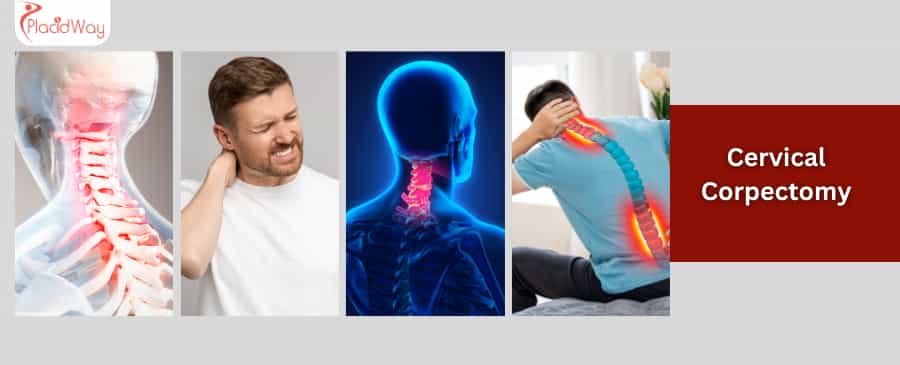
Finding Lasting Relief: Understanding Cervical Corpectomy for Neck & Spinal Cord Health
Living with chronic neck pain, weakness, or numbness radiating into your arms and legs can be debilitating, profoundly impacting your daily life. When these symptoms are caused by severe compression of your spinal cord or nerve roots in the neck – often due to degenerative conditions, bone spurs, or herniated discs – conventional treatments may no longer be enough. This is where a procedure like Cervical Corpectomy comes into consideration. It's a specialized spinal surgery designed to create space for your nerves and spinal cord, offering a path to significant relief and improved function.
Understanding such an intricate procedure, its benefits, risks, and recovery can be overwhelming, especially when you're exploring options for the best care, potentially even abroad. This guide aims to demystify Cervical Corpectomy, detailing everything from the symptoms that might signal its need to what you can expect during recovery and why many patients choose to pursue this life-changing treatment through medical tourism. Our goal is to empower you with knowledge, helping you make informed decisions about your spinal health.
What symptoms indicate you might need a Cervical Corpectomy?
If you're searching for "why do my hands feel clumsy" or "difficulty walking neck problem," you might be experiencing symptoms of cervical myelopathy or radiculopathy, which are often addressed by a Cervical Corpectomy. This procedure is typically recommended when conservative treatments have failed to alleviate severe symptoms arising from spinal cord or nerve root compression. Here are the common indicators:
- Chronic, Severe Neck Pain: Persistent pain that may radiate down into the shoulders, arms, or even hands. This isn't just a stiff neck; it's often a deep, aching, or burning sensation.
- Numbness or Tingling (Paresthesia): A pins-and-needles sensation, often in the hands, arms, or fingers, but sometimes extending to the legs and feet. This indicates nerve irritation.
- Weakness in Limbs: Progressive loss of strength in the arms, hands, or legs, making everyday tasks like gripping objects, lifting, or walking difficult. Patients might describe dropping things frequently or feeling "unsteady."
- Balance and Gait Disturbances: Difficulty maintaining balance, stumbling, or an altered walking pattern (ataxic gait), which can significantly increase the risk of falls.
- Loss of Fine Motor Skills: Challenges with precise hand movements, such as buttoning a shirt, writing, or picking up small objects.
- Bowel or Bladder Dysfunction: In severe cases of spinal cord compression, some individuals may experience changes in bladder or bowel control, indicating a more urgent need for intervention.
- Lhermitte's Sign: An "electric shock" sensation that travels down the spine or into the limbs when the neck is bent forward.
These symptoms, especially if worsening or significantly impacting quality of life, warrant a thorough medical evaluation to determine the underlying cause and appropriate treatment.
What are the common causes and risk factors leading to Cervical Corpectomy?
Patients often search for "what causes severe neck pain and arm weakness" or "bone spurs in neck treatment." These searches point to conditions that frequently necessitate a Cervical Corpectomy. The procedure is typically a last resort for chronic and severe compression. Here are the main culprits:
- Cervical Spinal Stenosis: This is a narrowing of the spinal canal in the neck, which puts pressure on the spinal cord and nerves. It's often caused by:
- Degenerative Disc Disease: As discs age, they lose water content, shrink, and become stiff. This can lead to disc bulging or herniation.
- Osteophytes (Bone Spurs): The body's natural response to disc degeneration can be to grow bone spurs along the edges of the vertebrae, further encroaching on the spinal canal.
- Ligament Thickening: Ligaments within the spine can thicken and harden over time, contributing to stenosis.
- Large Herniated Discs: While smaller herniations might be managed differently, a large disc herniation in the cervical spine can cause acute, severe compression.
- Vertebral Fractures or Trauma: Injuries that damage a vertebral body and push bone fragments into the spinal canal.
- Spinal Tumors: Growths within or around the vertebral body can compress the spinal cord.
- Infection: Rare, but severe infections can damage vertebral bodies.
Risk factors that can accelerate these conditions include age, genetics, repetitive neck movements (certain occupations), poor posture, and previous neck injuries.
What types of procedures are available to treat severe cervical spinal compression?
When searching for "multi-level spinal fusion neck" or "anterior cervical surgery," you're likely exploring advanced spinal decompression techniques. While several surgeries exist to relieve spinal cord compression, Cervical Corpectomy stands out for specific, more severe cases:
- Anterior Cervical Discectomy and Fusion (ACDF): The most common cervical spine surgery. It involves removing a damaged disc (discectomy) and fusing the vertebrae above and below the removed disc. It's effective for one or two-level compression caused primarily by disc herniation or bone spurs.
- Laminectomy/Laminoplasty: Performed from the back of the neck, these procedures remove or reshape the lamina (the bony arch on the back of the vertebra) to create more space for the spinal cord. They are often used for multi-level compression that is more posterior.
- Cervical Corpectomy: This procedure is more extensive than ACDF. It involves removing not just a disc, but an entire vertebral body (corpectomy) and the discs above and below it. This allows for decompression of the spinal cord or nerve roots over multiple levels or when the compression is specifically from the vertebral body itself (e.g., severe bone spurs, trauma, tumor). After removal, a bone graft (from the patient or a donor) or a specialized cage is inserted into the space, and a plate with screws is used to stabilize the cervical spine, promoting fusion.
The choice between these procedures depends on the exact location, extent, and cause of the compression, as determined by detailed imaging and clinical evaluation.
Who is eligible for a Cervical Corpectomy and when is it recommended?
If you're asking "when is neck surgery needed" or "indications for corpectomy," you're looking for precise criteria. Cervical Corpectomy is a major surgical intervention, and as such, it's reserved for specific situations where other treatments are unlikely to be effective. You might be a candidate if you meet these conditions:
- Diagnosed Cervical Myelopathy or Radiculopathy: Clear evidence from MRI or CT scans showing significant compression of the spinal cord or nerve roots in the cervical region, often involving the vertebral body itself.
- Progressive Neurological Deficits: Worsening symptoms like increasing weakness, numbness, balance issues, or loss of fine motor skills.
- Failure of Conservative Treatments: You've undergone a course of non-surgical treatments (e.g., physical therapy, medication, injections) for at least 6-12 weeks without significant improvement.
- Multi-Level Compression: The compression extends over multiple vertebral levels, or the primary cause of compression originates from the vertebral body itself, making a simple discectomy insufficient.
- Good General Health: Patients should be medically stable enough to undergo a complex surgery and tolerate anesthesia.
A thorough evaluation by a spine surgeon, including a physical exam and review of imaging, is crucial to determine if Cervical Corpectomy is the most appropriate and safest option for your condition.
What is the typical recovery time and what should I expect after Cervical Corpectomy?
Understanding "Cervical Corpectomy recovery timeline" and "life after neck fusion surgery" is essential for preparing for this significant procedure. Recovery is a gradual process that requires patience and adherence to your surgeon's instructions:
- Immediate Post-Op (Hospital Stay):
- You'll typically stay in the hospital for 3 to 7 days.
- Pain management will be provided.
- You'll likely wear a soft or rigid neck brace to support your spine and limit movement, promoting fusion.
- Early mobilization (walking short distances) is encouraged soon after surgery to prevent complications.
- First Few Weeks at Home:
- Continue wearing your neck brace as advised.
- Activity will be restricted; avoid lifting, twisting, bending your neck, and strenuous activities.
- You'll likely experience pain and stiffness at the incision site and potentially in your throat (due to the anterior approach).
- Gradual return to light daily activities, but no driving until cleared by your doctor.
- Physical Therapy (Weeks to Months):
- Once the initial healing phase passes and fusion starts, your surgeon may recommend physical therapy.
- Therapy focuses on strengthening neck and shoulder muscles, improving posture, and carefully increasing range of motion.
- Full Recovery:
- Bone fusion can take 3 to 6 months, and complete healing can extend up to a year.
- Neurological symptoms (numbness, weakness) often improve gradually over time, but some pre-existing damage may not fully reverse.
- Regular follow-up appointments with your surgeon are crucial to monitor fusion progress and overall recovery.
It's important to set realistic expectations; while the surgery aims for significant symptom relief and improved function, complete elimination of all pre-existing pain or deficits is not always guaranteed.
What are the potential risks and side effects of Cervical Corpectomy surgery?
Patients often search for "Cervical Corpectomy complications" or "risk of paralysis neck surgery" because it's natural to be concerned about potential adverse outcomes. While Cervical Corpectomy is generally safe and effective, like any major surgery, it carries inherent risks:
- Anesthesia Risks: Reactions to medication, breathing problems.
- Infection: At the incision site or within the spine, potentially requiring antibiotics or further surgery.
- Bleeding: Hematoma formation, which may require drainage.
- Nerve Damage:
- Recurrent Laryngeal Nerve Palsy: Can cause temporary or, rarely, permanent hoarseness or voice changes.
- Esophageal Injury: Can lead to swallowing difficulties (dysphagia).
- Spinal Cord or Nerve Root Injury: Though rare, this is the most feared complication and can result in new or worsened weakness, numbness, or even paralysis.
- Cerebrospinal Fluid (CSF) Leak: Damage to the dura (the membrane covering the spinal cord) can cause a leak of spinal fluid.
- Non-Union or Pseudoarthrosis: The bone graft fails to fuse with the vertebrae, potentially requiring another surgery.
- Hardware Complications: The plate or screws can shift, break, or cause irritation.
- Adjacent Segment Disease: Over time, the discs above or below the fused segment may experience increased stress, leading to new degenerative changes and symptoms.
- Chronic Pain: While the surgery aims to relieve pain, some patients may experience persistent pain.
Your surgeon will discuss these risks in detail, weigh them against the potential benefits, and take all necessary precautions to minimize their occurrence.
How does the cost of Cervical Corpectomy compare worldwide?
Many patients search for "Cervical Corpectomy cost abroad" or "affordable neck surgery overseas" due to the high costs in their home countries. Medical tourism offers a compelling solution, providing access to high-quality care at a fraction of the price. The cost difference can be substantial, influencing a patient's decision to travel. Here's a general comparison:
| Country | Estimated Cost (USD) | Notes on Cost Factors |
|---|---|---|
| United States | $60,000 - $100,000+ | High healthcare infrastructure costs, surgeon fees, hospital stay, implants. |
| Canada | $40,000 - $70,000+ | Often covered by public healthcare, but long wait times for uninsured or international patients. |
| United Kingdom | $45,000 - $80,000+ | Similar to the US for private care; NHS has waiting lists. |
| Mexico | $18,000 - $30,000 | Popular for proximity to the US, accredited facilities, experienced surgeons. |
| Costa Rica | $15,000 - $28,000 | Known for excellent medical infrastructure and highly trained professionals. |
| India | $12,000 - $25,000 | Highly competitive pricing, world-class JCI-accredited hospitals, advanced technology. |
| Turkey | $15,000 - $28,000 | Emerging medical tourism hub with modern facilities, skilled surgeons, and strategic location. |
| South Korea | $20,000 - $35,000 | Excellent medical technology and outcomes, but slightly higher costs than other Asian destinations. |
These figures are estimates and can vary based on the complexity of the case, the specific hospital and surgeon, the type of implants used, length of hospital stay, and included pre/post-operative care. Facilitators like PlacidWay can provide detailed, all-inclusive quotes.
Why should I consider traveling abroad for a Cervical Corpectomy?
For patients searching for "medical tourism for spine surgery" or "benefits of overseas medical treatment," the decision to travel abroad for Cervical Corpectomy often stems from a combination of compelling factors:
- Significant Cost Savings: As seen in the cost comparison, the financial difference can be enormous, making life-changing surgery accessible to those who might otherwise be unable to afford it.
- Reduced Waiting Times: In many countries with public healthcare systems, waiting lists for elective (though sometimes critical) surgeries like Cervical Corpectomy can be months or even years long. Traveling abroad allows for quicker access to treatment.
- Access to Specialized Care: Some international hospitals boast state-of-the-art facilities, advanced technology, and surgeons who specialize in complex spinal procedures, offering a high level of expertise.
- Privacy and Anonymity: For some, undergoing a major medical procedure away from their home country provides a sense of privacy.
- Bundled Packages: Many medical tourism providers offer all-inclusive packages that cover surgery, hospital stay, accommodation, and sometimes even travel coordination, simplifying the process.
- Combine Treatment with Recovery: The opportunity to recover in a different, often more relaxing and private environment, away from the stresses of daily life, can be beneficial for healing.
What should I expect when traveling for a Cervical Corpectomy abroad?
If you're looking for "how to plan medical travel for spine surgery" or "international patient services," you're seeking a clear roadmap for your journey. Traveling for a major surgery like Cervical Corpectomy requires careful planning and coordination. Here’s what you can generally expect:
- Initial Consultation & Evaluation: You'll typically start by sharing your medical records (MRI/CT scans, doctor's reports) with an international patient coordinator or facilitator (like PlacidWay). They'll connect you with qualified surgeons abroad for a remote consultation.
- Treatment Plan & Quote: Once a surgeon reviews your case, you'll receive a detailed treatment plan, including the recommended procedure, duration of stay, and an all-inclusive cost estimate.
- Travel and Logistics Arrangement: Your facilitator will assist with visa applications, booking flights, arranging airport transfers, and securing accommodation (both pre-op and post-op, if needed) for you and a companion.
- Pre-Operative Care: Upon arrival, you'll undergo thorough pre-operative examinations, blood tests, and consultations with your surgical team.
- The Procedure & Hospital Stay: After surgery, you'll be monitored closely in the hospital for several days, receiving pain management and initial physical therapy if prescribed.
- Post-Operative Recovery: After discharge, you'll likely stay in a nearby hotel or recovery facility for a period (often 1-2 weeks or more, depending on the surgery and individual recovery) to attend follow-up appointments and receive initial rehabilitation.
- Return Travel: Your facilitator will help coordinate your safe return home, providing necessary medical reports for your local doctors and any required medical clearance for flying.
- Follow-up Care: Post-operative instructions for ongoing recovery and rehabilitation will be provided for your care back home.
A reputable medical tourism facilitator will guide you through each step, ensuring a seamless and stress-free experience.
How can I ensure safety and quality when choosing a clinic for Cervical Corpectomy abroad?
When searching for "safe spine surgery abroad" or "best international hospitals for neck surgery," patient safety and quality of care are paramount. Here's how to ensure you make an informed and secure choice:
- Accreditation: Look for hospitals that have international accreditations, such as Joint Commission International (JCI). JCI accreditation signifies that a hospital meets stringent international standards for patient safety and quality of care.
- Surgeon Credentials and Experience: Verify the surgeon's qualifications, board certifications, specialized training in spine surgery, and extensive experience specifically with Cervical Corpectomy. Don't hesitate to ask for their CV or patient testimonials.
- Facility Standards: Research the hospital's infrastructure, technology, and adherence to Western hygiene and safety protocols. Modern operating theaters, advanced imaging equipment, and well-equipped ICUs are crucial.
- Transparent Pricing: Ensure you receive a clear, detailed, all-inclusive quote with no hidden fees. Understand what is and isn't covered.
- Patient Reviews and Testimonials: Seek out reviews from previous international patients who have undergone similar procedures at the clinic or with the surgeon you are considering.
- Language and Communication: Confirm that the medical staff can communicate effectively in English or your preferred language, or that interpretation services are readily available.
- Medical Tourism Facilitator: Partner with a reputable medical tourism company like PlacidWay. They vet clinics and surgeons, assist with coordination, and provide a layer of advocacy, helping ensure your safety and satisfaction. They have established relationships with accredited facilities and can offer informed recommendations.
- Comprehensive Packages: A good package will include not just the surgery, but also pre-operative tests, hospital stay, surgeon and anesthesia fees, implants, and initial post-operative follow-up.
By diligently researching and working with trusted partners, you can confidently pursue high-quality, safe Cervical Corpectomy treatment abroad.
Take the Next Step with PlacidWay
Ready to explore treatment options abroad? Discover top clinics, compare prices, and get a free quote tailored to your needs with PlacidWay.
Affordable Spine Surgery | Best Spine Surgery Abroad









.png)









Share this listing