
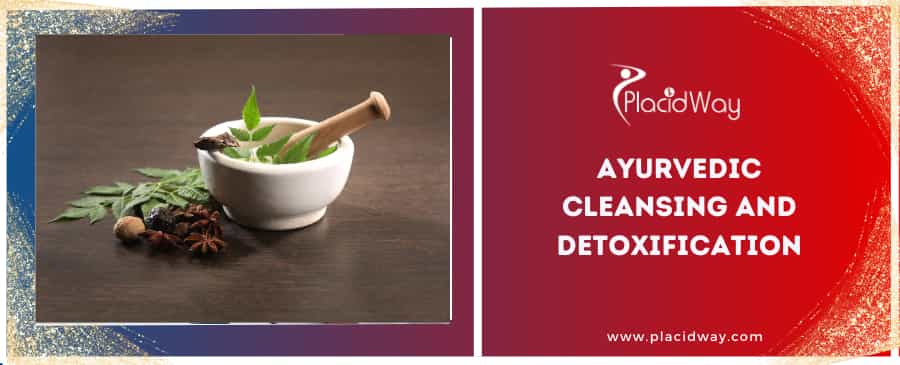
Restore Balance: Ayurvedic Cleansing & Detoxification Abroad
In our fast-paced modern world, our bodies and minds are constantly exposed to stressors and toxins. From environmental pollutants to processed foods and daily pressures, these elements can accumulate, leading to imbalances, fatigue, and various health issues. This is where the ancient wisdom of Ayurveda, specifically Ayurvedic cleansing and detoxification, offers a profound solution.
Ayurveda, meaning "the science of life," is a 5,000-year-old healing system originating from India. It emphasizes a holistic approach to health, focusing on the unique constitution (dosha) of each individual and striving to maintain harmony between mind, body, and spirit. At the heart of Ayurvedic healing lies Panchakarma – a powerful and comprehensive set of five therapeutic procedures designed to eliminate deep-seated toxins and restore natural balance.
Imagine embarking on a journey not just for your physical health but for a complete rejuvenation of your being. Ayurvedic cleansing goes beyond a simple diet; it’s a personalized, systematic process guided by experienced practitioners. For many, combining this transformative health experience with the adventure of medical tourism offers an unparalleled opportunity to access authentic treatments, often at a fraction of the cost, in serene and healing environments. This article will guide you through the intricacies of Ayurvedic detoxification, its profound benefits, and why medical tourism might be your ideal path to holistic wellness.
What is Ayurvedic Cleansing and Detoxification (Panchakarma)?
Ayurvedic cleansing, most famously known as Panchakarma, is more than just a spa treatment; it's a profound therapeutic process aimed at purifying the body and mind. The term "Panchakarma" literally means "five actions," referring to the five main cleansing and elimination procedures that are central to this detoxification therapy. These procedures are preceded by "Purva Karma" (pre-purification measures) and followed by "Paschat Karma" (post-purification measures), ensuring a gentle yet effective detoxification.
The core philosophy behind Panchakarma is that health imbalances and diseases arise from the accumulation of toxins, or 'Ama,' in the body, which obstruct the normal functioning of bodily channels (srotas). By systematically removing these toxins, Panchakarma helps to restore the body’s innate intelligence and self-healing capacity. It's a highly individualized treatment, tailored to a person's unique body constitution (Prakriti), health issues, and imbalances (Vikruti).
For example, if you consistently feel heavy, sluggish, and experience digestive issues, an Ayurvedic practitioner might identify an excess of Kapha dosha and Ama. They would then recommend specific Panchakarma treatments to alleviate these symptoms, such as Vamana, which helps eliminate excess Kapha. The entire process is designed to bring the body back to its optimal state of balance and vitality.
What are the Types of Panchakarma Treatments?
The five main procedures of Panchakarma are:
- Vamana (Therapeutic Emesis): This therapy is primarily for Kapha imbalances. It involves inducing therapeutic vomiting to eliminate toxins from the respiratory and upper gastrointestinal tracts. It's often recommended for conditions like asthma, chronic colds, and skin diseases. Before Vamana, the body is prepared with oleation (Snehana) and fomentation (Swedana) therapies.
- Virechana (Therapeutic Purgation): Targeting Pitta imbalances, Virechana involves medicated purgation to cleanse the small intestine, liver, and gallbladder. It’s highly effective for digestive disorders, skin conditions, jaundice, and chronic headaches. This gentle yet powerful procedure ensures deep cleansing without debilitating the patient.
- Basti (Medicated Enema): Considered the most important Panchakarma therapy, Basti is especially beneficial for Vata imbalances. It involves administering herbal oils or decoctions into the colon to cleanse and nourish the colon, which is considered the seat of Vata. Basti treats a wide range of conditions, including chronic constipation, arthritis, neurological disorders, and infertility.
- Nasya (Nasal Administration): This therapy involves administering medicated oils, powders, or herbal juices through the nasal passages. Nasya is effective for cleansing and purifying the head and neck region, addressing issues like chronic sinusitis, headaches, migraines, allergies, and certain neurological conditions. It’s believed to improve sensory organ function.
- Rakta Mokshana (Therapeutic Bloodletting): While less commonly practiced today, Rakta Mokshana aims to purify the blood and is used for conditions related to impure blood, such as skin diseases, gout, and abscesses. It can be done through various methods like leeches or venesection under strict medical supervision.
Each of these procedures is preceded by preparatory treatments (Purva Karma), such as Abhyanga (oil massage) and Swedana (herbal steam bath), which help loosen toxins and bring them to the gastrointestinal tract for elimination. The entire process is carefully monitored by Ayurvedic doctors.
Who Can Benefit from Ayurvedic Detoxification?
Ayurvedic detoxification is not just for those battling specific ailments; it’s a powerful tool for proactive health management and rejuvenation. Many people seeking an Ayurvedic cleanse often present with a variety of symptoms indicating a build-up of Ama (toxins) and an imbalance in their doshas. These can include:
- Chronic Fatigue and Low Energy: Feeling constantly tired, sluggish, or lacking vitality.
- Digestive Issues: Bloating, gas, constipation, irregular bowel movements, or indigestion.
- Skin Problems: Eczema, psoriasis, acne, or dull complexion.
- Mental Fog and Poor Concentration: Difficulty focusing, memory issues, or a general lack of mental clarity.
- Stress, Anxiety, and Mood Swings: Feeling overwhelmed, irritable, or emotionally unbalanced.
- Aches and Pains: Joint stiffness, body aches, or inflammation.
- Weakened Immunity: Frequent colds, flu, or infections.
- Weight Management Challenges: Difficulty losing weight or unexplained weight gain.
Beyond addressing existing issues, healthy individuals can also benefit immensely from regular Ayurvedic cleansing as a preventative measure. It helps maintain optimal health, enhance longevity, and prevent the onset of chronic diseases. For instance, someone living a high-stress lifestyle might opt for an annual detox to counteract the detrimental effects of stress on their body and mind. However, certain conditions like pregnancy, severe acute illnesses, or extreme frailty may make a person unsuitable for intense detoxification. A thorough consultation with an Ayurvedic doctor is always crucial to determine eligibility.
What are the Benefits of an Ayurvedic Cleanse?
The benefits of undergoing an Ayurvedic cleansing and detoxification program are extensive and can be deeply transformative. Patients often report feeling a profound shift in their overall well-being, both physically and mentally. These benefits stem from the deep purification of the body and the restoration of natural physiological functions.
Key benefits include:
- Improved Digestion and Metabolism: By clearing toxins from the gut, the digestive fire (Agni) is strengthened, leading to better nutrient absorption and elimination.
- Increased Energy and Vitality: Patients often experience a surge in energy, feeling lighter and more vibrant as the body's systems function more efficiently.
- Enhanced Mental Clarity and Focus: The detoxification process extends to the mind, reducing mental fog, improving concentration, and promoting emotional stability.
- Reduced Stress and Anxiety: Therapies like Abhyanga and Shirodhara calm the nervous system, leading to a significant reduction in stress levels and fostering a sense of inner peace.
- Boosted Immunity: A clean system is a strong system. By eliminating toxins, the body's natural defense mechanisms are strengthened, making it more resilient to illness.
- Healthy Weight Management: Panchakarma can aid in shedding excess weight by improving metabolism and reducing cravings, contributing to sustainable weight loss.
- Better Sleep Quality: Many individuals find their sleep patterns normalize and improve after a detox, leading to more restful nights.
- Anti-Aging and Rejuvenation: The cellular cleansing and revitalization effects contribute to a more youthful appearance and a slowdown in the aging process.
Imagine experiencing sustained energy throughout your day, thinking more clearly, and sleeping soundly through the night—these are common outcomes reported by those who commit to a full Ayurvedic detox. It's like resetting your entire system, allowing it to function at its optimal level once again.
How Long Does a Typical Ayurvedic Detox Last?
The length of an Ayurvedic cleansing program is highly individualized, tailored to your unique health needs, the severity of your imbalances, and your personal goals. It's not a one-size-fits-all approach, and a qualified Ayurvedic doctor will assess your condition during an initial consultation to recommend the most appropriate duration.
Generally, an authentic and effective Ayurvedic detoxification, especially a full Panchakarma, can range from:
- 7-14 Days: This is often recommended for milder imbalances, maintenance, or for those new to Ayurvedic treatments. It might focus on specific preparatory treatments (Purva Karma) and one or two main Panchakarma procedures.
- 14-21 Days: A more comprehensive detox, allowing for deeper cleansing and significant restoration of balance. This duration is common for individuals with moderate health concerns or those seeking a thorough rejuvenation.
- 21-28 Days: This is considered the ideal duration for a complete and profound Panchakarma program, addressing chronic issues and ensuring deep-seated toxin elimination and cellular rejuvenation. This longer period allows for all phases (pre-purification, main purification, and post-purification) to be thoroughly implemented, ensuring sustainable results.
It's important to understand that the cleansing process doesn't just involve the main procedures. There are crucial preparatory phases (e.g., oil massages, herbal steam) and post-treatment phases (e.g., specific diet, lifestyle adjustments) that contribute significantly to the overall success and lasting benefits of the detox. Rushing the process can diminish its effectiveness. Therefore, when planning medical tourism for Ayurvedic cleansing, allocating sufficient time is key to achieving optimal results.
What Can I Expect During an Ayurvedic Cleansing Treatment?
Embarking on an Ayurvedic cleansing journey is a unique and deeply personal experience. While the specific treatments will vary based on your individual assessment, there are common elements you can expect:
1. Initial Consultation and Assessment: Your journey begins with a thorough consultation with an experienced Ayurvedic doctor. They will assess your Prakriti (body constitution), Vikruti (current imbalances), health history, and lifestyle to create a personalized treatment plan.
2. Preparatory Phase (Purva Karma): This phase, lasting several days, is crucial for preparing the body for detoxification. It typically includes:
- Abhyanga (Therapeutic Oil Massage): Daily warm oil massages, often performed by two therapists, to loosen toxins from tissues and calm the nervous system.
- Swedana (Herbal Steam Bath): Following Abhyanga, you'll undergo a steam bath infused with herbs, which helps further dilate channels and bring toxins to the gastrointestinal tract.
- Internal Oleation: You might be asked to consume specific medicated ghee or oils internally to lubricate channels and aid in toxin mobilization.
- Specialized Diet: A light, sattvic diet, often Kichari (a blend of rice and lentils), is prescribed to allow the digestive system to rest and prepare for cleansing.
3. Main Cleansing Phase (Panchakarma): Over several days, the doctor will administer the prescribed Panchakarma procedures (Vamana, Virechana, Basti, Nasya) based on your needs. These are performed under close supervision to ensure safety and effectiveness.
4. Post-Treatment Phase (Paschat Karma): After the main cleansing, the body needs to be gradually reintroduced to normal activities and diet. This phase focuses on rebuilding strength, rejuvenating tissues, and maintaining the newly achieved balance. It involves a specific dietary regimen, herbal tonics (Rasayanas), and lifestyle recommendations.
Throughout the entire process, you'll be encouraged to rest, practice mindfulness, engage in gentle yoga or meditation, and stay hydrated. The environment is typically serene and supportive, fostering deep relaxation and healing. It’s a time to disconnect from daily stressors and reconnect with your inner self, allowing the body’s innate wisdom to heal.
Why Choose Medical Tourism for Ayurvedic Cleansing?
Choosing medical tourism for Ayurvedic cleansing offers a unique blend of health benefits and travel experiences. For many, it's the most practical and enriching way to access authentic Ayurvedic care. Here's why people are increasingly turning to international destinations for their detox:
- Authenticity and Expertise: Countries like India and Sri Lanka are the birthplaces of Ayurveda. Here, you'll find highly experienced, often multi-generational Ayurvedic doctors and therapists trained in traditional methods, ensuring the most authentic and effective treatments. It's like learning directly from the source.
- Cost-Effectiveness: The cost of comprehensive Ayurvedic cleansing programs, particularly Panchakarma, can be significantly lower in countries where Ayurveda is deeply integrated into the healthcare system, compared to Western nations. This allows patients to undergo longer, more thorough treatments that might be financially out of reach at home.
- Serene Healing Environments: Many Ayurvedic centers abroad are located in tranquil, natural settings – think lush tropical coastlines, serene mountains, or peaceful ashrams. These environments are conducive to deep healing and relaxation, far removed from the stresses of daily life, amplifying the therapeutic effects of the cleanse.
- Reduced Wait Times: Accessing specialized treatments in one's home country can sometimes involve long waiting lists. Medical tourism often provides immediate access to treatment schedules that fit your availability.
- Cultural Immersion and Travel: Combining a detox with travel offers a unique opportunity for cultural immersion. Patients can explore ancient traditions, local cuisine, and beautiful landscapes, making the healing journey an unforgettable life experience. This adds another layer of mental and spiritual rejuvenation.
It's not just about getting a treatment; it's about embarking on a holistic journey that nourishes your body, mind, and spirit in an entirely new setting.
How Does the Cost of Ayurvedic Detox Compare Internationally?
One of the primary drivers for patients seeking Ayurvedic cleansing abroad is the substantial cost difference. The price of a comprehensive Ayurvedic detox program, particularly a Panchakarma regimen, can vary dramatically depending on the country, the clinic's reputation, the duration of treatment, and the level of accommodation.
To illustrate, here's a general cost comparison for a 14-day authentic Ayurvedic Panchakarma program (prices are estimates and can vary widely):
| Country | Estimated Cost for 14-Day Program (USD) | Notes on Cost |
|---|---|---|
| India | $1,500 - $3,500 | Highly authentic, wide range of clinics from basic to luxury. Major hub for Ayurveda. |
| Sri Lanka | $1,800 - $4,000 | Excellent quality, often in beautiful coastal or jungle settings. Growing popularity. |
| Thailand | $2,500 - $5,000 | Combines Ayurveda with other wellness practices. Good infrastructure for tourists. |
| Nepal | $1,200 - $3,000 | More rustic, focused on spiritual and natural healing. Emerging destination. |
| Europe (e.g., Germany, UK) | $5,000 - $10,000+ | High-end, often luxury retreats. Costs include European living expenses. |
| USA/Canada | $6,000 - $12,000+ | Very limited availability of full Panchakarma; often integrated wellness centers. |
As you can see, the cost savings in countries like India and Sri Lanka can be substantial, often covering the travel expenses and still being more affordable than a similar program in Western countries. This financial advantage makes a longer, more thorough and transformative Ayurvedic cleanse accessible to a wider range of patients.
Which Countries Are Best for Ayurvedic Medical Tourism?
When considering Ayurvedic medical tourism, certain countries stand out due to their historical connection to Ayurveda, the quality of their practitioners, and the infrastructure developed around this ancient healing system:
-
India: The Birthplace of Ayurveda
India is undeniably the undisputed leader for Ayurvedic medical tourism. Kerala, often called "God's Own Country," is particularly renowned for its lush landscapes and authentic Ayurvedic retreats. Here, Ayurveda is a way of life, passed down through generations. You'll find a wide spectrum of centers, from luxurious resorts to humble, traditional clinics, all offering high-quality treatments. Other states like Goa, Rishikesh, and Uttarakhand also host excellent Ayurvedic facilities. The deep historical roots mean highly experienced doctors and a profound understanding of the treatments.
-
Sri Lanka: The Pearl of the Indian Ocean
Sri Lanka has a long and rich history of practicing Ayurveda, often with its own unique interpretations and herbal formulations. The island nation offers a serene and beautiful backdrop for healing, with many centers located along stunning beaches or amidst tranquil forests. Sri Lankan Ayurvedic treatments are known for their gentle yet effective approach, and the country is gaining popularity for its excellent quality of care and welcoming hospitality.
-
Nepal: Himalayan Serenity
Nestled in the Himalayas, Nepal offers a unique blend of Ayurvedic healing with a spiritual dimension. While perhaps not as widespread as in India, Nepalese Ayurvedic centers often emphasize a holistic approach, integrating meditation, yoga, and a peaceful environment. It's an excellent choice for those seeking a more spiritual and introspective cleansing journey.
-
Thailand: Wellness Hub of Asia
Thailand, while more famous for its traditional Thai massage, has also developed a thriving wellness tourism industry that includes Ayurvedic treatments. Many high-end wellness resorts in Thailand offer integrated Ayurvedic programs alongside other Eastern and Western therapies. While not as historically rooted as India or Sri Lanka, Thai centers often provide luxurious settings and excellent service, catering to international guests.
These countries not only provide authentic Ayurvedic care but also offer vibrant cultural experiences, allowing patients to combine their healing journey with exploration and discovery.
What Should I Consider When Planning Ayurvedic Medical Travel?
Planning medical travel for an Ayurvedic cleanse requires careful consideration to ensure a smooth, safe, and effective experience. Here are key factors to keep in mind:
- Clinic and Practitioner Credentials: Research the accreditation of the Ayurvedic center and the qualifications of its doctors. Look for clinics with a good reputation, positive patient reviews, and doctors with extensive experience in Panchakarma. PlacidWay can help vet reputable facilities.
- Program Duration and Inclusions: Understand the length of the program recommended for your condition and what it includes. Does it cover accommodation, meals, daily treatments, consultations, and post-treatment guidance? Clarify if flights or visa fees are included or separate.
- Total Cost and Budget: Get a detailed breakdown of all costs, including the treatment package, flights, visa, travel insurance, and any potential spending money. Be aware of currency exchange rates.
- Visa and Travel Requirements: Check the visa requirements for your chosen destination well in advance. Some countries offer special medical visas. Ensure your passport is valid for at least six months beyond your planned return date.
- Language and Communication: While many clinics catering to international patients will have English-speaking staff, it's good to confirm. Clear communication with your doctor and therapists is vital for personalized care.
- Climate and Environment: Consider the climate of your destination, especially if you have sensitivities. A comfortable and peaceful environment is crucial for optimal healing during a detox.
- Travel Insurance: Always purchase comprehensive travel and medical insurance that covers medical tourism activities.
- Logistical Support: Look for clinics or medical tourism facilitators (like PlacidWay) that offer assistance with airport transfers, accommodation, language translation, and local guidance to make your journey stress-free.
- Post-Treatment Care: Discuss what kind of follow-up care or recommendations will be provided for when you return home to help maintain the benefits of your cleanse.
By thoroughly researching these aspects, you can ensure your Ayurvedic cleansing journey is not only medically beneficial but also a comfortable and enriching travel experience.
Is Ayurvedic Detoxification Safe for International Patients?
When performed by experienced and qualified Ayurvedic doctors in reputable facilities, Ayurvedic detoxification is generally very safe for international patients. However, like any medical procedure or extensive wellness treatment, safety largely depends on the context and adherence to best practices.
Key aspects that ensure safety for international patients include:
- Qualified Practitioners: Reputable Ayurvedic centers abroad employ doctors who hold degrees in Ayurvedic Medicine (e.g., BAMS - Bachelor of Ayurvedic Medicine and Surgery in India) and have extensive practical experience in administering Panchakarma. Their expertise is crucial for correct diagnosis, personalized treatment planning, and safe execution of therapies.
- Accredited Facilities: Look for centers that are accredited or recognized by relevant government health bodies. Such facilities usually maintain high standards of hygiene, use authentic and quality-controlled herbal preparations, and have appropriate infrastructure for treatments.
- Thorough Initial Assessment: A comprehensive consultation before treatment is paramount. This includes a detailed medical history, physical examination, and sometimes laboratory tests, to determine your suitability for a detox and to customize the treatment plan to avoid any contraindications. For example, individuals with severe heart conditions or pregnant women would not be suitable for intense Panchakarma procedures.
- Continuous Monitoring: During your detox, your condition should be continuously monitored by the Ayurvedic doctor. Adjustments to treatments or diet should be made as needed, ensuring your comfort and safety.
- Communication and Transparency: A safe experience involves clear communication. Ensure that the center provides staff who can effectively communicate in your language, explain procedures, and address any concerns you may have.
- Pre-Existing Conditions: Always disclose all your pre-existing medical conditions, medications, and allergies to the Ayurvedic practitioner. This allows them to tailor your treatment safely and effectively.
Choosing a reliable medical tourism platform like PlacidWay can significantly enhance safety, as they often partner with vetted, high-quality clinics that prioritize patient well-being and meet international standards.
How Can PlacidWay Help Me Plan My Ayurvedic Detox Journey?
Navigating the world of medical tourism can be complex, especially when seeking specialized treatments like Ayurvedic cleansing in a foreign country. PlacidWay acts as your trusted guide and facilitator, simplifying every step of your journey to holistic wellness.
Here’s how PlacidWay can assist you:
- Access to a Global Network of Vetted Clinics: PlacidWay partners with a vast network of accredited and reputable Ayurvedic centers worldwide, particularly in top destinations like India and Sri Lanka. We ensure that these clinics meet high standards of quality, safety, and authenticity.
- Personalized Treatment Options: Based on your specific health concerns, goals, and budget, PlacidWay helps you find clinics that offer tailored Ayurvedic cleansing programs. We provide detailed information about each clinic, their doctors' qualifications, and available packages.
- Transparent Cost Comparisons: We offer comprehensive information on treatment costs across various countries and clinics, enabling you to make informed decisions and find the most affordable yet high-quality options for your Ayurvedic detox.
- Travel Logistics Assistance: Planning international travel can be daunting. PlacidWay assists with various logistical aspects, including information on visa requirements, booking accommodation, arranging airport transfers, and even recommending local attractions for your leisure time.
- Dedicated Support and Guidance: From your initial inquiry to your return home, a dedicated case manager will be available to answer your questions, coordinate with the clinic, and provide continuous support, ensuring a smooth and stress-free experience.
- Patient Testimonials and Reviews: We provide access to genuine patient testimonials and reviews, offering insights into other patients' experiences and helping you gain confidence in your choices.
By leveraging PlacidWay's expertise, you can focus on your healing journey while we handle the complexities of planning, connecting you with the best Ayurvedic care globally.
What Are Common Post-Detox Recommendations?
The period immediately following an Ayurvedic cleanse, known as "Paschat Karma," is just as important as the detox itself. This phase focuses on gradually reintroducing the body to normal activities and diet, rebuilding strength, and preserving the profound benefits achieved during Panchakarma. Neglecting this phase can quickly negate the positive effects of the cleanse. Your Ayurvedic doctor will provide personalized recommendations, but common guidelines include:
-
Dietary Regimen:
- Gradual Reintroduction: Begin with very light, easily digestible foods like cooked grains, clear soups, and steamed vegetables. Gradually reintroduce other foods over several days or weeks.
- Avoidance: Strictly avoid heavy, processed, fried, spicy, or cold foods, as well as caffeine, alcohol, and refined sugars for a significant period.
- Mindful Eating: Continue to eat mindfully, chewing thoroughly, and not overeating.
-
Lifestyle Adjustments:
- Rest and Relaxation: Prioritize adequate sleep and avoid overexertion, both physical and mental.
- Gentle Exercise: Continue gentle practices like yoga, meditation, and pranayama (breathing exercises) to maintain balance and reduce stress.
- Avoid Stress: Minimize exposure to stressful situations, excessive travel, or intense emotional upheavals.
- Hydration: Drink warm water and herbal teas throughout the day.
- Rejuvenating Therapies (Rasayanas): Your doctor may prescribe specific Ayurvedic herbs or formulations known as Rasayanas. These tonics are designed to nourish tissues, boost immunity, and promote longevity after the purification process. Examples include Ashwagandha for stress relief or Triphala for digestive support.
- Routine (Dinacharya and Ritucharya): Adopting a regular daily routine (Dinacharya) and seasonal routine (Ritucharya) is vital for long-term health. This includes waking early, practicing self-oil massage, and eating meals at consistent times.
Think of it as nurturing a delicate seedling after planting. The soil must be just right, and it needs careful protection to grow strong and healthy. Similarly, your body after detox is receptive and vulnerable, requiring gentle care to fully integrate the healing and maintain its newfound balance.
Take the Next Step with PlacidWay
Ready to restore balance and rejuvenate your being with Ayurvedic cleansing? Your journey to holistic wellness is just a click away. Explore top-rated international clinics, compare authentic treatment costs, and get a free, personalized quote for your Ayurvedic detoxification with PlacidWay. Let us help you plan a seamless and transformative medical travel experience. Start your healing transformation today!
Ayurvedic Treatment Abroad, Alternative and Complementary Medicine


.png)

.png)
.png)










Share this listing