
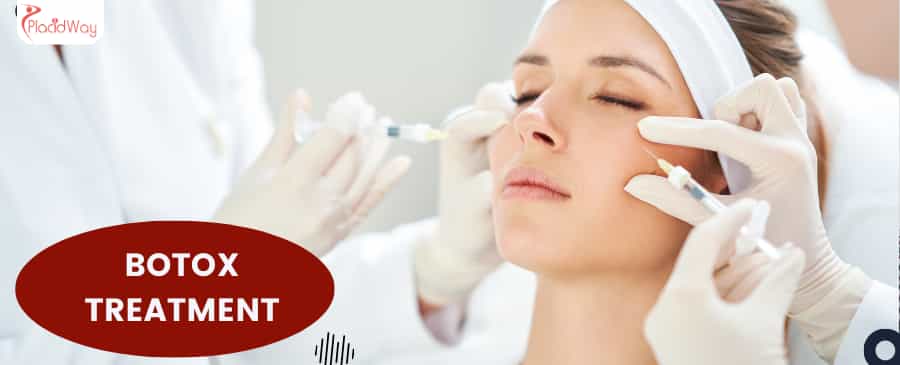
Discover a Smoother, Younger You: Botox Treatment Explained
Are you looking in the mirror and noticing those persistent lines around your eyes or a deepening crease on your forehead? These "dynamic wrinkles," which appear with every smile, frown, or raised eyebrow, can make you feel older than you are. You might be searching for "Botox near me" or "Botox cost" to find a solution that helps restore a refreshed, more youthful look.
Botox, derived from Botulinum Toxin Type A, is one of the most widely recognized and performed cosmetic procedures globally. It's not just about vanity; for many, it's about regaining confidence and feeling good in their own skin. This non-surgical treatment works by temporarily relaxing specific facial muscles that cause dynamic wrinkles, resulting in smoother skin and a more serene appearance. Beyond its aesthetic uses, Botox also has therapeutic applications, effectively treating conditions like chronic migraines, excessive sweating (hyperhidrosis), and certain muscle spasms, providing relief to those who suffer from these issues.
The quest for effective and affordable Botox has led many to consider medical tourism. Imagine combining a relaxing vacation with a cosmetic enhancement that leaves you feeling rejuvenated, all while potentially saving a significant amount compared to your home country. This guide will explore everything you need to know about Botox treatments, from understanding how it works and what to expect, to navigating the world of medical tourism to find high-quality, cost-effective options abroad. We'll delve into common concerns like "what causes wrinkles," "how long does Botox last," and crucially, "where can I get safe Botox overseas?"
If you're ready to explore how Botox can help you achieve your aesthetic goals and uncover the benefits of seeking this popular treatment internationally, you've come to the right place. Let's embark on this journey to a smoother, younger-looking you.
What are the Visible Signs That Botox Can Help With?
Botox is most effective at treating "dynamic wrinkles" ? those lines that appear or deepen when you make facial expressions. If you?re noticing these lines even when your face is at rest, or they?re becoming more pronounced with age, Botox could be a suitable solution. Here are the primary areas and types of wrinkles Botox can address:
- Forehead Lines: These horizontal lines appear across your forehead when you raise your eyebrows, often giving a worried or surprised look. Many people search for "forehead wrinkle treatment" to smooth these out.
- Frown Lines (Glabellar Lines or "The 11s"): Located between your eyebrows, these vertical lines often resemble the number "11." They are caused by frowning or squinting and can make you appear angry or stressed.
- Crow's Feet: These fine lines fan out from the corners of your eyes, becoming more noticeable when you smile or squint. They are a common sign of aging and sun exposure, leading to searches like "crow's feet Botox."
- Bunny Lines: Wrinkles that appear on the bridge of your nose when you scrunch it up.
- Marionette Lines: While less common for Botox, some doctors may use it off-label to soften lines running from the corners of the mouth down to the chin.
- Lip Lines ("Smoker's Lines"): Small vertical lines above the upper lip can be subtly treated with a "lip flip" using a very small amount of Botox to relax the muscle, allowing the lip to roll slightly outwards.
- Platysmal Bands (Neck Bands): Visible vertical cords in the neck that become prominent with age can be relaxed with Botox, often referred to as a "Nefertiti lift."
Unlike "static wrinkles," which are etched into the skin and visible even when your face is relaxed (often better treated with fillers or other skin resurfacing techniques), Botox excels at smoothing out those expression-driven lines, offering a refreshed and rejuvenated look.
What Causes Dynamic Wrinkles and How Does Botox Address Them?
Dynamic wrinkles are fundamentally a result of repetitive muscle movements in your face. Every time you smile, frown, squint, or raise your eyebrows, the underlying facial muscles contract. Over time, and as skin loses elasticity, these repeated contractions cause grooves to form in the skin. Think of it like repeatedly folding a piece of paper in the same spot ? eventually, a crease forms.
Several factors contribute to the development and prominence of these wrinkles:
- Repeated Muscle Contractions: The primary culprit. Your unique expressions dictate where these lines will form most prominently.
- Aging: As we age, our skin naturally produces less collagen and elastin, the proteins responsible for skin's firmness and elasticity. This makes it harder for skin to bounce back after muscle contractions.
- Sun Exposure: Ultraviolet (UV) radiation from the sun breaks down collagen and elastin fibers, accelerating skin aging and wrinkle formation.
- Genetics: Your genetic predisposition can influence how quickly and severely you develop wrinkles.
- Lifestyle Factors: Smoking, poor diet, dehydration, and lack of sleep can also impact skin health and contribute to premature aging.
How Botox Works Its Magic:
Botox (Botulinum Toxin Type A) works by targeting the root cause of dynamic wrinkles ? the muscle contractions. When injected into specific facial muscles, Botox blocks the release of acetylcholine, a neurotransmitter that signals muscles to contract. By blocking this signal, the targeted muscle temporarily relaxes. This relaxation prevents the muscle from contracting, which in turn smooths out the overlying skin and reduces the appearance of wrinkles.
It's important to note that Botox only affects the treated muscles, leaving surrounding muscles to function normally, allowing for natural facial expressions without the deep creases.
What Types of Botox Treatments are Available?
While most people associate Botox with wrinkle reduction, its applications extend far beyond aesthetics. Here's a breakdown of the various types of Botox treatments:
Cosmetic Applications:
- Upper Face Wrinkle Reduction: This is the most common use, targeting:
- Forehead Lines: Horizontal lines across the forehead.
- Glabellar Lines ("11s"): Vertical lines between the eyebrows.
- Crow's Feet: Lines radiating from the outer corners of the eyes.
- Lip Flip: A subtle enhancement where a small amount of Botox is injected above the upper lip to relax the muscle, allowing the lip to gently roll upward, making it appear fuller without adding volume.
- Jawline Slimming (Masseter Botox): Injections into the masseter muscles (chewing muscles) can reduce their size, leading to a softer, more V-shaped jawline. It can also help with teeth grinding (bruxism).
- Nefertiti Lift: Botox injections along the jawline and into platysmal bands (neck muscles) to create a subtle lift in the neck and lower face, enhancing the jawline definition.
- Bunny Lines: Treating lines on the bridge of the nose.
- Chin Dimpling: Relaxing the mentalis muscle to smooth out a dimpled or 'orange peel' chin.
Therapeutic Applications:
- Chronic Migraines: Botox is FDA-approved for adults with chronic migraines (15 or more headache days per month), helping to prevent headaches by relaxing muscles that contribute to pain.
- Excessive Sweating (Hyperhidrosis): Injections into the armpits, palms, or soles of the feet can significantly reduce excessive sweating by blocking nerve signals to sweat glands.
- Cervical Dystonia: A neurological disorder causing severe neck and shoulder muscle spasms.
- Blepharospasm: Involuntary twitching or spasms of the eyelids.
- Strabismus (Crossed Eyes): Used to relax overactive eye muscles.
- Overactive Bladder: Can be injected into the bladder muscle to reduce urinary incontinence.
Each type of treatment requires precise injection techniques and a thorough understanding of facial and body anatomy, emphasizing the importance of choosing a qualified and experienced practitioner.
Am I a Good Candidate for Botox Injections?
One of the biggest advantages of Botox is its minimal downtime. It?s often referred to as a "lunchtime procedure" because you can typically get it done and return to your daily activities almost immediately. However, there are a few important things to know about what to expect after your treatment:
Immediate Post-Treatment:
- Injection Site Reactions: You might notice slight redness, swelling, or tiny bumps at the injection sites. These are usually very mild and subside within a few minutes to an hour.
- Bruising: While less common, some minor bruising can occur, especially if a small blood vessel is nicked. This usually resolves within a few days to a week.
- No Immediate Results: Don't expect to see results right away. Botox takes time to work its magic.
First Few Days:
- Results Begin to Appear: You?ll typically start to notice the effects of Botox within 3-4 days. The muscles will gradually begin to relax, and the wrinkles will start to soften.
- Full Results: The full effect of the treatment is usually visible around 10-14 days after the injections. This is when you'll see the maximum smoothing of the targeted wrinkles.
- Duration: The effects of Botox generally last between 3 to 6 months, depending on the individual, the area treated, and the dosage. Over time, muscle activity will gradually return, and wrinkles will reappear, signaling it's time for a touch-up.
Aftercare Instructions (Crucial for Optimal Results and Minimizing Side Effects):
- Avoid Rubbing or Massaging: For at least 24 hours, do not rub, massage, or apply pressure to the treated areas. This prevents the Botox from spreading to unintended muscles.
- Stay Upright: Avoid lying down for 4-6 hours post-treatment. This also helps prevent migration of the product.
- No Strenuous Activity: Refrain from vigorous exercise, heavy lifting, or activities that significantly increase blood pressure for 24-48 hours.
- Avoid Alcohol: It's often recommended to avoid alcohol for at least 24 hours, as it can increase the risk of bruising.
- Sun Protection: Always protect your skin from the sun, but especially after cosmetic treatments.
While Botox is a convenient procedure, following these aftercare instructions is key to achieving the best possible outcome and minimizing potential "Botox side effects" like unintended muscle relaxation.
What are the Risks and Potential Side Effects of Botox?
The cost of Botox is one of the primary drivers for medical tourism, with prices fluctuating dramatically based on geographic location, clinic reputation, injector experience, and the number of units or areas treated. In many Western countries, the high cost can make regular treatments prohibitive.
Botox is typically priced per "unit," or sometimes per "area" (e.g., forehead, crow's feet). A single area might require 10-30 units, while a full-face treatment could range from 50-100+ units. The price per unit can vary from $10-$20+ in high-cost regions, while abroad, it can be significantly lower.
Worldwide Botox Cost Comparison (Estimated in USD)
| Country | Avg. Cost per Unit (USD) | Avg. Cost per Area (USD - e.g., Frown Lines) | Notes |
|---|---|---|---|
| USA | $10 - $20 | $300 - $600 | Highest costs, wide variation by city and clinic. |
| Canada | $8 - $15 | $250 - $500 | Similar to US, slightly lower on average. |
| UK | ?8 - ?15 ($10 - $19) | ?200 - ?400 ($250 - $500) | Moderate to high costs, especially in London. |
| Mexico | $5 - $10 | $150 - $300 | Very popular for US patients seeking value. |
| Turkey | $4 - $8 | $100 - $250 | Excellent value, high-quality clinics. |
| Thailand | $5 - $9 | $150 - $300 | Affordable luxury, combined with tourism. |
| Poland / Hungary | $4 - $7 | $100 - $200 | Emerging destinations in Eastern Europe. |
Disclaimer: Prices are estimates and can vary significantly based on clinic, location, and individual needs. Always obtain a personalized quote.
As you can see, the potential savings are substantial, especially when considering multiple areas or regular maintenance treatments. This cost differential makes the prospect of "Botox abroad" incredibly appealing for many.
Why Should I Consider Getting Botox Abroad?
When seeking "affordable Botox overseas" or "best places for Botox travel," several countries consistently stand out due to their combination of competitive pricing, high-quality medical infrastructure, and patient-friendly services. These destinations have cultivated a strong reputation in the medical tourism sector:
- Turkey: Particularly Istanbul, is a powerhouse for medical tourism. It offers cutting-edge clinics, internationally trained doctors, and significantly lower costs than Europe or North America. The hospitality and vibrant culture add to its appeal.
- Mexico: Especially cities near the US border like Tijuana and Cancun, is a convenient and cost-effective option for American patients. Many clinics cater specifically to international patients, offering English-speaking staff and high standards of care.
- Thailand: Bangkok is a world-renowned medical tourism hub. It combines luxurious private hospitals and clinics with highly skilled practitioners, all at a fraction of Western prices. The opportunity for a tropical vacation alongside treatment is a major draw.
- South Korea: Known as a global leader in aesthetic medicine and plastic surgery, South Korea (especially Seoul) offers advanced techniques and meticulous care. While potentially slightly pricier than other Asian destinations, the expertise is often unparalleled.
- Poland & Hungary: These Eastern European countries have emerged as popular destinations, offering excellent value with modern facilities and well-trained medical staff. Their proximity to Western Europe makes them attractive for EU citizens.
These countries not only provide cost-effective Botox but also offer a rich cultural experience, making the journey for your treatment a memorable one. Remember, 'value' isn't just about price; it's about the entire experience, from the quality of care to the ease of your trip.
What Should I Expect When Traveling for Botox Abroad?
Skin Care, Skin Rejuvenation
Ultimate Guide to Botox Treatment Abroad
About Sub Treatment
- Treatment: Skin Care



.png)
.png)
.png)
.png)
.png)

.png)
.png)










Share this listing