
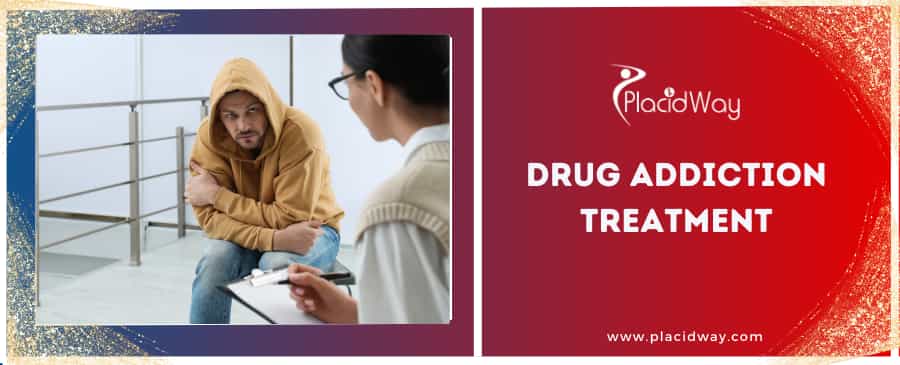
Reclaiming Your Life: Comprehensive Drug Addiction Treatment Abroad
Facing drug addiction can feel like an isolating battle, but it's a fight you don't have to face alone. Millions worldwide struggle with substance use disorder, a complex disease affecting the brain and behavior, leading to an inability to control the use of legal or illegal drugs, medication, or alcohol. The good news is that recovery is possible, and with the right support, a fulfilling life free from addiction is within reach.
For many, seeking help closer to home might be challenging due to cost, privacy concerns, or the desire for a fresh start away from triggers. This is where medical tourism for drug addiction treatment offers a powerful alternative. By exploring international rehab programs, you can access high-quality, often more affordable care in a discreet and supportive environment. Imagine starting your journey to sobriety in a tranquil setting, away from daily stressors, allowing you to focus entirely on your healing. From detoxification to long-term therapy, comprehensive drug addiction treatment abroad provides a unique opportunity for profound change.
This guide will walk you through everything you need to know about overcoming addiction, including recognizing the signs, understanding treatment options, navigating costs, and discovering why choosing an international rehab might be your best step towards lasting recovery.
What are the common symptoms of drug addiction?
Recognizing the signs of drug addiction is the first critical step toward seeking help. Addiction impacts various aspects of a person's life, and symptoms can manifest physically, behaviorally, and psychologically. If you or a loved one are experiencing several of these, it may be time to consider professional intervention:
- Behavioral Changes:
- Increased secrecy or dishonesty about drug use.
- Neglecting responsibilities at work, school, or home (e.g., missing deadlines, poor performance).
- Loss of interest in hobbies or activities once enjoyed.
- Engaging in risky behaviors while under the influence (e.g., driving impaired).
- Problems with law enforcement due to drug use.
- Changes in social circles, often associating with others who use drugs.
- Physical Symptoms:
- Developing a tolerance, meaning needing more of the drug to achieve the same effect.
- Experiencing withdrawal symptoms (nausea, tremors, sweating, anxiety, seizures) when drug use stops or decreases.
- Changes in appearance, such as poor hygiene, weight loss or gain, dilated or constricted pupils.
- Frequent illness or unexplained injuries.
- Sleep disturbances (insomnia or excessive sleeping).
- Psychological and Emotional Signs:
- Intense cravings or urges for the drug.
- Difficulty controlling drug use – using more or longer than intended.
- Continuing drug use despite knowing it causes physical or psychological problems.
- Increased irritability, anxiety, or depression.
- Mood swings or unexplained personality changes.
- Denial of the problem or defensiveness when confronted about drug use.
If these signs resonate, remember that recognizing them is a sign of strength and the first step towards recovery. Seeking professional assessment is vital.
What causes drug addiction and who is at risk?
Drug addiction isn't a moral failing; it's a disease influenced by a combination of factors. Understanding these causes and risk factors can help in both prevention and effective treatment planning. It's a complex interaction of biology, environment, and development:
- Genetic Predisposition: If you have a family history of addiction, you may have a higher genetic vulnerability. Genes can influence how your body reacts to drugs and how quickly you become dependent.
- Environmental Factors:
- Peer Pressure: Especially during adolescence, peer influence can lead to initial drug experimentation.
- Early Exposure: Growing up in an environment where drug use is common or easily accessible increases risk.
- Stress and Trauma: Chronic stress, childhood abuse, neglect, or other traumatic experiences can lead individuals to self-medicate with drugs.
- Lack of Family Involvement: A lack of strong parental attachment or supervision can increase vulnerability.
- Psychological and Mental Health Factors:
- Mental Health Disorders: Conditions like depression, anxiety, ADHD, and PTSD often co-occur with substance use disorders, as individuals may use drugs to alleviate symptoms. This is known as a dual diagnosis.
- Personality Traits: Impulsivity, a desire for novelty, and low self-esteem can contribute to drug experimentation and progression to addiction.
- Learning and Memory: Drugs can alter brain pathways, strengthening the memory of drug use pleasure and leading to compulsive seeking.
- Early Drug Use: The younger a person is when they start using drugs, the more likely they are to develop an addiction. Adolescent brains are still developing, making them more susceptible to the rewarding effects of drugs.
It's important to remember that having risk factors doesn't guarantee addiction, but it does highlight the need for increased awareness and proactive support.
What types of drug addiction treatments are available?
Effective drug addiction treatment is rarely a one-size-fits-all approach. It typically involves a combination of therapies tailored to the individual's specific needs, the substance used, and the severity of the addiction. Here are the primary types of treatment programs and modalities:
- Detoxification (Detox): This is the initial, medically supervised process of safely removing drugs from the body. It manages acute withdrawal symptoms, which can range from uncomfortable to life-threatening depending on the substance. Detox is a crucial first step but is not a standalone treatment for addiction.
- Inpatient Rehabilitation (Residential Rehab): Patients live at the treatment facility 24/7, completely immersed in a structured therapeutic environment. This provides a safe, drug-free setting away from triggers and distractions, offering intensive individual and group therapy, educational sessions, and support. Ideal for severe addictions or those needing a high level of support.
- Outpatient Rehabilitation: Patients attend therapy sessions at a facility during the day or evening but live at home. This allows individuals to maintain work, school, and family responsibilities while receiving treatment. It's suitable for less severe addictions or as a step-down from inpatient care.
- Intensive Outpatient Programs (IOP): More structured than standard outpatient, with several hours of therapy multiple days a week.
- Partial Hospitalization Programs (PHP): Even more intensive, often running for most of the day, resembling inpatient care without overnight stays.
- Behavioral Therapies: These are foundational to addiction treatment, helping individuals identify and change problematic behaviors related to drug use.
- Cognitive Behavioral Therapy (CBT): Helps identify triggers and develop coping mechanisms.
- Dialectical Behavior Therapy (DBT): Focuses on emotional regulation, mindfulness, and distress tolerance.
- Motivational Interviewing (MI): Helps individuals resolve ambivalence about changing their behavior.
- Family Therapy: Involves family members in the recovery process, addressing family dynamics that may contribute to or be affected by addiction.
- Medication-Assisted Treatment (MAT): Combines medications with counseling and behavioral therapies. MAT is particularly effective for opioid and alcohol use disorders, helping to reduce cravings and withdrawal symptoms, thus improving treatment outcomes. Examples include methadone, buprenorphine, and naltrexone.
- Holistic and Complementary Therapies: Many programs integrate approaches like yoga, meditation, mindfulness, art therapy, equine therapy, and nutritional counseling to support overall well-being and stress reduction.
- Support Groups: 12-step programs like Narcotics Anonymous (NA) or non-12-step alternatives offer peer support and a framework for long-term recovery.
A successful treatment plan often evolves over time, moving from more intensive care to less intensive outpatient programs and ongoing aftercare support.
Am I eligible for drug addiction treatment, and who is it for?
If you are questioning whether you need help, that itself is often a strong indicator. Drug addiction treatment is designed for anyone who finds themselves unable to control their drug use, despite negative consequences, and desires a change. It's for individuals who:
- Experience Cravings: Have strong, compulsive urges to use a substance.
- Lost Control: Use more of a substance than intended, or for longer periods than planned.
- Face Negative Consequences: Continue to use drugs despite health problems, legal issues, relationship conflicts, or job loss.
- Develop Tolerance or Withdrawal: Need more of the drug to get the same effect, or experience physical/psychological discomfort when trying to stop.
- Neglect Responsibilities: Prioritize drug use over work, school, family, or personal hygiene.
- Seek a New Path: Are ready and willing to commit to a recovery process, even if initial motivation is external (e.g., family pressure, legal mandate).
Eligibility for specific types of treatment (e.g., inpatient vs. outpatient, specific medications) is determined through a comprehensive medical and psychological assessment. This assessment evaluates:
- The type and severity of the substance use disorder.
- Any co-occurring mental health conditions (dual diagnosis).
- Physical health status.
- Social support system.
- Personal preferences and readiness for change.
Ultimately, if drugs are negatively impacting your life, treatment is a viable and often necessary step towards regaining control and improving well-being. Don't self-diagnose; seek an expert's opinion.
What is the typical recovery time and what can I expect?
It’s crucial to understand that drug addiction recovery is not a sprint, but a marathon. There isn't a "typical" recovery time in the sense of a fixed duration, because addiction is a chronic, relapsing brain disease. While initial intensive treatment phases might last a few weeks or months, the process of recovery is lifelong. Here's what you can generally expect:
- Detoxification (3-14 days): This initial phase typically lasts a few days to two weeks, depending on the substance and individual physiology. During this time, medical staff manage acute withdrawal symptoms.
- Inpatient/Residential Treatment (30-90 days, sometimes longer): Most inpatient programs last between one to three months. This period focuses on intensive therapy, education, and developing coping skills in a structured environment. Longer stays (60-90 days or more) are often associated with better outcomes, as they allow for deeper engagement with therapeutic processes and habit formation.
- Outpatient Treatment (Several months to years): After completing an inpatient program, or as a primary treatment for less severe cases, outpatient therapy provides ongoing support. This might involve weekly individual counseling, group therapy, or participation in intensive outpatient programs.
- Aftercare and Ongoing Support (Lifelong): This is perhaps the most critical component for sustained recovery. It includes:
- Sober Living Homes: Transitional housing that offers a supportive, drug-free environment.
- Support Groups: Regular attendance at 12-step programs (like NA) or other peer support groups.
- Individual Therapy: Continued one-on-one sessions to address underlying issues, manage stress, and prevent relapse.
- Medication Management: If applicable, continued use and monitoring of medication-assisted treatments.
Expect that recovery will have its ups and downs. Relapses can be a part of the journey for some, but they don't signify failure; instead, they are learning opportunities that require re-engagement with treatment. With commitment, persistence, and a strong support system, long-term sobriety is entirely achievable.
What are the potential risks and side effects of drug addiction treatment?
While drug addiction treatment is designed to be safe and beneficial, it's important to be aware of potential challenges and side effects, most of which are carefully managed by medical professionals:
- Withdrawal Symptoms: During the detoxification phase, the body reacts to the absence of the drug. Symptoms vary greatly depending on the substance and can include:
- Nausea, vomiting, diarrhea
- Muscle aches and cramps
- Tremors, seizures (especially with alcohol or benzodiazepine withdrawal)
- Intense cravings
- Anxiety, agitation, paranoia, hallucinations
- Insomnia or excessive sleepiness
- Life-threatening complications (e.g., delirium tremens from alcohol withdrawal) if not medically supervised.
Management: Medical detox programs utilize medications and constant monitoring to minimize discomfort and prevent dangerous complications.
- Emotional and Psychological Challenges:
- Emotional Intensity: Therapy often involves confronting past trauma, grief, shame, and other difficult emotions that were previously suppressed by drug use. This can be intensely challenging and emotionally draining.
- Depression/Anxiety: As the brain adjusts to sobriety, underlying mental health issues may surface or worsen temporarily.
- Identity Crisis: Some individuals struggle with redefining their identity outside of their drug use.
Management: Skilled therapists provide guidance, support, and coping strategies. Dual diagnosis treatment addresses co-occurring mental health conditions simultaneously.
- Medication Side Effects: If medication-assisted treatment (MAT) is used, there can be side effects specific to those medications (e.g., nausea, constipation, drowsiness).
Management: Doctors carefully monitor dosages and adjust plans as needed to minimize side effects while maximizing therapeutic benefits.
- Relapse Risk: Addiction is a chronic disease, and relapse is a significant risk, especially in the early stages of recovery or during stressful periods.
Management: Treatment programs focus heavily on relapse prevention strategies, identifying triggers, developing coping mechanisms, and establishing a strong aftercare plan.
- Discomfort and Vulnerability: Being in a new environment, especially abroad, can bring feelings of discomfort or vulnerability. Opening up in group therapy can also be initially intimidating.
Management: Reputable programs prioritize creating a safe, supportive, and confidential environment, helping patients adjust and feel comfortable sharing.
Despite these potential challenges, the risks of untreated addiction far outweigh the risks associated with seeking professional help. With qualified medical and therapeutic teams, most side effects and risks can be effectively managed.
How do drug addiction treatment costs compare worldwide?
One of the primary reasons individuals consider drug addiction treatment abroad is the significant cost savings without compromising on quality. The price of rehab can vary wildly depending on the country, the type of facility (luxury vs. standard), the length of stay, and the specific therapies offered. Here's a general comparison for a 30-day inpatient program:
| Country | Estimated Cost (USD for 30-day Inpatient) | Key Considerations |
|---|---|---|
| USA | $15,000 - $60,000+ | High costs; often covered by insurance (which can be complex); wide range of luxury to standard facilities; strong regulatory oversight. |
| UK | £5,000 - £20,000+ ($6,000 - $25,000+) | Comparable to USA, but with public healthcare options that may have waiting lists for intensive care. Private options are costly. |
| Mexico | $3,000 - $10,000 | Significantly more affordable; proximity to USA; growing number of high-quality facilities; cultural immersion options. |
| Thailand | $5,000 - $15,000 | Renowned for holistic programs and luxurious yet affordable settings; excellent client-to-staff ratios; serene environment for healing. |
| India | $2,000 - $8,000 | Very cost-effective; combines Western treatment models with traditional holistic practices like Ayurveda and yoga; skilled medical professionals. |
| Eastern Europe (e.g., Poland, Hungary) | $4,000 - $12,000 | Increasingly popular for medical tourism; good quality care at a fraction of Western European/US prices; strong medical infrastructure. |
These figures are estimates and can fluctuate based on specific program offerings, amenities, and exchange rates. However, the trend is clear: international options often provide substantial savings, making high-quality addiction treatment accessible to more people.
Why should I consider drug addiction treatment abroad?
Deciding to seek treatment abroad for drug addiction is a significant choice, but one that offers unique advantages for many individuals:
- Cost-Effectiveness: As seen in the cost comparison, many countries offer top-tier facilities and treatment programs at a fraction of the cost found in Western nations. This can make longer, more comprehensive treatment accessible.
- Anonymity and Privacy: Traveling abroad can provide a greater sense of privacy and discretion, especially for public figures or those who prefer to keep their recovery journey separate from their home life. It offers a "clean slate" away from local gossip or stigma.
- Escape from Triggers and Environment: Being removed from the familiar environment where addiction thrived is incredibly powerful. New surroundings minimize access to old contacts, places, and stressors that could trigger relapse.
- Focus and Immersion: A change of scenery can help individuals fully immerse themselves in treatment without the daily distractions and responsibilities of home. This undivided focus can accelerate progress.
- Access to Specialized Programs and Therapies: Some international clinics specialize in unique or holistic approaches that might not be readily available or affordable at home. This could include combining Western medical practices with Eastern mindfulness, yoga, or traditional healing.
- High-Quality Care and Expertise: Many international facilities employ highly qualified, often internationally trained, medical professionals and therapists who provide excellent care. They adhere to international standards of safety and quality.
- Unique Therapeutic Environment: Imagine recovering in a serene beachfront villa, a tranquil mountain retreat, or a vibrant cultural setting. These environments can contribute significantly to emotional and spiritual healing.
- Reduced Waiting Times: In some countries, particularly with public healthcare systems, there can be long waiting lists for intensive addiction treatment. Abroad, immediate admission is often possible.
For individuals seeking a profound change and a dedicated focus on recovery, drug addiction treatment abroad can be an incredibly effective and transformative option.
Which countries offer the best value for drug addiction treatment?
When seeking the "best value," patients are typically looking for a balance of affordability, high-quality care, experienced professionals, and a supportive environment. Based on these criteria, several countries consistently stand out for drug addiction treatment:
- Thailand: Often considered a top destination for addiction treatment. Thai rehabs are known for:
- Holistic Approach: Many combine traditional Western therapy with mindfulness, meditation, yoga, and cultural immersion.
- Serene Environments: Often located in beautiful, tranquil settings (e.g., beachfront or lush countryside) that promote healing.
- High Staff-to-Client Ratios: Ensuring personalized attention.
- Affordability: Offering luxury amenities and intensive programs at prices far below Western equivalents.
- Mexico: A popular choice, especially for North Americans, due to its proximity and growing number of reputable facilities.
- Accessibility: Easy travel from the USA and Canada.
- Affordable: Significant cost savings compared to US rehabs.
- Quality Care: Many facilities are run by American or internationally trained professionals, blending Western clinical practices with a calming, private atmosphere.
- India: Emerging as a strong contender in medical tourism, including addiction treatment.
- Extreme Cost-Effectiveness: Among the lowest prices globally for comprehensive care.
- Integrated Therapies: Combines modern psychiatric and psychological methods with ancient Indian practices like Ayurveda and yoga for a holistic healing experience.
- Skilled Professionals: A large pool of English-speaking, well-trained doctors and therapists.
- Eastern European Countries (e.g., Poland, Hungary, Czech Republic): These nations are increasingly recognized for their medical tourism offerings, including addiction treatment.
- European Standards at Lower Costs: Facilities often meet high European clinical standards but at a significantly reduced price compared to Western Europe or North America.
- Discreet Location: Offers privacy and a fresh perspective.
- Costa Rica: Known for its beautiful natural environment and eco-tourism, Costa Rica also offers appealing rehab options.
- Natural Healing Environment: Lush rainforests and beaches provide a peaceful backdrop for recovery.
- Holistic Programs: Often integrate adventure therapy, nature immersion, and local wellness practices.
When selecting a country, consider not just the cost, but also the program's philosophy, the qualifications of the staff, the environment, and the aftercare support available.
What to expect when traveling for addiction treatment abroad, and how to ensure safety and quality?
Traveling for addiction treatment abroad involves a few extra steps compared to local care, but with careful planning, it can be a smooth and rewarding experience. Here's what to expect and how to ensure your safety and the quality of your care:
What to Expect:
- Pre-Travel Coordination: A reputable medical tourism facilitator (like PlacidWay) or the clinic itself will assist with travel arrangements, visas, and airport transfers. You'll typically undergo an initial assessment remotely to determine the best program fit.
- Arrival and Orientation: Upon arrival, you'll be transported to the facility. You'll likely have a thorough medical check-up, a more in-depth psychological assessment, and an orientation to the facility's rules and daily schedule.
- Structured Program: Days will be structured with a mix of individual therapy, group sessions, educational workshops, physical activities, and holistic therapies. Meals are typically provided and often nutritionally balanced.
- Cultural Immersion (Optional): Depending on the location, some programs might include opportunities for cultural activities or excursions, though the primary focus remains on treatment.
- Communication: Most international rehabs catering to foreign clients have English-speaking staff. They will facilitate communication with your family back home if you wish.
- Aftercare Planning: Towards the end of your stay, significant time will be dedicated to developing a robust aftercare plan for your return home, which might include referrals to local therapists, support groups, or ongoing virtual sessions.
How to Ensure Safety and Quality:
- Research and Verify Accreditations: Look for international accreditations (e.g., JCI - Joint Commission International) or local government licenses. These indicate adherence to high standards of care.
- Vet Staff Qualifications: Ensure the medical and therapeutic staff (doctors, psychologists, counselors) are highly qualified, licensed, and have experience in addiction treatment. Inquire about their training and experience with international clients.
- Read Reviews and Testimonials: Look for independent reviews and success stories from previous international patients. A medical tourism facilitator can often provide these or connect you with former patients.
- Understand the Treatment Philosophy: Make sure the clinic's approach aligns with your needs and preferences (e.g., 12-step, holistic, evidence-based).
- Confirm Aftercare and Relapse Prevention: A comprehensive aftercare plan is crucial. Ask what support is available upon your return home or if the facility offers virtual follow-ups.
- Emergency Protocols: Inquire about emergency medical procedures, proximity to hospitals, and how they handle unforeseen health issues.
- Communication and Language Support: Confirm that adequate English-speaking staff or translators are available around the clock.
- Use a Reputable Medical Tourism Facilitator: Organizations like PlacidWay specialize in connecting patients with vetted, high-quality international clinics. They can help with vetting, logistics, and ensuring a safe, positive experience. They act as an advocate and guide through the entire process.
- Travel Insurance: Invest in comprehensive travel insurance that covers medical emergencies and potential treatment interruptions.
By taking these proactive steps, you can confidently embark on your journey to recovery abroad, knowing you've chosen a safe, high-quality path.
What are patient success stories from abroad?
While individual recovery journeys are personal and success looks different for everyone, countless individuals have found lasting sobriety and a renewed sense of purpose through international addiction treatment. Their stories often highlight key benefits:
- "A Fresh Start Away from Triggers": David, from the UK, had tried local rehabs multiple times but kept relapsing due to old friendships and environments. He chose a program in Thailand. "Being thousands of miles away from everything familiar was exactly what I needed," he shared. "No old contacts, no easy access to my drug of choice. It forced me to confront myself and focus purely on recovery." David has now been sober for five years and credits the complete change of environment with his breakthrough.
- "Affordable Quality and Compassionate Care": Sarah, from the USA, was facing exorbitant costs for a 90-day inpatient program at home. She found a highly-rated clinic in Mexico. "I was worried about the quality, but it was exceptional," she recounts. "The therapists were incredible, the facilities were beautiful, and the entire staff genuinely cared. I received longer, more intensive care than I could have ever afforded domestically, and it made all the difference."
- "Holistic Healing and Inner Peace": Mark, a Canadian, struggled with a long-term opioid addiction compounded by anxiety. He sought treatment in India, where the program integrated Western therapy with daily yoga, meditation, and Ayurvedic practices. "The holistic approach wasn't just about stopping the drugs; it was about healing my mind and spirit," Mark explains. "I learned coping mechanisms I still use today, and the spiritual component gave me a sense of peace I hadn't felt in years."
- "Privacy and a New Perspective": Emily, a professional from Australia, wanted a discreet recovery journey. She chose a private clinic in Europe. "The anonymity allowed me to be completely vulnerable in therapy without fear of judgment back home," she says. "The change in culture and perspective also helped me see my addiction and my life through a different lens, empowering me to make fundamental changes."
These stories underscore the potential for profound transformation that drug addiction treatment abroad can offer. By providing a blend of high-quality care, affordability, privacy, and unique healing environments, international rehabs have become beacons of hope for many on their path to lasting recovery.
Take the Next Step with PlacidWay
Ready to explore treatment options abroad? Discover top clinics, compare prices, and get a free quote tailored to your needs with PlacidWay.



.png)
.png)
.png)
.png)


.png)

.png)








Share this listing