
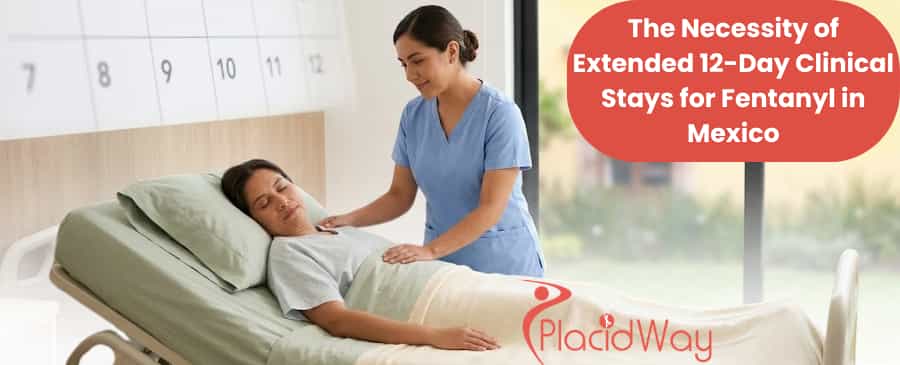
The global rise of synthetic opioids has necessitated a shift in how clinicians approach detoxification and rehabilitation. For individuals seeking fentanyl addiction treatment in Mexico, the complexity of this substance requires more than a standard detox period. Fentanyl's unique chemical profile allows it to store within the body's adipose tissue, leading to a prolonged and often unpredictable withdrawal timeline.
Many patients traveling for medical tourism in Mexico find that traditional 3-to-5-day programs are insufficient for achieving biological stabilization. An extended clinical stay ensures that the physical dependency is addressed comprehensively, reducing the immediate risk of relapse. By choosing a specialized environment, patients can undergo the most difficult stage of recovery with 24/7 medical oversight and compassionate care.
Fentanyl is estimated to be 50 to 100 times more potent than morphine, which is why the withdrawal symptoms are significantly more intense and long-lasting than those of natural opiates.
The Medical Rationale for 12-Day Clinical Stays for Fentanyl in Mexico
The primary reason for the necessity of extended 12-day clinical stays for fentanyl in Mexico lies in the drug's lipophilic nature. Unlike heroin, which clears the system relatively quickly, fentanyl metabolites can linger, causing "waves" of withdrawal symptoms that peak much later than expected. A 12-day window allows physicians to monitor these fluctuations and adjust medications in real-time to ensure patient safety.
During these twelve days, the body undergoes a profound transition from chemical dependency to a baseline state of equilibrium. Attempting to rush this process can lead to severe cardiovascular stress or respiratory complications. In a clinical setting in Mexico, patients receive the benefit of specialized opioid withdrawal protocols that prioritize physiological stability over speed, ensuring the foundation for long-term sobriety is firm.
Clinical studies suggest that patients who complete a supervised 10-to-14-day detox are up to 40% more likely to transition successfully into long-term residential or outpatient programs compared to those in 72-hour programs.
Comprehensive Protocols for Substance Abuse Recovery in Mexico
Clinics offering substance abuse treatment in Mexico have developed sophisticated approaches to handle the rigors of fentanyl detox. These protocols typically involve a combination of medication-assisted treatment (MAT), intravenous (IV) hydration, and neuro-restorative therapies. By addressing the brain's neurochemistry alongside physical symptoms, these facilities provide a more holistic recovery experience.
Standard care during an extended stay often includes the administration of non-addictive comfort medications to manage nausea, muscle aches, and insomnia. This high level of affordable fentanyl detox in Mexico allows patients to remain comfortable enough to participate in early-stage counseling. This dual-track approach ensures that the mind begins to heal at the same time as the body clears the toxins.
- Medication-Assisted Treatment (MAT): Using FDA-approved medications to stabilize brain chemistry.
- IV Vitamin Therapy: Replenishing essential nutrients depleted by chronic opioid use.
- Continuous Monitoring: Real-time tracking of vital signs to prevent cardiac or respiratory distress.
- Psychological Triage: Early intervention for anxiety or depression triggered by withdrawal.
Analyzing the Fentanyl Detox Cost in Mexico
Understanding the fentanyl detox cost in Mexico is a crucial factor for many families considering international care. While the level of medical attention is exceptionally high, the operational costs in Mexico allow these facilities to offer 12-day programs at a fraction of the price found in the United States. This accessibility makes long-term clinical stays a viable option for those without extensive insurance coverage.
The pricing typically includes all medical consultations, medications, laboratory tests, and nursing care for the duration of the stay. When comparing opioid rehabilitation in Mexico to domestic options, patients often find that they can receive more personalized, one-on-one attention for a lower total investment. Below is a breakdown of average market rates for these specialized services.
| Procedure Name | Average Cost in Mexico | Cost in USA/Canada |
|---|---|---|
| 12-Day Clinical Fentanyl Detox | $8,500 - $12,000 | $25,000 - $45,000 |
| 7-Day Rapid Opioid Detox | $6,000 - $8,000 | $15,000 - $22,000 |
| Full Bio-Restoration Program | $12,500 - $18,000 | $40,000+ |
Managing High-Risk Withdrawal during Opioid Rehabilitation in Mexico
The safety of the patient is the paramount concern during opioid rehabilitation in Mexico. Fentanyl withdrawal is notoriously difficult, often characterized by severe dehydration and electrolyte imbalances if not managed correctly. An extended clinical stay provides the time necessary to move past the "danger zone" of the withdrawal process where these risks are most acute.
Clinical teams in Mexico are generally well-versed in handling the specific nuances of synthetic opioids. They utilize advanced medical monitoring to detect early signs of complications. This proactive stance is what differentiates a high-quality clinical stay from a standard residential program, providing a safety net that is essential for a substance as potent as fentanyl.
Attempting to detox from fentanyl without professional medical supervision can lead to life-threatening complications, including severe dehydration and cardiac arrhythmias. Always seek a clinical setting for withdrawal management.
The Role of Specialized Clinical Oversight for Fentanyl in Mexico
The role of specialized clinical oversight for fentanyl in Mexico cannot be overstated. Unlike general addiction treatment, fentanyl requires a medical team that understands the pharmacological half-life and the receptors involved. This expertise ensures that medications used to ease withdrawal are administered at the precise moment they are needed most.
Furthermore, having a dedicated physician and nursing staff available 24/7 means that every patient receives a tailored experience. In fentanyl clinics in Mexico, the staff-to-patient ratio is often higher than in public hospitals, allowing for the kind of intensive observation required during the first 12 days. This level of care fosters a sense of security, which is vital for a patient’s mental well-being during a crisis.
- Verify that the clinic has 24/7 onsite medical doctors, not just nursing staff.
- Ask for a detailed itinerary of the 12-day clinical protocol before booking.
- Ensure the facility has emergency equipment and transfer protocols in place.
Safety Standards for Medical Tourism in Mexico for Addiction
Safety is a primary concern for those exploring medical tourism in Mexico for addiction. High-end facilities often seek international certifications or adhere to stringent internal protocols that mirror Western standards. This commitment to quality ensures that patients receive evidence-based care in a hygienic and controlled environment.
The safety of addiction treatment in Mexico is further enhanced by the clinical nature of the 12-day stay. By remaining within a medical facility, patients are protected from external triggers and have immediate access to life-saving interventions if needed. This structured environment is often the deciding factor in a patient's ability to successfully navigate the first few weeks of recovery.
Case Summary: Success through Duration
A 34-year-old male with a 2-year history of fentanyl use sought treatment in Mexico after failing three 5-day detox programs in the US. By completing a full 12-day clinical protocol, he was able to reach a level of physical stability that allowed him to successfully transition to long-term care for the first time.Psychological Support and Dual Diagnosis for Fentanyl in Mexico
Recovery is not just a physical process; it is a psychological one. Many patients struggling with fentanyl also face underlying mental health challenges, such as anxiety, PTSD, or depression. Specialized fentanyl treatment in Mexico often includes a dual-diagnosis component, where these co-occurring disorders are addressed alongside the addiction.
During the 12-day stay, patients typically begin meeting with psychologists or counselors who specialize in addiction trauma. This early intervention helps patients understand the root causes of their substance use while they are in a safe, clinical setting. Addressing the mind and the body simultaneously increases the efficacy of the addiction treatment in Mexico and prepares the patient for the emotional work ahead.
Dual diagnosis treatment is considered the "gold standard" in addiction medicine, as approximately 50% of people with a substance use disorder also experience a co-occurring mental health condition.
Nutritional and Holistic Restoration during Recovery in Mexico
Chronic fentanyl use often leads to severe nutritional deficiencies and physical depletion. Part of the necessity of extended 12-day clinical stays for fentanyl in Mexico is the time required for "bio-restoration." This involves intensive nutritional therapy, often delivered via IV, to replenish the brain and body with the building blocks it needs to heal.
Clinics often integrate holistic elements such as massage, acupuncture, or guided meditation into the 12-day schedule. These therapies help manage the cortisol spikes and nervous system hypersensitivity that follow opioid withdrawal. By offering a holistic fentanyl recovery in Mexico, facilities help patients feel "human" again, which is a powerful motivator during the early stages of sobriety.
Amino acid therapy and high-dose vitamin C protocols are frequently used in Mexican clinical detox to help repair the neurotransmitter damage caused by synthetic opioids.
Advanced Medical Technologies for Fentanyl Detox in Mexico
Mexico has become a hub for advanced medical technologies for fentanyl detox, offering treatments that may not be readily available or affordable elsewhere. These can include NAD+ (Nicotinamide Adenine Dinucleotide) infusions, which are believed to accelerate the cellular repair process and significantly reduce cravings during the 12-day clinical window.
Utilizing these cutting-edge therapies requires precise medical management, making the 12-day clinical stay even more critical. Fentanyl specialists in Mexico use these tools to "reset" the brain's reward system, providing a smoother transition than traditional "cold turkey" or tapered methods. This innovative approach is a hallmark of the high-quality care found in specialized Mexican facilities.
Case Summary: The NAD+ Advantage
A 28-year-old patient reported a 70% reduction in acute cravings after a series of NAD+ infusions during her 12-day clinical stay in Mexico. She noted that the medical environment allowed her to receive high-dose therapy that her local outpatient center couldn't provide.Patient Suitability for Extended Clinical Stays for Fentanyl in Mexico
Not everyone requires a 12-day clinical stay, but for those with high-dose fentanyl habits, it is often the safest path. Determining patient suitability for extended stays in Mexico involves a comprehensive pre-admission assessment. This includes evaluating the length of use, daily dosage, and any underlying medical conditions that could complicate withdrawal.
Generally, patients who have experienced previous "failed" detox attempts are the primary candidates for this intensive level of care. The 12-day program in Mexico offers a comprehensive opioid recovery environment that targets the physical and psychological barriers that lead to early relapse. If a patient is determined to be at high risk for "Post-Acute Withdrawal Syndrome" (PAWS), the extended clinical stay becomes an absolute necessity.
- Be honest about your exact dosage during the pre-screening; this is vital for your safety.
- Pack comfortable clothing and items that provide emotional comfort, as the first few days can be mentally taxing.
- Inquire about the facility's policy on family communication during the initial 12-day detox phase.
Post-Treatment Planning for Addiction Recovery in Mexico
A 12-day clinical stay is only the beginning of a lifelong journey. High-quality addiction recovery programs in Mexico prioritize post-treatment planning to ensure the gains made during detox are preserved. This often includes coordinating with therapists, support groups, or outpatient clinics in the patient’s home country to provide a seamless transition.
Before discharge, patients typically receive a comprehensive "Aftercare Roadmap." This plan details medications, lifestyle changes, and follow-up appointments. By focusing on long-term recovery for fentanyl in Mexico, clinics help patients bridge the gap between clinical stabilization and daily life, significantly improving the chances of sustained sobriety.
Case Summary: Seamless Re-Entry
A patient from Canada utilized the 12-day stay in Mexico to stabilize and then directly entered a sober living house upon return. The clinical team in Mexico worked with his local doctor to ensure his medication management continued without interruption.
Why Choose Medical Tourism in Mexico for Fentanyl Treatment?
Choosing medical tourism in Mexico for fentanyl treatment offers a unique combination of clinical excellence, privacy, and affordability. For many, the ability to "unplug" from their local environment and the triggers associated with it is a major factor in their success. Mexico provides a tranquil setting where the sole focus is on healing and restoration.
The benefits of fentanyl detox in Mexico extend beyond the cost. Patients receive a level of compassionate, high-touch care that is often lost in large, bureaucratic healthcare systems. With a 12-day clinical stay, patients have the time they need to rebuild their physical health and gain the mental clarity necessary to face the challenges of addiction recovery with confidence.
Mexico has over 15 years of history as a top destination for medical tourism, with many facilities specializing specifically in high-risk chemical dependency cases.
How PlacidWay Assists Your Fentanyl Treatment Journey in Mexico?
Navigating international healthcare can be daunting, especially when dealing with the urgency of addiction. PlacidWay serves as a vital resource for families, providing transparency and connection to verified facilities. We help you find the right fentanyl treatment in Mexico that meets your specific medical needs and budget.
By leveraging our extensive network, we ensure that you are not navigating this path alone. From understanding clinical protocols to comparing facility credentials, our platform is designed to empower you with the information needed to make a life-saving decision. Here is how we support your journey:
- Providing access to detailed clinical profiles and patient case summaries in Mexico.
- Helping you compare the cost of fentanyl detox in Mexico across various high-quality facilities.
- Connecting you with bilingual coordinators who can answer specific questions about the 12-day protocol.
- Offering a centralized platform to request information and receive responses from medical specialists.
- Providing educational resources to help you understand the medical necessity of extended clinical stays.
- Ensuring you have access to clinics that prioritize safety and medical oversight during the detox process.
Case Summary: Navigating Choice
A family used PlacidWay to research five different Mexican clinics. They were able to compare the clinical staff credentials and specifically chose a facility that offered the 12-day extended stay, which they felt was necessary for their daughter's severe fentanyl addiction.
Frequently Asked Questions (FAQ)
Fentanyl is fat-soluble and lingers in the body longer than other opioids, requiring an extended period for the acute withdrawal phase to pass safely under medical supervision.
Yes, many facilities adhere to international standards, providing specialized care that is often more intensive and personalized than domestic outpatient programs.
The average cost for a 12-day clinical stay ranges from $8,000 to $15,000, which is significantly lower than similar inpatient programs in the United States or Canada.
Most international patients can enter on a standard tourist visa (FMM), though it is always recommended to check current Mexican consulate requirements for your specific country.
Top-tier clinical facilities catering to international patients typically employ bilingual medical staff and coordinators to ensure clear communication throughout the recovery process.
Patients are generally provided with a comprehensive aftercare plan, which may include coordination with local therapists or outpatient support in their home country.
Yes, physicians typically use Medication-Assisted Treatment (MAT) to manage withdrawal symptoms and minimize discomfort during the critical first 12 days.
While possible, many patients find it helpful to have a support person or use the assistance of a medical tourism coordinator to navigate the logistics of the journey.
Success rates vary based on individual circumstances, but extended stays generally show higher completion rates for the initial detox phase compared to shorter programs.
Researching clinical credentials, reading patient case summaries, and verifying the specific protocols used for opioid withdrawal are essential steps in the selection process.
Ready to start your journey to recovery?
Contact PlacidWay today for a free consultation and learn more about 12-day clinical stays in Mexico.
- National Institute on Drug Abuse. Fentanyl DrugFacts. https://nida.nih.gov/publications/drugfacts/fentanyl
- Substance Abuse and Mental Health Services Administration. Medication-Assisted Treatment. https://dn710102.ca.archive.org/0/items/www.samhsa.gov/www.samhsa.gov/sites/default/files/programs_campaigns/medication_assisted/mat-pdoa-fact-sheet.pdf
- World Health Organization. Opioid Overdose Prevention. https://www.who.int/news-room/fact-sheets/detail/opioid-overdose
- Mayo Clinic. Opioid withdrawal: What to expect. https://www.mayoclinic.org/diseases-conditions/prescription-drug-abuse/in-depth/tapering-off-opioids-when-and-how/art-20386036
- Centers for Disease Control and Prevention. Understanding the Opioid Overdose Epidemic. https://www.cdc.gov/overdose-prevention/about/understanding-the-opioid-overdose-epidemic.html?CDC_AAref_Val=https://www.cdc.gov/opioids/basics/epidemic.html







.png)
.png)
.png)




.jpg)
.jpg)
.jpg)
.jpg)








Share this listing