


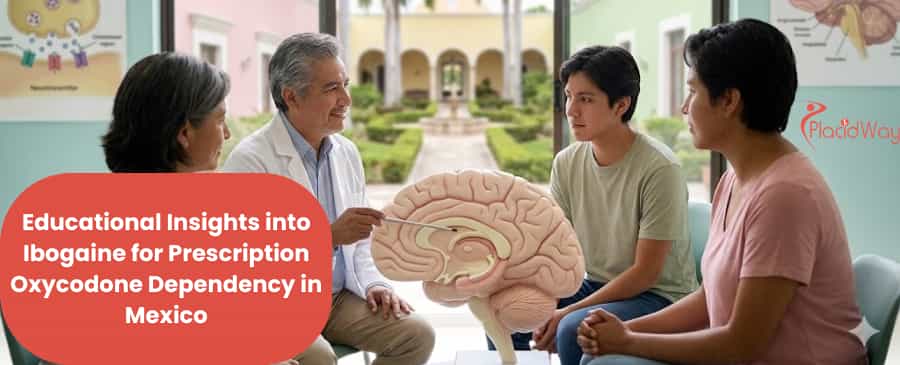
Seeking help for prescription oxycodone dependency in Mexico has become a prominent choice for individuals who have found traditional rehabilitation methods insufficient. Ibogaine, a naturally occurring psychoactive alkaloid derived from the root bark of the Tabernanthe iboga plant, is increasingly recognized for its unique ability to interrupt opioid addiction. In Mexico, where the substance is not scheduled, specialized clinics offer a medically supervised environment that focuses on both physical detoxification and psychological healing.
The journey toward recovery often involves overcoming the intense fear of withdrawal, which is where ibogaine for opioid addiction proves most effective. By interacting with various neurotransmitter systems, it typically helps reset the brain's chemistry to a pre-addicted state, significantly reducing or even eliminating withdrawal symptoms. This allows patients to bypass the most painful part of recovery, providing a "clear window" to begin the deeper work of sobriety and behavioral change.
Ibogaine is unique because it is converted by the liver into noribogaine, a compound that stays in the system for weeks, helping to suppress cravings and stabilize mood long after the initial treatment session.
How Ibogaine for Prescription Oxycodone Dependency in Mexico Works?
The mechanism behind ibogaine treatment in Mexico is multifaceted, targeting the root causes of dependency at a cellular level. Oxycodone, a potent semi-synthetic opioid, binds heavily to mu-opioid receptors, creating a cycle of tolerance and physical craving. Ibogaine works by temporarily blocking these receptors and stimulating the production of Glial Cell Line-Derived Neurotrophic Factor (GDNF), which promotes the growth of new neurons and strengthens existing neural pathways.
This process is often described as a "neurochemical reset" that addresses the chemical imbalance caused by prolonged oxycodone use and dependency. Beyond the physical aspects, ibogaine typically induces a deep, dream-like state that allows patients to process past traumas and the underlying emotional triggers of their addiction. This dual-action approach—addressing both the physical "hardware" and the emotional "software"—is what sets Mexico's ibogaine clinics apart from conventional detox centers.
Clinical observations suggest that a single dose of ibogaine can reduce opioid withdrawal symptoms by up to 80-90% within the first 24 to 48 hours of administration.
The Science of Ibogaine and Oxycodone Withdrawal Treatment
Modern medical tourism in Mexico has advanced the scientific application of ibogaine, moving it from a ceremonial context into a clinical setting. Research into ibogaine therapy for drug addiction indicates that the alkaloid influences serotonin and dopamine levels, which are frequently depleted in patients struggling with oxycodone dependency. By restoring these levels, patients often experience an immediate relief from the profound depression and anxiety that usually accompanies opioid withdrawal.
Furthermore, the anti-addictive properties of ibogaine are supported by its ability to modulate the brain's "reward circuitry." For someone dealing with prescription drug dependency in Mexico, this means the obsessive thoughts about the next dose are quieted. While it is not a "magic pill" that cures addiction overnight, the science suggests it provides a biological advantage that makes long-term recovery much more attainable for those who have failed at standard tapering protocols.
Studies on ibogaine treatment for opioid dependency show that approximately 60% to 70% of patients remain opioid-free for at least one month post-treatment, a timeframe significantly higher than cold-turkey attempts.
Affordable Ibogaine Treatment Cost in Mexico
When considering affordable ibogaine treatment in Mexico, it is important to understand what the investment covers. Unlike the United States or Canada, where ibogaine is not legally available for clinical use, Mexico offers a market where high-quality medical care is accessible at a fraction of the cost of private residential rehab. The price generally includes 24/7 medical supervision, pre-treatment diagnostics, the ibogaine session, and post-treatment integration sessions.
The cost of ibogaine for oxycodone dependency can vary depending on the level of luxury and the length of the stay. Patients traveling for medical tourism in Mexico often find that even the most high-end, medically intensive clinics are more cost-effective than repeating multiple failed detox attempts at home. Below is a realistic comparison of costs associated with addiction treatment paths.
| Procedure/Program Name | Average Cost in Mexico | USA/UK/Canada Comparison |
|---|---|---|
| Standard 7-Day Ibogaine Program | $5,500 – $8,000 | Not Available Clinically |
| Premium Ibogaine Medical Detox | $9,000 – $12,500 | Not Available Clinically |
| 30-Day Traditional Residential Rehab | $10,000 – $15,000 | $25,000 – $60,000 |
Benefits of Choosing Ibogaine for Opioid Addiction in Mexico
One of the primary benefits of ibogaine for opioid addiction in Mexico is the rapid nature of the detoxification process. While standard detox from oxycodone can take weeks of agonizing symptoms, ibogaine typically condenses the most acute physical withdrawal into a period of 24 to 36 hours. This efficiency is highly valued by professionals and individuals who cannot afford months away from their responsibilities but need a decisive break from dependency.
Another significant advantage is the psychological breakthrough many patients experience. Mexico addiction recovery centers often pair ibogaine with therapeutic integration, helping patients understand why they turned to oxycodone in the first place. This spiritual and psychological clarity provides a foundation for a new lifestyle, making it more than just a physical cleanse; it is a holistic reboot of the patient’s life direction and mental health.
- Ensure your passport is valid for at least six months beyond your planned date of return.
- Request a detailed medical screening list from the clinic before you book your flight.
- Arrange for "aftercare" support at home to maintain the progress made during your stay in Mexico.
The Clinical Protocol for Ibogaine in Mexico
A rigorous ibogaine protocol for oxycodone dependency begins long before the patient arrives in Mexico. Reputable clinics require extensive medical records, including recent EKG (electrocardiogram) results and comprehensive blood panels to assess liver and kidney function. Because ibogaine puts stress on the heart, this screening is the most critical step in ensuring safe ibogaine treatment in Mexico for every patient.
Once on-site, the process generally involves a stabilization period where the patient is transitioned off oxycodone. On the day of the "flood dose," patients are continuously monitored by medical staff using EKG machines and pulse oximeters. This high level of medical supervision during addiction treatment is what distinguishes professional Mexican clinics from unregulated underground providers, providing peace of mind for international patients and their families.
A New Lease on Life
"After five years of prescription oxycodone use following a back injury, I felt trapped. The ibogaine treatment in Mexico was intense, but it stopped the withdrawal in its tracks. I walked out of the clinic without that heavy 'cloud' over my head for the first time in half a decade." — Mark T., USA
Medical Tourism in Mexico for Addiction Recovery
Mexico has emerged as a global hub for medical tourism for addiction recovery, largely due to its progressive stance on alternative therapies and its robust healthcare infrastructure. Patients traveling for ibogaine treatment in Mexico benefit from a culture of hospitality and high-quality clinical care. Many facilities are located in serene settings, such as coastal towns or quiet suburban estates, which provide a tranquil environment conducive to deep healing and reflection.
The accessibility of safe addiction treatment in Mexico is also a major draw. With major international airports and a well-established medical travel sector, navigating the logistics of a trip to a Mexico clinic is relatively straightforward. Most top-tier facilities offer airport pick-up services and have English-speaking staff, ensuring that the patient's only focus remains on their recovery journey and physical well-being.
Ibogaine is strictly contraindicated for individuals with certain heart conditions (like Long QT Syndrome) or severe psychiatric disorders such as schizophrenia. Never attempt to source or use ibogaine without professional medical screening and 24/7 clinical supervision.
Safety Standards and Risks of Ibogaine Treatment in Mexico
While the rewards can be significant, understanding the risks of ibogaine treatment is essential for any prospective patient. The primary safety concern is its effect on the heart's electrical system, specifically the prolongation of the QT interval, which can lead to arrhythmias. This is why certified ibogaine clinics in Mexico emphasize continuous cardiac monitoring and the presence of ACLS (Advanced Cardiac Life Support) trained personnel throughout the treatment window.
Other potential side effects include ataxia (loss of muscle coordination), tremors, and nausea during the acute phase of the treatment. Most patients experience these symptoms as temporary, fading as the medicine is metabolized. By choosing a facility that adheres to international safety standards for ibogaine therapy, the risks are typically managed effectively, making the procedure a viable option for those physically cleared by a medical doctor.
The use of ibogaine for addiction was first discovered accidentally in 1962 by Howard Lotsof, who was a heroin addict at the time. He found that after one dose, he had no withdrawal symptoms and no urge to use drugs.
Preparing for Your Ibogaine Journey in Mexico
Preparation is the key to a successful experience with ibogaine for prescription drug dependency in Mexico. Patients are generally advised to stay well-hydrated and maintain a nutritious diet in the weeks leading up to their treatment. It is also common for clinics to request that patients stop taking certain supplements or medications that could interact negatively with ibogaine, such as certain antidepressants or heart medications.
Mental preparation is equally vital. Entering recovery in Mexico with an open mind and a clear intention can significantly enhance the psychological benefits of the treatment. Many successful patients spend time before their trip journaling about their goals for a sober life and identifying the habits they wish to change. This proactive approach helps the brain "prime" itself for the neuroplasticity that ibogaine typically facilitates.
Clarity After Chaos
"I was skeptical about traveling to Mexico, but the medical team was more professional than any hospital I'd visited in the UK. The ibogaine didn't just stop my oxycodone cravings; it gave me the mental space to understand my anxiety." — Sarah L., UK
Post-Treatment Integration and Long-Term Success
The "afterglow" period following ibogaine treatment in Mexico is a critical time for cementing recovery. During this phase, the brain is exceptionally plastic, meaning it is easier to form new, healthy habits and break old, destructive ones. Reputable clinics provide integration specialists who work with patients to develop a comprehensive "life plan" that includes therapy, support groups, and lifestyle adjustments tailored to their specific needs.
Long-term success with oxycodone dependency recovery depends heavily on this post-treatment work. Ibogaine provides the "reset," but the patient must build the "new life." Patients are typically encouraged to engage in activities like mindfulness, regular exercise, and community-based recovery programs once they return home to ensure the benefits of their Mexico addiction therapy last a lifetime.
Research indicates that patients who participate in at least six months of integration therapy following ibogaine treatment have a 50% higher chance of long-term sobriety compared to those who do not.
Choosing the Best Ibogaine Clinics in Mexico
Selecting from the various ibogaine clinics in Mexico requires careful due diligence. A high-quality clinic should be transparent about its medical staff’s qualifications and the specific safety equipment they have on-site. Don't hesitate to ask about their emergency protocols or how many patients they treat at one time; smaller patient-to-staff ratios typically allow for more personalized care and closer monitoring during the critical flood dose.
Furthermore, look for facilities that focus specifically on opioid dependency and ibogaine. Clinics that specialize in this area will have a better understanding of the specific challenges associated with oxycodone, such as cross-tolerance issues and the nuances of transitioning from synthetic opioids to ibogaine. Reading verified patient testimonials and seeking independent reviews can also provide valuable insights into the clinic's reputation and success rates.
Professional and Safe
"The medical screening I underwent for my Mexico ibogaine treatment was more thorough than my last physical. I felt safe knowing a doctor was watching my heart the whole time. It's been two years since I touched an oxycodone pill." — James R., Canada
The Role of Support Systems in Addiction Recovery
No one recovers from prescription oxycodone dependency in Mexico in a vacuum. The role of family and friends is paramount during the recovery journey. Many Mexican clinics offer family counseling sessions via video call to help loved ones understand how they can best support the patient during the integration phase. This helps rebuild trust and creates a supportive home environment for the patient's return.
Additionally, connecting with a global community of ibogaine "alumni" can be incredibly beneficial. Many people who have undergone addiction treatment in Mexico find strength in sharing their stories and supporting others who are just beginning their path to sobriety. This peer support, combined with professional medical care, creates a robust framework that significantly increases the likelihood of maintaining an oxycodone-free life.
- Pack comfortable, loose-fitting clothing for your stay, as you will spend a lot of time resting.
- Inform your bank of your travel plans to Mexico to ensure your cards work for any incidental expenses.
- Bring a journal to document your thoughts and insights during the integration days.
How PlacidWay Assists Your Ibogaine Medical Tourism Journey in Mexico?
Navigating the options for medical tourism in Mexico can be overwhelming, especially when dealing with the stress of addiction. PlacidWay serves as a comprehensive resource to help you find the right fit for your medical needs and recovery goals. Our role is to bridge the gap between international patients and world-class medical facilities, ensuring you have the information necessary to make an informed decision.
PlacidWay focuses on providing value-based assistance for your ibogaine journey in Mexico through the following services:
- Connecting you with a wide network of vetted ibogaine clinics throughout Mexico.
- Providing transparent information regarding clinical certifications and medical staff credentials.
- Facilitating direct communication between you and the clinic’s medical team for pre-screening.
- Offering detailed cost comparisons to help you find a program that fits your budget.
- Supplying educational resources and guides on what to expect during addiction treatment abroad.
- Assisting with the collection of necessary medical records and EKG results for clinic review.
- Providing access to patient reviews and testimonials to help gauge clinic quality.
Final Thoughts on Ibogaine for Oxycodone Dependency
The decision to pursue ibogaine for prescription oxycodone dependency in Mexico is often a turning point in a person's life. It represents a shift from the endless cycle of "managing" addiction to a proactive attempt at deep, physiological, and psychological healing. While the treatment requires courage and careful medical screening, the potential for a life free from the chains of opioid dependency is a powerful motivator for thousands of international patients every year.
As you consider this path, remember that the most successful outcomes are achieved when ibogaine therapy in Mexico is viewed as a beginning, not an end. It provides the biological leverage needed to stop the use of oxycodone, but the lasting change comes from the choices made every day thereafter. With the right clinical support and a commitment to integration, a new, vibrant life in recovery is entirely possible.
The "grey day" is a term often used by ibogaine patients to describe the day after treatment when they feel physically exhausted but mentally clear, marking the start of their new, sober life.
Frequently Asked Questions
Yes, ibogaine is not a scheduled substance in Mexico, which allows specialized clinics to operate and provide treatment legally under medical supervision.
Most programs last between 7 to 10 days, including arrival, medical prep, the ibogaine session, and several days of supervised integration and recovery.
The main risk is cardiac arrhythmia; therefore, strict EKG screening and continuous heart monitoring during the procedure are mandatory for patient safety.
Clinics often have specific protocols; some require you to switch to short-acting opioids, while others handle the transition on-site. Always follow the clinic's specific medical advice.
While results vary, many find it highly effective for interrupting the physical addiction cycle. Long-term success is significantly improved with consistent post-treatment therapy and integration.
Reputable clinics in Mexico have licensed medical doctors and nurses on-site to monitor patients 24/7 during the treatment process.
The cost typically ranges from $5,000 to $10,000, which is often more affordable than high-end residential rehabs in the US that do not offer ibogaine.
Look for ACLS-certified staff, modern cardiac monitoring equipment, comprehensive pre-screening protocols, and a strong emphasis on post-treatment integration support.
Most citizens from the US, Canada, and the UK only need a valid passport and an entry permit (FMM) provided by the airline or at the border.
Integration is a therapeutic process where you work with counselors to translate the insights gained during your ibogaine experience into actionable changes for your daily life.
Ready to explore your options for recovery?
PlacidWay helps you connect with top-rated clinics in Mexico for specialized addiction treatment.
- National Center for Biotechnology Information. Ibogaine therapy for drug addiction. https://pubmed.ncbi.nlm.nih.gov/23627782/
- Multidisciplinary Association for Psychedelic Studies (MAPS). Ibogaine Research. https://maps.org/ibogaine/
- Wikipedia. Ibogaine. https://en.wikipedia.org/wiki/Ibogaine
- ICEERS. Ibogaine Technical Report. https://www.iceers.org/en/articles/iboga-ine-community-engagement-initiative-phase-1-report/
- Journal of Psychoactive Drugs. Treatment of opioid use disorder with ibogaine. https://www.tandfonline.com/toc/ujpd20/current





.png)
.png)
.png)








Share this listing