


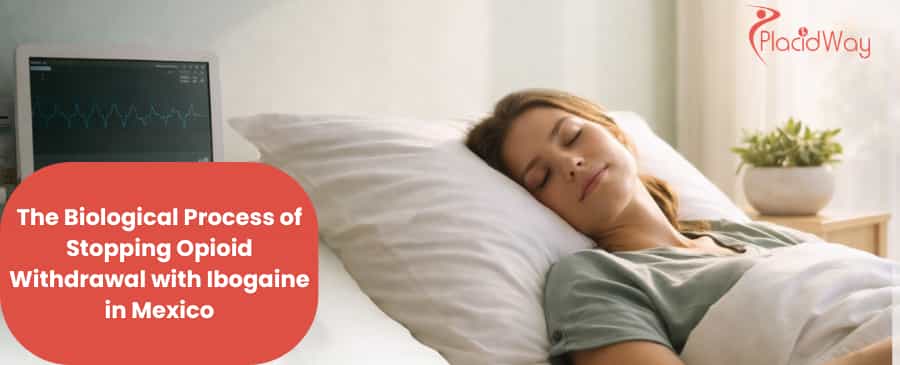
The journey toward sobriety often feels like an uphill battle against one's own biology. For many, ibogaine treatment in Mexico has emerged as a revolutionary bridge between active addiction and a clean slate, offering a unique pharmacological approach to opioid withdrawal treatment. This naturally occurring alkaloid, derived from the Tabernanthe iboga plant, is known for its ability to significantly reduce withdrawal symptoms and cravings.
Mexico has become a global hub for this therapy because the substance is not a controlled medicine there, allowing for the development of high-standard medical tourism in Mexico. Patients from across the globe seek out these specialized facilities to undergo a biological detox that traditional methods often fail to provide. By addressing the brain's chemistry directly, this treatment offers a reprieve that is both physical and psychological in nature.
- Non-addictive alkaloid therapy.
- Specialized focus on opioid receptor reset.
- Access to affordable addiction treatment in Mexico.
- Holistic integration with medical supervision.
Ibogaine is unique because it is metabolized by the liver into noribogaine, which remains in the body for weeks, effectively acting as a natural anti-depressant and craving-suppressant during early recovery
The Biological Process of Ibogaine in Mexico
The science behind how ibogaine works is fascinating and complex, involving multiple neurotransmitter systems simultaneously. When a patient receives ibogaine therapy in Mexico, the alkaloid interacts with mu-opioid receptors, effectively "resetting" them to a pre-addiction state. This is not a replacement therapy like methadone; it is a total neurochemical restoration that halts the acute withdrawal phase in its tracks.
Beyond the opioid receptors, ibogaine also affects the NMDA receptors and nicotinic receptors, which play a role in habit formation and memory. By modulating these pathways, the treatment helps to break the cyclic nature of addiction. The biological process of ibogaine provides a window of neuroplasticity, where the brain is more receptive to new, healthy behaviors and thought patterns.
- Mu-Opioid Receptor Antagonism: Neutralizes the physical need for opioids.
- GDNF Expression: Increases Glial Cell Line-Derived Neurotrophic Factor, promoting neuron repair.
- Serotonergic Activity: Boosts mood and provides emotional insights.
- Dopamine Regulation: Rebalances the reward system of the brain.
Scientific Mechanisms of Opioid Receptor Reset
The core reason patients seek ibogaine clinics in Mexico is the "reset" phenomenon. Chronic opioid use causes the brain's receptors to become desensitized and downregulated. Ibogaine functions as a protean agonist, which helps return these receptors to their original sensitivity. This typically happens within hours of the "flood dose," providing relief that normally takes weeks of painful detox to achieve.
This biological reset is accompanied by a significant reduction in the production of corticotropin-releasing factor (CRF), which is responsible for the anxiety and stress associated with withdrawal. By lowering these stress signals, patients can undergo detoxification in Mexico without the intense physical trauma usually associated with quitting "cold turkey." It is a comprehensive pharmacological intervention that addresses the root of physical dependency.
Studies have suggested that ibogaine can reduce withdrawal scores by up to 90% within the first 24 to 48 hours of treatment when administered in a clinical setting.
Affordable Ibogaine Treatment Cost in Mexico
One of the primary drivers of medical tourism in Mexico for addiction recovery is the cost-effectiveness of the programs. While the price of ibogaine treatment in Mexico can seem high at first glance, it is significantly more affordable than long-term residential rehabs in the United States or Europe. The cost usually covers medical screening, the ibogaine itself, professional nursing care, and psychological support.
Patients should look for all-inclusive ibogaine packages that provide a transparent breakdown of fees. Generally, the cost of addiction recovery in Mexico reflects the high level of one-on-one medical attention required for a safe ibogaine experience. Below is a comparison of typical costs associated with these procedures in different regions.
| Procedure Name | Avg. Cost in Mexico | Cost in US/Europe (Private) |
|---|---|---|
| Standard 7-Day Ibogaine Detox | $5,000 - $7,000 | $12,000 - $18,000 |
| Extended 10-14 Day Protocol | $7,500 - $10,000 | $20,000+ |
| Fentanyl-Specific Ibogaine Program | $8,000 - $11,000 | N/A (Limited availability) |
Medical Supervision and Safety Protocols in Mexico
Safety is the most critical component when undergoing ibogaine therapy in Mexico. Because ibogaine can affect heart rhythm—specifically the QT interval—reputable clinics prioritize rigorous medical screening for ibogaine. This includes an EKG/ECG, comprehensive blood panels, and liver function tests. Patients are typically monitored 24/7 by medical professionals during the peak of the biological process.
The presence of ACLS (Advanced Cardiovascular Life Support) certified staff is a hallmark of the best ibogaine clinics in Mexico. They ensure that any adverse reactions are handled immediately with emergency protocols. This level of oversight is what makes medical travel to Mexico for this procedure a viable and safe option for those who meet the health criteria.
Never attempt ibogaine treatment without medical supervision. Pre-existing heart conditions or electrolyte imbalances can lead to severe complications during the biological reset process.
Managing the Detox Phase with Ibogaine
The detoxification phase in Mexico usually begins with a period of stabilization. Patients are transitioned off long-acting opioids onto short-acting ones to ensure the ibogaine can work effectively. Once the ibogaine flood dose is administered, the patient enters a state often described as a "waking dream," where the brain processes physical and emotional trauma simultaneously.
During this phase, the biological process of stopping withdrawal is most active. Patients typically experience a heavy sensation in the limbs and visual or auditory "gray noise," but the classic agonizing symptoms of opioid withdrawal—such as cold sweats, tremors, and vomiting—are generally minimal or absent. This allows the body to rest while the brain undergoes its neurochemical repair.
- Stabilization: 24-72 hours of medical observation.
- The Flood Dose: The primary therapeutic session lasting 12-24 hours.
- The Gray Day: A period of reflection and physical recovery following the dose.
- Integration: Preparing the mind for a drug-free life.
Psychological Integration and Neurological Pathways
While the physical reset is vital, the psychological benefits of ibogaine are equally important for long-term success. Ibogaine is often called an "oneirogenic," meaning it induces a dream-like state that allows patients to view their life and addiction from a third-person perspective. This neurological pathway reset helps dismantle the psychological triggers that lead to relapse.
In Mexico's top addiction centers, integration therapy is part of the biological process. Specialists help patients interpret the visions or insights gained during the session. By addressing the root causes of addiction, ibogaine provides more than just a physical detox; it provides a mental foundation upon which a new, sober life can be built.
Ibogaine has been shown to stimulate the production of brain-derived neurotrophic factor (BDNF), which encourages the growth of new neurons and strengthens synaptic connections.
Choosing the Best Clinics in Mexico for Therapy
Selecting the right facility for ibogaine treatment in Mexico is a decision that requires careful research. Prospective patients should look for clinics that offer a high staff-to-patient ratio and have a clear medical protocol in place. Verification of the medical team's credentials and the facility's safety equipment is essential for anyone considering medical tourism for addiction.
Quality Mexican addiction clinics will always require a thorough medical history before acceptance. They should be transparent about their success rates and provide patient testimonials. Checking for third-party certifications or affiliations with international medical travel organizations can also provide an added layer of trust and authority in your choice.
Always ask for a video call with the medical director of the clinic. A reputable facility will be happy to discuss their emergency protocols and the specific biological process they use for ibogaine administration.
Preparing for Your Medical Trip to Mexico
Preparation for ibogaine in Mexico starts weeks before the flight. Patients are often advised to follow a clean diet, hydrate properly, and cease certain supplements or medications that could interfere with the alkaloid. This pre-treatment protocol is designed to optimize the body for the biological reset and ensure the heart and liver are in peak condition.
Logistically, medical travel to Mexico is straightforward, with many clinics located near major airports in cities like Tijuana, Cancun, or Rosarito. Most facilities provide transportation from the airport to the clinic. Setting the right intention is also a key part of the pre-detox preparation, as a focused mindset can significantly enhance the psychological outcome of the therapy.
Case Study: Mark's Recovery
"I had been on high doses of oxycodone for six years. Traditional rehab failed me three times. The ibogaine treatment in Mexico was the only thing that stopped the withdrawal. Within 48 hours, the physical need was gone. It felt like my brain was finally quiet."
Post-Treatment Integration and Aftercare
The biological process doesn't end when the patient leaves the clinic. The metabolite noribogaine continues to work in the system for several weeks, providing a "honeymoon phase" where cravings are non-existent. However, long-term success with addiction recovery in Mexico depends on what happens next. This is why aftercare planning is a critical component of the medical tourism journey.
Clinics often recommend a transition to a "sober living" environment or immediate engagement with a therapist specializing in ibogaine integration. By capitalizing on the neuroplasticity created by the ibogaine, patients can form new habits and coping mechanisms. Without a solid aftercare plan, the biological reset may only be a temporary reprieve rather than a permanent solution.
Case Study: Sarah's New Start
"After the session in Rosarito, the noribogaine effect lasted for about a month. It gave me the mental space to start therapy and actually stick with it. I am now two years sober, and I attribute that to the biological window ibogaine gave me."
Risks and Contraindications for Ibogaine
While the benefits of ibogaine are significant, it is not a "miracle cure" without risks. The primary concern is cardiotoxicity, specifically the prolongation of the QT interval, which can lead to arrhythmias. This is why patients with a history of heart disease, strokes, or severe pulmonary issues are typically excluded from ibogaine therapy in Mexico.
Additionally, certain psychiatric conditions like schizophrenia or bipolar disorder may be exacerbated by the visionary experience. Drug-to-drug interactions are also a major concern; patients must be completely honest about any substances they are taking. Professional Mexican medical clinics use these contraindications to protect the patient and ensure the highest probability of a safe, successful opioid detox.
Ibogaine is not a substitute for heroin or fentanyl. Unlike methadone, it does not stay on the receptors indefinitely, and it has zero potential for abuse or addiction itself.
Comparing Ibogaine with Traditional Rehab Methods
Traditional opioid withdrawal treatment often relies on substitution therapies like Suboxone or Methadone. While these can save lives, they often trade one dependency for another. Ibogaine treatment in Mexico offers a different path: an interruption of addiction. Instead of masking withdrawal, it attempts to resolve the biological drive for the drug entirely.
The time frame is another major difference. Standard detox can take weeks of physical suffering, whereas ibogaine-assisted detox typically addresses the acute phase in just a few days. This efficiency makes it an attractive option for those who cannot afford months away from work or family. However, it requires a high level of medical authority and specialized care to execute safely.
Case Study: David's Transition
"I was tired of being a slave to Suboxone. Moving from that to ibogaine in Mexico was intense, but it worked. The clinic doctors were there every step of the way, and for the first time in ten years, I don't have a chemical in my system."
Legal Status and Regulation in Mexico
Understanding the legal landscape is essential for medical tourists. In Mexico, ibogaine is not listed as a controlled substance, which means it occupies a legal "gray area" that allows for therapeutic use. This has led to a sophisticated industry where clinics can operate openly, but it also means that the burden of quality control often falls on the patient to choose a reputable provider.
Regulations are slowly evolving, with many clinics adhering to international medical standards to ensure safety and authoritative care. The accessibility of the treatment is what makes Mexico the primary destination for ibogaine-assisted recovery. When done correctly, the legal ibogaine therapy in Mexico provides a safe, clinical environment for a life-changing biological process.
The global ibogaine market is growing at an estimated 10% annually, with Mexico being the leading destination due to its proximity to the US and Canada and its welcoming regulatory environment.
How PlacidWay Assists Your Ibogaine Medical Tourism Journey in Mexico?
- Providing access to a curated network of certified ibogaine clinics in Mexico.
- Offering detailed cost comparisons to help you find affordable treatment options.
- Ensuring transparency by facilitating direct communication with medical specialists.
- Assisting with the screening process by helping you understand required medical tests.
- Providing educational resources to help you manage expectations for addiction recovery.
- Highlighting facilities that adhere to high safety and medical protocols.
- Connecting you with patient reviews and testimonials for informed decision-making.
Case Study: Elena's Journey
"PlacidWay helped me sort through all the options in Mexico. I was overwhelmed by the choices, but they pointed me toward a clinic that specialized in my specific needs. I felt supported throughout the entire medical tourism process."
Frequently Asked Questions (FAQs)
Yes, ibogaine is legal to use in a clinical setting in Mexico as it is not a scheduled substance, allowing specialized facilities to operate.
The average ibogaine cost in Mexico ranges from $5,000 to $9,000, depending on the length of stay and level of medical care.
Ibogaine carries cardiac risks, so a reputable clinic will always perform an EKG and blood tests to ensure you are a safe candidate.
Most medical tourism in Mexico for ibogaine lasts between 7 and 10 days to ensure proper detoxification and initial integration.
Most patients report a near-total elimination of cravings for several weeks due to the presence of noribogaine in their system.
While you can travel alone, many find it helpful to have a support person, though the clinic provides 24/7 medical and emotional care.
The best ibogaine clinics in Mexico employ licensed MDs, nurses, and ACLS-trained staff to monitor the biological process.
Clinics often report high short-term success in stopping withdrawal, but long-term sobriety depends on the patient's commitment to aftercare.
Yes, but fentanyl requires a more careful and often longer stabilization period before ibogaine can be safely administered.
Bring comfortable clothing, a journal for insights, and any medical records required by your Mexico addiction center.
Ready to start your journey to recovery with ibogaine in Mexico? Connect with expert clinics through PlacidWay today.
References
- Multidisciplinary Association for Psychedelic Studies (MAPS). Ibogaine Therapy for Opioid Dependence. https://maps.org/research/ibogaine-therapy-for-drug-addiction/
- National Center for Biotechnology Information (NCBI). Ibogaine: A Review of the Mechanisms of Action. https://www.ncbi.nlm.nih.gov/pmc/articles/PMC4382526/
- Iceers. Ibogaine: Science, Botany, and Safety. https://www.iceers.org/en/basic-info/iboga-basic-info/
- Global Ibogaine Therapy Alliance (GITA). Clinical Guidelines for Ibogaine-Assisted Detoxification. https://ibogaineguidelines.com/
- Wikipedia. Ibogaine Medical Research and Legal Status. https://en.wikipedia.org/wiki/Ibogaine



.png)
.png)
.png)








Share this listing