
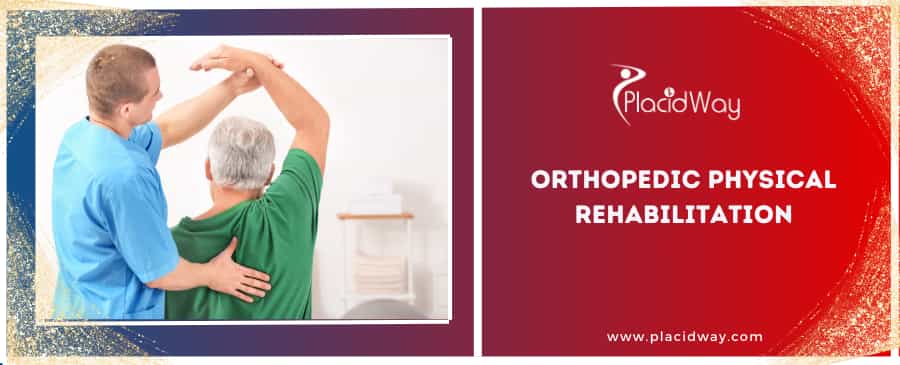
Regain Strength & Mobility: Your Guide to Orthopedic Physical Rehabilitation
Facing life with limited movement, persistent pain, or difficulty performing daily tasks can be incredibly challenging. Whether you're recovering from an injury, navigating post-surgical healing, or managing a chronic musculoskeletal condition, Orthopedic Physical Rehabilitation is your pathway back to an active, pain-free life. This specialized form of physical therapy focuses on restoring function to your skeletal system and the muscles, ligaments, and tendons that support it.
Imagine being able to walk without a limp, lift your grandchild, or return to your favorite sport without discomfort. Orthopedic physical rehabilitation makes these goals achievable. It’s not just about treating symptoms; it’s about understanding the root cause of your limitations and building a personalized plan to strengthen your body, improve flexibility, and enhance your overall quality of life.
Patients seeking "physical therapy after knee replacement," "rehab for back pain," or "recovery from shoulder injury" often find themselves looking for comprehensive and effective solutions. For many, the high costs or long wait times in their home country lead them to explore quality "orthopedic rehabilitation abroad." Medical tourism offers an opportunity to access world-class facilities and expert therapists, often at a fraction of the cost, ensuring a stronger, faster recovery. This guide will walk you through everything you need to know about orthopedic physical rehabilitation, from understanding your symptoms to choosing the best treatment path, whether at home or internationally.
What are the common symptoms that indicate a need for orthopedic physical rehabilitation?
Recognizing the signs that you could benefit from orthopedic physical rehabilitation is the first step towards recovery. Many people initially dismiss discomfort, hoping it will resolve on its own. However, early intervention can often prevent conditions from worsening. Here are common symptoms that suggest it's time to consider rehabilitation:
- Persistent Pain: Chronic or recurring pain in your joints, muscles, or bones that doesn't subside with rest or over-the-counter medication. This could manifest as "knee pain after running," "shoulder pain when lifting," or general "back ache."
- Stiffness and Limited Range of Motion: Difficulty moving a joint fully, such as struggling to raise your arm, bend your knee, or turn your neck. This often indicates joint restriction or muscle tightness.
- Muscle Weakness: A noticeable loss of strength in a limb or body part, making simple tasks like lifting objects or climbing stairs challenging.
- Instability or Balance Issues: Feeling unsteady on your feet, frequent tripping, or a sense that a joint (like your ankle or knee) might "give out."
- Swelling and Inflammation: Persistent swelling around a joint, often accompanied by warmth or redness, can signal underlying injury or inflammation.
- Difficulty with Daily Activities: If tasks like getting dressed, walking, carrying groceries, or even sleeping comfortably become difficult or painful, it's a clear indicator that your physical function is compromised.
- Numbness or Tingling: Especially if accompanied by pain, this could indicate nerve involvement, a common issue treated in orthopedic rehabilitation.
What typically causes the need for orthopedic physical rehabilitation?
Orthopedic conditions requiring rehabilitation can arise from a multitude of factors, ranging from sudden trauma to gradual wear and tear. Understanding the cause helps in tailoring the most effective treatment plan. Common reasons include:
- Post-Surgical Recovery: This is a major driver for rehabilitation. Procedures like total joint replacement (knee, hip, shoulder), ACL reconstruction, spinal fusion, rotator cuff repair, or meniscus surgery all require intensive "rehab after surgery" to regain function and mobility.
- Sports Injuries: Athletes frequently sustain sprains, strains, fractures, dislocations, or tendonitis (e.g., "tennis elbow," "runner's knee"). Rehabilitation focuses on healing, strengthening, and safe return to sport.
- Accidents and Trauma: Car accidents, falls, or workplace injuries can lead to fractures, soft tissue damage, or complex musculoskeletal trauma requiring comprehensive rehabilitation.
- Degenerative Conditions: Conditions like osteoarthritis, rheumatoid arthritis, degenerative disc disease, or osteoporosis can cause chronic pain and mobility limitations that rehabilitation can alleviate and manage. Many search for "physical therapy for arthritis" to manage these conditions.
- Chronic Pain Syndromes: Conditions such as fibromyalgia, chronic low back pain, or neck pain that may not have a clear injury origin but significantly impact daily life.
- Repetitive Strain Injuries: Carpal tunnel syndrome, tendonitis, or bursitis often result from repetitive movements, especially in occupational settings.
- Poor Posture and Biomechanics: Incorrect body mechanics or prolonged poor posture can lead to muscle imbalances, pain, and increased risk of injury over time.
What types of orthopedic physical rehabilitation treatments are available?
Orthopedic physical rehabilitation is a dynamic field that employs a variety of techniques and approaches to help patients recover. A qualified physical therapist will assess your specific condition and create a customized treatment plan. Common therapeutic interventions include:
- Manual Therapy: Hands-on techniques such as massage to release muscle tension, joint mobilization to improve range of motion, and manipulation to restore joint mechanics.
- Therapeutic Exercises: A cornerstone of rehabilitation, including:
- Strengthening Exercises: To rebuild muscle strength, often using resistance bands, weights, or bodyweight.
- Stretching and Flexibility Exercises: To improve joint range of motion and muscle elasticity.
- Balance and Proprioception Training: To enhance stability and body awareness, crucial for preventing falls and re-injury.
- Endurance Training: To improve cardiovascular fitness and muscle stamina.
- Modalities: Using physical agents to reduce pain and inflammation:
- Heat and Ice Therapy: For pain relief and swelling reduction.
- Electrical Stimulation (TENS, EMS): To alleviate pain, reduce muscle spasms, or facilitate muscle contraction.
- Ultrasound: To promote tissue healing and reduce inflammation.
- Laser Therapy: Low-level laser can stimulate cellular function and reduce pain.
- Aquatic Therapy: Performing exercises in water to reduce stress on joints while providing resistance for strengthening. Ideal for early stages of recovery or for those with significant pain.
- Gait Training: For individuals with walking difficulties, focusing on improving walking patterns, balance, and coordination.
- Functional Training: Exercises that mimic daily activities or sport-specific movements to help patients return to their desired level of function.
- Patient Education: Teaching patients about their condition, pain management strategies, proper body mechanics, and home exercise programs to empower self-management and prevent recurrence.
Who is an ideal candidate for orthopedic physical rehabilitation?
Orthopedic physical rehabilitation is beneficial for a wide range of individuals experiencing musculoskeletal issues. If you are asking "who needs physical therapy?" or "am I a candidate for rehab?", consider the following:
- Post-Surgical Patients: Anyone recovering from orthopedic surgery (e.g., joint replacements, fracture repairs, ligament reconstructions) is a prime candidate. Rehabilitation is often a mandatory part of the recovery protocol.
- Individuals with Acute Injuries: Those who have sustained recent sprains, strains, fractures, dislocations, or other soft tissue injuries.
- Individuals with Chronic Musculoskeletal Pain: Patients suffering from conditions like chronic back pain, neck pain, osteoarthritis, tendonitis, or bursitis that affect their daily life and mobility.
- Athletes: Not just for injury recovery, but also for injury prevention, performance enhancement, and optimizing body mechanics in specific sports. Many athletes seek specialized "sports injury rehabilitation."
- Older Adults: To improve balance, strength, and mobility, reducing the risk of falls, and managing age-related musculoskeletal conditions like arthritis or osteoporosis.
- Individuals with Degenerative Conditions: To manage symptoms, slow progression, and maintain function in conditions like multiple sclerosis or Parkinson's disease where motor function is affected.
- Anyone Seeking Improved Function and Quality of Life: If your physical limitations are impacting your ability to enjoy hobbies, work effectively, or simply move comfortably, rehabilitation can help.
What is the typical recovery time and what should I expect during orthopedic rehabilitation?
The journey through orthopedic physical rehabilitation is unique for everyone, largely depending on the severity of the condition, the type of injury, individual healing rates, and commitment to the program. While there's no single answer to "how long does physical therapy take?", here’s what you can generally expect:
- Variable Timeline:
- Minor Sprains/Strains: A few weeks.
- Post-Surgical Recovery (e.g., meniscus repair): 6-12 weeks.
- Major Surgeries (e.g., joint replacement, ACL reconstruction): 3-6 months, sometimes longer for full return to high-level activity.
- Chronic Conditions: Ongoing management, with acute phases lasting several weeks.
- Initial Evaluation: Your first session will involve a thorough assessment of your condition, pain levels, range of motion, strength, and functional limitations.
- Personalized Treatment Plan: Based on the evaluation, your therapist will create a specific plan with measurable goals.
- Regular Sessions: You'll typically attend therapy sessions 2-3 times a week, gradually decreasing in frequency as you progress.
- Home Exercise Program (HEP): A critical component. You'll be given exercises to perform at home daily to reinforce gains made in therapy. Consistency with your HEP significantly impacts your recovery speed.
- Gradual Progression: Exercises and activities will become progressively more challenging as your strength and mobility improve. Your therapist will guide you safely through each stage.
- Pain Management: Therapists will use various techniques to help manage your pain, allowing you to participate more effectively in rehabilitation.
- Education: You'll learn about your condition, proper body mechanics, injury prevention strategies, and how to maintain your progress long-term.
- Setbacks are Normal: It’s common to experience days where you feel more pain or fatigue. Communicate these with your therapist so they can adjust your plan.
What are the potential risks and side effects of orthopedic physical rehabilitation?
Orthopedic physical rehabilitation is widely considered a safe and effective treatment modality. Serious adverse events are rare, especially when conducted by qualified and experienced physical therapists. However, like any medical intervention, there are potential minor risks and side effects:
- Temporary Soreness or Discomfort: It's common to experience muscle soreness, similar to what you might feel after a new workout, especially after challenging exercises. This typically subsides within 24-48 hours.
- Increased Pain: Sometimes, during early stages of rehabilitation or after particularly challenging sessions, you might experience a temporary increase in your baseline pain. It's important to differentiate between "good pain" (muscle fatigue, stretching) and "bad pain" (sharp, stabbing, or radiating pain that signals potential re-injury). Always communicate your pain levels with your therapist.
- Fatigue: Especially for those recovering from major surgery or managing chronic conditions, therapy sessions can be physically demanding and lead to increased fatigue.
- Skin Irritation: From modalities like electrical stimulation (electrodes) or prolonged use of heat/ice packs.
- Bruising: In rare cases, manual therapy techniques might cause minor bruising.
- Re-injury: While therapists work to prevent this, there's a small risk of re-injuring the affected area if exercises are performed incorrectly, if a patient overexerts themselves, or if the progression is too rapid. This risk is significantly mitigated by following your therapist's instructions carefully.
- Allergic Reactions: To lotions, tapes, or materials used in some treatments (very rare).
The benefits of orthopedic physical rehabilitation in terms of pain reduction, improved function, and prevention of long-term disability almost always far outweigh these minimal risks.
How does the cost of orthopedic physical rehabilitation compare worldwide?
Cost is a major consideration for many patients requiring extended physical rehabilitation. In countries with high healthcare costs, such as the United States or Canada, comprehensive rehabilitation programs can quickly become very expensive, even with insurance. This is a primary driver for people seeking "affordable physical therapy" or "cost-effective rehab abroad."
Medical tourism destinations often provide comparable or even superior quality of care, with highly trained therapists and state-of-the-art facilities, but at significantly lower prices. These savings are primarily due to lower operating costs, wages, and insurance premiums in those countries.
Orthopedic Physical Rehabilitation Cost Comparison (Estimated per Session or Full Program)
| Country/Region | Estimated Cost per Session (USD) | Notes |
|---|---|---|
| USA / Canada | $75 - $200+ | Highest costs, often subject to insurance deductibles and co-pays. Full programs can be thousands. |
| Western Europe (UK, Germany, France) | $60 - $150+ | Costs vary; may be covered by public health systems but private pay can be high. |
| Mexico / Costa Rica | $30 - $70 | Popular for high-quality, affordable care and proximity for North Americans. |
| India / Thailand | $20 - $50 | Very cost-effective, excellent facilities, especially for longer-term rehabilitation. |
| Turkey | $25 - $60 | Emerging medical tourism hub with modern clinics and competitive pricing. |
| Eastern Europe (Poland, Czech Republic) | $25 - $60 | Good quality, often part of wellness or spa resort packages. |
*Note: These are approximate estimates and can vary based on the specific clinic, therapist's experience, complexity of the case, and duration of the therapy. Travel and accommodation costs are additional.
Why should I consider orthopedic physical rehabilitation abroad?
For many, the decision to pursue orthopedic physical rehabilitation abroad is a practical and often life-changing choice. Here are compelling reasons why international rehabilitation centers are gaining popularity:
- Significant Cost Savings: As seen in the cost comparison, the most attractive benefit is the potential to save 50% to 80% on total treatment costs compared to Western countries. This makes long-term or intensive rehabilitation affordable.
- Immediate Access to Care: Long waiting lists for specialists or rehabilitation programs can delay recovery at home. Abroad, you often get immediate appointments, ensuring timely intervention.
- World-Class Facilities and Expertise: Many international medical tourism hubs boast JCI-accredited hospitals and clinics with cutting-edge equipment and highly qualified, often internationally trained, physical therapists.
- Comprehensive & Intensive Programs: Foreign clinics often offer intensive daily rehabilitation programs that might not be available or affordable in your home country, accelerating recovery.
- Privacy and Anonymity: For some, undergoing rehabilitation away from their home environment offers a sense of privacy and the opportunity to focus solely on healing.
- Recovery in a Relaxing Environment: Combining rehabilitation with a peaceful vacation-like setting can reduce stress and enhance the healing process. Imagine recovering by the beach!
- Cultural Experience: The opportunity to experience a new culture can be a beneficial psychological boost, transforming a medical necessity into a unique life experience.
- Specialized Treatments: Some clinics abroad specialize in niche orthopedic rehabilitation techniques or use advanced technologies that might not be widely available elsewhere.
Which countries offer the best value and quality for orthopedic physical rehabilitation?
When searching for "best physical therapy abroad" or "top rehab centers for medical tourists," several countries consistently emerge as leaders due to their combination of affordability, quality, and patient experience:
- Mexico: Especially popular for North American patients due to proximity. Mexico offers modern clinics in cities like Cancun, Tijuana, and Guadalajara, with U.S.-trained physical therapists and significant cost advantages.
- Costa Rica: Known for its beautiful natural environment, Costa Rica provides a serene setting for recovery. Its medical facilities are well-regarded, offering high-quality orthopedic rehabilitation at competitive prices.
- India: A global leader in medical tourism, India has numerous JCI-accredited hospitals with dedicated rehabilitation departments. Patients benefit from highly skilled professionals and some of the lowest costs globally for comprehensive, long-term programs.
- Thailand: Combining world-class medical facilities with a reputation for hospitality, Thailand offers excellent orthopedic rehabilitation services. Destinations like Bangkok and Phuket are popular, providing a peaceful recovery experience.
- Turkey: An increasingly popular destination, Turkey boasts state-of-the-art hospitals and clinics, particularly in Istanbul and Ankara. It offers a blend of European standards with competitive pricing, and many facilities cater to international patients.
- Spain & Portugal: For European patients, these countries offer high-quality rehabilitation, often within spa or wellness resort settings, combining therapy with holistic recovery in attractive climates.
- South Korea: Renowned for advanced medical technology and highly specialized care, South Korea provides cutting-edge rehabilitation programs, though at a slightly higher price point than some Asian counterparts.
When choosing a country, consider factors like accreditation (e.g., JCI - Joint Commission International), therapist qualifications, facility amenities, language support, and ease of travel.
How can I ensure safety and quality when choosing orthopedic rehabilitation abroad?
Ensuring safety and quality is paramount when considering any medical procedure, especially abroad. Here’s how you can make an informed and secure choice for your orthopedic physical rehabilitation:
- Choose Accredited Facilities: Look for international accreditations such as Joint Commission International (JCI). JCI accreditation signifies that a hospital or clinic meets stringent international standards for patient safety and quality of care.
- Verify Therapist Credentials: Confirm that the physical therapists are licensed, certified, and have relevant experience and specializations. Many top therapists abroad have international training or certifications.
- Research Patient Reviews and Testimonials: Read reviews on independent platforms and request patient success stories. This provides real-world insights into the patient experience and treatment outcomes.
- Utilize a Reputable Medical Tourism Facilitator: Companies like PlacidWay specialize in connecting patients with vetted, high-quality international clinics. They can help with everything from finding the right facility and getting quotes to travel logistics and language support, significantly reducing risks.
- Ask for a Detailed Treatment Plan: Before you travel, ensure you receive a clear, comprehensive treatment plan outlining the types of therapies, expected duration, and costs.
- Communicate Clearly: Ensure there are clear communication channels, including language support, with your medical team. Good communication is vital for understanding your treatment and expressing concerns.
- Check for Transparency: A reputable clinic will be transparent about its procedures, potential risks, and pricing. Be wary of places that offer unusually low prices without clear explanations.
- Prepare Medical Records: Have all your relevant medical history, diagnostic images (X-rays, MRIs), and current medication lists prepared to share with your international team.
By taking these steps, you can significantly enhance your chances of a safe, effective, and successful orthopedic physical rehabilitation experience abroad.
Take the Next Step with PlacidWay
Ready to explore treatment options abroad? Discover top clinics, compare prices, and get a free quote tailored to your needs with PlacidWay.
Rehabilitation and Medical Spa Treatment















Share this listing