
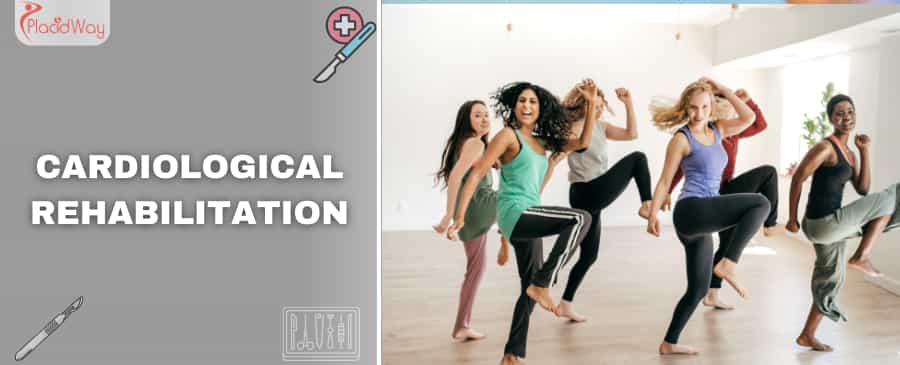
Reclaim Your Heart Health: Comprehensive Cardiological Rehabilitation Programs Worldwide
Facing a heart condition or recovering from cardiac surgery can feel overwhelming. You might be experiencing persistent fatigue, shortness of breath, or anxiety about your future health. It’s natural to wonder, "What's next?" and "How can I get back to feeling myself again?" This is where Cardiological Rehabilitation (often called cardiac rehab) steps in – a crucial, physician-supervised program designed to help you regain strength, improve your heart health, and reduce the risk of future cardiac problems.
Cardiological Rehabilitation isn't just about physical exercise; it's a holistic approach to recovery. It combines tailored exercise regimens, heart-healthy nutrition education, stress management techniques, and lifestyle counseling. Whether you're recovering from a heart attack, bypass surgery, angioplasty, or managing chronic heart conditions like heart failure, cardiac rehab can significantly enhance your quality of life and longevity.
For many, particularly those seeking specialized care, advanced facilities, or more affordable options, exploring Cardiological Rehabilitation programs abroad has become an increasingly popular choice. Medical tourism offers a unique opportunity to access world-class cardiac care while potentially enjoying a restorative environment. Let’s delve deeper into what cardiac rehabilitation entails, who it’s for, and why considering international options might be the best path for your heart health journey.
What symptoms indicate a need for Cardiological Rehabilitation?
If you've recently experienced a cardiac event or undergone heart surgery, your body and mind are likely going through a significant adjustment. Common symptoms that strongly indicate you could benefit from Cardiological Rehabilitation include:
- Persistent Fatigue: Feeling unusually tired, even after minimal activity.
- Shortness of Breath: Difficulty breathing, especially during exertion or even at rest.
- Chest Discomfort or Angina: Any recurring pain, pressure, or tightness in the chest.
- Reduced Exercise Tolerance: Finding it hard to perform activities you once did easily, like walking up stairs or carrying groceries.
- Anxiety and Depression: Emotional distress related to your heart condition or recovery.
- Palpitations: Feeling your heart racing or skipping beats.
These symptoms are your body's way of telling you it needs support to recover and adapt. A comprehensive cardiac rehab program provides the structured environment and expert guidance to address these challenges head-on, helping you regain strength and confidence.
What causes heart conditions requiring Cardiological Rehabilitation?
Understanding the root causes of heart conditions is crucial for prevention and effective rehabilitation. Most individuals referred to Cardiological Rehabilitation have experienced one or more of the following:
- Coronary Artery Disease (CAD): The most common type of heart disease, where arteries supplying blood to the heart become hardened and narrowed due to plaque buildup.
- Myocardial Infarction (Heart Attack): Occurs when blood flow to a part of the heart is blocked, causing heart muscle damage.
- Heart Surgery: Procedures like coronary artery bypass grafting (CABG), heart valve repair or replacement, and heart transplant.
- Angioplasty and Stent Placement: Procedures to open blocked heart arteries.
- Heart Failure: A chronic condition where the heart cannot pump enough blood to meet the body's needs.
- Stable Angina: Chest pain or discomfort that occurs predictably with exertion and is relieved by rest or medication.
Risk factors contributing to these conditions often include high blood pressure, high cholesterol, diabetes, smoking, obesity, physical inactivity, stress, and a family history of heart disease. Cardiac rehab directly addresses many of these modifiable risk factors, empowering patients to make lasting changes.
What types of Cardiological Rehabilitation programs are available?
Cardiological Rehabilitation is generally structured into phases, each tailored to the patient's recovery stage:
- Phase I (Inpatient Rehabilitation): Begins while you are still in the hospital after a cardiac event or surgery. It involves light activity, monitoring, and initial education on your condition.
- Phase II (Outpatient Rehabilitation): This is the most common and intensive phase, typically lasting 6-12 weeks. You attend sessions several times a week, participating in monitored exercise, receiving extensive education on heart-healthy living, nutrition, stress reduction, and medication management.
- Phase III (Maintenance Program): A long-term, less supervised program where you continue to apply the healthy habits learned in Phase II, often in community-based fitness centers or at home.
A typical program might include:
- Supervised Exercise Training: Custom workouts to improve cardiovascular fitness, strength, and endurance.
- Nutritional Counseling: Guidance on adopting a heart-healthy diet.
- Stress Management: Techniques like mindfulness, relaxation, and coping strategies.
- Education: Learning about your heart condition, medications, risk factors, and warning signs.
- Psychosocial Support: Addressing emotional challenges like anxiety and depression.
The specific components and intensity are always individualized based on your medical history, current health, and personal goals.
Who is eligible for Cardiological Rehabilitation?
Cardiological Rehabilitation is highly beneficial for a wide range of patients. You are generally considered eligible if you have experienced or been diagnosed with:
- A recent heart attack (myocardial infarction).
- Coronary artery bypass grafting (CABG).
- Percutaneous coronary intervention (PCI), such as angioplasty and stent placement.
- Heart valve repair or replacement.
- Heart transplant.
- Stable angina (chest pain).
- Heart failure (with stable symptoms).
- Peripheral artery disease (in some cases).
Your cardiologist will assess your specific condition, overall health, and any other medical considerations to determine if cardiac rehab is right for you. It's designed to be safe and effective for most individuals, even those with significant heart conditions, thanks to the careful medical supervision.
What does recovery from Cardiological Rehabilitation look like?
Recovery through Cardiological Rehabilitation is a journey, not a sprint. Patients typically experience a gradual but significant improvement in several areas:
- Increased Physical Endurance: You'll find it easier to perform daily activities, walk further, and participate in light exercise without undue fatigue or shortness of breath.
- Better Symptom Management: Reduced frequency and intensity of chest pain, palpitations, and other cardiac symptoms.
- Improved Mental Well-being: Decreased anxiety and depression, greater confidence in managing your condition, and a more positive outlook.
- Adoption of Healthy Habits: You'll learn to make sustainable changes to your diet, incorporate regular physical activity, and manage stress effectively.
- Reduced Risk of Future Events: Studies consistently show that participants in cardiac rehab have a lower risk of future heart attacks and a reduced mortality rate.
Imagine being able to enjoy walks with loved ones, return to hobbies you once loved, and feel more in control of your health – that's the ultimate goal of cardiac rehab. The duration of recovery varies, but the benefits are designed to be long-lasting, requiring ongoing commitment to the lifestyle changes learned.
Are there risks or side effects associated with Cardiological Rehabilitation?
Cardiological Rehabilitation is a highly safe and effective treatment when conducted under medical supervision. The benefits of participating far outweigh the minimal risks. However, like any medical program involving physical activity, there are some potential considerations:
- Muscle Soreness or Fatigue: Especially at the beginning of an exercise program, you might experience mild muscle soreness or increased fatigue. This is usually temporary and improves as your body adapts.
- Joint Pain: Some individuals may experience temporary joint discomfort, which can often be managed by adjusting exercise routines.
- Cardiac Events (Extremely Rare): While cardiac rehab is designed to prevent these, in very rare instances, a cardiac event (like an abnormal heart rhythm or even a heart attack) could occur during exercise. This risk is profoundly mitigated by continuous monitoring by medical professionals who are trained to respond immediately.
Your medical team will perform thorough assessments to create a safe, individualized plan and monitor your progress closely during sessions, ensuring any potential issues are identified and addressed promptly. This vigilant oversight makes cardiac rehab a remarkably safe environment for recovery.
How much does Cardiological Rehabilitation cost worldwide?
The cost of Cardiological Rehabilitation can be a significant factor for many patients. Prices vary widely based on geographical location, the intensity and duration of the program, the type of facility (hospital-based vs. outpatient clinic), and inclusions like accommodation or specialized therapies. Here's a general comparison:
| Country | Estimated Cost Range (USD) | Notes on Value |
|---|---|---|
| USA / Canada | $10,000 - $30,000+ | High quality, but often high out-of-pocket costs without robust insurance. |
| Western Europe (e.g., UK, Germany) | $8,000 - $25,000 | Excellent standards, may have shorter wait times than public systems. |
| India | $4,000 - $10,000 | Very affordable, high-quality care, often bundled with accommodation. |
| Turkey | $5,000 - $12,000 | Competitive pricing, modern facilities, strong medical tourism infrastructure. |
| Mexico | $4,500 - $11,000 | Proximity for North Americans, good value, growing expertise. |
| Thailand | $6,000 - $15,000 | Renowned for hospitality and high-standard private hospitals. |
These figures are estimates and can vary based on specific program inclusions (e.g., intensive vs. standard, duration, accommodation). It's crucial to get detailed quotes and understand what each package covers.
Why should I consider Cardiological Rehabilitation abroad?
For many patients, seeking Cardiological Rehabilitation abroad presents compelling advantages:
- Cost Savings: Significant cost reductions compared to Western countries, without compromising on quality.
- Access to Specialized Programs: Some international centers offer unique, intensive, or holistic programs that might not be readily available locally.
- Reduced Wait Times: Bypass long waiting lists often found in public healthcare systems.
- Advanced Facilities and Technology: Many medical tourism hubs boast state-of-the-art hospitals with cutting-edge equipment.
- Privacy and Anonymity: For some, receiving care away from their home country offers a greater sense of privacy.
- Recovery in a New Environment: The change of scenery can be psychologically beneficial, promoting relaxation and focus on recovery away from daily stressors.
Considering medical tourism for cardiac rehab means opening up a world of possibilities for your recovery journey.
Which countries offer the best value for Cardiological Rehabilitation medical tourism?
When searching for "cardiac rehab abroad" or "best places for heart recovery overseas," several countries consistently stand out for their combination of quality, affordability, and patient-focused services:
- Germany: Known for its highly structured, evidence-based medical care, Germany offers top-tier cardiac rehab facilities with a strong emphasis on rehabilitation science.
- India: A leader in medical tourism, India provides excellent, affordable care in JCI-accredited hospitals with highly skilled cardiologists and rehabilitation specialists.
- Turkey: With modern hospitals and a strategic location, Turkey offers comprehensive cardiac rehab programs at very competitive prices, often including travel logistics.
- Mexico: A popular choice for North American patients due to proximity, Mexico has an increasing number of high-quality, English-speaking facilities.
- Thailand: Renowned for its luxurious private hospitals, world-class hospitality, and highly trained medical staff, offering a pleasant recovery experience.
These countries often provide all-inclusive packages that simplify the travel and treatment process for international patients.
What should I expect when traveling for Cardiological Rehabilitation overseas?
Embarking on Cardiological Rehabilitation abroad might seem daunting, but medical tourism facilitators like PlacidWay streamline the entire process. Here’s what you can generally expect:
- Initial Consultation & Medical Review: You'll share your medical records for review by overseas specialists to confirm eligibility and treatment plans.
- Personalized Treatment Plan & Quote: Receive a detailed plan outlining your rehab program, duration, and a transparent cost estimate.
- Travel Logistics: Assistance with visa applications, flight bookings, and comfortable accommodation near the treatment facility.
- Arrival & Transfer: Often, you’ll be met at the airport and transferred to your accommodation or the hospital.
- On-Site Support: Many facilities have dedicated international patient coordinators who assist with language barriers, appointments, and daily needs.
- Structured Rehabilitation: Your days will involve scheduled exercise sessions, educational workshops, nutritional meals, and therapy, all under medical supervision.
- Post-Rehab Care Plan: Before returning home, you’ll receive guidance for continuing your progress and a summary of your treatment.
The goal is to make your journey as stress-free as possible, allowing you to focus entirely on your recovery.
How can I ensure safety and quality for Cardiological Rehabilitation abroad?
Ensuring the safety and quality of your Cardiological Rehabilitation abroad is paramount. Here are key steps to take:
- Look for International Accreditation: Prioritize hospitals and clinics accredited by international bodies like the Joint Commission International (JCI) or other recognized healthcare quality organizations. This signifies adherence to global standards.
- Verify Physician Credentials: Research the qualifications, experience, and board certifications of the cardiologists and rehabilitation specialists who will be overseeing your care.
- Read Patient Testimonials and Reviews: Seek out feedback from previous international patients to gauge their experiences with the facility and its staff.
- Use a Reputable Medical Tourism Facilitator: Organizations like PlacidWay have established networks of trusted providers and can guide you through the vetting process, ensuring you connect with accredited facilities.
- Understand Communication: Confirm that there will be clear communication in your language with medical staff and support personnel.
- Clarify All Costs: Ensure transparency in pricing and understand what is included and excluded from your package.
Due diligence is key to a safe and successful rehabilitation journey.
Are there inspiring patient success stories from international Cardiological Rehabilitation?
Countless individuals have found renewed health and vitality through international Cardiological Rehabilitation programs. Their stories often highlight:
- Remarkable Physical Recovery: Patients who once struggled with basic activities report regaining strength, stamina, and the ability to return to hobbies like hiking, swimming, or gardening.
- Improved Emotional Well-being: Many speak of overcoming the fear and anxiety associated with their heart condition, finding peace of mind through expert guidance and supportive environments.
- Lasting Lifestyle Changes: Success stories often feature patients who have adopted sustainable heart-healthy diets, regular exercise routines, and effective stress management techniques that they learned abroad.
- Exceptional Care Experiences: Testimonials frequently praise the personalized attention, dedicated medical teams, and the comprehensive, holistic approach offered by international facilities.
- Value for Money: Patients often express satisfaction with receiving world-class care at a fraction of the cost they would have paid in their home country.
These stories serve as powerful testaments to the life-changing potential of Cardiological Rehabilitation, especially when accessed through the opportunities presented by medical tourism. Your success story could be next.
Take the Next Step with PlacidWay
Ready to explore treatment options abroad? Discover top clinics, compare prices, and get a free quote tailored to your needs with PlacidWay.
Rehabilitation and Medical Spa Treatment


-Package-in-Riyadh,-Saudi-Arabia-at-King-Faisal-Specialist-Hospital-Thumbnail.jpg)
.png)
.jpg)

.jpg)

-(1).png)
.png)

.png)









Share this listing