


The Complete Guide to Rehabilitation in Thessaloniki, Greece: Advanced Recovery Abroad
Finding world-class care after a severe medical event can be a highly overwhelming experience. For many patients, prohibitive costs, insurance limitations, and long waiting lists at local clinics force them to compromise on their physical recovery. However, exploring rehabilitation in Thessaloniki, Greece offers a groundbreaking and highly accessible alternative. Through the inspiring lens of Alexey Shkuratov's personal recovery journey, we uncover how international patients are accessing premier physical therapy, advanced neurological care, and holistic healing environments. Watch to see how modern European medicine is transforming lives and restoring independence for patients around the globe.
Video Chapters & Quick Navigation
- The Global Need for Quality Rehab
- Why Thessaloniki, Greece?
- Alexey Shkuratov's Journey
- Advanced Neurological Care
- Orthopedic Recovery Programs
- Robotic & Hydrotherapy Innovations
- Financial Benefits & Cost Analysis
- The Mediterranean Healing Climate
- Planning Your Medical Tourism Trip
- Psychological Support in Recovery
The Growing Global Need for Accessible, High-Quality Rehabilitation Centers
In today's fast-paced world, surviving a traumatic medical event such as a severe stroke, a spinal cord injury, or a complex orthopedic fracture is often only the very beginning of the battle. The true challenge lies in the long, arduous process of physical and cognitive restoration. Patients universally require intensive, daily, and highly specialized care to regain their mobility, independence, and overall quality of life. Unfortunately, the current state of healthcare in many Western nations creates significant barriers to this necessary care.
Patients residing in the United States, the United Kingdom, and parts of Western Europe frequently encounter strict insurance limitations that cap the number of physical therapy sessions they can receive per year. Once those sessions are exhausted, patients are forced to pay exorbitant out-of-pocket fees to continue their treatment. Furthermore, access to cutting-edge inpatient rehabilitation facilities is highly restricted, often requiring months on a waiting list—valuable time during which muscle atrophy and joint stiffness can become permanent.
This systemic healthcare bottleneck has fueled a massive surge in medical tourism for rehabilitation. Patients and their families are no longer willing to accept compromised care or financial ruin. Instead, they are looking beyond their borders for solutions. This global search for excellence has positioned specific international destinations as absolute lifelines for those requiring intensive recovery programs, offering a beacon of hope where local systems have failed.
Why Rehabilitation in Thessaloniki, Greece is a Global Game-Changer
When evaluating the best rehabilitation centers in Europe, Greece—and specifically the vibrant northern city of Thessaloniki—consistently emerges at the top of the list. But what exactly makes this Mediterranean hub such a powerhouse for medical recovery? The answer lies in a unique convergence of highly educated medical professionals, state-of-the-art European Union-regulated facilities, and a deeply ingrained cultural dedication to hospitality and care.
Thessaloniki is renowned as a prominent university city, home to some of the most prestigious medical and physiotherapy schools in Southern Europe. This academic environment fosters a continuous influx of top-tier medical talent. The physiotherapists, neurologists, and orthopedic surgeons operating within the city's private rehabilitation centers are frequently trained globally, bringing advanced methodologies from Germany, the UK, and the US back to Greece.
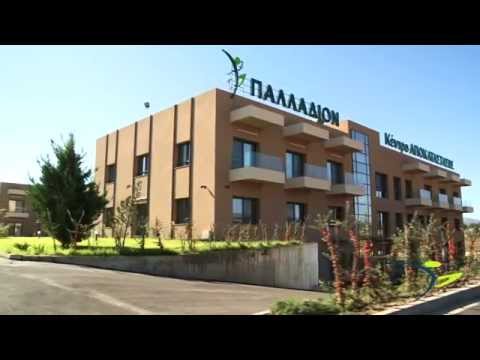
Moreover, the facilities in Thessaloniki are purpose-built to cater to severe immobility. They are entirely barrier-free and equipped with the latest innovations in medical technology. Unlike the sterile, cold environments often associated with Western hospitals, Greek rehabilitation centers are designed to feel like premium recovery resorts. This focus on patient comfort drastically reduces the clinical anxiety that can hinder the healing process, allowing patients to focus entirely on their physical and mental restoration.
Analyzing the Patient Experience: Alexey Shkuratov's Success Story
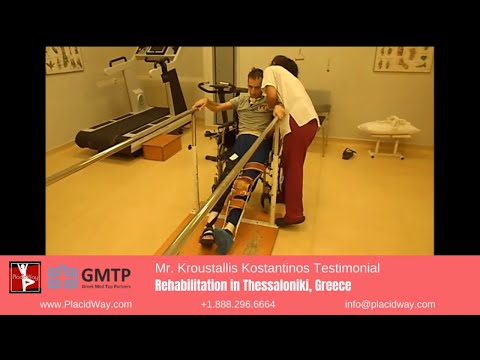
To truly understand the impact of seeking treatment abroad, one must look at real-life patient outcomes. In the provided video, the documentation of Alexey Shkuratov’s rehabilitation journey serves as a profound testament to the efficacy of Greek medical care. As seen at , Alexey arrived with significant mobility challenges, facing a long and uncertain road to recovery. His initial physical assessments required a highly personalized, multidisciplinary approach that his home country could not affordably provide.
The personalized nature of his treatment plan is a cornerstone of the Thessaloniki medical model. Rather than applying a one-size-fits-all regimen, Alexey's medical team conducted comprehensive diagnostic evaluations upon his arrival. This allowed them to craft a daily schedule integrating traditional physiotherapy, occupational therapy, and specialized aquatic exercises. At , viewers can witness the meticulous, hands-on attention provided by his therapists, demonstrating a patient-to-staff ratio that is exceptionally rare in standard healthcare systems.
What stands out most in Alexey’s story is the visible progression of his independence. Over the course of his stay, the transition from relying heavily on support mechanisms to regaining functional movement highlights the effectiveness of intensive, uninterrupted therapy. His journey underscores a vital truth: when a patient is immersed in an environment fully dedicated to their recovery, without the stress of daily living or financial strain, the body's capacity to heal is dramatically amplified.
Comprehensive Treatment: Advanced Neurological Care Programs
Neurological rehabilitation is arguably one of the most complex fields in modern medicine. It requires retraining the brain and the nervous system to bypass damaged neural pathways—a phenomenon known as neuroplasticity. Centers for rehabilitation in Thessaloniki specialize heavily in neuro-rehab, catering to patients recovering from debilitating conditions.
Stroke Recovery and Post-CVA Therapy
For survivors of a cerebrovascular accident (CVA) or stroke, immediate and intensive therapy is critical. Greek rehabilitation clinics utilize high-frequency, repetitive task training to help patients regain lost motor functions. Therapists focus meticulously on improving gait patterns, restoring hand dexterity, and addressing speech or swallowing difficulties through integrated speech therapy protocols.
Spinal Cord Injury (SCI) Rehabilitation
Treating spinal cord injuries requires a delicate balance of aggressive mobilization and careful medical management. Facilities in Thessaloniki offer specialized spinal units where patients learn essential wheelchair skills, bowel and bladder management, and engage in intensive upper-body strengthening. The goal is always to maximize functional independence, regardless of the injury's level.
Traumatic Brain Injury (TBI) and Multiple Sclerosis
Patients dealing with traumatic brain injuries or progressive neurological diseases like Multiple Sclerosis benefit from long-term, adaptive care strategies in Greece. This includes cognitive rehabilitation to improve memory and executive functioning, alongside physical therapies designed to manage spasticity, improve balance, and prevent secondary complications.
State-of-the-Art Orthopedic Recovery and Sports Medicine
Beyond neurological care, Thessaloniki is a premier destination for orthopedic rehabilitation. Whether a patient is recovering from a complex multi-trauma car accident, a total hip or knee replacement, or a severe sports-related injury, the post-operative care available in Greece ensures optimal healing. Surgical success is only half the battle; the subsequent physical therapy dictates the final outcome of the procedure.
Orthopedic programs in these centers emphasize early mobilization. By getting patients moving safely and quickly after surgery, therapists drastically reduce the risk of deep vein thrombosis (DVT) and pulmonary embolisms. They utilize advanced continuous passive motion (CPM) machines and targeted manual therapy to break down scar tissue, restore a full range of motion, and rebuild the surrounding muscle groups.
For athletes and younger patients, the sports medicine wings of these rehabilitation centers offer high-performance recovery tools. This includes biomechanical assessments, isokinetic testing, and functional agility training. By utilizing a data-driven approach, therapists ensure that patients do not just return to their baseline activities, but often emerge stronger and more resilient against future injuries.
Integrating Cutting-Edge Robotic Therapy and Hydrotherapy
The true distinguishing factor of premium medical tourism in Greece is the integration of high-end medical technology. As highlighted in the video at , traditional physical therapy is heavily supplemented by robotic-assisted devices. These machines allow for a volume of repetitive motion that is simply impossible for human therapists to facilitate manually.
- Robotic Gait Training (Lokomat): This advanced exoskeleton system is used to retrain patients how to walk. It supports the patient's body weight over a treadmill while robotic sensors guide the legs through a physiologically correct walking pattern. This intensive repetition stimulates the central nervous system, prompting neuroplasticity and faster recovery of independent walking.
- Arm and Hand Robotics (Armeo): For patients who have lost upper extremity function, particularly after a stroke, these devices provide weight support and visual feedback through virtual reality gaming. This gamification keeps patients highly motivated during the grueling process of restoring fine motor skills.
- Advanced Hydrotherapy Pools: Aquatic therapy is a cornerstone of the Greek rehabilitation model. Heated indoor pools equipped with underwater treadmills and resistance jets allow patients to exercise in a weightless environment. The buoyancy of the water relieves joint pressure and significantly reduces pain, allowing patients to perform movements in the water that they cannot yet achieve on land.
Analyzing the Financial Benefits: A Comprehensive Cost Comparison
The primary catalyst driving patients to seek rehabilitation in Thessaloniki, Greece, is the profound cost disparity compared to Western healthcare systems. In the United States, a single month in a private inpatient rehabilitation facility can easily exceed $30,000 to $40,000, often with limited insurance coverage. Outpatient robotic therapy sessions are frequently billed at hundreds of dollars per hour.
By contrast, comprehensive, all-inclusive inpatient rehabilitation packages in Greece are a fraction of the price. These transparent packages typically cover not just the medical treatments and physiotherapy sessions, but also luxury room and board, specialized nutritional plans, nursing care, and airport transfers. This allows families to budget accurately without the fear of hidden hospital fees.
| Rehabilitation Service | Estimated Cost in US/UK | Estimated Cost in Greece |
|---|---|---|
| Inpatient Care (Per Month) | $30,000 - $50,000+ | $6,000 - $12,000 |
| Robotic Therapy Session | $250 - $400 / session | Included in Inpatient Packages |
| Daily Physiotherapy (3+ hours) | Heavily restricted by insurance | Standard daily protocol |
| Room & Board for Companion | Rarely available / High hotel costs | Accommodated affordably within clinic |
*Note: Prices are estimates and vary based on the specific facility, duration of stay, and complexity of the patient's medical condition. It is always advised to request a personalized quote.
The Healing Power of the Mediterranean Climate and Diet
Recovery is not solely about the hours spent in a gymnasium; the environment in which a patient lives during their recovery plays a massive physiological role. Thessaloniki offers a distinct environmental advantage: the renowned Mediterranean climate. With over 300 days of sunshine a year, patients benefit from continuous exposure to natural Vitamin D, which is essential for bone health, immune function, and regulating mood.
Warm, dry weather is inherently beneficial for patients suffering from joint pain, arthritis, or spasticity resulting from neurological damage. Cold, damp climates often exacerbate stiffness and neuropathic pain, making therapy sessions agonizing. In Greece, the ambient warmth helps muscles remain relaxed, allowing for deeper and more effective stretching and mobilization during therapy hours.
Furthermore, inpatient facilities in Thessaloniki heavily incorporate the Mediterranean diet into their recovery programs. Rich in omega-3 fatty acids from fresh fish, antioxidants from olive oil and fresh vegetables, and lean proteins, this diet is scientifically proven to reduce systemic inflammation. Lowering inflammation in the body accelerates tissue repair, promotes cardiovascular health, and supports cognitive function—all vital components of a successful rehabilitation journey.
The Role of Psychological Support in Physical Recovery
Enduring a life-altering injury or illness takes a tremendous toll on a patient's mental health. Depression, anxiety, and post-traumatic stress disorder (PTSD) are incredibly common among rehabilitation patients. Unfortunately, standard physical therapy clinics often neglect this psychological component, leading to a lack of motivation and plateaued physical progress.
The holistic approach observed in Greek rehabilitation centers, as evidenced by patient testimonials like Alexey’s at , places a premium on mental well-being. Dedicated clinical psychologists are integrated into the daily care teams. They work closely with patients to help them process their trauma, develop healthy coping mechanisms, and maintain the intense motivation required to push through difficult physical therapy sessions.
This psychological support extends to family members and companions as well. Recognizing that severe injuries affect the entire family unit, these centers offer counseling and educational sessions for caregivers. They are taught how to safely assist their loved ones, how to adapt their home environments, and how to manage caregiver burnout once they return to their home countries.
Planning Your Medical Tourism Journey to Greece
Organizing a trip for medical care abroad can seem daunting, especially when dealing with mobility constraints. However, the medical tourism infrastructure in Thessaloniki is highly developed and designed to be entirely frictionless for international patients. Dedicated medical tourism coordinators handle all the logistical heavy lifting, allowing the patient to focus entirely on their upcoming recovery.
1. Initial Consultation and Medical Review
The process begins long before a flight is booked. Patients send their medical records, MRI scans, and discharge summaries to the clinic in Greece. A board of specialists reviews the case and conducts a virtual telehealth consultation to discuss realistic recovery goals and outline a personalized treatment plan.
2. Travel and Visa Logistics
Once a treatment plan is agreed upon, coordinators assist with securing necessary medical visas, if required. They provide specialized documentation for airlines to ensure the patient receives appropriate wheelchair assistance, oxygen support, or specialized seating during their flight to Thessaloniki International Airport (SKG).
3. Arrival and Accommodation
Upon arrival, patients are greeted at the airport by a specialized medical transport team utilizing fully accessible vehicles. They are taken directly to the clinic or partnered accessible hotels. Many rehabilitation centers in Thessaloniki offer spacious, comfortable suites that allow a spouse or caregiver to live in the same room as the patient throughout the duration of the therapy program.
Post-Treatment Care and Long-Term Wellness Planning
A successful rehabilitation program does not end the moment a patient boards their flight home. The transition from an intensive inpatient environment back to normal daily living is a critical phase. Top-tier clinics in Thessaloniki emphasize comprehensive discharge planning to ensure that the functional gains achieved during the stay are maintained and further improved.
Before discharge, the medical team conducts extensive training with the patient and their family. They provide detailed home exercise programs (HEPs) complete with instructional videos and literature. Additionally, the therapists recommend specific adaptive equipment or home modifications—such as grab bars, ramps, or specific seating cushions—that should be installed before the patient returns home.
To provide continuous support, many Greek centers offer ongoing telehealth follow-ups. Patients can schedule video calls with their primary physiotherapists and doctors to report on their progress, ask questions about new pain or challenges, and receive adjustments to their home exercise routines. This ongoing global relationship ensures that patients never feel abandoned after their medical tourism journey concludes.
Ready to Start Your Recovery Journey in Greece?
Do not let high costs and long waitlists delay your healing. PlacidWay Medical Tourism connects you directly with the most advanced, affordable rehabilitation centers in Thessaloniki, Greece. Regain your independence with world-class care.
REQUEST YOUR FREE MEDICAL QUOTE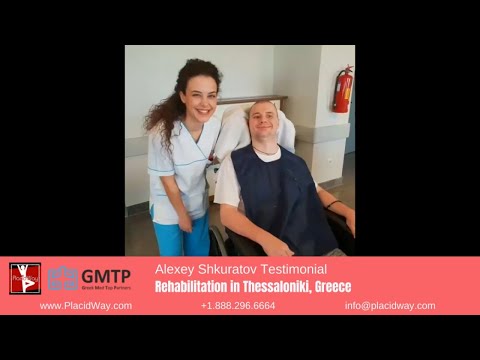


.png)









Share this listing