
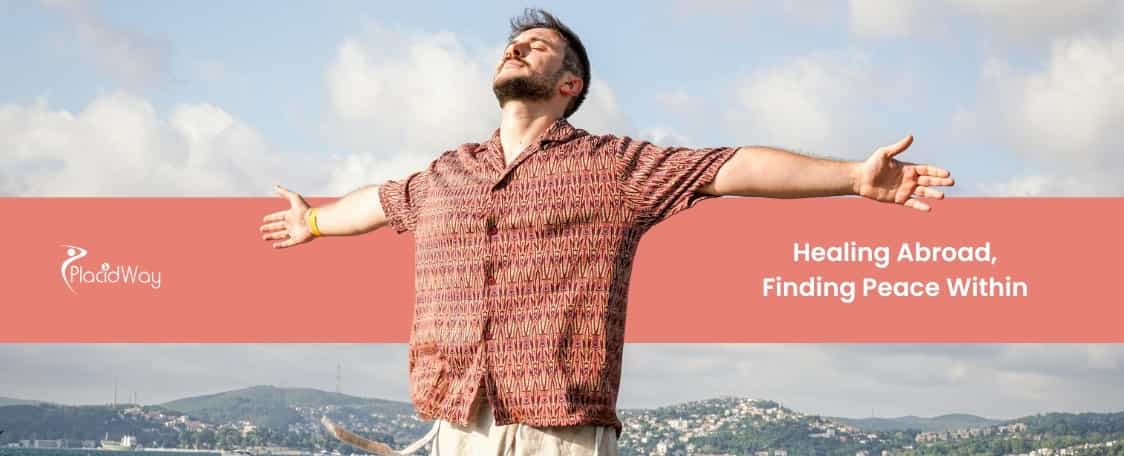
The landscape of global healthcare is rapidly shifting, and holistic rehab in Spain has emerged as a premier choice for individuals seeking comprehensive addiction recovery. Combining highly regulated medical standards with a deeply integrative approach to healing, the Mediterranean nation offers an environment that nurtures both the body and the mind. Patients from across Europe are discovering that stepping away from their daily triggers and entering a serene, sun-drenched setting can be a transformative catalyst for long-term sobriety.
Spain’s healthcare infrastructure is renowned worldwide, consistently ranking among the top global systems for quality and patient outcomes. When this medical excellence is applied to substance abuse treatment, the result is a sophisticated model of care that prioritizes individualized healing over institutionalized methods. International patients are particularly drawn to this region due to the seamless blend of advanced psychiatric care, holistic therapies, and a culture that fundamentally values well-being and tranquility.
Spain is home to some of the most progressively regulated healthcare facilities in Europe, meaning international rehab centers must adhere to rigorous clinical standards while offering alternative holistic therapies.
- Comprehensive care models: Integration of somatic medicine and psychological therapies.
- Restorative environments: Coastal and rural retreats that isolate patients from daily stressors.
- Discretion and privacy: Strict confidentiality laws protect high-profile and international patients.
- Multidisciplinary teams: Collaboration between psychiatrists, nutritionists, and holistic practitioners.
Why German Patients Choose Addiction Treatment in Spain
In recent years, there has been a significant demographic shift in the medical travel sector, with an increasing number of German nationals seeking addiction treatment in Spain. For many Germans facing the overwhelming challenge of substance dependency, remaining in their home environment can present insurmountable psychological hurdles. The decision to travel south is often driven by a desire for absolute anonymity, stepping away from professional and social circles to focus entirely on personal rehabilitation without fear of stigma.
Furthermore, the contrast in climate and clinical atmosphere plays a crucial role in patient psychology and motivation. German patients often report that the traditional, clinical feel of domestic facilities can feel sterile, whereas Spanish wellness centers offer a warmer, more compassionate environment. Medical tourism in Spain allows these individuals to combine rigorous clinical detox and therapy with a culturally enriching, vitamin-D-soaked environment that actively combats the depressive symptoms often accompanying early recovery.
According to recent European wellness travel reports, cross-border patient mobility for psychological and rehabilitative care has increased by over 15% annually, with Spain acting as a primary recipient destination.
Types of Holistic Addiction Recovery Programs in Spain
The philosophy underpinning a holistic addiction recovery program is the belief that addiction is a multi-faceted disease affecting the mind, body, and spirit. Traditional rehabilitation often focuses heavily on managing physical withdrawal and implementing behavioral therapy. In contrast, Spanish facilities generally weave these traditional methods together with expansive alternative practices, ensuring that the root causes of addiction—such as trauma, nutritional deficiency, and spiritual disconnection—are concurrently addressed.
Patients exploring holistic rehab clinics in Spain will find a diverse array of therapeutic modalities tailored to their specific recovery goals. These programs are typically designed to build emotional resilience and physical vitality. By engaging in diverse activities, patients can discover new, healthy coping mechanisms that replace the destructive patterns of substance abuse, paving the way for sustainable, long-term sobriety.
When researching facilities, inquire specifically about the ratio of holistic therapies to clinical psychiatric care to ensure the program aligns with your specific medical and spiritual needs.
- Mindfulness and Meditation: Techniques to improve emotional regulation and reduce anxiety.
- Nutritional Therapy: Specialized diets designed to repair neurological and organ damage.
- Equine and Art Therapy: Non-verbal processing methods for releasing deep-seated trauma.
- Yoga and Somatic Healing: Reconnecting patients with their physical bodies in a safe space.
Cost of Holistic Rehab in Spain vs. Germany
Understanding the financial commitment required for intensive rehabilitation is a crucial step for patients and their families. The cost of rehab in Spain is highly competitive, especially when evaluating the ratio of individualized care and luxury amenities provided compared to northern European countries. While premium rehabilitation is inherently a significant investment, international patients often find that Spanish clinics offer substantially more value, including longer stays and more comprehensive therapy arrays for an equivalent or lower price.
In Germany, private, holistic-focused rehabilitation centers command premium pricing, often making extended care prohibitive for many individuals. By contrast, Spain’s lower cost of living and specialized focus on wellness tourism allow clinics to offer world-class treatment at a more accessible price point. This financial flexibility generally enables patients to invest in longer treatment durations—such as a 60- or 90-day program—which is strongly correlated with higher rates of sustained recovery.
Extended inpatient care (over 30 days) is consistently shown in clinical studies to yield significantly better long-term sobriety outcomes compared to shorter intervention periods.
| Procedure / Treatment Phase | Average Cost Range in Spain (€) | Average Cost Range in Germany (€) |
|---|---|---|
| Medical Detoxification (7-10 Days) | €3,500 - €7,000 | €5,500 - €12,000 |
| Inpatient Holistic Rehab (28 Days) | €12,000 - €25,000 | €20,000 - €45,000+ |
| Dual Diagnosis Intensive Care (Per Month) | €15,000 - €30,000 | €25,000 - €55,000+ |
| Outpatient / Aftercare Virtual Support (Monthly) | €500 - €1,500 | €800 - €2,500 |
*Note: Prices are estimates based on market averages and can vary significantly depending on the facility, the specific treatments required, and luxury accommodations.
Combining Medical Expertise with Alternative Therapies in Spain
A hallmark of seeking world-class addiction care is the presence of an integrative treatment model that does not dismiss science for spirituality, but rather marries the two. International rehabilitation centers in Spain are typically staffed by highly credentialed medical doctors, psychiatrists, and licensed psychotherapists who oversee the entirety of a patient's care. This robust medical backbone provides a safe foundation upon which alternative, complementary therapies can be effectively administered.
This synergistic approach generally ensures that patients receive evidence-based interventions like Cognitive Behavioral Therapy (CBT) and medically assisted treatment, while simultaneously participating in breathwork, acupuncture, and sound therapy. This comprehensive methodology ensures that while the brain's chemistry is being clinically stabilized, the patient's emotional and spiritual well-being is continually nurtured, leading to profound personal breakthroughs.
Acupuncture and mindfulness meditation are increasingly recognized by global health organizations as effective adjunct therapies for reducing cravings and managing withdrawal symptoms.
The Role of Climate and Environment in Spanish Rehab Centers
The physical environment plays a monumental, albeit sometimes underestimated, role in psychological recovery. Spain’s renowned Mediterranean climate provides an abundance of natural sunlight, which is scientifically linked to increased serotonin production and improved mood regulation. For patients arriving from the colder, darker winters of Germany or northern Europe, this dramatic shift in weather can provide an immediate uplift in energy levels and a more positive baseline outlook.
Many rehab clinics in Spain are strategically situated in tranquil, natural settings—ranging from the peaceful Andalusian mountains to the calming Mediterranean coastlines. Being surrounded by nature naturally lowers cortisol levels and reduces stress, allowing the central nervous system to reset. This peaceful immersion creates an optimal psychological state for patients to engage deeply in the intense introspective work required during rehabilitation.
Exposure to natural light and outdoor environments has been clinically shown to decrease symptoms of depression—a common co-occurring disorder in addiction—by up to 20% during early recovery.
Patient Experiences with Substance Abuse Treatment in Spain
Choosing to undergo substance abuse treatment abroad is a highly personal and life-altering decision. Prospective medical tourists often look to the real-world experiences of those who have already navigated this journey to gauge the potential impact of an international program. Testimonials from former patients consistently highlight the life-saving nature of the compassionate care, the lack of judgment, and the transformative power of holistic methodologies found in Spanish facilities.
While every recovery journey is entirely unique, common themes emerge among international patients, particularly the profound sense of safety and isolation from negative influences that Spain provides. Reading about others who have successfully broken the cycle of addiction in a foreign, supportive environment can offer immense hope and validation for individuals contemplating this courageous step.
Overcoming Burnout and Dependency
"Traveling from Munich to Spain was the best decision I ever made. The holistic approach helped me understand that my alcohol dependency was a symptom of severe executive burnout. The combination of psychotherapy and daily yoga completely rewired my approach to stress." – Patient Summary A, Germany
A Safe Haven for Healing Trauma
"I needed to get away from my entire social circle to truly focus on myself. The privacy at the Spanish clinic was absolute. The equine therapy unlocked emotions I had suppressed for decades, allowing real healing to begin." – Patient Summary B, Austria
Compassionate and Judgement-Free Care
"The medical staff treated me with dignity, not just as an 'addict'. The nutritional rebuilding program restored my physical health faster than I thought possible, while the sunny climate lifted the heavy depression I arrived with." – Patient Summary C, Switzerland
Finding Spiritual Connection
"I was skeptical about holistic treatments, but the integration of mindfulness meditation with my psychiatric care changed my perspective entirely. I left Spain with a quiet mind and a solid toolkit for preventing relapse." – Patient Summary D, Germany
Medical Assessments and Detoxification Protocols in Spain
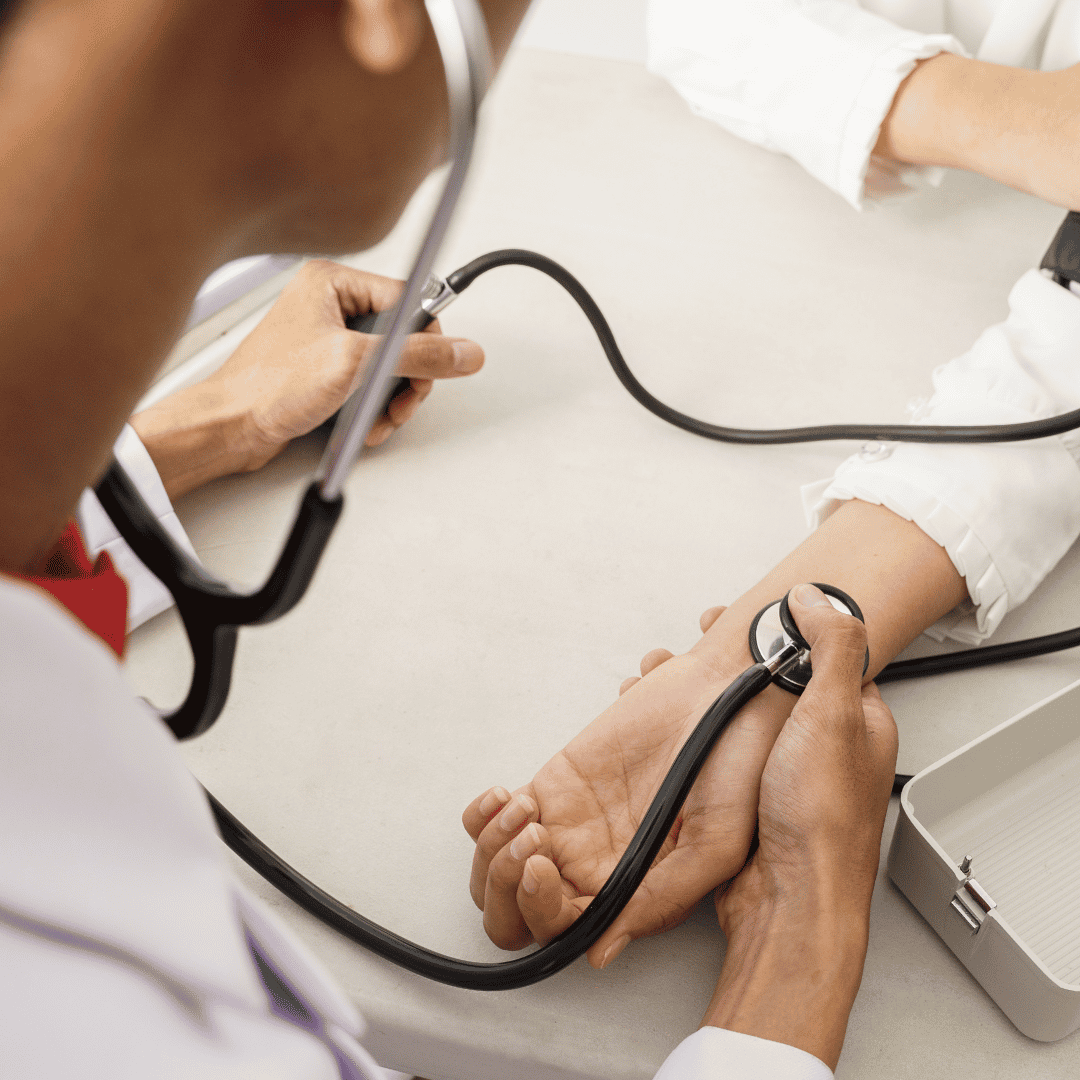
The journey toward sustained recovery generally begins with a highly critical phase: detoxification. When individuals seek affordable rehab in Spain, they must ensure that the facility maintains rigorous medical standards during this physically demanding period. Detoxification involves clearing the body of toxic substances, a process that can trigger severe, and sometimes life-threatening, withdrawal symptoms if not properly managed by experienced clinical staff.
In top-tier Spanish centers, detox is typically preceded by an exhaustive medical, psychiatric, and nutritional assessment to create a bespoke tapering and stabilization protocol. Medical professionals utilize pharmacological interventions when necessary to ease discomfort and prevent medical complications. This secure, 24/7 monitored environment allows the patient's body to stabilize safely, bridging the gap between active addiction and readiness for therapeutic engagement.
Detoxification from certain substances, such as alcohol or benzodiazepines, carries strict contraindications and serious health risks, including seizures. Unsupervised detox is extremely dangerous. Always ensure your chosen international facility offers 24/7 medically supervised detoxification with emergency protocols in place.
Addressing Dual Diagnosis and Mental Health in Spain
Substance abuse rarely exists in a vacuum; it is frequently intertwined with underlying psychological disorders such as severe depression, generalized anxiety, PTSD, or bipolar disorder. Addressing addiction and mental health in Spain requires a sophisticated, concurrent approach known as dual diagnosis treatment. Failing to treat the underlying psychiatric condition generally leads to rapid relapse, as the patient lacks the tools to manage their psychological distress without self-medicating.
Holistic clinics excel in this area by deploying multidisciplinary teams to untangle the complex web of co-occurring disorders. Through an integrative lens, psychiatrists manage clinical symptoms while therapists utilize trauma-informed care—such as EMDR (Eye Movement Desensitization and Reprocessing)—to address root causes. The holistic elements then act as supportive pillars, naturally balancing neurotransmitters and calming the hyperactive nervous system.
Studies suggest that up to 60% of individuals struggling with substance use disorders also suffer from a co-occurring mental health condition, highlighting the absolute necessity of dual diagnosis capable treatment centers.
Language Accessibility for International Rehab Patients in Spain
A primary concern for patients considering medical tourism in Spain for psychological treatment is the potential for a language barrier. Deeply nuanced psychotherapy requires profound communication, wherein feelings, traumas, and triggers can be articulated clearly and effortlessly. Recognizing this crucial need, premier Spanish rehab centers have consciously developed highly accessible, multilingual environments catering specifically to international demographics.
For the growing influx of German patients, many centers now employ native German-speaking therapists, psychiatrists, and support staff, or at minimum, highly fluent English-speaking professionals. This linguistic alignment ensures that patients can comfortably navigate complex emotional landscapes without the cognitive strain of translation, allowing the therapeutic process to proceed effectively and empathetically.
Always verify the primary language of your designated one-on-one psychotherapist before booking. Group sessions might be multilingual, but individual therapy must be conducted in a language in which you are fully fluent and emotionally comfortable.
Aftercare and Relapse Prevention Planning in Spain
Graduating from an inpatient program is a monumental achievement, but it represents the beginning, rather than the end, of the recovery journey. The transition from a highly structured, supportive environment back to the realities of daily life in Germany is typically fraught with triggers and challenges. Therefore, the best holistic rehab clinics in Spain dedicate significant resources to comprehensive aftercare and relapse prevention planning long before discharge.
Aftercare plans generally include ongoing virtual counseling sessions with the patient's primary Spanish therapist, introductions to local support networks in the patient's home country, and strict nutritional and wellness regimens to maintain physical balance. By continuing the holistic practices learned in rehab—such as daily meditation or exercise—most patients experience a smoother transition and possess resilient tools to navigate cravings and stress safely.
A robust, structured aftercare plan, maintained for at least 12 months post-discharge, drastically reduces the statistical likelihood of relapse during the critical first year of sobriety.
Risks and Considerations for Overseas Rehabilitation in Spain
While the benefits of seeking care abroad are plentiful, it is imperative to approach international rehabilitation with a realistic understanding of potential risks and limitations. Medical professionals emphasize that recovery results can never be guaranteed; addiction is a chronic relapsing brain disease, and long-term success requires lifelong commitment. Patients must be internally motivated, as changing geographic locations alone will not cure substance dependency without active therapeutic engagement.
Additionally, patients must consider the logistics of medical travel. Traveling during active addiction or withdrawal can be physically and legally hazardous; hence, pre-travel medical clearance is often required. Furthermore, patients should be aware that leaving a program prematurely while in a foreign country can complicate safe return travel. It is vital to select accredited facilities that have clear, transparent protocols for medical emergencies and patient repatriation if necessary.
How PlacidWay Assists Your Holistic Rehab Medical Tourism Journey in Spain
Navigating the complex global healthcare landscape can be overwhelming, especially when dealing with the sensitive nature of substance recovery. PlacidWay serves as a trusted partner, empowering international patients to make informed, confident decisions about their medical travel options. We bridge the gap between individuals seeking help and premier healthcare providers globally.
By prioritizing quality, transparency, and patient education, we streamline the process of connecting with specialized treatment centers. Here is how PlacidWay adds value to your journey toward holistic recovery:
- Providing access to a carefully evaluated network of internationally accredited medical and rehabilitation facilities.
- Offering comprehensive, comparative information on holistic methodologies, treatment protocols, and provider credentials.
- Facilitating direct, secure communication between patients and leading medical specialists prior to commitment.
- Delivering transparent cost structures to help patients evaluate the financial scope of various international programs.
- Assisting with the coordination of medical records, preliminary assessments, and virtual consultations.
Frequently Asked Questions About Holistic Rehab in Spain
Making the decision to pursue treatment internationally generates numerous logistical and medical inquiries. We have compiled the most common questions raised by international patients exploring their options for holistic recovery.
Review these comprehensive FAQs to better understand what to expect when combining world-class clinical care with a transformative overseas experience.
Why is holistic rehab in Spain popular among international patients?
Spain offers a highly favorable combination of advanced medical care, comprehensive alternative therapies, and a restorative Mediterranean climate. This environment typically helps reduce stress and promotes physical and psychological healing.
How does the cost of rehab in Spain compare to Germany?
The cost of rehab in Spain is generally 30% to 50% more affordable than similar luxury or private holistic programs in Germany. Patients can typically access extended care and comprehensive therapies at a lower overall investment.
Are treatments in Spanish rehab centers available in German?
Many international clinics in Spain provide multilingual support, employing staff and therapists fluent in German and English. This ensures that patients can comfortably participate in deep psychotherapeutic work without language barriers.
What is included in a holistic addiction recovery program?
Programs generally integrate evidence-based psychiatric care with complementary therapies such as yoga, mindfulness, nutritional counseling, and acupuncture. This dual approach aims to heal the mind, body, and spirit simultaneously.
Is medically supervised detox available at these centers?
Yes, comprehensive facilities typically offer medically supervised detoxification managed by licensed healthcare professionals. This ensures patient safety and comfort during the critical initial phases of withdrawal.
How long do holistic rehab programs in Spain usually last?
Treatment lengths vary depending on individual patient needs, but most comprehensive programs typically range from 28 to 90 days. Longer stays are generally recommended for addressing severe addiction or complex dual diagnoses.
Do these clinics treat dual diagnosis conditions?
Yes, reputable Spanish centers generally offer specialized treatment for dual diagnosis, addressing underlying mental health disorders like anxiety or depression alongside the primary substance use disorder.
Can I travel to Spain easily for medical tourism?
Medical tourism in Spain is highly accessible, especially for European Union residents who can travel freely without complex visa requirements. The country features numerous well-connected international airports.
What happens after I complete my rehab program in Spain?
Reputable centers typically provide comprehensive aftercare planning, including virtual therapy sessions and connections to local support groups in your home country. This continuing care is vital for maintaining long-term sobriety.
Is confidentiality guaranteed at Spanish rehab centers?
Strict data protection laws in Spain, aligned with GDPR regulations, generally ensure a high level of patient privacy and confidentiality. International patients often seek treatment abroad specifically to maintain discretion.
Ready to take the first step toward lasting wellness? Let PlacidWay connect you with world-class holistic rehab centers in Spain.
References
- National Institute on Drug Abuse (NIDA). Treatment Approaches for Drug Addiction DrugFacts. https://nida.nih.gov/publications/drugfacts/treatment-approaches-drug-addiction
- World Health Organization (WHO). Management of Substance Abuse. https://www.who.int/health-topics/substance-abuse
- Mayo Clinic. Drug addiction (substance use disorder) - Diagnosis and treatment. https://www.mayoclinic.org/diseases-conditions/drug-addiction/diagnosis-treatment/drc-20365113
- National Center for Complementary and Integrative Health (NCCIH). Mindfulness Approaches and Mental Health. https://www.nccih.nih.gov/health/meditation-and-mindfulness-what-you-need-to-know




.png)












Share this listing