


Parkinson Treatment by Placenta Cell at Integra Medical Center Mexico: Advanced Regenerative Care
About this breakthrough treatment: For decades, a diagnosis of Parkinson's disease has been viewed as a slow, irreversible decline managed strictly through symptom-masking pharmaceuticals. Millions of patients worldwide struggle with tremors, rigidity, and the debilitating side effects of long-term medication use. However, the landscape of neurodegenerative care is shifting dramatically. Today, patients are discovering profound hope through an innovative approach: Parkinson Treatment by Placenta Cell at Integra Medical Center Mexico.
By harnessing the extraordinary regenerative power of placenta-derived stem cells, specialists are pushing the boundaries of what is medically possible. Rather than simply replacing lost dopamine chemically, this advanced therapy aims to target the root cause of neurological degradation. It promotes neurogenesis, reduces chronic brain inflammation, and offers a restorative pathway that traditional treatments simply cannot match. Read on to discover how this cutting-edge regenerative medicine protocol is transforming lives and why patients globally are traveling to Mexico to reclaim their mobility and independence.
Video Chapters & Quick Navigation
The Harsh Reality of Parkinson’s Disease and Traditional Limitations
Parkinson’s disease is a progressive neurodegenerative disorder that primarily affects the dopamine-producing neurons in a specific area of the brain called the substantia nigra. As these crucial neurons degrade and die off, patients experience a cascade of motor and non-motor symptoms. The hallmark signs include resting tremors, bradykinesia (slowness of movement), limb rigidity, and profound gait and balance issues. Over time, the condition strips individuals of their autonomy, making simple daily tasks feel like insurmountable challenges.
Historically, the frontline defense against Parkinson's disease has been pharmacological intervention, most notably Levodopa (often combined with Carbidopa). While these medications can be highly effective in the early stages by replenishing depleted dopamine levels in the brain, they present significant long-term drawbacks. As the disease progresses, patients often experience "wearing-off" periods where the medication loses its efficacy before the next dose is due.
Furthermore, prolonged use of traditional Parkinson's medications frequently leads to dyskinesia—involuntary, erratic writhing movements that can be as debilitating as the disease itself. Because these drugs only mask the symptoms without halting the underlying cellular degeneration, the medical community has urgently sought alternative treatments for Parkinson's disease. This urgency has paved the way for the exploration of regenerative medicine and biological therapies, which aim to repair the damaged neurological infrastructure rather than simply compensating for its failures.
The Shift Toward Regenerative Neurology
Regenerative medicine shifts the paradigm from symptomatic management to cellular restoration. By introducing potent biological agents into the body, physicians aim to halt the progression of neuronal death and stimulate the body's intrinsic healing mechanisms. This is particularly vital in neurodegenerative diseases, where the central nervous system has notoriously limited natural regenerative capabilities.
The goal is no longer just to survive with Parkinson's but to significantly improve the quality of life, reduce dependency on heavy synthetic drugs, and potentially reverse some of the motor deficits. Placenta cell therapy stands at the absolute forefront of this medical revolution, offering unparalleled cellular vitality and adaptability.
The Science of Placenta Cell Therapy: A Biological Marvel
When discussing stem cell treatments, there is often widespread confusion regarding the source and type of cells used. Parkinson Treatment by Placenta Cell at Integra Medical Center Mexico utilizes specifically harvested placenta-derived mesenchymal stem cells (MSCs) and related growth factors. The placenta is a temporary organ that develops during pregnancy to nourish and protect the fetus. It is a biological goldmine, incredibly rich in highly potent, ethically sourced stem cells, cytokines, and essential growth factors.
Unlike adult stem cells harvested from a patient's own bone marrow or adipose (fat) tissue, placenta-derived cells are considered "Day Zero" cells. This means they are biologically young, robust, and completely unburdened by the aging process, environmental toxins, or genetic mutations that accumulate over a patient's lifetime. Because they are incredibly primitive and adaptable, they possess a superior capacity for rapid multiplication and differentiation.
Moreover, placenta tissue is generally discarded as medical waste following a healthy, full-term cesarean section birth. By capturing and utilizing these cells with the mother's informed consent, scientists have unlocked a powerful, ethically sound therapeutic tool. There is no controversy involving embryonic stem cells, making this treatment highly accessible and morally uncomplicated for patients seeking regenerative therapies.
Unique Properties of Placental Stem Cells
- Immune Privilege: Placenta cells lack certain cell-surface markers (like HLA class II antigens) that typically trigger an immune response. This makes them universally acceptable, meaning patients do not need to be matched to a donor, and the risk of cell rejection or Graft-versus-Host Disease (GvHD) is virtually eliminated.
- High Secretome Activity: These cells secrete a massive amount of therapeutic proteins, exosomes, and growth factors that orchestrate the healing process within the patient's existing tissues.
- Potent Anti-Inflammatory Effects: They naturally seek out areas of severe inflammation—a key driver in Parkinson's disease progression—and release powerful anti-inflammatory cytokines to calm the microenvironment.
Why Integra Medical Center in Mexico Leads the World
The pursuit of advanced placenta cell therapy naturally leads patients to borders beyond the United States and Canada, where regulatory frameworks often lag behind clinical innovation. Integra Medical Center, located in Nuevo Progreso, Mexico, has established itself as a premier global destination for regenerative therapies. Under expert medical leadership, the clinic has spent years refining the protocols for harvesting, cultivating, and administering placental tissues.
Integra Medical Center is distinguished not merely by its location, but by its uncompromising commitment to safety, sterility, and patient-centric care. The facility operates under strict guidelines established by COFEPRIS (the Mexican equivalent of the FDA), ensuring that all biological materials are handled with the utmost rigor. Patients arriving at Integra do not encounter a typical, sterile hospital environment; instead, they are welcomed into a supportive medical sanctuary designed to minimize stress and optimize healing.
The center's success rates and positive patient testimonials highlight a holistic approach. They do not merely administer a treatment and send the patient home. Integra Medical Center integrates pre-procedure diagnostics, precise cellular application, and comprehensive post-treatment follow-up to ensure that the newly introduced cells have the best possible environment to thrive and integrate.
A Legacy of Medical Innovation
The medical team at Integra has pioneered specific implant techniques that maximize the survival and efficacy of the placenta cells. By using sub-dermal implants or precise intravenous infusions, they ensure a sustained release of cellular material and growth factors into the patient's bloodstream. This expertise is a primary reason why medical tourists consistently rank Integra Medical Center stem cell reviews so highly. They offer a level of specialized experience that is difficult to find elsewhere.
How Placenta Cells Actively Fight Parkinson’s Pathology
To truly appreciate the value of this treatment, one must understand the complex mechanisms by which placenta cells interact with a brain suffering from Parkinson's disease. The therapeutic action is multifaceted, addressing the disease from several biological angles simultaneously. This comprehensive attack on the pathology is what sets regenerative medicine apart from single-action pharmaceuticals.
Firstly, the process of Neuroprotection is initiated immediately upon treatment. When placenta cells enter the body, they home in on damaged tissues. In the case of Parkinson's, they migrate toward the distressed regions of the brain and begin secreting neurotrophic factors (such as BDNF and GDNF). These specific proteins act like a shield, protecting the surviving dopamine-producing neurons from further toxic damage and preventing premature cell death (apoptosis).
Secondly, the treatment drives Neurogenesis and Synaptic Plasticity. The rich cocktail of growth factors provided by the placenta implant stimulates the patient's own dormant neural stem cells. This encourages the brain to forge new neural pathways, essentially rewiring itself around the damaged areas. Over time, this can lead to improved motor control, smoother movements, and a reduction in the rigid, freezing episodes common in advanced Parkinson's.
Quelling Neuroinflammation
Chronic inflammation in the brain is a massive contributor to the rapid progression of Parkinson's disease. Microglia—the resident immune cells of the central nervous system—become overactive and toxic, continuously attacking the substantia nigra. Placenta-derived MSCs are master immunomodulators. They release cytokines that calm these hyperactive microglia, shifting the brain's environment from a state of toxic inflammation to one of profound healing and cellular repair. This anti-inflammatory action is often where patients feel the first signs of symptomatic relief, reporting clearer cognition and reduced physical stiffness.
The Patient Journey: The Placenta Implant Procedure
For many international patients, the concept of traveling abroad for a medical procedure can be intimidating. However, the process for the placenta cell implant procedure at Integra Medical Center is remarkably streamlined, minimally invasive, and designed entirely around patient comfort. Understanding the step-by-step journey helps alleviate anxiety and sets proper expectations for the medical tourist.
The journey begins long before the patient crosses the border. Initial consultations are often conducted via telemedicine, allowing the medical team to thoroughly review the patient's neurological history, current medication regimen, and overall physical health. This careful vetting process ensures that only candidates who are likely to respond positively to the therapy are accepted for travel.
Upon arrival at the clinic, patients undergo comprehensive physical evaluations. The actual placenta treatment is fundamentally different from invasive brain surgeries like Deep Brain Stimulation (DBS). At Integra Medical Center, the therapy is frequently administered via a minor surgical procedure where a small piece of prepared placental tissue is implanted subcutaneously (under the skin), usually in the lower abdomen. This acts as a bioreactor, slowly and continuously releasing stem cells, cytokines, and growth factors into the body over several months.
Post-Implant Care and Recovery
The procedure requires only local anesthesia, meaning the patient remains awake and comfortable throughout. There is no need for prolonged hospital stays or extensive rehabilitation. Most patients are able to walk out of the clinic on the same day. Following the implantation, the medical team provides detailed protocols for post-treatment care, which may include dietary recommendations, specific supplements to support cellular integration, and guidelines for physical therapy to maximize the neurological benefits of the treatment.
Shattering the Financial Barrier: Cost Analysis & Affordability
One of the most compelling reasons families seek alternative treatments for Parkinson's disease in Mexico is the drastic difference in healthcare costs. In the United States and Canada, experimental or out-of-pocket stem cell treatments can be financially crippling, often ranging from $25,000 to over $50,000 per session. Furthermore, traditional lifelong pharmacological care and assisted living expenses for a Parkinson's patient can drain a family's life savings entirely.
The cost of stem cell therapy in Mexico presents a viable, ethical alternative. Because the overhead costs of operating a world-class clinic in Mexico are significantly lower, and the regulatory pathway for biological therapies is more streamlined, these savings are passed directly to the patient. Facilities like Integra Medical Center offer transparent pricing models without hidden fees, allowing patients to budget effectively for their medical journey.
When factoring in the cost of the treatment, travel, and accommodation, patients typically save between 50% to 70% compared to equivalent therapies in North America or Europe. This affordability does not come at the expense of quality; the biological materials used are of the highest pharmaceutical grade, heavily screened, and rigorously tested.
| Treatment Factor | United States / Canada | Integra Medical Center (Mexico) |
|---|---|---|
| Average Cost of Therapy | $25,000 - $50,000+ | $5,000 - $12,000 |
| Wait Times | Months to Years (Clinical Trials) | Weeks (Direct Scheduling) |
| Cell Source | Autologous (Patient's own aged cells) | Allogeneic (Young, highly potent Placenta cells) |
| Regulatory Hurdle | Highly restricted for expanded cells | Regulated and approved by COFEPRIS |
Ensuring Patient Well-being: Safety and Ethical Standards
A primary concern for any patient venturing into the realm of regenerative medicine is the safety and ethical sourcing of the biological materials. Integra Medical Center maintains an unwavering commitment to both. The placentas utilized in these treatments are procured exclusively from healthy mothers who have undergone rigorous infectious disease screening, genetic testing, and comprehensive medical history evaluations.
The collection process occurs only during scheduled, healthy cesarean sections with the full, documented consent of the mother. Because the placenta is expelled naturally after birth, there is absolutely no harm to the mother or the child. This eliminates the ethical controversies historically associated with embryonic stem cell research, allowing patients to receive life-changing therapies with a completely clear conscience.
From a safety standpoint, the risk profile of placenta cell implants is exceptionally low. Because these cells are "immune-privileged," they do not provoke adverse immunological reactions. The laboratory cultivation and preparation of the tissue adhere strictly to Good Manufacturing Practices (GMP). Every batch is tested for bacterial, viral, and fungal contamination before it is cleared for clinical use, ensuring that the patient receives a sterile, potent, and safe biological product.
Managing Patient Expectations
While the safety profile is excellent, the medical staff at Integra are careful to manage patient expectations. Placenta cell therapy is a powerful regenerative tool, not a magical overnight cure. The healing process is biological, meaning it requires time. Patients typically report gradual improvements over a period of 3 to 6 months as the newly introduced cells integrate, reduce neuroinflammation, and begin repairing damaged tissues. Tracking progress through detailed symptom journals and maintaining communication with the clinic is highly encouraged.
Planning Your Medical Journey: Logistics and Support
Embarking on a medical tourism journey to Mexico for Parkinson's treatment requires logistical coordination, but organizations like PlacidWay make the process incredibly seamless. Recognizing that patients with neurodegenerative disorders may have mobility challenges, the entire travel itinerary can be customized to ensure safety, comfort, and minimal stress.
Nuevo Progreso, where Integra Medical Center is located, is conveniently situated right across the Texas border, making it highly accessible for North American patients. Many patients choose to fly into nearby airports in Texas, where dedicated clinic transportation services safely escort them across the border directly to their medical appointments. This white-glove service is specifically designed to eliminate the anxiety of navigating a foreign healthcare system.
Furthermore, the surrounding accommodations are tailored to host medical tourists. Hotels frequently offer ground-floor rooms, specialized dietary menus, and an environment conducive to rest and recovery. The comprehensive care packages often include all clinical fees, the implantation procedure, initial medications, and ground transportation, providing a stress-free experience so the patient and their family can focus entirely on health and recovery.
A New Lease on Life
The decision to pursue Parkinson Treatment by Placenta Cell at Integra Medical Center Mexico represents a profound shift from passive disease management to active cellular regeneration. Patients are not just seeking to slow the decline; they are fighting to regain lost ground. Reports of diminished tremors, improved facial expressiveness, restored energy levels, and a drastic reduction in medication dependency paint a highly optimistic picture for the future of neurodegenerative care. By combining the natural healing miracles of placenta-derived cells with the world-class expertise found in Mexico, patients are writing new, hopeful chapters in their medical journeys.
Take the First Step Toward Neuro-Regeneration
Don't let Parkinson's disease dictate your future. PlacidWay Medical Tourism connects you directly with the experts at Integra Medical Center in Mexico. Discover if Placenta Cell Therapy is the right path for your restorative journey.
GET A FREE CONSULTATION & QUOTE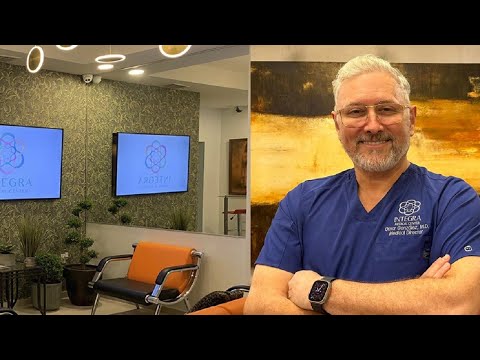





.jpg)

.png)











Share this listing