


The Complete Guide to the Best Gastric Sleeve Surgery in Mexico: Costs, Surgeons, and Care
Welcome to your comprehensive guide on the best gastric sleeve surgery in Mexico. For thousands of individuals struggling with severe obesity, achieving sustainable weight loss can feel like an impossible uphill battle. When local healthcare systems demand exorbitant out-of-pocket fees or mandate years-long waiting lists for life-saving bariatric procedures, looking across the border becomes a highly viable and life-changing alternative. Medical tourism for weight loss surgery has skyrocketed over the past decade, offering patients an optimal blend of unparalleled affordability, stringent medical safety standards, and world-class surgical expertise. If you are considering a vertical sleeve gastrectomy to reclaim your health, reverse obesity-related comorbidities, and transform your daily life, this in-depth resource breaks down everything you need to know to navigate your medical journey safely and successfully.
Video Chapters & Quick Navigation
- Understanding Gastric Sleeve Surgery
- Why Choose Mexico for Medical Tourism?
- Shattering the Price Tag: Cost Breakdown
- What to Expect in All-Inclusive Packages
- The Surgical Procedure Step-by-Step
- Patient Safety and Medical Protocols
- Preparing for Your Bariatric Trip
- Post-Operative Care and Dietary Phases
Understanding Gastric Sleeve Surgery
The vertical sleeve gastrectomy, widely recognized in the medical community as the gastric sleeve, has rapidly evolved into the global gold standard for surgical weight loss. Unlike older, more invasive procedures that required complex rerouting of the intestines, the gastric sleeve focuses entirely on restrictive weight loss mechanics. During this procedure, a specialized bariatric surgeon permanently removes approximately 75% to 80% of the patient's stomach . The remaining portion of the stomach is reshaped into a narrow, banana-like tube or "sleeve," which drastically reduces the physical volume of food the patient can consume in a single sitting.
However, the magic of the gastric sleeve extends far beyond simple physical restriction. By removing the upper portion of the stomach, known as the gastric fundus, surgeons are also excising the primary area responsible for producing ghrelin. Ghrelin is often referred to as the "hunger hormone," acting as the chemical messenger that signals your brain to crave food. By significantly diminishing the body's output of ghrelin, patients experience a profound and natural decrease in their appetite. This metabolic shift is what makes sustainable, long-term weight loss achievable for patients who have historically struggled with yo-yo dieting and intense food cravings.
This dual-action approach—combining physical restriction with hormonal appetite suppression—has positioned the gastric sleeve as the most frequently performed bariatric surgery worldwide. Because it does not involve the rerouting of the digestive tract, patients face a much lower risk of severe nutritional deficiencies and dumping syndrome compared to traditional gastric bypass surgeries. It is a highly efficient, relatively swift laparoscopic procedure that yields monumental health benefits, including the potential remission of type 2 diabetes, sleep apnea, and severe hypertension.
Why Choose Mexico for Medical Tourism?
When prospective patients first consider traveling abroad for major surgery, it is entirely normal to harbor questions regarding safety, facility standards, and overall medical quality. The reality of modern medical tourism in Mexico quickly shatters outdated misconceptions. Mexico has proactively developed world-class medical infrastructure specifically tailored to cater to international patients seeking high-quality, affordable bariatric surgery in Tijuana, Cancun, Guadalajara, and Monterrey. These medical hubs boast state-of-the-art hospitals equipped with the latest surgical technologies, intensive care units, and in-house laboratories that rival or even exceed the standards found in typical community hospitals in the United States and Canada.
Many of the premier bariatric facilities operating in Mexico hold prestigious international accreditations, such as those from the Joint Commission International (JCI) or the Mexican General Health Council (CSG). These accreditations guarantee that the hospitals adhere strictly to global standards of sterilization, patient care, and emergency protocols. Furthermore, the geographical proximity of Mexico to the United States provides an unmatched level of convenience. Patients flying into San Diego International Airport (SAN) can be seamlessly transported across the medical fast lane at the border, arriving at top-tier Tijuana bariatric clinics in less than thirty minutes .
Internationally Trained Surgical Experts
The caliber of the medical professionals performing vertical sleeve gastrectomy procedures in Mexico is truly exceptional. Top-rated bariatric surgeons in Mexico often undergo extensive, rigorous training both domestically and internationally. It is highly common for leading specialists to hold fellowships from prestigious institutions in the United States or Europe. Furthermore, they are frequently active members of elite professional organizations, such as the American Society for Metabolic and Bariatric Surgery (ASMBS), the International Federation for the Surgery of Obesity and Metabolic Disorders (IFSO), and the Mexican College for the Surgery of Obesity and Metabolic Diseases (CMCOEM). This ongoing global education ensures that Mexican surgeons are utilizing the most advanced laparoscopic techniques and evidence-based bariatric protocols available today.
Shattering the Price Tag: Cost Breakdown
The financial burden of obtaining bariatric surgery in the United States or Canada is often the primary barrier preventing patients from reclaiming their health. In the US, patients without comprehensive bariatric insurance coverage—or those facing high deductibles and strict approval requirements—can expect to pay astronomical out-of-pocket fees. The average cost of a gastric sleeve procedure in the United States ranges dramatically from $15,000 to over $25,000. In Canada, while the procedure may be covered by the public healthcare system, the mandatory wait times can stretch from two to five years, during which time a patient's obesity-related health conditions can rapidly deteriorate.
In stark contrast, the cost of vertical sleeve gastrectomy in Mexico typically ranges between $4,000 and $6,000. This represents a staggering savings of up to 70% to 80% without any compromise in the quality of surgical care . Patients frequently ask how such a massive price discrepancy is possible. The answer lies in macroeconomics rather than medical shortcuts. Mexico benefits from a significantly lower cost of living, reduced administrative overhead, subsidized medical education for doctors, and substantially lower medical malpractice insurance premiums. These systemic economic differences allow top-tier hospitals to pass monumental savings directly onto the patient while utilizing the exact same premium titanium surgical staples and laparoscopic equipment used in Beverly Hills or Manhattan.
| Country / Region | Average Estimated Cost (Uninsured) | Typical Wait Time |
|---|---|---|
| United States | $15,000 - $25,000+ | 3 to 6 months (Insurance hurdles) |
| Canada | Fully Covered (Public Health) | 2 to 5 years |
| Mexico (Tijuana / Cancun) | $4,000 - $6,000 | 2 to 4 weeks |
What to Expect in All-Inclusive Packages
One of the most appealing aspects of traveling for bariatric surgery is the availability of all-inclusive weight loss surgery packages. Leading medical tourism facilitators like PlacidWay understand that traveling abroad for major surgery can feel daunting. To eliminate stress and ensure a seamless healing environment, top Mexican clinics bundle every aspect of the patient journey into one transparent, upfront price. This comprehensive approach ensures there are no hidden fees, surprise medical bills, or logistical nightmares to handle while you are trying to recover.
A standard all-inclusive bariatric package in Mexico generally covers all pre-operative blood work, electrocardiograms (EKGs), and nutritional consultations necessary for medical clearance. On the day of travel, patients receive VIP ground transportation from the destination airport directly to the medical facility. The surgical fees, encompassing the lead bariatric surgeon, the anesthesiologist, specialized operating room nurses, and all surgical materials, are entirely covered. Post-surgery, these packages typically include a two-night stay in a private hospital room for acute medical monitoring, followed by a stay in a luxury 4-star or 5-star recovery hotel where patients can safely transition before flying home.
The Surgical Procedure Step-by-Step
Understanding the actual mechanics of the vertical sleeve gastrectomy can significantly alleviate pre-surgical anxiety. The entire process begins weeks before you even board your flight. Patients are required to follow a strict pre-operative liver-shrinking diet, primarily consisting of high-protein, low-carbohydrate liquids. This essential preparatory phase reduces the amount of fatty tissue surrounding the liver, giving the surgical team clear, safe access to the stomach during the operation .
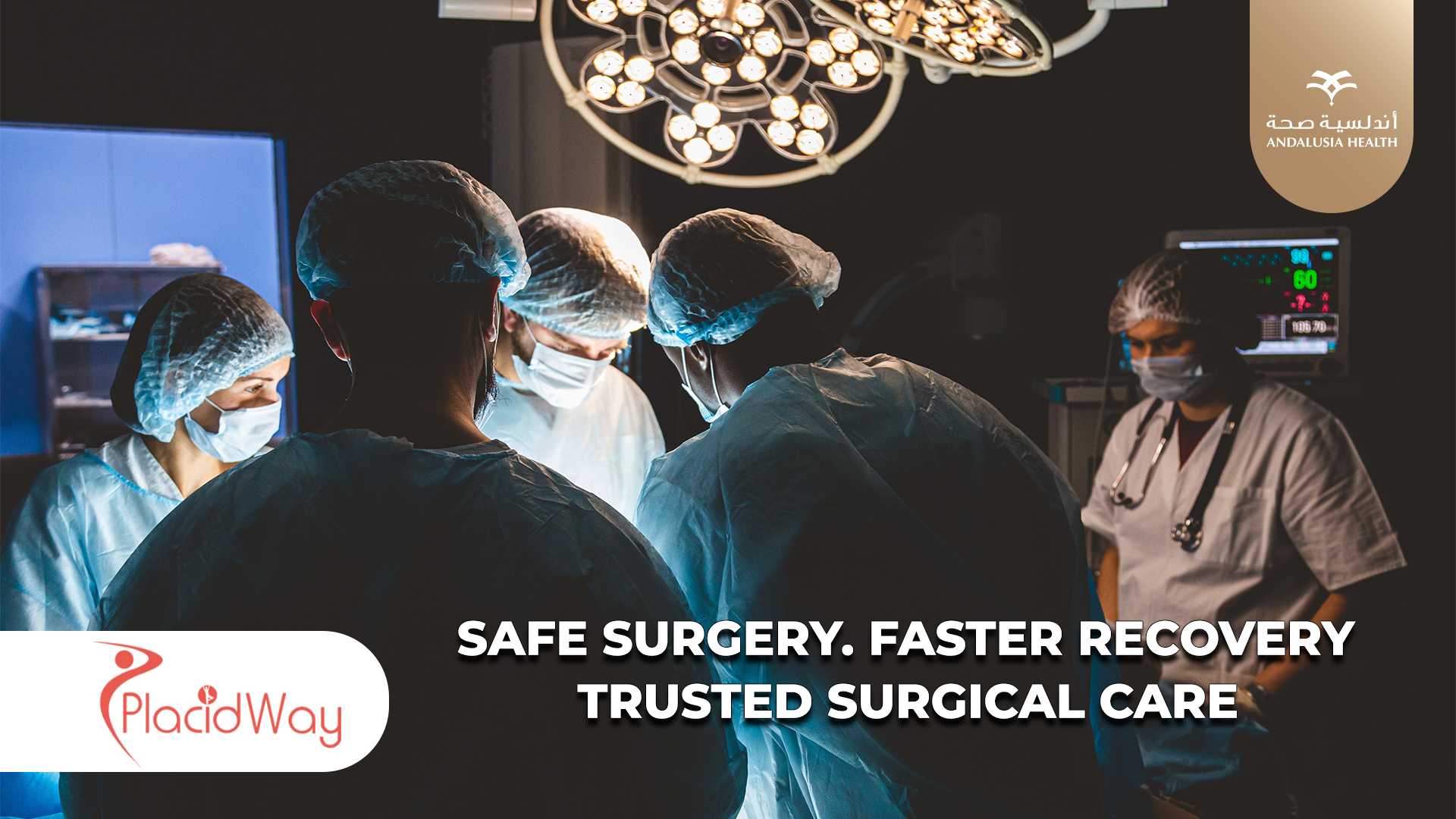
On the day of surgery, the patient is placed under general anesthesia administered by a board-certified anesthesiologist. The lead surgeon will then create three to five tiny, minimally invasive incisions in the abdomen, usually less than an inch long. Through these tiny ports, specialized laparoscopic instruments and a high-definition camera are inserted. A sizing tube, known as a bougie, is guided down the esophagus and into the stomach to serve as a precise measuring template. Using highly advanced titanium surgical staplers, the surgeon meticulously divides the stomach along the curve of the bougie, removing the excess tissue permanently.
Before concluding the procedure, top bariatric surgeons in Mexico perform multiple rigorous leak tests. This often involves inflating the newly formed sleeve with air or a specialized blue dye while submerging the surgical area in sterile saline to meticulously check for any tiny bubbles or leaks along the staple line. This redundant safety checking is paramount for ensuring a safe, complication-free recovery. The entire surgical process generally takes between 45 to 90 minutes, after which the patient is moved to a dedicated recovery room to wake up safely under the close supervision of medical staff.
Patient Safety and Medical Protocols
Safety is the ultimate priority when undergoing any surgical intervention. The leading bariatric hospitals in Mexico have established ultra-strict protocols designed specifically to protect international patients. Beyond the mandatory pre-operative cardiac and pulmonary evaluations, these facilities maintain comprehensive in-house intensive care units (ICUs) and specialized blood banks. While complications from laparoscopic gastric sleeve surgery are statistically very rare (hovering around a 1% to 2% complication rate globally), having robust emergency infrastructure in place guarantees absolute peace of mind for traveling patients.
Furthermore, infection control measures in accredited Mexican hospitals are world-class. Surgical environments feature advanced HEPA air filtration systems, stringent sterilization of all laparoscopic tools using hospital-grade autoclaves, and strict adherence to international biohazard protocols. Patients are also provided with deep vein thrombosis (DVT) prevention measures, including compression garments and blood-thinning medications, to ensure safe blood flow during the post-operative resting phase and the subsequent flight home.
Preparing for Your Bariatric Trip
Proper preparation is the key to a comfortable and stress-free medical tourism experience. Logistically, ensuring your passport is up to date and valid for at least six months beyond your travel dates is the first critical step. It is highly recommended to travel with a dedicated support companion—many all-inclusive packages accommodate a plus-one in your hotel room at no extra charge, ensuring you have emotional and physical support during the initial recovery days.
When packing your suitcase, focus entirely on comfort and ease of movement. Post-surgery, your abdomen will be tender, and bending over may be slightly uncomfortable for the first few days. Pack loose-fitting maxi dresses, oversized t-shirts, drawstring sweatpants, and slip-on shoes. Additionally, packing a high-quality heating pad is widely considered a lifesaver among bariatric patients; it works wonders for soothing the referred shoulder gas pain that occasionally follows laparoscopic surgery. Finally, ensure you bring any prescribed daily medications in their original, clearly labeled pharmacy bottles to comply with border and customs regulations.
Post-Operative Care and Dietary Phases
The surgery itself is only the first step; the true key to unlocking your long-term weight loss goals lies in your commitment to the post-operative bariatric diet plan. Because your stomach will be healing from a major staple line, it must be treated with extreme delicacy in the weeks following your procedure. Upon returning home, patients embark on a carefully structured, multi-phase dietary journey designed by certified bariatric nutritionists to promote rapid healing while preventing nausea or stretching of the new sleeve .
The Four Phases of the Bariatric Diet
- Phase 1: Clear Liquids (Days 1 to 7) - Hydration is the absolute priority. Patients consume water, sugar-free clear broths, sugar-free jello, and specialized clear bariatric protein drinks.
- Phase 2: Full Liquids (Days 8 to 14) - The introduction of slightly thicker liquids. This includes protein shakes, thinned Greek yogurt, and smooth, strained soups.
- Phase 3: Pureed Foods (Weeks 3 and 4) - Foods must be blended to a baby-food consistency. High-protein items like scrambled eggs, pureed fish, and blended cottage cheese take center stage.
- Phase 4: Soft Foods to Regular Diet (Month 2 and Beyond) - Patients slowly introduce easily chewable solid foods, prioritizing lean proteins and soft vegetables before finally returning to a normal, albeit highly portion-controlled, healthy diet.
Throughout all phases, patients must commit to taking specialized daily bariatric multivitamins. Because your stomach capacity is severely reduced, extracting the necessary vitamins and minerals purely from food becomes challenging. Adhering to a regimen of bariatric-specific vitamins, calcium citrate, and B12 supplements ensures you maintain high energy levels, prevent hair loss, and protect your bone density as the excess pounds rapidly melt away.
Embracing Your Health Transformation
Living with obesity is a daily struggle that impacts your joints, your metabolic health, and your emotional well-being. But it is not a battle you have to fight alone, nor is it a battle that requires you to drain your life savings or endure years of endless waiting. The best gastric sleeve surgery in Mexico offers a highly accessible, incredibly safe, and deeply supportive pathway toward achieving the body and health you deserve.
By leveraging the exceptional medical infrastructure and expert surgical talent available just across the border, you are taking a powerful, decisive step toward extending your lifespan and drastically improving your quality of life. The journey requires dedication, profound lifestyle adjustments, and a willingness to embrace change, but the reward—a vibrant, active, and healthy future—is immeasurable.
Ready to Begin Your Weight Loss Journey?
PlacidWay Medical Tourism partners with the highest-rated bariatric hospitals and internationally certified surgeons in Mexico. Secure an all-inclusive, safe, and affordable gastric sleeve package today. Let us handle the logistics while you focus entirely on your transformation.
GET A FREE CONSULTATION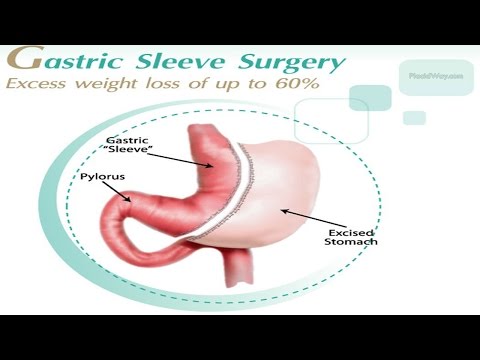



.png)


.jpg)

.jpg)








Share this listing