
New Treatment for Meniscus Tear: Stem Cell Therapy in Santo Domingo, Dominican Republic
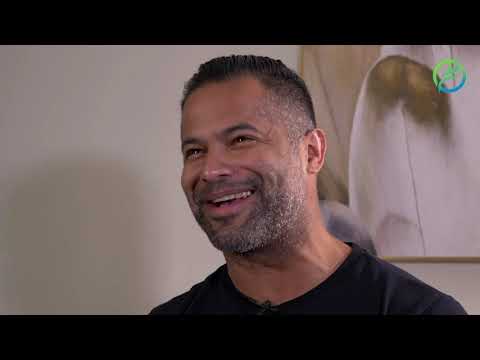
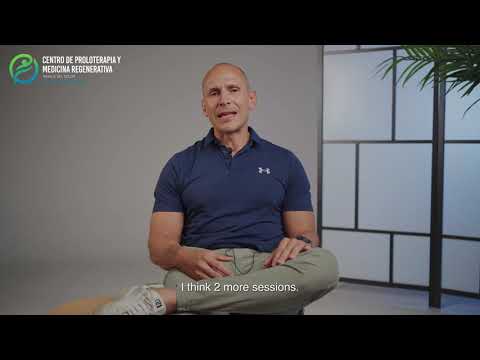
For millions of active adults, athletes, and seniors, a torn meniscus feels like a devastating sentence to chronic knee pain and invasive surgery. The traditional medical route often forces patients onto an operating table, risking long-term joint health. However, you no longer have to settle for joint degradation. Today, a groundbreaking new treatment for meniscus tear: stem cell therapy in Santo Domingo, Dominican Republic, is changing lives. Watch Vanesa’s incredible testimonial as she shares how advanced regenerative medicine provided her with a non-surgical solution, permanently healing her knee and restoring her mobility.
Video Chapters & Quick Navigation
The Hidden Epidemic: Understanding Meniscus Tears
The human knee is an intricate masterpiece of biomechanical engineering. At the center of this complex joint sits the meniscus, a C-shaped piece of tough, rubbery cartilage that acts as a vital shock absorber between your shinbone (tibia) and thighbone (femur). Every time you walk, jump, pivot, or run, your meniscus drastically reduces the immense stress placed on your knee bones.
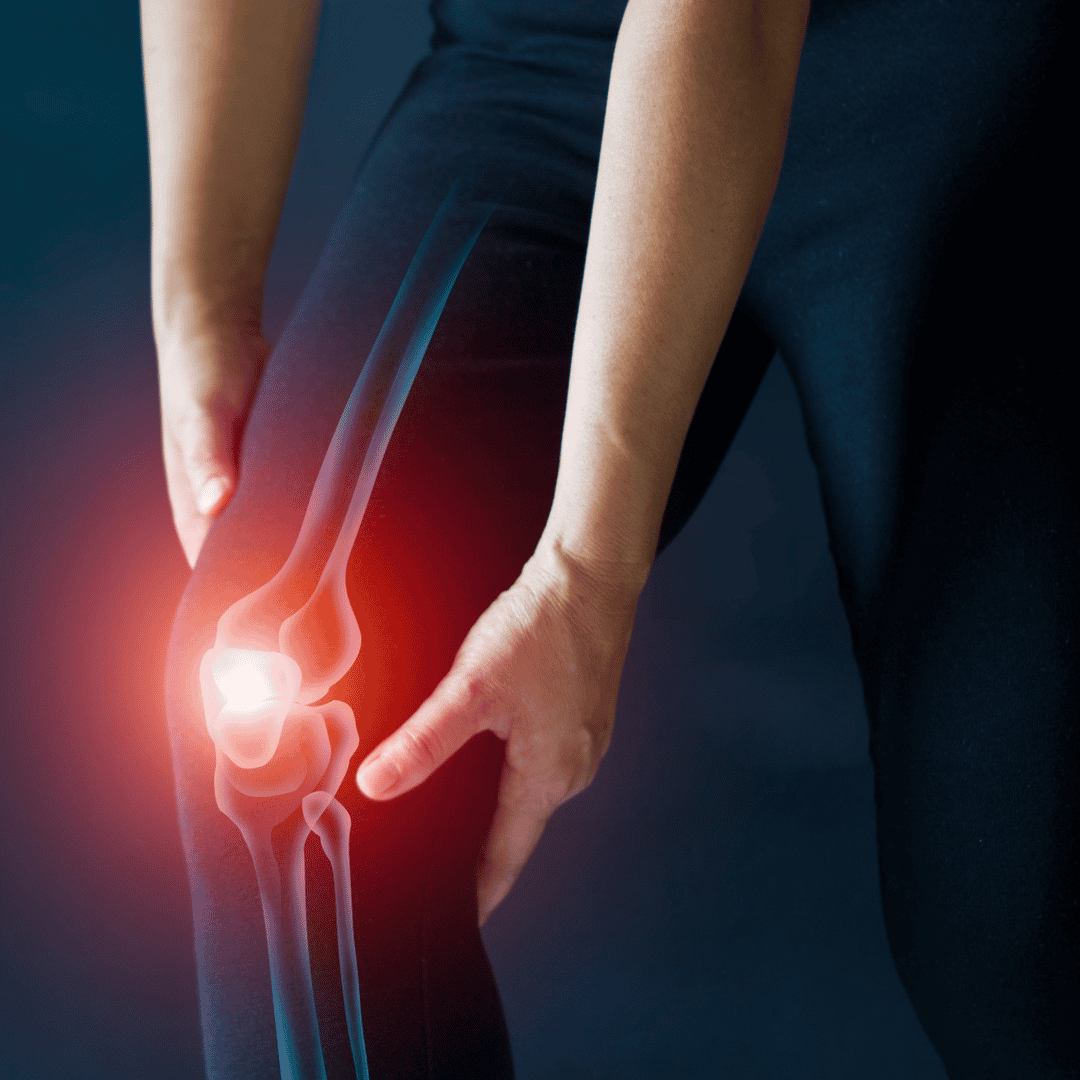
Unfortunately, because the meniscus bears the brunt of our body weight and daily activities, it is highly susceptible to injury. A sudden twist during a tennis match, a deep squat at the gym, or simply the natural wear and tear of aging can cause this crucial cartilage to tear. When the meniscus tears, patients immediately experience debilitating pain, severe swelling, stiffness, and a terrifying sensation that the knee might suddenly give out.
The most frustrating aspect of a meniscus tear is its biological inability to heal itself. The inner two-thirds of the meniscus, medically known as the "white zone," lacks a direct blood supply. Without blood carrying essential nutrients and regenerative cells to the site of the injury, the torn tissue simply cannot fuse back together natively, leaving patients desperate for a non-surgical meniscus tear treatment.
Why Traditional Knee Surgery Isn't Always the Answer
For decades, the standard medical response to a torn meniscus has been arthroscopic knee surgery, specifically a procedure known as a partial meniscectomy. When patients consult with a conventional orthopedic surgeon, they are often told that the only way to eliminate the pain is to go inside the knee joint and physically cut away the torn, damaged cartilage.
However, cutting away part of your meniscus comes with significant long-term consequences. When a surgeon removes a section of this crucial shock absorber, the biomechanics of your entire knee are permanently altered. The remaining cartilage must now absorb a drastically increased amount of force, leading to accelerated friction between the femur and the tibia.
Clinical studies consistently show that patients who undergo partial meniscectomies are at a significantly higher risk of developing early-onset osteoarthritis in the knee. By searching for a quick fix through the scalpel, many patients inadvertently guarantee a future of chronic joint degradation, eventually necessitating a full knee replacement. This harsh reality is driving a massive surge in demand for an alternative to knee surgery.
The Science Behind Stem Cell Therapy for Meniscus Tears
Regenerative medicine has completely shifted the paradigm of orthopedic healing. Instead of cutting away damaged tissue, stem cell therapy utilizes the body's natural cellular mechanisms to repair and regenerate the torn meniscus. This high-tech approach is rapidly becoming the gold standard for recovering from a meniscus tear without surgery.
The Power of Mesenchymal Stem Cells (MSCs)
The foundation of this treatment involves Mesenchymal Stem Cells (MSCs). These are highly specialized "blank slate" cells that possess a remarkable ability to transform into various types of tissue, including bone, muscle, and, crucially, cartilage. When highly concentrated MSCs are introduced directly into the knee joint, they immediately identify the source of inflammation and tissue damage.
Reversing the Damage
Once inside the joint capsule, stem cells operate through multiple miraculous pathways. First, they release powerful anti-inflammatory proteins called cytokines, which dramatically reduce knee swelling and pain within days. Second, they act as cellular directors, releasing exosomes and growth factors that command the local cells to begin rapidly multiplying and repairing the torn structural matrix of the meniscus.
Because stem cell injections for knee pain directly address the root cause of the injury rather than merely masking the symptoms, the healing achieved is natural, robust, and permanent. The white zone of the meniscus, which previously had no hope of regeneration due to lack of blood flow, is suddenly bathed in the precise cellular building blocks it needs to fuse the tear.
Vanesa’s Journey: Finding Hope Beyond the Scalpel
The theoretical science behind regenerative orthopedics is impressive, but the real-world impact is best understood through the eyes of the patients. Vanesa’s story perfectly illustrates why thousands of people are choosing stem cell therapy in the Dominican Republic. After suffering a severe meniscus tear, Vanesa found herself completely sidelined from her active lifestyle, dealing with a constant, agonizing ache in her knee.
At in her video testimonial, Vanesa describes the intense initial pain and the frustrating consultations with local doctors who immediately pushed for invasive arthroscopic surgery. Unwilling to accept the risks of cutting away her cartilage, she began aggressively researching non-surgical meniscus tear treatments and discovered the burgeoning medical tourism sector in Santo Domingo.
As she explains at , arriving in Santo Domingo was a breath of fresh air. She was greeted by state-of-the-art medical facilities and a team of internationally trained orthopedic specialists. The process was meticulously planned, deeply professional, and drastically less intimidating than a hospital surgical ward.
By , Vanesa joyfully shares the ultimate outcome of her stem cell knee injections. Rather than enduring months of painful post-surgical physical therapy on crutches, she experienced rapid pain relief and functional restoration. Her knee healed organically, allowing her to walk, bend, and return to her life with total confidence and zero lingering joint pain.
Why Santo Domingo is a Premier Destination for Regenerative Medicine
You might wonder why a patient would travel to the Caribbean for advanced cellular therapy. Over the last decade, Santo Domingo has quietly evolved into a global powerhouse for regenerative medicine and medical tourism. The city offers a unique convergence of highly advanced biotechnology, elite medical talent, and an incredibly favorable regulatory environment.
World-Class Medical Infrastructure
The top clinics in the Dominican Republic utilize FDA-compliant cellular laboratories and adhere to the strictest international sterilization protocols. Furthermore, the orthopedic surgeons and cellular biologists leading these clinics are frequently educated and board-certified in the United States or Europe, bringing elite, cutting-edge techniques directly to Santo Domingo.
The Ideal Healing Environment
Beyond the clinical excellence, healing from a knee injury in the Dominican Republic provides massive psychological and physical benefits. Stress is a known inhibitor of cellular regeneration. Escaping the high-stress environment of domestic healthcare and recovering in a beautiful, sun-drenched, tranquil setting dramatically improves the body's natural healing response. The warm climate is specifically beneficial for joint mobility and comfort post-injection.
Cost Comparison: Stem Cell Therapy vs. Traditional Surgery
One of the most compelling reasons patients flock to Santo Domingo is the massive financial advantage. In the United States and Canada, regenerative medicine is frequently classified as "experimental" by insurance companies, meaning patients must pay entirely out of pocket. A single high-quality stem cell joint injection in the US can easily cost between $6,000 and $12,000.
Conversely, traditional knee surgery, even with insurance, often involves massive deductibles, copays, hospital facility fees, and anesthesiologist bills, not to mention the hidden cost of lost wages during a grueling three-month recovery period. Below is a breakdown of why the cost of stem cell therapy for knees in the Dominican Republic is a superior financial decision.
| Treatment Parameter | US Traditional Surgery | DR Stem Cell Therapy |
|---|---|---|
| Average Out-of-Pocket Cost | $4,000 - $10,000+ (with insurance) | $3,500 - $5,500 (Comprehensive) |
| Recovery Time | 3 to 6 months | 3 to 6 weeks |
| Long-Term Joint Impact | High risk of Osteoarthritis | Regenerates and protects cartilage |
| Hospitalization Required? | Yes (Outpatient Surgical Center) | No (Simple In-Office Procedure) |
What to Expect During Your Stem Cell Treatment in the Dominican Republic
The journey toward a pain-free knee is remarkably straightforward and vastly less traumatic than standard orthopedic operations. When you book your stem cell therapy in Santo Domingo, the entire medical tourism process is fully managed to ensure a stress-free experience from the moment you land.
- Comprehensive Diagnostics: Upon arrival at the clinic, your orthopedic specialist will conduct a thorough physical examination and review high-resolution MRI scans to precisely locate the extent and severity of the meniscus tear.
- Cellular Preparation: Depending on the specific protocol designed for you, the clinic will either harvest your own autologous stem cells (usually from bone marrow or adipose fat tissue) or utilize rigorously screened, highly potent allogeneic umbilical cord tissue-derived stem cells.
- Precision Ultrasound Injection: The actual procedure takes less than an hour. Using state-of-the-art fluoroscopy or ultrasound guidance, the doctor injects the highly concentrated stem cell serum directly into the exact microscopic fissure of the meniscus. This ensures 100% cellular delivery with zero guesswork.
- Immediate Discharge: Because no general anesthesia is used and no incisions are made, patients walk right out of the clinic on the same day, returning to their hotel to relax and begin the healing process.
Maximizing Your Long-Term Success
The post-injection phase is where the magic of cellular biology truly happens. While the initial inflammation and pain will rapidly dissipate within the first few weeks, the actual structural regeneration of the meniscus cartilage continues for up to six months. Patients are typically advised to rest the joint for the first 48 hours and avoid high-impact activities like running or heavy weightlifting for the first month.
Following the precise physical therapy and rehabilitation guidelines provided by your Dominican medical team is absolutely vital. Gentle stretching, cycling, and targeted strengthening of the quadriceps and hamstrings will naturally support the knee joint while the new cartilage solidifies. By choosing regenerative medicine over surgery, you aren't just putting a band-aid on a meniscus tear; you are hitting the reset button on your knee's biological clock, securing decades of active, pain-free living.
Ready to Heal Your Knee Without Surgery?
Stop letting a meniscus tear control your life and avoid the long-term risks of joint surgery. PlacidWay Medical Tourism connects you with world-class, affordable regenerative medicine clinics in Santo Domingo. Let us help you plan your healing journey today.
GET A FREE QUOTE NOW
.png)





.png)





.jpg)










Share this listing