
Overcoming Back Pain: Stem Cell Spine Treatment for Disc Injury in Santo Domingo, Dominican Republic
Chronic lower back pain can relentlessly dictate every aspect of your daily life, transforming simple movements into agonizing challenges. For patients facing the terrifying prospect of highly invasive spinal surgery, discovering a viable alternative is life-changing. Today, innovative regenerative medicine offers a profound sense of hope without the need for a scalpel.
If you are exploring non-surgical solutions, understanding the profound impact of stem cell spine treatment for disc injury in Santo Domingo, Dominican Republic is paramount. Through real patient experiences, such as Ivan’s incredible testimonial, we uncover how advanced cellular therapies are rapidly rewriting the rules of spinal recovery and orthopedic healing.
Video Chapters & Quick Navigation
The Hidden Epidemic: Understanding Spinal Disc Injuries
To fully appreciate the revolutionary nature of regenerative medicine for herniated discs, one must first understand the complex anatomy of the human spine. The intervertebral discs act as essential shock absorbers, positioned carefully between the bony vertebrae of your spinal column. These discs possess a tough, fibrous outer ring known as the annulus fibrosus, and a gel-like inner core called the nucleus pulposus.
When the spine is subjected to repetitive stress, traumatic acute injury, or the natural wear and tear of aging, the tough outer layer can crack or tear. This allows the inner gel to bulge outward or herniate completely, placing immense pressure on the highly sensitive surrounding spinal nerves.
This neurological compression results in radiculopathy, commonly recognized as sciatica when it occurs in the lower back. Patients experience shooting, electrifying pain down their legs, localized numbness, and a severe restriction of mobility. Traditional non-surgical treatments—such as physical therapy, chiropractic adjustments, and corticosteroid injections—often only mask the pain rather than healing the underlying structural damage.
The Limitations and Risks of Traditional Spinal Surgery
When conservative management fails, orthopedic specialists traditionally recommend highly invasive surgical interventions. Procedures such as a microdiscectomy, laminectomy, or a full spinal fusion are presented as the final option for chronic sufferers. However, these traditional surgical methods carry significant, long-lasting risks that patients are desperately seeking to avoid.
Spinal fusion surgery, for instance, permanently locks two or more vertebrae together, fundamentally altering the biomechanics of the human back. While it may stabilize a severely degenerated segment, it places extraordinary compensatory stress on the discs immediately above and below the fused area.
This phenomenon, clinically known as Adjacent Segment Disease (ASD), frequently leads to the accelerated degradation of previously healthy discs. Because of this domino effect, patients often find themselves requiring secondary or tertiary surgeries years down the line, prompting a massive surge in demand for non-surgical disc injury treatment in the Caribbean and other advanced medical hubs.
What is Stem Cell Spine Treatment for Disc Injury?
Stem cell therapy represents a paradigm shift in orthopedic medicine, transitioning the focus from mechanical repair (surgery) to biological regeneration. Rather than cutting away damaged disc material or fusing bones together with titanium hardware, physicians utilize the body's natural cellular mechanisms to heal the injured tissue from the inside out.
The Power of Mesenchymal Stem Cells (MSCs)
The cornerstone of this treatment relies heavily on Mesenchymal Stem Cells (MSCs). These are multipotent adult stem cells capable of differentiating into various structural cell types, including osteoblasts (bone cells), chondrocytes (cartilage cells), and myocytes (muscle cells). When searching for alternatives to spinal fusion surgery, understanding how MSCs function is critical.
Once injected directly into or around the damaged intervertebral disc under advanced fluoroscopic guidance, these cells perform two primary functions. First, they release powerful anti-inflammatory cytokines that drastically reduce the chronic inflammation responsible for the patient's severe pain.
Secondly, they initiate a complex immunomodulatory response, signaling the body to repair the micro-tears within the annulus fibrosus. Over time, the application of mesenchymal stem cells for spinal disc repair can help rehydrate the disc, restore disc height, and permanently alleviate nerve compression without altering spinal anatomy.
Ivan’s Journey: Overcoming Severe Disc Injury Without Surgery
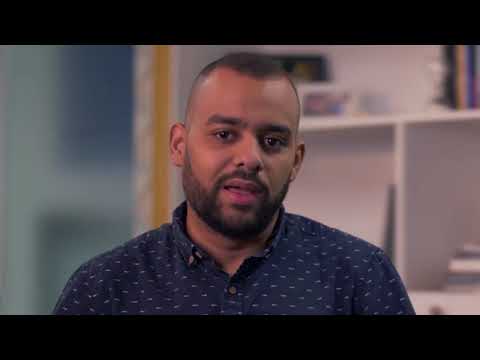
Theoretical medical science is fascinating, but the true impact of these procedures is best understood through the lived experiences of patients. Ivan’s compelling video testimonial highlights the emotional and physical reality of undergoing stem cell therapy for back pain.
The Burden of Chronic Agony
At in the video, Ivan candidly describes the debilitating nature of his back pain prior to treatment. He details how a severe disc injury essentially halted his active lifestyle, making routine activities like sitting at a desk or tying his shoes unbearably painful.
Like many patients, Ivan was caught in a cycle of temporary relief. He outlines at how traditional orthopedic consultations inevitably steered him toward highly invasive spinal fusion. The fear of permanent hardware and prolonged recovery periods forced him to look outside the boundaries of his local healthcare system.
Discovering a Caribbean Medical Oasis
Ivan's extensive research led him to the burgeoning field of medical tourism. At , he explains his decision to pursue regenerative medicine in the Dominican Republic. He notes the exceptional communication from the medical staff and the rigorous safety standards that immediately put his mind at ease.
The actual treatment experience, as recounted at , was surprisingly straightforward for Ivan. He describes a minimally invasive, outpatient procedure that allowed him to walk out of the clinic the very same day, a stark contrast to the weeks of bed rest required after traditional back surgery.
The Road to Reclaiming Mobility
The most powerful moment of the testimonial arrives at , where Ivan details his post-treatment life. He highlights the gradual, yet undeniable, cessation of his sciatic nerve pain. Within just a few short months, the regenerative capabilities of the stem cells had effectively repaired his damaged disc, allowing him to return to the active, pain-free life he thought he had lost forever.
Why Santo Domingo is a Premier Destination for Regenerative Medicine
Ivan’s success story is not an isolated incident. Thousands of international patients are traveling annually to receive orthopedic care in the Caribbean. But what specifically makes the capital of the Dominican Republic such a focal point for these advanced medical procedures?
World-Class Medical Infrastructure
Over the last decade, the Dominican Republic has invested heavily in its medical infrastructure. The best stem cell clinics in Santo Domingo operate within state-of-the-art hospitals that maintain strict international accreditation standards.
The physicians leading these regenerative programs are often board-certified specialists who have completed extensive fellowships in the United States, Europe, or South America. They bring cutting-edge protocols back to the Caribbean, ensuring that international patients receive care that frequently exceeds the standards found in their home countries.
Accessibility and Recovery Environment
Geographical proximity plays a massive role in medical tourism. Santo Domingo is highly accessible, with direct, short-haul flights available from numerous major North American cities. This accessibility is crucial for patients dealing with severe spinal pain, as enduring long-haul flights is often physically impossible.
Furthermore, the environment itself is conducive to healing. Recovering from an orthopedic procedure in a tropical, low-stress environment allows patients to focus entirely on their rehabilitation without the daily stressors of their normal routine.
Shattering the Financial Barrier: The Cost of Stem Cell Therapy
In the United States and Canada, regenerative medicine is frequently classified as "experimental" by major insurance conglomerates, meaning patients are forced to pay entirely out of pocket. The domestic cost of stem cell therapy for spine injuries can be astronomically high, creating an impenetrable financial barrier for the average individual.
By seeking treatment internationally, patients can access affordable stem cell therapy for back pain without compromising on medical quality, cellular viability, or clinical safety protocols. The economic disparity in administrative and operational costs allows Dominican clinics to offer premium treatments at a fraction of North American prices.
| Treatment / Service Type | Estimated Cost in US/Canada | Estimated Cost in Santo Domingo |
|---|---|---|
| Initial Orthopedic Consultation & MRI Review | $500 - $1,200 | $100 - $250 (Often included) |
| Single Level Stem Cell Disc Injection | $8,000 - $15,000 | $3,500 - $6,000 |
| Multi-Level Spine Treatment Protocol | $15,000 - $30,000+ | $6,500 - $10,000 |
| Traditional Spinal Fusion Surgery (For Context) | $80,000 - $150,000 | N/A (Alternative Procedure) |
*Note: Pricing is approximate and varies significantly based on individual patient needs, cell count required, and the specific source of stem cells utilized.
The Step-by-Step Medical Tourism Procedure
A primary concern for any patient traveling abroad for medicine is the logistical complexity of the journey. Leading medical tourism facilitators streamline this entire process, transforming a potentially stressful endeavor into a seamlessly coordinated medical vacation.
Step 1: Remote Virtual Evaluation
The journey to a pain-free life begins long before boarding an airplane. Patients are required to submit their recent MRI scans, X-rays, and comprehensive medical histories via secure, HIPAA-compliant portals. The orthopedic specialists in Santo Domingo thoroughly review these diagnostics to ensure the patient is a viable candidate for cellular therapy.
Not every spine injury is suitable for stem cell treatment. If a disc is completely collapsed or if severe spinal stenosis is present, alternative interventions may be necessary. This rigorous pre-screening ensures high success rates and patient safety.
Step 2: Arrival and Pre-Operative Assessment
Upon arriving in the Dominican Republic, patients are greeted by clinic concierges who manage all local transportation. Before any procedure takes place, an in-person, comprehensive physical examination is conducted.
This is the moment patients meet their primary physician face-to-face, allowing for the discussion of exact treatment protocols, the targeted spinal levels, and the detailed mapping of the injection sites using real-time imaging.
Step 3: The Precision Injection Process
The actual stem cell procedure is remarkably fast, typically lasting less than a few hours. Clinics in Santo Domingo utilize either highly concentrated autologous cells (harvested from the patient’s own bone marrow or adipose tissue) or ethically sourced, rigorously screened allogeneic umbilical cord tissue.
To ensure absolute precision, the physician utilizes a fluoroscope—a specialized live X-ray machine. This allows the doctor to navigate the specialized needle past nerves and blood vessels, delivering the concentrated regenerative cells directly into the damaged annulus fibrosus or the epidural space surrounding the irritated nerve roots.
Rehabilitation and Ensuring Long-Term Success
A critical aspect of regenerative medicine for herniated discs that patients must understand is that the injection is a catalyst, not an immediate cure. The cellular repair process requires time, patience, and strict adherence to post-treatment protocols to achieve the life-altering results seen in testimonials like Ivan’s.
The Acute Recovery Phase
Immediately following the procedure, patients are advised to rest. While walking and light movement are encouraged to promote blood flow, bending, lifting, and twisting must be strictly avoided. It is entirely normal to experience temporary soreness at the injection site as the targeted inflammatory healing cascade begins.
Unlike the horrific recovery periods associated with spinal fusions, patients undergoing non-surgical stem cell therapies generally return to their hotel rooms the very same day. They spend the next several days enjoying the tranquil Dominican atmosphere while their body focuses on foundational cellular integration.
Physical Therapy and Biomechanical Correction
Around weeks four to six post-injection, the true work of rehabilitation begins. Because spinal disc injuries are frequently caused by poor posture, core weakness, or biomechanical imbalances, engaging in targeted physical therapy is mandatory for long-term success.
Physical therapists will guide patients through progressive core stabilization exercises. Strengthening the musculature that surrounds and supports the spinal column significantly reduces the mechanical load placed on the newly repairing intervertebral discs. This synergistic approach—combining advanced cellular biologics with diligent physical therapy—creates an environment where the spine can truly heal and stabilize.
Dietary Support for Cellular Regeneration
Stem cells require massive amounts of biological energy and raw materials to rebuild complex collagen networks and cartilage tissue. Top medical tourism clinics provide patients with comprehensive nutritional guidelines to maximize their cellular investment.
- Anti-Inflammatory Diets: Eliminating processed sugars and refined carbohydrates prevents systemic inflammation from interfering with the localized healing process.
- Hydration: The nucleus pulposus within the spinal disc is primarily composed of water. Maintaining optimal hydration is absolutely critical for restoring disc height and shock-absorbing capabilities.
- Nutrient Supplementation: High-quality Omega-3 fatty acids, Vitamin C, Vitamin D3, and specialized collagen peptides are frequently recommended to provide the exact building blocks required for rapid tissue regeneration.
A New Paradigm in Orthopedic Healing
The landscape of spinal medicine has been irrevocably altered. Patients are no longer confined to the binary choices of enduring lifelong chronic pain or submitting to irreversible, hardware-intensive surgeries. The emergence of sophisticated orthobiologics has leveled the playing field, offering genuine structural healing.
The combination of world-class medical expertise, highly affordable treatment structures, and the natural beauty of the Caribbean makes Santo Domingo a beacon of hope for thousands. Medical tourism in the Dominican Republic is not just about saving money; it is about accessing advanced, non-surgical healthcare options that empower patients to take absolute control of their recovery and reclaim their active lifestyles.
Ready to Reclaim Your Life from Back Pain?
Stop letting chronic disc injuries dictate your daily life. PlacidWay Medical Tourism connects you with top-rated regenerative medicine specialists in Santo Domingo, Dominican Republic. Discover affordable, world-class stem cell treatments tailored to your exact spinal condition.
REQUEST YOUR FREE MEDICAL EVALUATION

.png)
.png)


















Share this listing