
Alternative Treatment for Shoulder Pain: Regenerative Medicine in Santo Domingo
Living with debilitating joint discomfort can abruptly halt your active lifestyle, but an alternative treatment for shoulder pain is transforming how patients approach recovery. If you are struggling with a severe rotator cuff injury, chronic tendinitis, or advanced osteoarthritis, traditional specialists often present invasive surgery as the only viable solution. This pathway typically involves extensive downtime, grueling physical therapy, and no absolute guarantee of restored mobility.
However, regenerative medicine is shifting the paradigm. Through advanced stem cell therapy in Santo Domingo, Dominican Republic, patients are experiencing profound non-surgical shoulder pain relief. In this comprehensive guide, we will explore the science behind regenerative cell treatments, the rise of the Dominican Republic as a premier medical tourism destination, and the inspiring testimonial of Robel—a patient who reclaimed his life and avoided going under the knife.
Video Chapters & Quick Navigation
The Agony and Limitations of Chronic Shoulder Injuries
The human shoulder is a marvel of biological engineering. As a ball-and-socket joint, it offers an incredible range of motion, allowing us to reach, lift, throw, and embrace. However, this immense flexibility comes at a significant cost: instability and high susceptibility to injury. When the delicate network of tendons, muscles, and ligaments known as the rotator cuff becomes compromised, the resulting pain can be completely paralyzing. Daily activities that were once second nature, such as putting on a jacket, reaching for a high shelf, or even finding a comfortable sleeping position, transform into agonizing hurdles.
For many individuals, chronic shoulder pain does not happen overnight. It is often the result of repetitive strain, athletic wear and tear, or the natural degradation of cartilage as we age. Osteoarthritis can wear away the protective cushioning between the bones, leading to bone-on-bone friction that generates severe inflammation. As Robel notes in his testimonial at , the constant ache becomes a lingering shadow over your daily life, draining your energy and negatively impacting your mental health.
When conservative treatments like over-the-counter anti-inflammatory medications, ice packs, and standard physical therapy fail to provide long-term relief, patients frequently find themselves at a medical crossroads. The relentless cycle of temporary pain management does nothing to address the root cause of the tissue damage. This is precisely when an alternative treatment for shoulder pain becomes not just an option, but an absolute necessity for those wanting to reclaim their quality of life without enduring invasive procedures.
Why Traditional Interventions Often Fall Short
In modern orthopedics, the standard progression for treating severe shoulder issues often leads directly to the surgeon's operating table. Procedures such as arthroscopic rotator cuff repair, labrum reconstruction, or even total shoulder replacements are aggressively recommended. While these surgeries can be necessary in cases of complete, acute trauma, they are often over-prescribed for chronic degenerative conditions. Traditional surgery involves cutting through healthy tissue to reach the damaged area, which inherently causes additional trauma to the body.
The recovery process following shoulder surgery is notoriously brutal. Patients are typically immobilized in a sling for several weeks, leading to rapid muscle atrophy and stiffening of the joint space. Following immobilization, months of intensive and often painful physical therapy are required just to regain baseline functionality. As highlighted by Robel at , the prospect of taking six to twelve months away from work and athletic passions is simply not feasible for an active individual. Furthermore, surgical interventions carry inherent risks, including post-operative infections, nerve damage, and adverse reactions to general anesthesia.
Even more concerning is the long-term success rate of traditional joint surgeries. Many patients report experiencing residual stiffness, incomplete restoration of strength, or even a return of pain years down the line as adjacent tissues compensate for the altered joint mechanics. The realization that major surgery might not provide a permanent or perfect fix drives countless patients to seek out non-surgical shoulder pain relief through the lens of regenerative medicine.
The Science of Stem Cell Therapy for Shoulder Pain
To truly understand why regenerative medicine is so groundbreaking, we must look at the body's innate ability to heal itself. Stem cell therapy for shoulder injuries harnesses the power of Mesenchymal Stem Cells (MSCs). These are essentially the "master cells" of the human body. Unlike specialized cells, MSCs have the unique, extraordinary ability to transform into various types of tissue, including cartilage, bone, muscle, and tendon cells. When strategically introduced into a damaged joint, they act as a biological repair crew.
1. Powerful Anti-Inflammatory Action
The immediate benefit of stem cell injections is their profound immunomodulatory effect. Chronic shoulder pain is largely driven by persistent, localized inflammation. When stem cells are injected into the affected bursa or tendon tear, they release specific proteins and growth factors called cytokines. These cellular signals instruct the body to turn off the aggressive inflammatory response, providing rapid and sustained pain relief without the need for synthetic corticosteroids.
2. Tissue Regeneration and Repair
Beyond simply masking the pain, stem cell therapy addresses the underlying structural damage. The introduced cells secrete growth factors that stimulate the patient's existing cells to begin repairing micro-tears in the rotator cuff and rebuilding degraded cartilage. Over the course of several weeks to months, this cellular activity actively regenerates the tissue matrix, restoring structural integrity to the joint. This is a stark contrast to traditional pain management, which only temporarily blocks pain receptors.
3. Prevention of Further Degeneration
Osteoarthritis is a progressive disease, meaning it traditionally worsens over time. Regenerative medicine alters this trajectory. By improving the cellular environment of the joint and increasing the quality of the synovial fluid (the joint's natural lubricant), stem cell therapy can halt or significantly slow the degenerative process. This proactive approach ensures that the shoulder remains functional and healthy for years to come, effectively delaying or completely eliminating the need for joint replacement surgery.
Santo Domingo: The Rising Hub for Regenerative Medicine
When searching for advanced medical treatments, patients are increasingly looking beyond their home borders. The United States and Canada boast excellent healthcare systems, but they are often hampered by strict regulatory red tape that limits the availability and expansion of cutting-edge regenerative therapies. Consequently, stem cell therapy in Santo Domingo, Dominican Republic, has emerged as a beacon of hope for international patients seeking high-quality, accessible, and affordable care.
The Dominican Republic has strategically invested in its medical tourism infrastructure. Top-tier clinics in Santo Domingo are equipped with state-of-the-art laboratories and clean rooms that adhere to rigorous international safety standards. The medical professionals leading these regenerative programs are highly distinguished. Many of the specialized orthopedic physicians and cellular biologists practicing in Santo Domingo have trained extensively in North America and Europe, bringing a wealth of global expertise back to the Caribbean.
Furthermore, the legal framework in the Dominican Republic allows for the ethical and safe expansion of cultured stem cell treatments. While clinics in the US are often restricted to using a patient's own (autologous) stem cells in limited quantities, facilities in Santo Domingo can utilize highly concentrated, safely expanded cellular products. This means patients receive a vastly higher volume of viable stem cells per injection, dramatically increasing the therapeutic potential and overall success rate of the treatment.
Robel's Journey: Seeking an Alternative Treatment
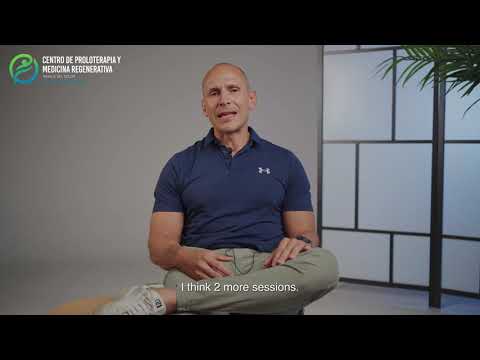
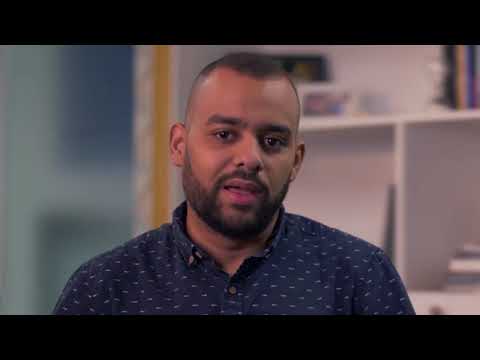
The clinical science is fascinating, but the true impact of these treatments is best understood through the experiences of the patients themselves. Robel's story is a quintessential example of the frustration caused by modern orthopedic limitations. For years, Robel considered himself a highly active individual. However, a progressive shoulder injury began to slowly strip away his capabilities. What started as a mild discomfort during strenuous workouts eventually devolved into a sharp, constant pain that radiated down his arm.
In his video testimonial, Robel explains his exhausting journey through the traditional medical system. He spent countless hours in physical therapy clinics, undergoing painful manipulation that offered only fleeting relief. When he finally consulted with top orthopedic surgeons in his home country, the verdict was unanimous and disheartening: invasive shoulder surgery was the only option. As he recalls at , the surgeons outlined a recovery protocol that would require him to be out of commission for up to a year. For a man who valued his independence and active lifestyle, this was an unacceptable compromise.
Determined to find a better way, Robel began researching non-surgical shoulder pain relief. His extensive investigation into regenerative medicine led him to discover the advanced protocols being offered in the Caribbean. The combination of highly concentrated stem cells, internationally trained physicians, and a patient-centric approach convinced him that traveling for medical care was not just a viable alternative, but the superior choice. He booked his consultation and made the decision to travel to Santo Domingo.
The Clinic Experience and Treatment Process
One of the most common anxieties regarding medical tourism is the uncertainty of the clinical environment abroad. Robel’s experience shatters these preconceived notions. Upon arriving at the regenerative medicine center in Santo Domingo, he was immediately struck by the modern, pristine nature of the facility. The level of personalized care and attention to detail far exceeded his experiences in overcrowded domestic hospitals.
The process began with a comprehensive diagnostic evaluation. Unlike rushed ten-minute consultations, the specialists in Santo Domingo took the time to conduct detailed ultrasound imaging and review his MRI scans meticulously. This precise mapping of the joint is crucial. It ensures that the stem cells are delivered exactly where the tissue damage is located. At , Robel details how the doctor walked him through the entire treatment plan, explaining the cellular mechanics in a way that was clear and reassuring.
The procedure itself is remarkably straightforward and minimally invasive. It is performed on an outpatient basis under local anesthesia. Using advanced fluoroscopic or ultrasound guidance, the physician carefully injects the concentrated stem cell serum directly into the damaged tendons and the joint capsule. The entire process takes less than a few hours. There are no large incisions, no general anesthesia risks, and no overnight hospital stays required. Robel was able to walk out of the clinic the very same day, feeling optimistic rather than traumatized by a surgical scalpel.
Healing and Lasting Results: Life After Therapy
The contrast between surgical recovery and stem cell therapy recovery is staggering. Following traditional shoulder surgery, patients face a grueling battle against scar tissue and muscle wasting. Following stem cell injections, the recovery protocol is focused on gentle movement and allowing the biological healing process to unfold. Patients are typically advised to rest the joint for a few days, followed by a gradual reintroduction of light physical activity to promote blood flow and cellular integration.
For Robel, the timeline of relief was incredibly rapid. Within the first few weeks, the chronic, burning inflammation that had plagued him for years began to noticeably subside. As the stem cells initiated the tissue repair process over the following months, his range of motion steadily returned. By the three-month mark, he experienced a profound transformation. As he joyfully reports at , he was able to return to the gym, lift weights, and sleep peacefully on his side without waking up in agony.
The long-term results of regenerative medicine in Dominican Republic clinics are highly encouraging. Because the therapy actually heals the tissue rather than simply masking symptoms, the structural integrity of the shoulder is significantly improved. Robel's success story is not an isolated incident; it represents a growing demographic of patients who have successfully bypassed the operating room in favor of biological healing. He emphasizes that choosing an alternative treatment for shoulder pain was the single best investment he could have made for his physical well-being.
Financial Benefits: Global Cost Comparison
Beyond the undeniable medical advantages, the economic reality of healthcare plays a massive role in a patient's decision-making process. In the United States, comprehensive stem cell treatments are rarely covered by traditional health insurance, meaning patients are forced to pay entirely out of pocket. Domestic clinics often charge exorbitant fees for these therapies, placing them out of reach for the average person.
By traveling for stem cell therapy in Santo Domingo, patients can access superior, expanded cell treatments at a fraction of the North American price. The lower cost of living, reduced administrative overhead, and favorable exchange rates allow Dominican clinics to offer premium healthcare services without the massive markup. This price difference frequently covers the entire cost of the treatment, the round-trip flights, and a relaxing recovery stay in a Caribbean hotel.
| Treatment Type / Location | Estimated Cost (USA) | Estimated Cost (Santo Domingo) |
|---|---|---|
| Traditional Shoulder Surgery (Out of Pocket) | $15,000 - $30,000+ | $6,000 - $10,000 |
| Basic Autologous Stem Cell Injection | $5,000 - $8,000 | N/A (Advanced cells preferred) |
| Advanced Expanded Stem Cell Therapy | $10,000 - $25,000 (Often restricted) | $4,500 - $7,500 |
As the table illustrates, patients like Robel are not only protecting their bodies from surgical trauma, but they are also protecting their finances. The ability to receive a more potent, advanced regenerative treatment for significantly less money makes medical tourism an incredibly pragmatic choice for non-surgical shoulder pain relief.
Planning Your Medical Journey to the Caribbean
Making the decision to pursue regenerative medicine abroad is the first step toward living a pain-free life. The next step is careful planning and coordination. The prospect of organizing international healthcare can seem daunting, but specialized medical tourism facilitators streamline the entire process. From connecting you with board-certified specialists to arranging your airport transfers and accommodations, the journey is designed to be entirely stress-free.
When you choose an alternative treatment for shoulder pain in the Dominican Republic, you are not just booking a medical procedure; you are scheduling a healing retreat. The warm Caribbean climate, the soothing ocean breezes, and the legendary hospitality of the Dominican people create an optimal environment for biological recovery. Stress is a known inhibitor of healing, and there is no better place to decompress and let your body repair itself than in a tropical sanctuary.
Robel's testimonial serves as a powerful reminder that you do not have to accept chronic pain as your permanent reality, nor do you have to submit to the risks of traditional orthopedic surgery. Through the incredible advancements of stem cell therapy, your body possesses the tools to heal itself. It simply requires the right cellular catalyst, delivered by expert hands in a world-class facility.
Ready to Break Free from Shoulder Pain?
Stop letting chronic joint pain dictate your life. Connect with elite medical professionals in Santo Domingo and discover if advanced stem cell therapy is the right alternative treatment for you. Let us help you plan a seamless, safe, and life-changing medical journey.
GET A FREE MEDICAL CONSULTATION
.png)
.png)





.jpg)
.png)











Share this listing