


The Ultimate Guide to the Top 10 Innovative Trends to Watch in Medical Tourism
The landscape of global healthcare is shifting rapidly. For patients seeking affordable, high-quality treatments, understanding the top 10 innovative trends to watch in medical tourism is absolutely essential. Gone are the days when traveling for medical care meant compromising on quality or safety.
Today, international healthcare facilities are pioneering advanced technologies, artificial intelligence, and patient-centric services. Watch this breakdown to discover how emerging medical travel trends are transforming patient experiences, lowering astronomical healthcare costs, and providing unprecedented access to world-class medical specialists across the globe.
Video Chapters & Quick Navigation
- 1. Telemedicine Integration
- 2. Artificial Intelligence in Patient Care
- 3. Robotic-Assisted Surgery Abroad
- 4. Precision Medicine & Genomics
- 5. Preventive Wellness Tourism
- 6. Blockchain for Medical Records
- 7. Eco-Friendly Healthcare Facilities
- 8. Highly Specialized Medical Niche
- 9. All-Inclusive Concierge Services
- 10. Employer-Sponsored Medical Travel
1. The Widespread Integration of Telemedicine
One of the most significant barriers to seeking international healthcare has historically been the distance between the patient and the physician. However, as noted in the video at , cross-border telemedicine has completely eradicated this hurdle. International remote medical consultations are now a standard offering at top-tier global clinics.
Pre-Surgical Planning and Post-Operative Care
Patients no longer need to fly blindly to a foreign country hoping they are a candidate for a specific procedure. High-definition video conferencing allows international surgeons to review MRI scans, blood work, and patient histories long before a flight is booked. This ensures that the global health journey is optimized for safety and success.
Furthermore, post-operative care has been revolutionized. Once a patient returns home, their international doctor can seamlessly monitor their recovery via virtual check-ins. This drastically reduces readmission rates and provides immense peace of mind to patients navigating affordable medical tourism packages.
2. Artificial Intelligence in Medical Tourism Platforms
Artificial intelligence is no longer just a buzzword; it is a vital utility reshaping how patients find care abroad. At , the discussion highlights how AI algorithms are being used to create personalized healthcare itineraries. Medical tourism facilitators are leveraging machine learning to match patients with the optimal hospital based on complex data points.
Predictive Analytics for Patient Outcomes
AI goes beyond just matchmaking. Advanced predictive analytics are now being utilized to forecast surgical outcomes based on massive global databases. By analyzing thousands of similar cases, AI can accurately predict recovery timelines, potential complication risks, and even the exact all-inclusive medical tourism costs down to the dollar.
This level of transparency was previously impossible. Now, patients utilizing artificial intelligence in medical tourism platforms can receive customized risk-benefit analysis reports. This data empowers individuals to make highly informed decisions regarding their international healthcare options without fear of hidden variables.
3. Affordable Robotic-Assisted Surgery Abroad
For years, robotic-assisted surgery systems, such as the Da Vinci Surgical System, were exclusive to highly expensive hospitals in North America and Western Europe. As revealed at , this paradigm has shifted dramatically. Emerging medical tourism hubs in countries like Turkey, India, and Mexico have heavily invested in surgical robotics.
Minimally Invasive Techniques with Maximum Precision
The primary draw of advanced robotic surgery abroad is the minimally invasive nature of the procedure. Robotic arms eliminate human hand tremors and offer a 360-degree range of motion. For international patients, this means significantly smaller incisions, drastically reduced blood loss, and a much lower risk of post-operative infection.
Because robotic surgeries require shorter hospital stays, patients are well enough to fly back to their home countries much sooner. When combining the lower cost of living in destination countries with accelerated recovery timelines, patients are saving up to 70% on complex oncological, urological, and cardiovascular procedures.
| Surgical Approach | Average US Cost | Medical Tourism Cost | Recovery Time Advantage |
|---|---|---|---|
| Traditional Open Surgery | $45,000+ | $12,000 | Standard timeline |
| Robotic-Assisted Surgery | $80,000+ | $18,000 | Up to 50% faster recovery |
4. Precision Medicine and Genomic Profiling
The "one-size-fits-all" approach to medicine is rapidly becoming obsolete, particularly in the realm of medical tourism. At , we see how international hospitals are pioneering personalized genomic medicine overseas. By analyzing a patient's unique genetic makeup, doctors can customize treatments that offer the highest probability of success.
Targeted Therapies for Complex Conditions
This trend is exceptionally prominent in oncology tourism. Rather than undergoing broad-spectrum chemotherapy, international patients can access targeted therapies that attack specific genetic mutations within cancer cells. Centers of excellence in Germany, South Korea, and Japan are leading the world in affordable genetic testing and precision medicine integration.
Patients are actively seeking out global healthcare providers who offer comprehensive DNA profiling. By understanding a patient's exact metabolic pathways, doctors can prescribe medications with optimal dosages, significantly minimizing adverse side effects and improving overall long-term survival rates.
5. The Surge of Preventive Health and Wellness Retreats
Medical tourism is no longer solely about treating existing illnesses; it has dramatically pivoted toward preventing them. As outlined at , preventive health and wellness retreats are drawing millions of global travelers. These individuals are seeking to optimize their lifespans before chronic diseases take root.
Biohacking and Holistic Health Integrations
These specialized wellness clinics offer a blend of cutting-edge modern medicine and ancient holistic practices. A typical preventive healthcare package abroad might include full-body MRI screening, heavy metal toxicity testing, intravenous vitamin therapy, and customized nutritional protocols based on microbiome analysis.
Destinations such as Thailand, Costa Rica, and Switzerland have become havens for medical wellness tourists. Patients can spend a week in a luxurious resort setting while receiving comprehensive executive health check-ups. This proactive approach to health management is proving to be a highly cost-effective strategy for long-term vitality.
6. Blockchain Technology for Secure Medical Records
When patients cross international borders for medical procedures, the transfer of highly sensitive medical data becomes a critical logistical challenge. Highlighted at , the implementation of blockchain technology is solving the interoperability crisis in global healthcare.
Unhackable Electronic Health Records
Blockchain provides an immutable, decentralized ledger for patient data. This means that a patient can grant a surgeon in Brazil temporary, secure access to medical records stored in the United States without risking data breaches. Secure electronic health records for international patients ensure that vital information regarding allergies, past surgeries, and current medications is never lost in translation.
Furthermore, blockchain technology streamlines the billing and insurance claims process. Smart contracts can automatically trigger payments to international clinics the moment a procedure is verified, eliminating the bureaucratic red tape that often frustrates medical tourists and their healthcare providers.
7. Eco-Friendly and Sustainable Healthcare Facilities
The modern medical tourist is increasingly conscious of their environmental footprint. The trend detailed at focuses on the rise of sustainable medical tourism destinations. Top international hospitals are now striving for LEED certification and implementing aggressive carbon-neutral initiatives.
Green Hospitals Driving Better Healing
Sustainable healthcare is not just about installing solar panels; it directly impacts patient recovery. Green hospitals utilize natural lighting, non-toxic building materials, and advanced indoor air purification systems. Studies show that patients recovering in natural, biophilic environments experience lower blood pressure and require less pain medication.
Countries that rely heavily on medical tourism revenue are marketing their eco-friendly infrastructure as a core competitive advantage. For patients who value environmental stewardship, choosing a zero-waste surgical center abroad aligns their medical needs with their personal ethical standards, creating a more fulfilling healthcare journey.
8. Specialized Niche Medical Tourism Destinations
While multi-specialty mega-hospitals remain popular, a major trend identified at is the fragmentation of the market into highly specialized centers of excellence. Rather than trying to be everything to everyone, clinics are focusing intently on mastering one specific medical discipline.
Seeking the Absolute Best for Specific Needs
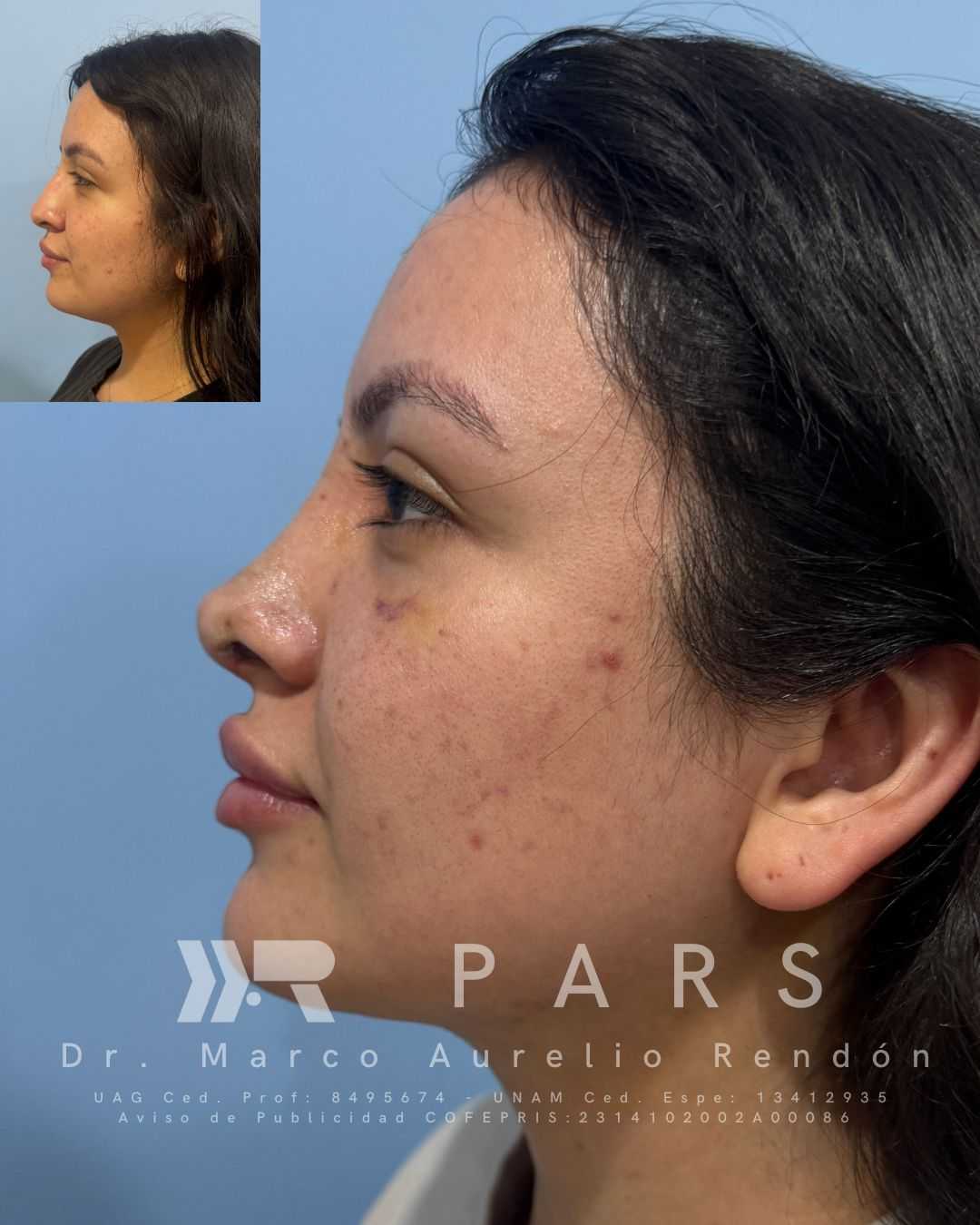
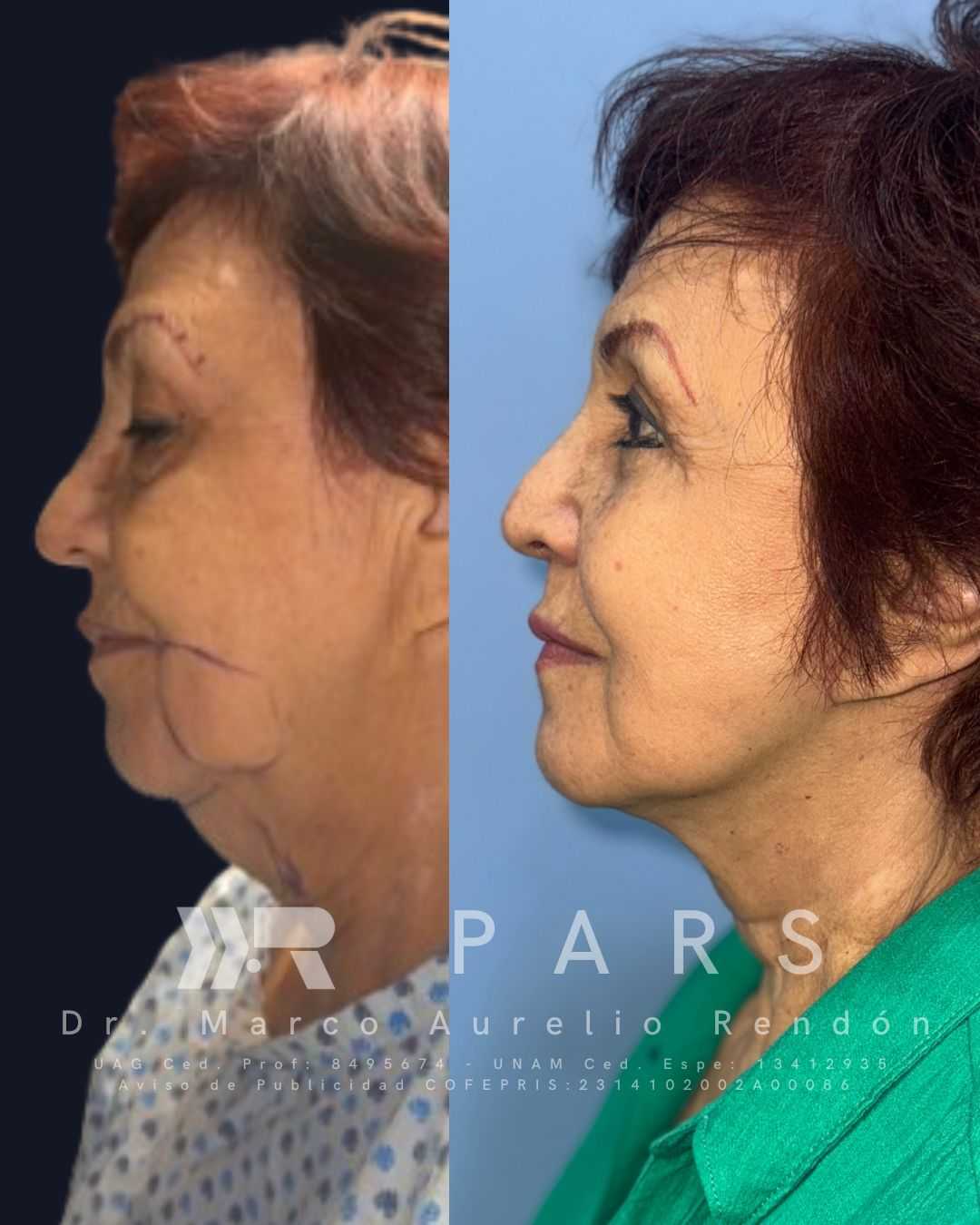
This has led to the rise of specialized medical procedures abroad. For instance, patients seeking advanced fertility treatments (IVF) are flocking to Spain and the Czech Republic. Those requiring complex gender affirmation surgeries often look to Thailand, while Colombia has become a global epicenter for aesthetic and reconstructive plastic surgery.
By focusing entirely on niche procedures, these clinics perform incredibly high volumes of specific surgeries. High surgical volume is statistically proven to result in lower complication rates and superior clinical outcomes. International patients are perfectly willing to travel further if it means being treated by a surgical team that performs their exact procedure hundreds of times a year.
- ? Orthopedic Tourism: Joint replacements in India and Mexico.
- ? Dental Tourism: Full mouth restorations and implants in Egypt and Hungary.
- ? Bariatric Tourism: Weight loss surgeries with comprehensive post-op dietetics in Turkey.
9. All-Inclusive Medical Tourism Concierge Services
Navigating flights, foreign languages, and hospital admissions can be stressful for a healthy person, let alone someone requiring surgery. At , the video explains how premium global healthcare facilitators have perfected the end-to-end patient experience through comprehensive concierge services.
Removing the Stress from Cross-Border Healthcare
Today’s all-inclusive medical tourism packages cover every conceivable logistical detail. From the moment a patient steps off the airplane, they are greeted by a dedicated, bilingual medical concierge. This concierge handles ground transportation, expedited hospital check-ins, and translates complex medical jargon during physician consultations.
Post-surgery, patients are not sent back to a standard hotel. Instead, they are transported to specialized medical recovery resorts. These facilities employ round-the-clock nursing staff, customized dietary chefs, and on-site physical therapists. This seamless integration ensures the patient can focus 100% of their energy on healing, rather than logistics.
10. Employer-Sponsored Medical Travel and Global Insurance Integration
Perhaps the most transformative trend discussed at is the shift in how medical tourism is funded. It is no longer strictly an out-of-pocket, self-funded endeavor. Major corporations and international insurance providers are actively steering patients toward international healthcare.
Corporate Incentives for Overseas Treatment
Healthcare costs represent one of the largest expenses for large employers in the United States. To combat this, forward-thinking companies are implementing employer-sponsored medical travel programs. If an employee requires a $100,000 heart bypass, the employer may offer to fly them to a JCI-accredited hospital in Costa Rica where the procedure costs $25,000.
To incentivize the employee, the company waives all deductibles, covers travel costs for a companion, and often provides a cash bonus. Global health insurance plans are following suit, creating specialized networks of international hospitals. This mainstream adoption by massive financial entities cements medical tourism not as a fringe alternative, but as a central pillar of the future global healthcare economy.
Ready to Explore Your Global Healthcare Options?
Don't let high local medical costs prevent you from getting the world-class treatment you deserve. PlacidWay connects you with globally accredited hospitals, pioneering medical technologies, and all-inclusive packages tailored specifically for international patients.
GET A FREE CUSTOMIZED QUOTE















Share this listing