


The Complete Guide to Effective Stem Cell Therapy for ALS in Asia
Amyotrophic lateral sclerosis (ALS) is a devastating diagnosis, but hope is not lost for those seeking to fight back against this progressive condition. For patients looking for innovative, life-extending solutions, finding effective stem cell therapy for ALS in Asia has become a powerful beacon of hope. Standard medical protocols often fall short, leaving families searching the globe for viable alternatives.
This comprehensive video guide explores advanced regenerative medicine overseas, offering a true lifeline for those battling Lou Gehrig’s disease. Watch to discover how cutting-edge clinics in Asia provide world-class, affordable mesenchymal stem cell treatments that aim to slow disease progression, repair damaged neural pathways, and significantly improve daily quality of life for patients.
Video Chapters & Quick Navigation
Understanding Amyotrophic Lateral Sclerosis and the Need for Innovation
Amyotrophic lateral sclerosis, commonly known as Lou Gehrig's disease, is a progressive neurodegenerative disorder that aggressively attacks motor neurons in the brain and spinal cord. As these vital neurons deteriorate, the brain loses its ability to initiate and control voluntary muscle movement. Patients typically experience gradual muscle weakness, leading to severe complications with speaking, swallowing, and eventually breathing.
For decades, the standard pharmaceutical approach in Western medicine has been heavily reliant on a few FDA-approved drugs. Medications like Riluzole and Edaravone are frequently prescribed, but they are not cures. These drugs primarily focus on managing symptoms and may only extend a patient's life by a few months, leaving a massive void in long-term treatment efficacy.
Because traditional medicine offers limited solutions, patients and their families are increasingly looking beyond their home borders. The demand for alternative, science-backed solutions has skyrocketed, driving thousands of patients to research affordable ALS treatment options in Asia . This international shift is fundamentally changing the way we approach terminal neurological diagnoses.
Why Asia is a Global Hub for Regenerative Medicine
When searching for the best stem cell clinics for Lou Gehrig's disease, patients are quickly drawn to the medical landscape of Asia. Countries in this region have heavily invested in biotechnology and regenerative therapies over the past two decades. Unlike the highly restrictive regulatory bottlenecks found in North America and Europe, many Asian nations have adopted progressive medical frameworks.
These forward-thinking regulations allow world-class scientists and neurologists to safely expedite the transition of promising stem cell research from the laboratory to the clinical setting. Patients no longer have to wait ten to fifteen years for a clinical trial phase to conclude. Instead, they can access highly regulated, safe, and innovative therapies today.
State-of-the-Art Laboratory Standards
It is a common misconception that seeking treatment abroad means sacrificing quality. The reality is quite the opposite. The top-tier regenerative medicine centers in Asia utilize state-of-the-art cGMP (Current Good Manufacturing Practice) compliant laboratories . These labs adhere strictly to international ISO certifications for cell culturing.
Medical teams in these facilities are often comprised of internationally trained neurologists and immunologists. Many of these specialists have completed fellowships in the United States or the United Kingdom before returning to Asia to pioneer effective stem cell therapy for ALS. This ensures patients receive world-class expertise combined with groundbreaking treatment protocols.
How Mesenchymal Stem Cell Therapy Works for ALS
The cornerstone of regenerative medicine for ALS patients abroad is the use of Mesenchymal Stem Cells (MSCs). MSCs are multipotent adult stem cells that can be ethically sourced from various tissues, including umbilical cord tissue (Wharton's Jelly), bone marrow, or adipose (fat) tissue. Umbilical cord-derived MSCs are particularly popular in Asia due to their high vitality and lack of immune rejection.
Once introduced into the patient's body, these stem cells do not simply replace dead neurons. Instead, they act as cellular paramedics. They migrate to areas of high inflammation in the central nervous system, a process known as homing. Once there, they begin to secrete powerful neurotrophic factors that support the survival and function of existing motor neurons.
Immunomodulation and Neuroprotection
ALS is heavily characterized by severe neuroinflammation. Mesenchymal stem cell therapy for amyotrophic lateral sclerosis excels at immunomodulation. The stem cells communicate with the patient's overactive immune system, essentially turning down the aggressive inflammatory response that accelerates motor neuron death.
Furthermore, these therapies often utilize exosomes—tiny extracellular vesicles secreted by stem cells. Exosomes are packed with healing proteins, lipids, and mRNA. Because they are incredibly small, they can easily cross the blood-brain barrier, delivering regenerative payloads directly to the brain and spinal cord to promote cellular repair .
Advanced Delivery Methods to Maximize Efficacy
The success of effective stem cell therapy for ALS in Asia relies heavily on how the cells are delivered. Simply injecting stem cells into the bloodstream is often not enough to combat a complex neurological disease. Top neurologists treating ALS in Asia employ a multi-faceted delivery approach to ensure maximum cellular absorption.
- Intrathecal Administration: A specialized lumbar puncture procedure that injects stem cells directly into the cerebrospinal fluid (CSF). This bypasses the blood-brain barrier, ensuring high concentrations of MSCs reach the spinal cord and brain.
- Intravenous (IV) Infusion: Delivers stem cells systemically through the bloodstream. This helps address systemic inflammation and provides restorative benefits to weakening muscle tissues throughout the body.
- Targeted Intramuscular Injections: In some cases, stem cells are injected directly into specific muscle groups that are experiencing rapid atrophy, helping to prolong localized motor function.
This combined delivery protocol ensures that the therapeutic agents attack the disease from multiple angles. It represents the pinnacle of advanced ALS stem cell protocols available on the global market today.
Shattering the Price Barrier: Cost Comparison
One of the primary drivers of medical tourism for neurological conditions is the immense financial burden of experimental healthcare in the West. If a patient can even find a clinic offering stem cell therapy in the United States or Europe, the cost is often astronomical, rarely covered by health insurance, and financially devastating for families.
The cost of stem cell therapy for ALS in Asia presents a dramatically different picture. Because of lower operational costs, government subsidies for medical innovation, and highly efficient healthcare systems, patients can access premium care at a fraction of the Western price. This makes life-extending treatments accessible rather than an exclusive privilege for the ultra-wealthy.
| Treatment Component | Estimated Cost (USA/Europe) | Estimated Cost (Asia) |
|---|---|---|
| Comprehensive Stem Cell Protocol (MSCs) | $45,000 - $80,000+ | $15,000 - $28,000 |
| Neurological Evaluations & MRI Scans | $5,000 - $10,000 | Included in Package |
| Supportive Physiotherapy (Per Session) | $200 - $400 | Included in Package |
As the table illustrates, an all-inclusive medical journey to Asia often costs less than a single specialized treatment cycle in the United States. Furthermore, Asian clinics typically bundle airport transfers, VIP hospital accommodations, and dedicated nursing care into one transparent price .
Top Destinations in Asia for ALS Treatment
Asia is a vast continent, and not all countries offer the same level of medical expertise. However, a select few nations have emerged as the absolute gold standard for international patients seeking regenerative medicine for ALS patients abroad.
Thailand: The Hub of Integrative Care
Thailand has long been recognized as a titan of global medical tourism. Bangkok is home to internationally accredited hospitals that blend advanced cellular therapies with holistic wellness. Clinics here excel at combining high-dose MSC infusions with extensive physical therapy, hyperbaric oxygen therapy, and specialized nutritional support tailored for neurodegenerative diseases.
South Korea: Pioneers in Biotech
South Korea boasts some of the most advanced biotechnology infrastructure on the planet. The country's strict focus on research and development has led to patented stem cell culturing techniques that yield incredibly high cell viability. For patients wanting the most scientifically rigorous and technologically advanced cellular therapies, Seoul remains a premier destination.
The Holistic Treatment Protocol: Beyond the Injection
Effective stem cell therapy for ALS in Asia is never just a simple injection. The most reputable clinics understand that Lou Gehrig's disease requires a multidisciplinary approach. Treatment protocols typically span from 14 to 21 days, allowing the medical team to monitor the patient and administer a comprehensive suite of therapies.
Alongside the stem cell administrations, patients undergo rigorous physical and occupational therapy. This is designed to stimulate the nervous system, maintain muscle tone, and train the newly introduced stem cells. Hyperbaric Oxygen Therapy (HBOT) is also frequently utilized; breathing pure oxygen in a pressurized chamber significantly increases blood oxygen levels, aiding the survival and proliferation of the infused stem cells.
Additionally, specialized functional medicine doctors work on optimizing the patient's gut microbiome and nutritional intake. ALS causes severe oxidative stress, so patients receive high-dose intravenous antioxidants like Glutathione and Vitamin C . This holistic environment creates the perfect physiological landscape for cellular regeneration.
Preparing for Medical Travel with ALS
Traveling with a progressive neurodegenerative disease can be intimidating for patients and caregivers alike. However, the medical tourism infrastructure in Asia is explicitly designed to handle high-acuity patients. Planning your medical journey requires careful coordination, but dedicated medical tourism facilitators make the process seamless.
Before booking flights, patients undergo a thorough virtual consultation. Neurologists in Asia will review the patient's local medical records, MRI scans, and current medications to determine candidacy. Not every patient is a candidate; clinics ensure that the treatment has a high probability of providing tangible benefits before inviting a patient to travel.
Accessibility and On-the-Ground Support
Once approved, the logistical magic begins. Top clinics provide comprehensive visa assistance, coordinate wheelchair-accessible airport transfers, and offer medical escorts if necessary. Hospital accommodations resemble luxury hotel suites rather than sterile clinical rooms, ensuring that both the patient and their caregivers are incredibly comfortable during the multi-week stay.
Language barriers are virtually non-existent at these elite facilities. Dedicated, English-speaking international patient coordinators are assigned to each family, acting as a personal liaison between the patient and the medical team 24/7. This high level of concierge care dramatically reduces the stress associated with seeking advanced ALS stem cell protocols overseas.
Real Outcomes and Realistic Expectations
When discussing mesenchymal stem cell therapy for amyotrophic lateral sclerosis, establishing realistic expectations is paramount. It is vital to understand that, currently, there is no absolute cure for ALS. The primary goal of regenerative medicine is disease modification, symptom management, and significantly enhancing the patient's quality of life.
Many patients report remarkable improvements following their treatment in Asia. Documented outcomes often include a noticeable slowing in the progression of muscle weakness, decreased muscle fasciculations (twitching), and improvements in energy levels and breathing capacity. For some, bulbar symptoms such as swallowing and speech difficulties show stabilization, offering a profound sense of relief.
The timeline for results varies depending on the patient's specific disease progression. Some notice increased vitality within weeks of returning home, while deeper neurological improvements may manifest over three to six months as the stem cells continue their reparative work. Ongoing communication with the Asian medical team ensures continuous remote support long after the patient has returned home.
Empowering Patients Through Global Healthcare
An ALS diagnosis is terrifying, but the landscape of medical science is evolving faster than ever before. You are not strictly bound to the limited treatment options available in your local healthcare system. The globalization of healthcare has opened doors to incredible, life-extending possibilities.
By exploring effective stem cell therapy for ALS in Asia, patients are taking proactive control of their health journey. They are tapping into a world of brilliant medical minds, cutting-edge cellular science, and compassionate care that prioritizes human life above bureaucratic red tape. The journey to a better quality of life and sustained hope is entirely possible, and it begins with a simple, informed step forward.
Take the First Step Towards Advanced ALS Treatment
You do not have to fight Lou Gehrig's disease alone, and you do not have to settle for limited local options. PlacidWay connects you with globally accredited, top-tier regenerative clinics in Asia offering cutting-edge stem cell protocols for ALS. Let us help you navigate your journey to a better quality of life.
GET A FREE MEDICAL CONSULTATION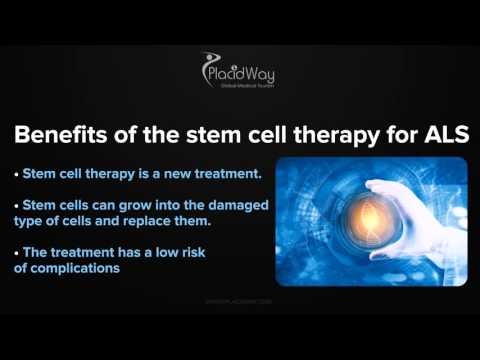

















Share this listing