


The Comprehensive Guide to Understanding the Difference Between Dental Crowns and Veneers Treatments
When enhancing your smile or restoring damaged teeth, understanding the difference between dental crowns and veneers treatments is absolutely critical for your long-term oral health. Both procedures offer incredible aesthetic and functional benefits, yet they serve entirely different purposes within the realm of restorative and cosmetic dentistry. Whether you are dealing with severe decay, structural damage, or simply looking for a flawless Hollywood smile makeover, choosing the right option dictates the longevity and vitality of your natural teeth. Let us explore the precise nuances, clinical applications, and structural requirements of each treatment to help you make an highly informed decision.
Video Chapters & Quick Navigation
Defining the Core Concepts: What Exactly Are Crowns and Veneers?
To fully grasp the difference between dental crowns and veneers treatments, we must first look at how each restoration is fundamentally designed. While both options are custom-made in a dental laboratory to match the exact shade and shape of your natural teeth, they interact with your existing tooth structure in vastly different ways.
A dental veneer is an ultra-thin shell, typically crafted from high-grade porcelain or composite resin, that is meticulously bonded to the front-facing surface of a tooth. As mentioned in the video at , veneers are primarily a cosmetic dentistry solution. They are designed to mask imperfections such as severe discoloration, minor chips, uneven spacing, or slight misalignments. Because they only cover the front portion of the tooth, the structural integrity of the natural tooth remains largely untouched.
Conversely, a dental crown—often referred to as a "cap"—is a 360-degree restoration. It fully encases the entire visible portion of the tooth from the gum line upward. Crowns fall under the category of restorative dentistry. Their primary function is to rebuild, strengthen, and protect a tooth that has been severely compromised by extensive decay, large fractures, or endodontic therapy (root canal treatment).
Structural Tooth Preparation: The Preservation of Enamel
One of the most significant distinguishing factors between these two treatments is the amount of natural tooth structure that must be altered or removed prior to placement. This preparation phase is crucial because tooth enamel does not regenerate; once it is removed, the alteration is permanent.
The Minimally Invasive Nature of Veneers
Porcelain veneers are celebrated for being a minimally invasive cosmetic procedure. To ensure the veneer sits flush with the surrounding teeth and does not look bulky, the dentist will remove a microscopic layer of enamel from the front surface of the tooth. Typically, this reduction ranges from just 0.3 to 0.5 millimeters—roughly the thickness of a contact lens.
Because the preparation is so minimal, the procedure is generally painless and often requires little to no local anesthesia. The inner dentin of the tooth remains completely protected, which significantly reduces the risk of post-operative tooth sensitivity. This conservative approach is highly favored by patients seeking aesthetic enhancements without sacrificing healthy tooth structure.
The Comprehensive Reshaping for Dental Crowns
Dental crowns demand a much more aggressive approach to tooth preparation. Because the crown must slip over the entire tooth like a thimble over a finger, the natural tooth must be filed down substantially on all sides. As highlighted at , a dentist may need to remove anywhere from 1.5 to 2 millimeters of enamel and dentin circumferentially.
If the tooth is severely decayed or broken, the dentist may actually need to "build up" the core of the tooth using composite resin before the crown can be placed. The aggressive reduction required for a crown means that the procedure is irreversible and generally necessitates the use of local anesthesia to ensure patient comfort during the reshaping process.
Dental Material Science: Zirconia, E-Max, and Porcelain
The success and natural appearance of both dental crowns and veneers rely heavily on the advanced materials used in modern dental laboratories. Understanding these materials helps clarify why certain restorations are recommended for specific areas of the mouth.
For high-end porcelain veneers, Lithium Disilicate (often known by the brand name E-Max) is widely considered the gold standard. E-Max offers unparalleled translucency, meaning it mimics the exact way natural light passes through organic tooth enamel. This creates a remarkably lifelike appearance that is virtually indistinguishable from a natural tooth. Furthermore, despite its thinness, E-Max is exceptionally strong once bonded to the enamel.
Dental crowns, on the other hand, require materials that can withstand immense occlusal (biting) forces, particularly when placed on posterior molars. Monolithic Zirconia is frequently the material of choice for molar crowns. Zirconia is a type of ceramic that is nearly indestructible, making it ideal for patients who grind their teeth (bruxism) or have a heavy bite. For anterior (front) crowns, dentists often use a layered approach—a strong Zirconia core layered with translucent porcelain on the outside to balance ultimate strength with superior aesthetics.
Durability and Lifespan: Protecting Your Dental Investment
When investing in full mouth reconstruction with crowns and veneers, patients naturally want to know how long their new smile will last. Both restorations are highly durable, but their lifespans depend heavily on clinical execution, material choice, and patient compliance with oral hygiene.
How Long Do Porcelain Veneers Last?
With proper care, high-quality porcelain veneers typically last between 10 and 15 years. Because they are thin and only cover the front of the tooth, they are more susceptible to chipping or debonding if exposed to unnatural forces. Patients with veneers are strongly advised against using their teeth as tools—such as opening packaging or biting directly into hard objects like ice or hard candies.
The Longevity of Dental Crowns
Dental crowns generally boast a slightly longer lifespan, often lasting 15 to 20 years, and sometimes even a lifetime. Because the crown encases the entire tooth and is usually cemented with high-strength resin-modified glass ionomer cements, it provides a incredibly secure structural reinforcement. The video notes at that crowns are specifically engineered to absorb the heavy chewing forces exerted in the back of the mouth.
Clinical Indications: Which Treatment is Right for You?
Choosing between a dental crown or a veneer is rarely a matter of personal preference; it is a clinical decision based on the current health, structural integrity, and functional requirements of the specific tooth in question. Your prosthodontist will evaluate several key factors before making a recommendation.
| Diagnostic Factor | Porcelain Veneers | Dental Crowns |
|---|---|---|
| Primary Purpose | Cosmetic enhancement of the smile line | Structural restoration and tooth protection |
| Tooth Condition | Healthy teeth with minor cosmetic flaws | Severely decayed, fractured, or weak teeth |
| Post-Root Canal | Not recommended (tooth is too brittle) | Highly recommended to prevent fractures |
| Tooth Location | Anterior (front visible teeth) | Both Anterior and Posterior (molars) |
If your teeth are fundamentally healthy and you simply want to correct stubborn tetracycline staining, close a small diastema (gap), or lengthen teeth that have worn down slightly, veneers are the ideal, conservative choice. They provide maximum aesthetic return with minimal structural sacrifice.
However, if a tooth has a massive amalgam filling that is failing, has suffered a severe traumatic fracture, or has undergone endodontic treatment, a veneer is entirely insufficient. A tooth without a living nerve supply becomes brittle over time. Placing a veneer on a brittle tooth offers no structural support. In these scenarios, a full-coverage dental crown is mandatory to prevent the tooth from splitting down to the root, which would result in a complete extraction.
The Step-by-Step Procedure for Dental Restorations
While the mechanical preparation differs, the actual patient journey for receiving dental crowns and veneers treatments follows a very similar, highly orchestrated multi-appointment process. Modern dentistry has streamlined this workflow utilizing digital technology.
1. Comprehensive Consultation and Digital Smile Design
The process begins with a thorough clinical examination, complete with 3D CBCT scans and high-resolution digital photography. Many elite clinics now utilize Digital Smile Design (DSD) software. This technology allows the dentist to digitally map out the exact proportions of your face and design a mock-up of your new smile. Patients can actually see the projected outcome of their veneers or crowns before a single tooth is touched.
2. The Preparation Phase
Once the treatment plan is approved, the physical work begins. Local anesthesia is administered to ensure total comfort. The dentist will then carefully remove the required amount of enamel. For crowns, this is a significant reshaping; for veneers, it is a delicate micro-abrasion. Following preparation, the dentist uses an intraoral scanner (like a Trios or iTero) to take highly accurate 3D digital impressions of the prepared teeth. These digital files are instantly sent to the master ceramist at the dental laboratory.
3. Temporary Restorations
Because it takes the laboratory one to two weeks to fabricate the final custom porcelain or zirconia restorations, the dentist will fabricate temporary acrylic crowns or veneers. These temporaries protect the exposed dentin, prevent tooth sensitivity, and allow you to test drive the new shape and size of your teeth in your daily life.
4. Final Bonding and Cementation
During the final appointment, the temporary restorations are gently removed, and the underlying teeth are thoroughly cleansed and disinfected. The new permanent crowns or veneers are tried in to verify a perfect marginal fit, correct bite alignment, and ideal color match. For veneers, the tooth surface is treated with a mild phosphoric acid etch to create microscopic pores, followed by a silane coupling agent and a light-cured resin cement. This creates an incredibly strong micromechanical bond. Crowns are typically affixed using a potent dental cement that seals the margins completely against bacterial ingress.
Evaluating the Cost: Veneers vs. Crowns for Smile Makeovers
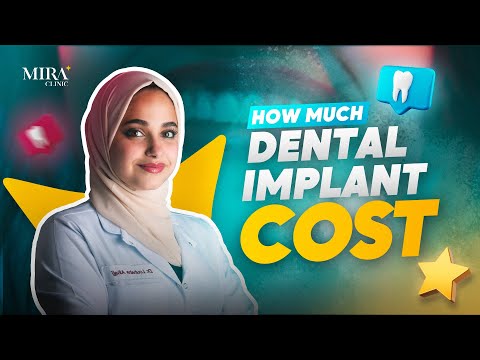
Financial considerations play a major role in the decision-making process. The cost of dental crowns and veneers can vary significantly based on geographic location, the expertise of the clinician, and the materials utilized. As discussed in the video at , it is vital to view these procedures as long-term investments in your quality of life.
Generally speaking, premium porcelain veneers are often slightly more expensive than standard dental crowns when performed in top-tier cosmetic clinics. This is because creating a truly lifelike, translucent veneer requires the handiwork of a master ceramic artist. In the United States and the UK, a single high-end porcelain veneer can range from $1,500 to $3,000. Dental crowns typically range from $1,000 to $2,500 depending on whether they are PFM (Porcelain Fused to Metal) or pure Zirconia.
Because dental insurance companies classify veneers as strictly elective cosmetic procedures, they rarely provide coverage. Conversely, if a dental crown is deemed medically necessary to save a severely compromised tooth, insurance plans will frequently cover a portion of the cost. Patients seeking full mouth reconstructions often explore dental tourism options to access world-class materials and elite specialists at a fraction of domestic prices.
Aftercare: Maintaining Your Cosmetic Dental Restorations
The success of your dental crowns and veneers treatments does not end when you leave the dental chair. Long-term maintenance is the responsibility of the patient. While the porcelain and zirconia materials themselves cannot decay, the natural tooth structure underneath and the surrounding gum tissue are still highly susceptible to bacterial attacks.
Maintaining impeccable oral hygiene is non-negotiable. Patients must brush twice daily using a non-abrasive fluoride toothpaste. Highly abrasive whitening toothpastes can scratch the polished surface of a porcelain veneer, causing it to lose its luster and pick up stains over time. Flossing is equally critical. Plaque accumulation at the margin—the microscopic junction where the crown or veneer meets the natural tooth—can lead to secondary decay and gingivitis.
If you suffer from nocturnal bruxism (teeth grinding), your dentist will strongly recommend wearing a custom-fitted occlusal guard (night guard) while sleeping. The immense forces generated during grinding can easily chip a delicate veneer or even fracture a strong dental crown. Regular biannual dental checkups and professional cleanings are essential to monitor the integrity of the bonds and ensure the underlying foundations remain perfectly healthy.
Transformative Impact on Aesthetics and Confidence
Understanding the difference between dental crowns and veneers treatments empowers you to take control of your dental destiny. These procedures offer much more than just physical restoration; they provide profound psychological benefits. A healthy, radiant smile has been clinically proven to boost self-esteem, improve social interactions, and project an image of vitality and success.
Whether your journey involves the conservative elegance of porcelain veneers to perfect your smile line, or the robust protection of dental crowns to restore your chewing capacity, modern dentistry possesses the tools to completely revitalize your oral health. By consulting with a qualified prosthodontist or cosmetic dentist, you can develop a customized treatment plan that beautifully balances aesthetic desires with functional necessities.
Ready to Transform Your Smile with Expert Care?
Whether you need the cosmetic brilliance of porcelain veneers or the structural security of dental crowns, PlacidWay Medical Tourism connects you with top-rated, globally accredited dental clinics. Discover world-class restorative dentistry at unbeatable prices.
GET A FREE QUOTE














Share this listing