


Advanced Stem Cell Therapy for Epilepsy: A Complete Treatment Guide
For millions of individuals living with complex neurological conditions, finding an effective epilepsy treatment can feel like an endless and exhausting battle against unpredictable seizures. Traditional medications often come with heavy side effects, and for a significant portion of patients, these pharmaceutical interventions fail to provide meaningful relief. This leaves families searching desperately for alternative treatments for epilepsy that address the root cause rather than just masking the symptoms.
Today, regenerative medicine for neurological disorders is illuminating a new path forward. Stem cell therapy for epilepsy is emerging as a groundbreaking medical frontier, utilizing the body's own regenerative capabilities to target damaged neural pathways. Watch to learn how this advanced cellular therapy is offering unprecedented hope, reducing seizure frequency, and dramatically improving the quality of life for patients worldwide.
Video Chapters & Quick Navigation
Epilepsy is one of the most common neurological diseases globally, affecting people of all ages and backgrounds. For decades, the primary approach to managing this condition has relied heavily on pharmaceuticals designed to alter the brain's electrical activity. However, as medical science advances, researchers are discovering that merely suppressing electrical misfires is not enough to heal the brain.
The Global Burden of Neurological Disorders
Epilepsy is characterized by recurrent, unprovoked seizures caused by sudden, excessive electrical discharges in the brain's neurons. According to global health statistics, over 50 million people currently live with this challenging condition. This makes it a profound global health issue that requires more advanced, long-term therapeutic solutions.
These seizures can vary wildly in severity, ranging from brief lapses of attention to severe and prolonged convulsions. As noted in the video at , the unpredictable nature of epilepsy severely impacts a patient's daily life. It hinders their ability to drive, work, and maintain independence, creating an urgent need for innovative medical interventions.
The Impact of Intractable Epilepsy
While many patients achieve seizure control through standard therapies, a staggering one-third of all epilepsy patients suffer from drug-resistant or intractable epilepsy. For these individuals, the standard arsenal of medical treatments fails to prevent seizure activity. This constant electrical turbulence in the brain can lead to progressive cognitive decline and further neuronal damage.
Intractable epilepsy treatment has historically involved highly invasive surgical procedures, such as removing portions of the brain where seizures originate. Because these surgeries carry immense risks and potential for permanent neurological deficits, researchers have aggressively sought out alternative treatments for epilepsy. This rigorous pursuit has led to the exploration of cellular therapies and regenerative medicine.
The Limitations of Traditional Antiepileptic Drugs
Antiepileptic drugs (AEDs) are traditionally the first line of defense against seizure disorders. These medications work by decreasing the excitability of neurons or enhancing the inhibitory neurotransmitters within the brain. While they can be highly effective for some, they do not address the underlying cellular damage that often causes the seizures in the first place.
Furthermore, prolonged use of AEDs is frequently accompanied by a host of debilitating side effects. Patients commonly report chronic fatigue, severe dizziness, cognitive dulling, and dangerous bone density loss. As highlighted at , these systemic side effects can sometimes degrade a patient's quality of life just as much as the seizures themselves.
Why Symptom Management Isn't Enough
Because traditional medications act primarily as symptom managers, they require lifelong adherence and frequent dosage adjustments. If a patient misses a dose, their risk of experiencing a breakthrough seizure skyrockets immediately. This creates a psychological burden of constant vigilance and medical dependency.
Moreover, the brain's natural neuroplasticity means that over time, patients can build a tolerance to their prescribed AEDs. When this happens, doctors are forced to prescribe stronger doses or layer multiple medications together. This compounding effect drastically increases the toxicity in the body without actually curing the underlying neurological dysfunction.
| Feature | Traditional Medication (AEDs) | Stem Cell Therapy for Epilepsy |
|---|---|---|
| Mechanism | Suppresses electrical brain activity | Repairs and regenerates neural pathways |
| Treatment Duration | Daily, lifelong management | Targeted, finite treatment cycles |
| Side Effects | Fatigue, cognitive decline, toxicity | Mild, temporary immune response |
| Long-term Goal | Symptom masking and seizure control | Cellular restoration and neuroprotection |
Understanding Stem Cell Therapy for Epilepsy
Stem cell therapy represents a massive paradigm shift in how modern medicine views chronic neurological conditions. Rather than introducing synthetic chemicals to suppress symptoms, regenerative medicine for neurological disorders leverages the building blocks of human life. Stem cells have the unique, innate ability to self-renew and differentiate into various specialized cell types.
When applied to epilepsy, the goal of cellular therapy is to target the specific areas of the brain where neuronal damage and abnormal electrical signaling occur. At , the presentation outlines how these dynamic cells can cross the blood-brain barrier when administered correctly. Once there, they begin the intricate process of repairing damaged tissue and restoring a healthy balance to the brain's ecosystem.
The Shift Toward Regenerative Medicine
The medical community's interest in stem cells stems from their profound immunomodulatory and neurotrophic properties. Epilepsy is increasingly recognized not just as an electrical issue, but as an inflammatory disease of the brain. Chronic neuroinflammation lowers the seizure threshold, making the brain much more susceptible to spontaneous electrical storms.
By utilizing stem cell therapy, doctors aim to fundamentally cool down this inflammation. The cells seek out areas of high inflammation and release powerful biological markers that suppress immune overactivity. This reduction in neuroinflammation is a critical step in providing long-term relief and stability for epilepsy patients.
Mechanisms of Action: How Stem Cells Repair Brain Tissue
To truly appreciate the value of this treatment, one must understand how stem cells repair brain tissue in epilepsy patients. Unlike traditional drugs that blanket the entire brain, stem cells are highly targeted. They operate through several complex, synergistic mechanisms that work together to restore neurological health.
First and foremost is the "paracrine effect." When stem cells are introduced into the body, they secrete a rich cocktail of growth factors, cytokines, and extracellular vesicles. These secretions act as powerful signals that command the brain's native cells to wake up, begin dividing, and start repairing localized damage naturally.
Neurogenesis and Angiogenesis
Another profound mechanism is the stimulation of neurogenesis—the creation of new neurons. While stem cells themselves rarely replace damaged brain cells one-for-one, their presence stimulates the brain's own dormant neural stem cells. This encourages the structural repair of the hippocampus and other key regions frequently damaged by recurrent seizures.
Additionally, as mentioned at , these therapies promote angiogenesis, which is the formation of new blood vessels. Improved blood flow means better oxygen and nutrient delivery to starved brain tissues. This revitalization process is essential for healing the micro-environments where seizure activity typically originates.
Types of Stem Cells Utilized in Epilepsy Treatment
Not all stem cells are created equal, and precision in cellular selection is vital for successful neurological outcomes. Medical specialists carefully select specific cellular lineages based on their safety profile, regenerative capacity, and ethical sourcing. The goal is to provide maximum therapeutic benefit with minimal risk of rejection.
- Mesenchymal Stem Cells (MSCs): Sourced primarily from umbilical cord tissue, bone marrow, or adipose (fat) tissue. MSCs are highly favored for epilepsy because of their potent anti-inflammatory properties and ability to secrete massive amounts of neurotrophic factors.
- Autologous Stem Cells: These are harvested directly from the patient's own body, processed, and reintroduced. This method guarantees zero risk of immune rejection, though cell vitality can depend on the patient's age and overall health.
- Allogeneic Umbilical Cord Cells: Donated from healthy, full-term pregnancies, these young, highly robust cells offer excellent regenerative potential. They are considered "immune-privileged," meaning they rarely trigger negative immune responses in the recipient.
Why Mesenchymal Stem Cells Lead the Charge
Mesenchymal stem cells for epilepsy are currently the gold standard in clinical applications. Their ability to home in on damaged tissue is unparalleled. When an epilepsy patient receives an infusion, MSCs migrate specifically to the sites of neural distress, bypassing healthy tissue to focus their healing payload exactly where it is needed.
Potential Benefits and Long-Term Outcomes
The primary metric for success in any epilepsy management option is a measurable reduction in seizure frequency. Clinical observations and patient testimonials frequently report significant decreases in the volume and intensity of seizures following stem cell protocols. For patients suffering from dozens of episodes a week, reducing this to a handful a month is utterly life-changing.
Beyond simple seizure counting, the peripheral benefits of this therapy are extraordinary. As discussed around in the video overview, patients often experience a "lifting of the fog." This refers to substantial improvements in cognitive clarity, memory retention, and overall mood regulation.
Restoring Independence and Quality of Life
When the brain is allowed to heal and neuroinflammation subsides, patients regain aspects of their lives they thought were lost forever. Children with severe epileptic syndromes often show rapid developmental catch-up. Adults frequently find themselves able to return to work, participate in social activities, and sleep through the night without fear.
While stem cell treatment clinics do not claim to offer an outright "cure" for every patient, the mitigation of symptoms provides a vital buffer. This period of neurological calm allows physical and occupational therapies to take hold, further compounding the patient's functional recovery.
The Comprehensive Treatment Process
Embarking on a journey for regenerative medicine requires careful medical planning and thorough diagnostics. Top-tier medical facilities do not treat stem cell therapy as a one-size-fits-all procedure. Instead, it is highly customized based on the patient's specific type of epilepsy, medical history, and current medication regimen.
The process generally begins with rigorous pre-treatment evaluations. Neurologists utilize advanced EEG monitoring, functional MRIs, and comprehensive blood panels to map out the exact nature of the patient's condition. This ensures that the chosen cellular therapy protocol is perfectly aligned with the patient's unique biological needs.
Administration and Cellular Delivery
The actual administration of the stem cells is remarkably minimally invasive compared to traditional brain surgery. Depending on the clinic's protocol, cells are typically introduced either via a standard intravenous (IV) drip or through a lumbar puncture (intrathecal administration). Intrathecal delivery is often favored for neurological conditions, as it places the healing cells directly into the cerebrospinal fluid, offering a fast track to the brain.
As highlighted near , the actual procedure only takes a few hours, and patients are generally awake and comfortable. Post-treatment, patients are closely monitored for a few days to ensure optimal integration before they return home to begin their recovery journey.
Global Accessibility and the Cost of Therapy
One of the largest hurdles for patients seeking these advanced treatments is the regulatory landscape in countries like the United States and Canada. Because many regenerative therapies are still undergoing lengthy FDA clinical trials, domestic availability is heavily restricted. This has fueled a massive rise in medical tourism for neurological care.
Patients are increasingly looking internationally to specialized stem cell treatment clinics in locations such as Mexico, Colombia, Panama, and parts of Europe and Asia. These regions boast world-class medical facilities, internationally board-certified neurologists, and progressive regulatory frameworks that allow patients immediate access to life-changing therapies.
Evaluating the Cost of Stem Cell Therapy for Epilepsy
The cost of stem cell therapy for epilepsy varies significantly based on the cell type used, the number of millions of cells administered, and the geographic location of the clinic. Domestically, experimental treatments can be astronomically expensive and rarely covered by insurance.
Internationally, comprehensive medical packages managed by facilitators like PlacidWay often range between $8,000 and $25,000. These comprehensive packages frequently include the biological material, specialist consultations, airport transfers, and luxury hospital accommodations. By making these treatments globally accessible, countless families finally have a viable alternative to the limitations of traditional epilepsy care.
Ready to Explore Stem Cell Therapy for Epilepsy?
PlacidWay Medical Tourism connects patients with the world's leading regenerative medicine clinics. Discover personalized treatment plans, evaluate top-rated global specialists, and take the first step toward a seizure-free life.
GET A FREE MEDICAL QUOTE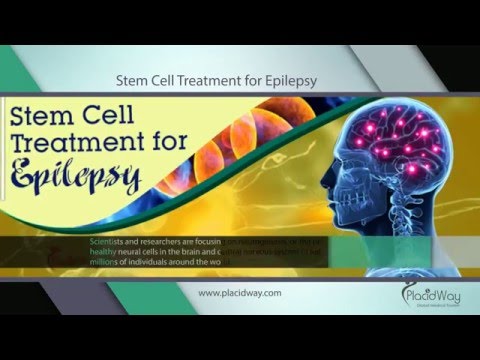

















Share this listing