


The Comprehensive Guide to Laparoscopic Tubal Ligation: Procedure, Recovery, and Permanent Contraception
Deciding on a permanent birth control option is a profound and highly personal health milestone. For women seeking an effective, non-hormonal, and permanent solution to prevent pregnancy, a laparoscopic tubal ligation remains one of the most trusted surgical choices globally. Often referred to colloquially as "getting your tubes tied," this minimally invasive procedure offers unparalleled peace of mind alongside a relatively swift recovery timeline.
By surgically blocking or removing the fallopian tubes, this outpatient procedure safely prevents sperm from reaching an ovulated egg. If you are ready to take absolute, permanent control of your reproductive health, understanding the medical intricacies of this female sterilization surgery is the critical first step. Watch to discover exactly how this transformative procedure is performed and what you can expect during your recovery journey.
Video Chapters & Quick Navigation
Understanding the Anatomy of Laparoscopic Tubal Ligation
To fully grasp how a laparoscopic tubal ligation prevents pregnancy, one must first understand the fundamental anatomy of the female reproductive system. Every month during a normal menstrual cycle, one of the ovaries releases a mature egg in a process known as ovulation. This egg is then swept up by the fimbriae, the finger-like projections at the end of the fallopian tubes.
The fallopian tubes act as the crucial superhighway connecting the ovaries to the uterus. When sexual intercourse occurs, sperm travels up through the vagina, past the cervix, through the uterus, and into the fallopian tubes to meet the waiting egg. Fertilization almost always takes place within the ampulla, the widest section of the fallopian tube.
Laparoscopic tubal ligation essentially acts as a permanent roadblock on this microscopic highway. By surgically cutting, tying, clamping, or entirely removing the fallopian tubes, the pathway is completely disrupted. The sperm can no longer reach the egg, making conception naturally impossible without advanced medical intervention such as In Vitro Fertilization (IVF).
Why Choose Laparoscopic Tubal Ligation for Permanent Birth Control?
The decision to pursue female sterilization is driven by a variety of personal, medical, and lifestyle factors. For many women, the primary appeal is the astonishingly high efficacy rate. Laparoscopic tubal ligation boasts a success rate of over 99.5%, making it one of the most reliable methods of pregnancy prevention available in modern medicine.
Another significant advantage is the completely non-hormonal nature of the procedure. Women who have struggled for years with the side effects of hormonal birth control pills, patches, or hormonal IUDs—such as mood swings, weight gain, or migraines—often seek a permanent solution that leaves their natural endocrine system intact. Because the ovaries remain untouched during a standard tubal ligation, normal hormone production continues unabated.
Furthermore, permanent contraception removes the daily or monthly mental burden of remembering to take a pill, refill a prescription, or schedule clinical visits for injections. This newfound freedom often leads to a more relaxed and spontaneous intimate life, as the overarching anxiety of an unplanned pregnancy is permanently removed from the equation.
The Laparoscopic Tubal Ligation Procedure Step-by-Step
The term "laparoscopic" refers to the highly advanced, minimally invasive surgical technique utilized. Prior to the surgery, patients are required to fast for at least eight hours to prepare for general anesthesia. Once in the operating room, an anesthesiologist will administer the medication via an intravenous (IV) line, ensuring the patient is completely unconscious and pain-free throughout the entire female sterilization procedure.
1. Incision and Insufflation
The surgeon begins by making a tiny incision, usually about half an inch long, directly inside or immediately below the umbilicus (the belly button). Through this small port, a harmless carbon dioxide (CO2) gas is pumped into the abdominal cavity. This process, called insufflation, inflates the abdomen like a balloon, lifting the abdominal wall away from the internal organs to provide the surgeon with a clear, unobstructed view.
2. Inserting the Laparoscope
Next, a laparoscope—a thin, illuminated tube equipped with a high-definition camera—is inserted through the umbilical incision. The camera projects real-time, magnified images of the uterus, ovaries, and fallopian tubes onto large monitors in the operating theater. A second, even smaller incision is typically made just above the pubic hairline to insert specialized surgical instruments.
3. Closing the Incisions
Once the tubes have been successfully altered, the surgical instruments are carefully withdrawn. The surgeon then releases the carbon dioxide gas from the abdominal cavity. The tiny incisions are meticulously closed using dissolvable sutures or special surgical glue, and covered with small sterile bandages known as steri-strips.
Different Techniques for Fallopian Tube Occlusion
While "tying the tubes" is the popular phrase, actual string ties are rarely used in modern laparoscopy. Gynecological surgeons utilize several advanced occlusion techniques depending on the patient's anatomy, surgical history, and medical preferences. Bipolar coagulation uses an electrical current to cauterize and destroy specific segments of the fallopian tubes, effectively sealing them shut with scar tissue.
Mechanical methods include the application of silastic bands (Yoon rings) or specialized titanium clips (such as Filshie clips). These devices are placed securely around a folded segment of the tube, cutting off the blood supply. Over a short period, this clamped section turns into permanent scar tissue, blocking the pathway.
Increasingly, surgeons are performing a bilateral salpingectomy, which involves the complete surgical removal of both fallopian tubes. Medical studies have revealed that many ovarian cancers actually originate in the fimbriae of the fallopian tubes. Therefore, a complete salpingectomy not only guarantees a near 100% sterilization rate but also significantly reduces the patient's lifetime risk of developing ovarian cancer.
Female Sterilization Surgery Recovery Time and Post-Op Care
Because it is performed laparoscopically, the recovery time for tubal ligation is remarkably fast compared to traditional open abdominal surgery. Immediately following the procedure, patients are monitored in a Post-Anesthesia Care Unit (PACU) for a few hours. Once vital signs are stable and the patient can tolerate fluids, they are discharged to recover in the comfort of their own home.
The First 48 Hours
During the first two days, patients typically experience mild to moderate abdominal cramping, similar to menstrual cramps. A unique but common tubal ligation side effect is referred shoulder pain. This occurs because trapped pockets of the CO2 gas used during insufflation can irritate the diaphragm nerve, which shares a pain pathway with the shoulder. Over-the-counter pain relievers, prescribed NSAIDs, and walking gently can help dissipate this gas.
Long-Term Healing
Most women are capable of returning to a desk job or light duties within 3 to 5 days. However, heavy lifting, strenuous exercise, and intense physical labor should be strictly avoided for at least two weeks to prevent hernia formation at the incision sites. Doctors typically advise abstaining from sexual intercourse for about one to two weeks to allow the internal healing process to progress without disruption.
Comparing Tubal Ligation to Alternative Birth Control Options
Before committing to an irreversible surgical procedure, it is crucial to weigh laparoscopic tubal ligation against other highly effective contraceptive methods. Below is a detailed comparative analysis designed to help patients understand their options.
| Contraceptive Method | Efficacy Rate | Hormonal? | Reversibility |
|---|---|---|---|
| Laparoscopic Tubal Ligation | > 99.5% | No | Considered Permanent (Reversal surgery is complex and not guaranteed) |
| Vasectomy (Male Sterilization) | > 99.8% | No | Considered Permanent (Reversal possible but expensive) |
| Hormonal IUD (e.g., Mirena) | > 99.0% | Yes (Progestin) | Fully Reversible (Immediate fertility upon removal) |
| Copper IUD (Paragard) | > 99.0% | No | Fully Reversible (Immediate fertility upon removal) |
While an IUD offers similar efficacy and is reversible, tubal ligation eliminates the need for future device replacement and the rare risk of IUD expulsion or uterine perforation. Additionally, compared to a vasectomy, a tubal ligation is immediately effective, whereas a vasectomy requires months of backup contraception until a semen analysis confirms azoospermia.
Navigating Tubal Ligation Side Effects and Surgical Risks
As with any surgical intervention involving general anesthesia, laparoscopic tubal ligation carries inherent, albeit rare, medical risks. Complications such as adverse reactions to anesthesia, internal bleeding, or localized infection at the umbilical incision site can occur. There is also a marginal risk of the surgical instruments accidentally nicking adjacent organs, such as the bladder or intestines, which would require immediate surgical repair.
One specific long-term risk to be aware of is the potential for an ectopic pregnancy. While pregnancy after tubal ligation is exceedingly rare, if it does occur, there is a significantly higher likelihood that the fertilized egg will implant outside the uterus, typically inside the remaining stump of the fallopian tube. Ectopic pregnancies are medical emergencies that require prompt intervention.
It is also important to address the internet-fueled myth of "Post-Tubal Ligation Syndrome" (PTLS), which claims the surgery causes hormonal imbalances, heavy bleeding, and mood swings. Extensive clinical studies and leading gynecological societies have found no medical evidence supporting PTLS. Any changes in a woman's menstrual cycle post-surgery are almost always attributed to the natural aging process or the cessation of hormonal birth control, rather than the tubal ligation itself.
The Cost of Laparoscopic Bilateral Tubal Ligation
Financial accessibility is a major factor when considering permanent sterilization options. In the United States, under the Affordable Care Act (ACA), most private health insurance plans and Medicaid programs are mandated to cover female sterilization procedures at 100%, without imposing deductibles, copayments, or coinsurance. This makes the procedure incredibly accessible for insured individuals.
However, for uninsured patients or those on specific grandfathered health plans, the out-of-pocket cost for a laparoscopic tubal ligation can range dramatically from $3,000 to over $8,000. These expenses factor in surgeon's fees, anesthesia charges, operating room facility fees, and pre-operative laboratory work.
To combat high out-of-pocket expenses, medical tourism has become a viable alternative for many self-pay patients. By traveling to internationally accredited surgical centers in countries like Mexico, Costa Rica, or Turkey, patients can often receive the exact same high-standard laparoscopic sterilization procedure for a fraction of the domestic price, inclusive of personalized post-operative care.
Psychological Readiness for Irreversible Sterilization
The technical success of a tubal ligation is only half the equation; the psychological readiness of the patient is equally paramount. Because the procedure is intended to be permanent, gynecologists place a heavy emphasis on preoperative counseling. Reversal surgeries (tubal reanastomosis) are highly complex micro-surgeries that are rarely covered by insurance and offer no guarantee of restored fertility.
Studies indicate that the highest rates of post-sterilization regret occur in women who undergo the procedure at a young age (typically under 30) or during a period of immense emotional stress, such as immediately following a difficult childbirth. To mitigate this risk, healthcare providers encourage patients to engage in deep self-reflection and open discussions with their partners.
Ultimately, a laparoscopic tubal ligation empowers women to take definitive agency over their reproductive destinies. When approached with thorough medical understanding and absolute personal certainty, it provides a safe, highly effective pathway to lifelong reproductive autonomy.
Ready to Explore Permanent Birth Control Options?
Whether you are seeking more affordable laparoscopic tubal ligation options abroad or need expert guidance on female sterilization procedures, PlacidWay Medical Tourism is here to help. Connect with internationally accredited gynecologists today.
REQUEST FREE INFORMATION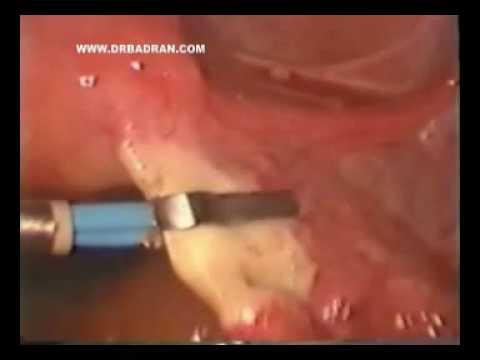









.png)










Share this listing