


Comprehensive Guide to Affordable Hip Resurfacing Surgery in India
Living with chronic hip pain can drastically reduce your quality of life, but finding the right treatment shouldn't mean facing financial ruin. For active adults seeking a bone-conserving alternative to a total joint replacement, exploring a hip resurfacing video India guide is the perfect starting point. India has rapidly emerged as a premier global destination for advanced orthopedic procedures.
By combining elite surgical expertise with highly affordable medical care, patients from around the world are reclaiming their mobility without the astronomical domestic price tags. Watch to understand how modern medical tourism provides access to the world's most sophisticated joint preservation techniques at a fraction of the cost.
Video Chapters & Quick Navigation
The Evolution of Joint Preservation: What is Hip Resurfacing?
For decades, individuals suffering from severe osteoarthritis or avascular necrosis were given only one viable surgical option: a total hip replacement (THR). While effective, THR involves amputating the entire femoral head and neck, driving a large metal spike down into the femur. This traditional approach removes a substantial amount of healthy bone stock.
As highlighted at in the video, modern orthopedic medicine has evolved significantly. Hip resurfacing offers a revolutionary, bone-conserving alternative. Instead of removing the femoral head completely, the surgeon merely shapes it and caps it with a smooth, highly durable cobalt-chrome metal dome.
Simultaneously, the acetabulum (the pelvic socket) is lined with a corresponding metal cup. This preserves the natural biomechanics of the joint and maintains the patient's original bone structure. By saving the femoral neck, patients retain natural anatomical loading, which drastically reduces the risk of long-term thigh pain and implant loosening.
Hip Resurfacing vs. Total Hip Replacement
The differences between these two procedures are profound, particularly for younger, more active individuals. A traditional total hip replacement utilizes a smaller femoral head size, which can increase the risk of postoperative dislocation during rigorous activities. Joint preservation through resurfacing utilizes an implant that closely mimics the natural size of your hip joint.
Because the implant is anatomically sized, the joint remains vastly more stable. Patients who undergo resurfacing report a more "natural" feeling hip compared to those with total replacements. Furthermore, if an implant ever fails decades down the line, a resurfaced hip can be easily converted to a standard total hip replacement, whereas revising a traditional THR is a much more complex and invasive ordeal.
Why Medical Tourists are Choosing Hip Resurfacing in India
When facing a complex orthopedic procedure, patients often wonder why they should travel thousands of miles for care. As noted at , the answer lies in an unparalleled combination of world-class surgical expertise, cutting-edge technology, and extreme cost-efficiency. India has strategically positioned itself as a global hub for medical tourism.
Many of the top orthopedic hospitals in India boast accreditations from the Joint Commission International (JCI), the gold standard in global healthcare quality. This ensures that the safety protocols, sterilization procedures, and patient care metrics match or exceed those found in Western nations. You are never compromising on safety when choosing top-tier Indian medical facilities.
World-Class Orthopedic Surgeons
The true backbone of India's medical tourism success is its highly trained medical professionals. The top hip resurfacing surgeons in Mumbai, New Delhi, and Chennai frequently hold advanced degrees, fellowships, and extensive clinical experience from prestigious institutions in the United Kingdom, the United States, and Germany.
These surgeons perform hundreds of complex joint preservation surgeries annually. This high volume of cases translates directly into superior surgical precision and lower complication rates. When it comes to a technically demanding procedure like resurfacing, surgical experience is the single most critical factor in ensuring a successful outcome.
The Birmingham Hip Resurfacing (BHR) Technique Explained
The most globally recognized and clinically successful implant for this procedure is the Birmingham Hip Resurfacing (BHR) device. Developed in the UK in the late 1990s, the BHR system revolutionized the way orthopedic surgeons approached active patients with severe hip arthritis. Indian hospitals are fully equipped and certified to utilize these exact same premium FDA-approved implants.
The BHR device is made from high-carbon cobalt-chrome. This material is incredibly wear-resistant and is polished to a mirror finish. As discussed at , this metal-on-metal articulation is uniquely designed to utilize the body's natural synovial fluid for lubrication.
Advanced Fluid Lubrication and Longevity
During the walking cycle, the synovial fluid is pulled into the joint space, creating a microscopic layer of fluid between the two metal surfaces. This means the metal parts rarely touch during normal movement, resulting in exceptionally low wear rates over time. For an active adult wanting to return to high-impact sports, this durability is paramount.
Because the implant wear is so minimal, the lifespan of a BHR implant often exceeds that of traditional plastic or ceramic hip replacements. Indian orthopedic centers pair this advanced implant technology with computer-assisted navigation and robotic-assisted surgery platforms, ensuring the implant is positioned with absolute geometric perfection.
Who is the Ideal Candidate for This Procedure?
It is important to understand that hip resurfacing is not suitable for everyone. Orthopedic specialists in India employ rigorous diagnostic imaging, including high-resolution MRI and 3D CT scans, to determine a patient's eligibility. The ideal candidate is typically an active male under the age of 65 with strong, healthy bone density.
Women can also be excellent candidates, provided their bone density is sufficient and their femoral head size meets the minimum requirements for the implant. As explained at , patients with severe osteoporosis, large cysts in the femoral head, or significant kidney disease are generally guided toward traditional hip replacement instead.
The Importance of Comprehensive Screening
When you consult with an Indian medical tourism provider, the process begins long before you board a flight. You will securely share your digital X-rays and medical history with the surgical team. They will conduct a thorough telemedicine consultation to evaluate your bone architecture and degree of joint degeneration.
This stringent pre-screening process guarantees that you are traveling for a procedure that will genuinely benefit you. It eliminates the risk of arriving at the hospital only to find out your anatomy is incompatible with a resurfacing device. Patient safety and appropriate procedural selection remain the top priorities.
Cost of Hip Resurfacing in India: A Comprehensive Global Comparison
The primary catalyst driving patients to seek affordable Birmingham hip resurfacing in India is the astronomical cost of healthcare in the West. In the United States, patients frequently face high deductibles, insurance denials, or out-of-pocket costs that can easily bankrupt a family. Even with insurance, co-pays for specialized orthopedic care can be exorbitant.
In contrast, the medical infrastructure in India allows for dramatic cost reductions without sacrificing the quality of the implant or the surgeon's expertise. As highlighted at , patients typically save between 60% to 80% on the total cost of the procedure.
| Country / Region | Average Cost (USD) | Wait Times |
|---|---|---|
| United States | $25,000 - $45,000 | 1 to 3 months |
| United Kingdom (Private) | $18,000 - $25,000 | 6 to 18 months (NHS) |
| Australia | $20,000 - $30,000 | 3 to 6 months |
| India (All-Inclusive) | $6,000 - $9,500 | Zero wait time |
What Do These Medical Packages Include?
The quoted price for hip surgery in India is rarely just for the time spent in the operating room. Most top-tier medical tourism packages are comprehensive and all-inclusive. This means your quoted price will typically cover the surgeon's fees, the anesthesiologist, the premium BHR implant, and all hospital room charges for your inpatient stay.
Additionally, these comprehensive packages generally include airport transfers in a comfortable, wheelchair-accessible vehicle, extensive pre-operative blood work and cardiac screening, and daily in-hospital physical therapy sessions. Many packages even provide accommodation options for your traveling companion, ensuring a stress-free environment for healing.
Top Destinations and Orthopedic Hospitals in India
India is a vast country with numerous highly developed metropolitan centers catering to international patients. Choosing the right city and hospital is a crucial part of your medical travel journey. PlacidWay connects patients with globally recognized facilities that have dedicated international patient departments.
These specialized departments are designed specifically to eliminate language barriers, assist with medical visas, and cater to the dietary and cultural needs of foreign visitors. As shown at , the level of hospitality and personalized nursing care found in India is often vastly superior to the understaffed wards frequently experienced in Western hospitals.
Leading Medical Hubs for Joint Surgery
- New Delhi: The capital city is home to sprawling, high-tech hospital campuses like Max Healthcare and Indraprastha Apollo. These facilities feature state-of-the-art robotic joint replacement suites and intensive care units.
- Mumbai: Known as the commercial capital, Mumbai offers luxurious private hospital rooms with ocean views and access to elite surgeons who frequently treat high-profile athletes and celebrities.
- Chennai: Often referred to as the healthcare capital of India, Chennai boasts facilities like Apollo Hospitals Greams Road, which holds the distinction of performing some of the highest volumes of joint replacements in Asia.
The Patient Journey: Recovery and Rehabilitation
The success of a joint preservation surgery does not rely solely on the surgeon's skill in the operating room. The postoperative rehabilitation protocol is equally critical to achieving a full, pain-free range of motion. Indian orthopedic centers integrate aggressive, supervised physical therapy into your daily routine from day one.
Typically, patients are assisted out of bed and encouraged to bear partial weight on their new hip within hours of waking up from anesthesia. As outlined at , this early mobilization is vital for preventing blood clots and stimulating blood flow to the surrounding muscle tissues.
The Immediate Post-Operative Phase
During the first three to five days of your inpatient hospital stay, you will work closely with dedicated physiotherapists. They will teach you how to safely navigate stairs, use crutches or a walker, and perform essential daily tasks without violating your hip precautions. Your pain levels are carefully managed using multimodal pain management techniques.
By the time you are discharged to your nearby hotel or recovery retreat, you will be highly independent. You will remain in India for an additional week or two for outpatient physiotherapy and a final surgical follow-up to ensure the incision is healing perfectly and that your mobility is progressing on schedule.
Long-Term Mobility Goals and Returning to Sports
The ultimate goal of choosing hip resurfacing over total replacement is the promise of an active, unrestricted lifestyle. Once the bone has fully integrated with the porous coating of the implant—usually within three to six months—patients are often cleared by their Indian surgical team to return to high-impact activities.
It is incredibly common for BHR patients to safely return to playing tennis, martial arts, heavy weightlifting, and even distance running. The large diameter of the resurfaced joint provides immense stability, allowing you to trust your body again without the constant fear of joint dislocation.
Planning Your Medical Travel to India for Orthopedic Care
Organizing an international medical trip for major surgery may seem daunting, but specialized medical tourism facilitators have streamlined the entire process. From the moment you request a consultation, a dedicated patient coordinator takes over the complex logistics of your journey.
They will assist you with obtaining a Medical Visa, which the Indian government expedites for international patients seeking treatment at accredited hospitals. Your coordinator will also present you with customized itineraries that align with your budget and medical requirements, ensuring a seamless, worry-free experience from your living room to the operating room and back.
Before you travel, it is essential to arrange a comfortable recovery space at home. Remove tripping hazards, install grab bars in your bathroom, and organize support from family or friends for the first few weeks after your return flight. With the right preparation, your journey to India will mark the end of your chronic pain and the beginning of a vibrant, active new chapter in your life.
Ready to Reclaim Your Mobility in India?
PlacidWay Medical Tourism connects you with top-rated orthopedic hospitals and elite surgeons in India. Discover affordable, world-class hip resurfacing packages customized to your specific needs. Let us handle the logistics while you focus on healing.
GET A FREE QUOTE TODAY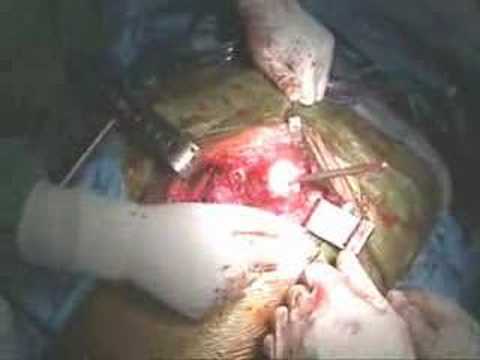









.png)









Share this listing