


Laparoscopic Hiatal Hernia Surgery Testimonial: Your Complete Guide to Permanent Heartburn Relief
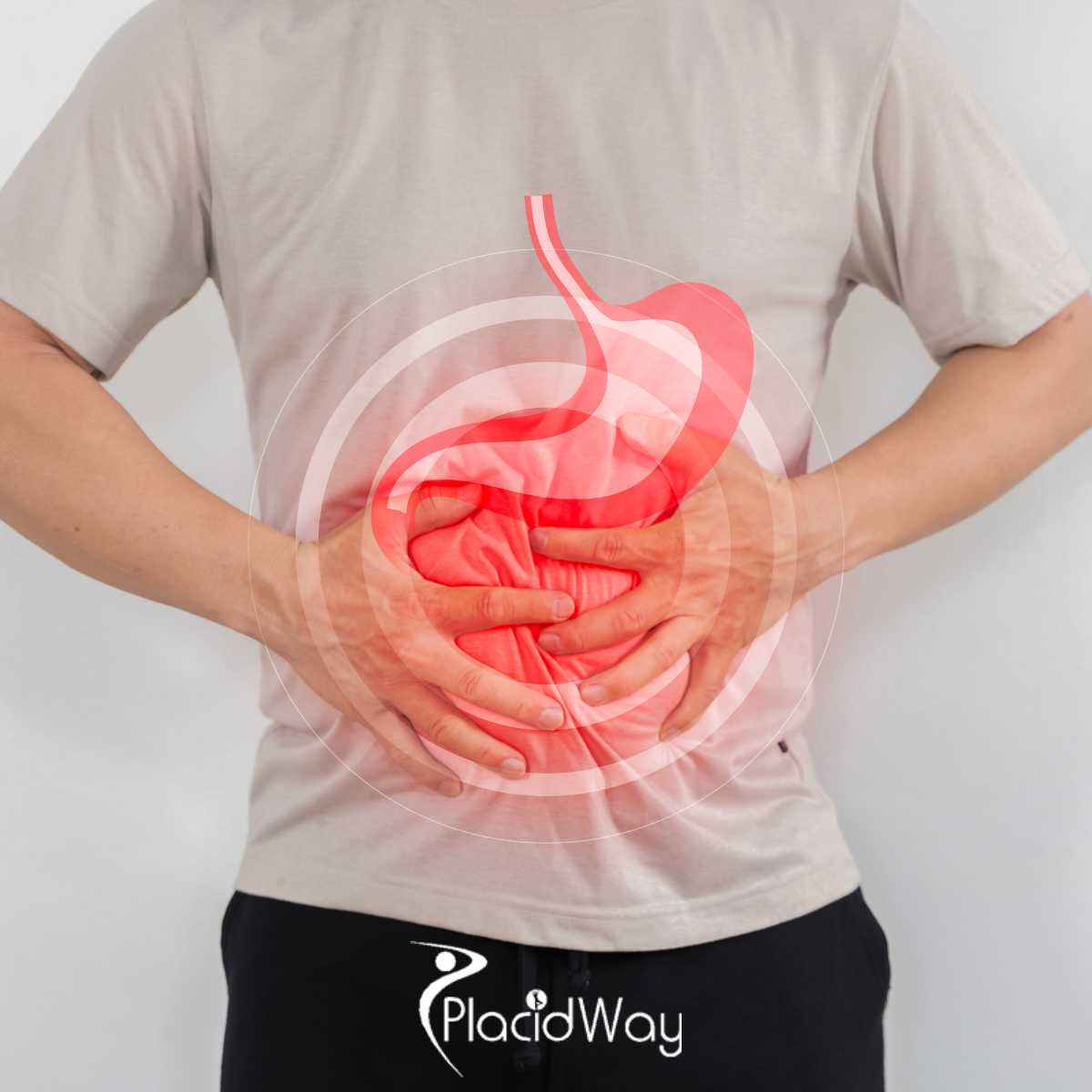
Living with severe gastroesophageal reflux disease is a silent nightmare that disrupts every aspect of daily life. For many patients, relying on daily antacids is no longer a viable long-term solution. Watching a laparoscopic hiatal hernia surgery testimonial provides a crucial beacon of hope for those suffering from chronic chest pain and regurgitation.
This comprehensive guide explores the life-changing benefits of minimally invasive hernia repair. Discover how modern surgical techniques can permanently restore your digestive health and eliminate heartburn for good.
Video Chapters & Quick Navigation
The Invisible Agony of Severe Gastroesophageal Reflux Disease
For millions of individuals worldwide, the simple act of eating a meal transforms into a daily battle against immense physical discomfort. Severe gastroesophageal reflux disease treatment is often misunderstood by those who have never experienced its debilitating effects. It is not merely occasional heartburn after a spicy meal; it is a chronic, burning sensation that radiates through the chest and throat.
Patients frequently report waking up in the middle of the night choking on stomach acid, a terrifying experience that severely impacts sleep quality. As detailed in the patient's account at , the constant reliance on sleeping elevated on multiple pillows becomes a frustrating nightly ritual. Over time, the psychological toll of chronic heartburn begins to weigh heavily on a patient's overall quality of life.
Furthermore, untreated acid reflux can lead to severe long-term complications. The constant exposure of the delicate esophageal lining to harsh stomach acids can cause esophagitis, painful strictures, and even Barrett's esophagus—a known precursor to esophageal cancer. Understanding the root cause of this relentless mechanical failure is the first step toward finding a permanent surgical solution.
Understanding the Mechanics of a Hiatal Hernia
To fully grasp why a laparoscopic hiatal hernia surgery testimonial is so impactful, one must first understand the underlying anatomy of the human digestive tract. The diaphragm is a large, dome-shaped muscle that separates your chest cavity from your abdomen. Normally, the esophagus passes through a small opening in the diaphragm, known as the hiatus, before connecting to the stomach.
A hiatal hernia occurs when the muscle tissue surrounding this opening becomes weak or compromised. As a result, the upper part of your stomach dangerously bulges up through the diaphragm and into your chest cavity. This anatomical displacement physically prevents the lower esophageal sphincter (LES) from closing properly.
When the LES fails to maintain a tight seal, stomach acid effortlessly washes back up into the esophagus. As highlighted in the video at , no amount of lifestyle changes can permanently fix this mechanical defect. The structural nature of a hiatal hernia makes surgical intervention the only definitive way to restore the body's natural antireflux barrier.
Sliding vs. Paraesophageal Hernias
Not all hiatal hernias are created equal, and medical professionals typically categorize them into two primary types. The most common variation is the sliding hiatal hernia. In this scenario, both the stomach and the section of the esophagus that joins the stomach slide up into the chest through the hiatus.
The second, far more dangerous type is the paraesophageal hiatal hernia. In this condition, the esophagus and stomach stay in their normal anatomical locations, but a portion of the stomach squeezes through the hiatus and rests tightly next to the esophagus. This creates a severe risk of the stomach becoming "strangulated," meaning its blood supply is completely cut off.
The Turning Point: Seeking Medical Intervention
The journey toward minimally invasive hiatal hernia repair usually begins after years of failed conservative treatments. Initially, most patients rely heavily on over-the-counter antacids to neutralize stomach acid. When these stop working, gastroenterologists prescribe powerful Proton Pump Inhibitors (PPIs) to halt acid production at the cellular level.
While PPIs can provide temporary relief, they merely mask the symptoms without addressing the underlying anatomical tear. Furthermore, long-term use of these powerful medications has been linked to numerous adverse health effects. Studies suggest that chronic PPI usage can lead to decreased bone density, severe vitamin B12 deficiencies, and an increased risk of kidney disease.
Reaching the breaking point, as discussed by the patient at , is a common theme in the chronic heartburn relief surgery journey. The realization that one cannot remain tethered to prescription medications for the rest of their life is a powerful motivator. This realization prompts patients to request advanced diagnostic testing to find a permanent cure.
The Diagnostic Roadmap
Accurate diagnosis is paramount before any surgical intervention can be recommended. Surgeons will typically order a comprehensive suite of diagnostic tests to map out the exact size and severity of the hernia. The cornerstone of this diagnostic process is the upper endoscopy.
- Upper Endoscopy (EGD): A flexible tube equipped with a tiny camera is passed down the throat to visually inspect the esophagus and stomach lining for severe inflammation or precancerous changes.
- Barium Swallow Radiograph: The patient drinks a chalky liquid containing barium, which coats the digestive tract. Real-time X-rays are then taken to outline the exact silhouette of the hiatal hernia.
- Esophageal Manometry: This test measures the rhythmic muscle contractions of the esophagus when the patient swallows, assessing the overall strength and coordination of the esophageal muscles.
Why Choose Laparoscopic Hiatal Hernia Surgery?
The evolution of surgical technology has revolutionized the way we approach gastrointestinal disorders. Decades ago, repairing a hiatal hernia required a massive open incision across the chest or abdomen. This traditional open approach resulted in immense post-operative pain, massive scarring, and agonizingly long hospital stays.
Today, the laparoscopic nissen fundoplication recovery time is dramatically shorter thanks to minimally invasive techniques. Laparoscopic surgery involves making three to five tiny, keyhole-sized incisions in the abdomen. Carbon dioxide gas is then gently pumped into the abdominal cavity to inflate it, providing the surgeon with a spacious, highly visible working area.
Through these tiny incisions, the surgeon inserts specialized, elongated instruments and a high-definition laparoscope. As noted in the testimonial at , the precision afforded by modern laparoscopic cameras allows for incredibly delicate manipulation of the internal organs. This translates to significantly less tissue trauma, minimal blood loss, and a much faster return to normal daily activities.
Comparing Surgical Approaches: Open vs. Laparoscopic
To fully appreciate the advantages of modern techniques, it is helpful to look at a direct comparison. Below is a breakdown of why laparoscopic approaches are now considered the gold standard for hernia repair.
| Feature | Traditional Open Surgery | Laparoscopic Surgery |
|---|---|---|
| Incision Size | Single large 8-10 inch incision | 3 to 5 small "keyhole" incisions |
| Hospital Stay | Typically 5 to 7 days | Usually overnight or 1 to 2 days |
| Recovery Time | 6 to 8 weeks for basic activities | 1 to 3 weeks for basic activities |
| Scarring | Highly prominent and visible | Minimal to almost invisible |
| Post-Op Pain | Severe, requiring heavy narcotics | Moderate, easily managed with basic pain meds |
Advanced Surgical Techniques: The Fundoplication Process
The actual mechanics of fixing the hernia require a high level of surgical expertise. The procedure fundamentally involves two major steps: pulling the stomach back down into the abdominal cavity, and then reinforcing the lower esophageal sphincter. The reinforcement phase is globally known as a fundoplication.
During a Nissen fundoplication, the surgeon takes the upper portion of the stomach, known as the fundus, and wraps it a full 360 degrees around the lowest part of the esophagus. This wrap is then securely sutured into place. This clever surgical maneuver creates a robust, artificial one-way valve that effectively prevents stomach acid from migrating upward.
In cases where a patient has weaker esophageal motility, a partial wrap may be utilized to prevent swallowing difficulties post-surgery. A Toupet fundoplication involves a 270-degree wrap around the back of the esophagus, while a Dor fundoplication involves an anterior wrap. The surgeon customizes the precise degree of the wrap based on the patient's specific preoperative manometry test results.
A Patient's Journey: The Day of the Procedure
Walking into the hospital on the morning of a major surgery naturally induces a mix of profound anxiety and hopeful anticipation. Patients are required to fast entirely from midnight the evening prior to ensure an empty stomach. Upon arrival, the nursing staff meticulously prepares the patient, establishing an intravenous (IV) line to deliver vital fluids and preoperative antibiotics.
Meeting with the anesthesiologist provides a moment of calm reassurance before being wheeled into the brightly lit operating theater. The laparoscopic hiatal hernia repair requires the patient to be placed under deep, general anesthesia. Once the patient is completely asleep, a breathing tube is safely inserted to maintain an open airway throughout the duration of the one to two-hour procedure.
The immediate postoperative experience is remarkably gentle compared to older surgical methods. Waking up in the recovery room, as shared by the patient at , is often accompanied by a sense of grogginess but surprisingly minimal acute pain. The most common immediate complaint is usually a dull ache in the shoulder blades, a harmless byproduct of the carbon dioxide gas used to inflate the abdomen during surgery.
The Road to Recovery: The Soft Food Transition
While the minimally invasive nature of the surgery reduces external pain, the internal stomach wrap requires careful, highly disciplined management to heal properly. The post-surgery diet for hiatal hernia patients is undeniably the most critical component of the entire recovery timeline. Attempting to rush the dietary progression can severely damage the newly constructed valve and ruin the surgical outcome.
The healing stomach is initially incredibly swollen, causing the passage into the stomach to be quite narrow. For the first two to three days, patients are strictly limited to a clear liquid diet. This phase consists entirely of water, clear broths, apple juice, and sugar-free gelatin. Hydration is prioritized over caloric intake during this fragile early window.
By the end of the first week, patients typically transition to a full liquid diet, incorporating protein shakes, strained cream soups, and milk. As the swelling subsides over the following weeks, soft, mushy foods are gradually reintroduced. It is vital to chew every single bite to an almost liquid consistency. Foods like mashed potatoes, scrambled eggs, and very soft pastas become the staple diet for the next month.
Navigating Post-Operative Challenges
Even with a textbook surgical procedure, patients must navigate several predictable postoperative challenges. Dysphagia, or difficulty swallowing, is exceptionally common during the first few weeks as the esophagus adjusts to the new, tighter anatomical stricture. Eating small, frequent meals rather than three large meals a day helps alleviate this temporary pressure.
Another unique adjustment is the temporary inability to belch or vomit. Because the new stomach wrap acts as a highly effective one-way valve, trapped gas can cause painful bloating. Patients are heavily advised to avoid carbonated beverages entirely, chew with their mouths closed, and eliminate the use of drinking straws to minimize swallowing excess air.
Life After Surgery: Reclaiming Your Digestive Health
The ultimate goal of hiatal hernia repair is completely restoring a patient's quality of life, and the long-term success rates are overwhelmingly positive. Typically, within three to six months post-operation, the vast majority of patients report being able to eat a completely normal, unrestricted diet. The intense, burning chest pain that once dictated their daily routines becomes a distant, unpleasant memory.
One of the most celebrated milestones, mentioned enthusiastically at , is the ability to finally sleep lying completely flat. Eliminating the wedge pillows and experiencing a full night of uninterrupted, deep sleep accelerates overall bodily healing and significantly boosts mental health.
Most remarkably, patients are usually able to completely discontinue their daily regimens of Omeprazole or other powerful antacids. The hiatal hernia surgery success rate hovers around 90% for long-term symptom resolution. Patients can finally return to intense physical activities, weightlifting, and active hobbies without the fear of triggering a debilitating reflux attack.
Evaluating the Cost and Accessibility of Hiatal Hernia Repair
Despite the overwhelming medical benefits, accessing this life-changing surgery can be incredibly difficult for many individuals. In countries like the United States, the out-of-pocket cost of laparoscopic nissen fundoplication can be staggeringly high, frequently exceeding tens of thousands of dollars. Even for those with robust health insurance, deductibles and hidden hospital fees can cause severe financial strain.
In regions with socialized healthcare systems, such as the United Kingdom or Canada, the cost may be covered, but the waiting lists can stretch into years. Waiting years while enduring the agonizing daily pain of severe gastroesophageal reflux disease is simply unacceptable for many desperate patients.
Because of these massive domestic barriers, an increasing number of patients are exploring medical tourism to secure timely, affordable hiatal hernia repair abroad. By traveling to globally recognized, JCI-accredited medical centers in countries renowned for their healthcare infrastructure, patients can receive world-class surgical care at a fraction of domestic prices.
Choosing the Right Global Surgeon
When considering medical travel for laparoscopic surgery, the expertise of the operating surgeon is the single most critical factor. Prospective patients must ensure that their chosen physician specializes extensively in minimally invasive gastrointestinal surgery. Reviewing board certifications, requesting statistics on their personal hiatal hernia surgery success rates, and analyzing numerous patient testimonials are mandatory steps.
Leading international hospitals often feature state-of-the-art robotic and laparoscopic suites that rival the best facilities in North America and Europe. These specialized clinics frequently bundle the cost of the surgery, hospital stay, surgical team fees, and post-operative medications into one highly transparent, affordable package.
Ultimately, enduring the pain and dangerous long-term risks of a hiatal hernia is a choice, not a permanent life sentence. Modern surgical interventions provide a highly effective, minimally invasive path to total symptom resolution. By thoroughly researching your surgical options and exploring top-rated medical facilities, you can take definitive action to permanently reclaim your comfort, your diet, and your life.
Ready to Finally End Your Acid Reflux?
PlacidWay Medical Tourism connects you with globally recognized, top-rated surgeons specializing in minimally invasive hiatal hernia repair. Experience world-class care, bypass endless waiting lists, and save thousands on your procedure. Let us guide you to a symptom-free life.
GET A FREE SURGERY QUOTE




.png)
.jpg)

.png)














Share this listing