


The Best Stem Cell Treatment for Cerebral Palsy in Beijing, China: A Complete Medical Guide
Living with a neurological condition presents complex daily challenges, but families worldwide are discovering groundbreaking medical advancements. If you are seeking the best stem cell treatment for cerebral palsy in Beijing, China, you are not alone. Traditional therapies often focus solely on symptom management, leaving patients desiring more substantial improvements in motor function, muscle tone, and cognitive development.
Today, regenerative medicine offers unprecedented potential for neurodevelopmental disorders. By utilizing advanced pediatric stem cell therapy, specialized medical centers in Beijing are pioneering innovative neuroregenerative techniques. Watch to understand how these targeted cellular therapies are aimed at repairing damaged brain tissue, reducing spasticity, and transforming the long-term outlook for cerebral palsy patients on a global scale.
Video Chapters & Quick Navigation
Cerebral palsy (CP) represents a group of permanent movement disorders that appear in early childhood, typically caused by abnormal development or damage to the developing brain. For decades, the medical community has relied heavily on a standard paradigm of care that, while helpful for day-to-day management, does not address the root neurological damage. As global medicine evolves, the focus is shifting from merely managing symptoms to actively repairing cellular damage.
The Limitations of Traditional Cerebral Palsy Care
When families first receive a cerebral palsy diagnosis, they are typically introduced to a rigorous regimen of conventional therapies. While these treatments are undeniably crucial for maintaining a baseline quality of life, they inherently possess functional ceilings. Traditional care protocols generally focus on mitigating the secondary complications of brain damage rather than healing the brain itself.
Symptomatic Management vs. Root Cause Healing
Conventional approaches primarily involve physical therapy, occupational therapy, and speech-language pathology. These disciplines work tirelessly to stretch spastic muscles, improve joint mobility, and establish communication pathways. However, as noted at in the video, these modalities cannot replace dead or damaged neurons.
Additionally, pharmacological interventions like Baclofen or Botox injections are frequently utilized to reduce severe muscle spasticity. While effective in the short term, these medications often require repeated administrations, carry risks of significant side effects, and eventually lose their efficacy as the child's body builds a tolerance. Furthermore, invasive orthopedic surgeries are sometimes necessary to lengthen shortened tendons or correct bone deformities, involving long and painful recovery periods.
The Need for Neuroregeneration
Because the underlying hypoxic-ischemic encephalopathy (oxygen deprivation to the brain) or periventricular leukomalacia (damage to the brain's white matter) remains unaddressed by traditional methods, patients and families inevitably seek alternative therapies for cerebral palsy. The goal is to find a treatment that promotes neuroplasticity—the brain's ability to reorganize itself by forming new neural connections.
This is precisely where the landscape of modern medicine is shifting. The introduction of cellular therapies introduces a paradigm where the brain is given the biological tools it needs to initiate a self-repair protocol, pushing past the limitations of conventional symptom management.
The Science of Stem Cell Therapy for Neurological Repair
To understand why families travel across the globe for this treatment, one must first understand the remarkable biological mechanics at play. Stem cell therapy for cerebral palsy is grounded in the utilization of undifferentiated cells capable of transforming into specialized cell types and modulating the body's immune response.
Mesenchymal Stem Cells (MSCs) and Wharton's Jelly
The most commonly utilized cells in pediatric stem cell therapy for neurological disorders are Mesenchymal Stem Cells (MSCs). These are typically harvested from ethically sourced, donated human umbilical cord tissue, specifically a substance known as Wharton's Jelly. MSCs are multipotent, meaning they have the capacity to differentiate into a variety of cell types, including osteoblasts, chondrocytes, and critically, neural-like cells.
Umbilical cord-derived MSCs are highly preferred because they are immunoprivileged. This means they do not express the markers that would typically trigger an immune rejection response in the patient's body. Consequently, patients can receive allogeneic (donor) stem cells without the need for dangerous immunosuppressive drugs, making the treatment highly safe for young children.
Mechanisms of Action in the Brain
Once introduced into the patient's central nervous system, as detailed at in our featured presentation, stem cells execute a multi-faceted repair process. They do not merely replace dead brain cells; their primary mechanism is often paracrine signaling. The stem cells secrete powerful neurotrophic factors and cytokines that stimulate the patient's existing cells.
- Angiogenesis: They promote the formation of new blood vessels, restoring vital blood flow and oxygen to ischemic (damaged) areas of the brain.
- Immunomodulation: They actively reduce chronic neuroinflammation, which is often a persistent issue in the brains of CP patients, creating an environment conducive to healing.
- Neurogenesis: They stimulate the body's native neural stem cells to multiply and repair damaged neural pathways, enhancing overall brain plasticity.
Why Beijing is the Global Epicenter for Regenerative Medicine
When discussing advanced cellular therapies, the immediate question arises: why travel to China? While Western countries possess excellent medical infrastructure, their regulatory frameworks regarding stem cell research and application are exceptionally rigid, often keeping promising treatments locked in clinical trial phases for decades.
Progressive Regulatory Frameworks
Beijing has established itself as a global hub for regenerative medicine through a combination of heavy government investment in biotechnology and a progressive, yet strictly monitored, regulatory environment. Chinese medical authorities have approved the clinical application of thoroughly tested stem cell therapies much faster than the FDA in the United States or the EMA in Europe.
This allows the best regenerative medicine clinics in Beijing to offer treatments today that might not be available in North America for another ten to fifteen years. These treatments are not experimental in the context of Chinese medical standards; they are integrated into advanced clinical practice following strict safety and efficacy protocols.
State-of-the-Art Medical Infrastructure
The hospitals facilitating these treatments in Beijing are not modest clinics. They are massive, state-of-the-art medical complexes equipped with highly advanced cell-culturing laboratories. These facilities adhere to rigorous Good Manufacturing Practice (GMP) standards, ensuring that every batch of stem cells is screened for communicable diseases, genetic abnormalities, and optimal cell viability before administration.
Furthermore, these centers feature dedicated international patient departments. They understand the nuances of medical tourism, providing English-speaking neurologists, bilingual nursing staff, and tailored amenities designed to make international families feel secure and comfortable during their stay.
Understanding the Stem Cell Administration Process
The efficacy of stem cell therapy for cerebral palsy relies heavily on how the cells are introduced into the body. To achieve maximum neuroregeneration, the cells must effectively bypass the blood-brain barrier—a highly selective semipermeable border that prevents most solutes in the circulating blood from crossing into the extracellular fluid of the central nervous system.
Targeted Delivery Methods
To ensure the stem cells reach the damaged brain tissue, leading neurologists in Beijing typically utilize a combination of administration routes. As highlighted at , the most effective method for neurological conditions is the intrathecal injection via a lumbar puncture.
During a lumbar puncture, the physician introduces the concentrated stem cells directly into the cerebrospinal fluid (CSF) in the lower spinal canal. The CSF naturally circulates up the spinal cord and bathes the brain, allowing the stem cells to bypass the blood-brain barrier entirely and home in directly on the areas of neurological damage. This is often supplemented by intravenous (IV) drips, which disburse cells throughout the body to address systemic inflammation and improve overall organ function.
Patient Safety and Comfort
For pediatric patients, these procedures are performed under mild sedation or local anesthesia to ensure a pain-free experience. The medical teams in Beijing specialize in pediatric care, utilizing ultra-fine needles and guided imaging techniques to make the administration as swift and atraumatic as possible. Continuous monitoring is standard protocol to ensure the patient's vitals remain stable throughout the brief procedure.
Complementary Rehabilitation and Multidisciplinary Care
A critical component that sets the best cerebral palsy clinics in China apart is their understanding that stem cells are a catalyst, not a magic wand. To maximize the benefits of cellular repair, the brain must be actively stimulated to form new neural pathways. This is achieved through comprehensive, intensive rehabilitation integrated directly into the treatment program.
Intensive Western and Eastern Therapies
During their stay in Beijing, patients do not simply receive injections and rest in a hotel. They participate in daily, rigorous rehabilitation schedules. This multidisciplinary approach combines the best of advanced Western medical technology with time-honored traditional Chinese medicine.
Physical therapy (PT) and occupational therapy (OT) are customized to the patient's specific type of cerebral palsy—whether spastic, dyskinetic, or ataxic. Therapists utilize advanced equipment, including robotic-assisted gait training and specialized hydrotherapy pools, to encourage newly regenerating nerves to connect with muscle groups.
Neuromodulation and Oxygen Therapy
In addition to physical exercises, patients often undergo Hyperbaric Oxygen Therapy (HBOT). By breathing pure oxygen in a pressurized chamber, the amount of oxygen dissolved in the blood plasma increases exponentially. This oxygen-rich blood nourishes the newly implanted stem cells, significantly boosting their survival rate and regenerative capacity.
Other complementary treatments may include Transcranial Magnetic Stimulation (TMS) to gently stimulate brain activity, and traditional acupuncture, which has shown remarkable efficacy in reducing localized muscle spasticity and improving blood circulation in CP patients.
Global Cost Comparison for Stem Cell Treatments
The financial aspect of seeking advanced medical care is a primary concern for most families. The cost of stem cell therapy for CP varies wildly depending on the global region. In locations like the United States or Western Europe, if available at all outside of highly restrictive clinical trials, private treatments can be astronomically expensive due to inflated healthcare economics and insurance constraints.
Analyzing the Value of Medical Tourism
Traveling to Beijing offers a highly structured, cost-effective alternative without compromising on medical quality or safety. Chinese medical centers provide comprehensive, all-inclusive packages that consolidate treatments, therapies, and accommodations into a single, transparent price point.
| Region / Treatment Hub | Estimated Cost Range | Typical Package Inclusions |
|---|---|---|
| United States / Europe | $35,000 - $60,000+ | Often just the cell injections. Rehab, hospital stays, and diagnostics billed separately. |
| Latin America (Mexico/Panama) | $20,000 - $30,000 | Injections, minimal physical therapy, standard outpatient care. |
| Beijing, China | $15,000 - $25,000 | Multiple cell injections, intensive daily rehab (PT/OT), hospital ward stay, HBOT, airport transfers. |
As illustrated, Beijing offers an unparalleled density of care. By utilizing PlacidWay medical tourism China packages, families can access transparent pricing models that eliminate the stress of hidden medical fees, allowing them to focus entirely on their child's recovery and progress.
Preparing for Your Medical Journey to China
Undertaking international medical travel, particularly with a child who has mobility or cognitive impairments, requires meticulous planning. The top clinics in Beijing recognize these challenges and have streamlined the process to provide end-to-end support for international patients.
Logistics, Visas, and Accommodation
The journey begins with a comprehensive remote medical consultation. Parents submit their child's medical records, MRI scans, and recent clinical reports. The neurological board in Beijing reviews the case to determine eligibility and craft a personalized treatment blueprint. Once accepted, the hospital provides an official letter of medical invitation, which expedites the processing of medical visas for the patient and accompanying family members.
Upon arrival at Beijing Capital International Airport, families are greeted by dedicated hospital concierges who provide wheelchair-accessible transportation. Accommodation is uniquely structured; rather than staying in external hotels and commuting daily, many premier facilities offer VIP hospital suites. These suites resemble high-end apartments, featuring kitchenettes, lounges, and spaces for parents to sleep, ensuring the family remains together in a medically secure, highly accessible environment.
Language and Cultural Support
Language barriers are a common anxiety for medical travelers. However, specialized international medical centers employ full-time, scientifically trained medical translators. These professionals accompany the family to every consultation, therapy session, and procedure, ensuring clear communication and complete peace of mind. They also assist with dietary needs, cultural orientation, and local logistics, transforming a potentially stressful trip into a supportive medical retreat.
Evaluating Patient Outcomes and Long-Term Success
The ultimate question for any family considering this journey is regarding the expected results. It is vital to approach stem cell therapy for brain injury with realistic expectations. Stem cells are not a "cure" that will instantly reverse cerebral palsy. Instead, they are a powerful tool to accelerate development, improve the Gross Motor Function Classification System (GMFCS) level, and enhance the overall quality of life.
Timeline for Improvements
Clinical improvements generally manifest gradually. As discussed at , while some patients show immediate reductions in spasticity shortly after the initial intrathecal injection, the most profound changes occur over the subsequent 3 to 6 months. This delay allows time for the stem cells to integrate, neurotrophic factors to take effect, and new neural networks to solidify through ongoing physical therapy at home.
Documented Clinical Gains
Thousands of documented cases from Beijing's neurological centers highlight significant milestones achieved post-treatment. Common improvements reported by parents and verified by pediatric neurologists include:
- Motor Function: Enhanced head control, newfound ability to sit unassisted, transitioning from crawling to assisted walking, and improved fine motor skills like grasping objects.
- Muscle Tone: A marked decrease in hypertonia (severe spasticity), leading to more relaxed limbs, better sleep patterns, and easier daily caregiving.
- Cognitive and Speech Development: Better focus, increased alertness, improved vocabulary comprehension, and the emergence of expressive speech in previously non-verbal children.
By shifting the paradigm from symptom management to active cellular repair, Beijing has solidified its reputation as a sanctuary of hope. The combination of cutting-edge regenerative science, intensive holistic rehabilitation, and unparalleled medical hospitality creates an environment where children with cerebral palsy are given the best possible opportunity to maximize their developmental potential.
Ready to Explore Stem Cell Therapy in Beijing?
Take the first step toward advanced neuroregenerative care for your child. PlacidWay Medical Tourism connects you directly with top-rated, certified stem cell clinics in China. Let our experienced coordinators help you secure a free medical consultation, transparent pricing, and comprehensive travel support.
GET A FREE QUOTE TODAY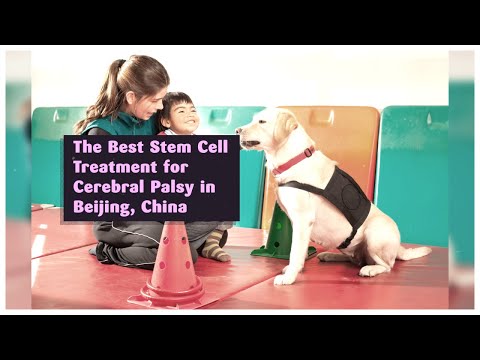





.png)










Share this listing