


Comprehensive Guide to Miraculous Cerebral Palsy Treatment at BPIH in Beijing, China
When searching for hope, countless families are discovering the miraculous cerebral palsy treatment at BPIH in Beijing, China. For decades, traditional approaches to pediatric neurology have often left parents feeling frustrated by limited options, focusing solely on symptom management rather than addressing the underlying neurological deficits. Families navigating the complexities of a cerebral palsy diagnosis are frequently told to accept the physical and cognitive limitations placed upon their children.
Today, a revolutionary shift in regenerative medicine and comprehensive neuro-rehabilitation is rewriting those narratives. By combining advanced stem cell therapies, cutting-edge surgical interventions, and intensive specialized therapies, medical professionals in Beijing are unlocking new potential for neuroplasticity. Watch the video to explore how Beijing Puhua International Hospital is providing unprecedented access to life-changing pediatric neurological treatments that seamlessly blend modern science with holistic healing modalities.
Video Chapters & Quick Navigation
Understanding the Challenges of Cerebral Palsy
Cerebral palsy is a complex group of neurological disorders that affect movement, muscle tone, and posture. It is caused by damage that occurs to the immature, developing brain, most often before or during birth. For families receiving this diagnosis, the immediate future can feel incredibly daunting, as local healthcare providers frequently emphasize the permanent nature of brain injuries.
Traditional treatment pathways typically involve rigorous physical therapy to prevent muscle contractures, occupational therapy to assist with daily living tasks, and medications designed strictly to manage severe spasticity. While these foundational therapies are undeniably critical, they do not possess the capability to repair the damaged neural pathways responsible for the motor dysfunction. As highlighted at in the video, standard care alone often leaves a significant gap in realizing a child's full developmental potential.
This limitation in conventional western medicine has driven parents to look beyond their domestic borders for innovative cerebral palsy treatments abroad. The quest for therapies that offer regenerative capabilities rather than just symptomatic relief has illuminated the path toward medical tourism in Asia. Hospitals specializing in integrative neurology are now demonstrating that while the initial brain injury may be permanent, the brain's ability to reroute, heal, and adapt—known as neuroplasticity—can be profoundly enhanced.
The Shift Toward Regenerative Pediatric Neurology
Regenerative medicine focuses on replacing, engineering, or regenerating human cells, tissues, or organs to restore or establish normal function. In the context of pediatric neurology, this means exploring biological treatments that can potentially awaken dormant brain cells or stimulate the growth of new neural connections. This paradigm shift is monumental for cerebral palsy patients who have plateaued in their standard physical therapy regimens.
Asia, and specifically China, has positioned itself at the vanguard of this medical frontier. Favorable regulatory environments for cellular research, combined with massive government and private investments in biotechnology, have accelerated the clinical application of these therapies. Consequently, international patients are finding access to safe, heavily regulated, and highly advanced regenerative protocols that might remain tied up in clinical trials for decades in their home countries.
Why Choose Beijing Puhua International Hospital (BPIH)?
When considering traveling halfway across the globe for complex medical care, selecting the right institution is paramount. Beijing Puhua International Hospital (BPIH) is not merely a clinic; it is a globally recognized institution that has been pioneering neurological treatments since its establishment. As seen at , the facility boasts state-of-the-art infrastructure designed explicitly to support the intricate needs of international neurological patients.
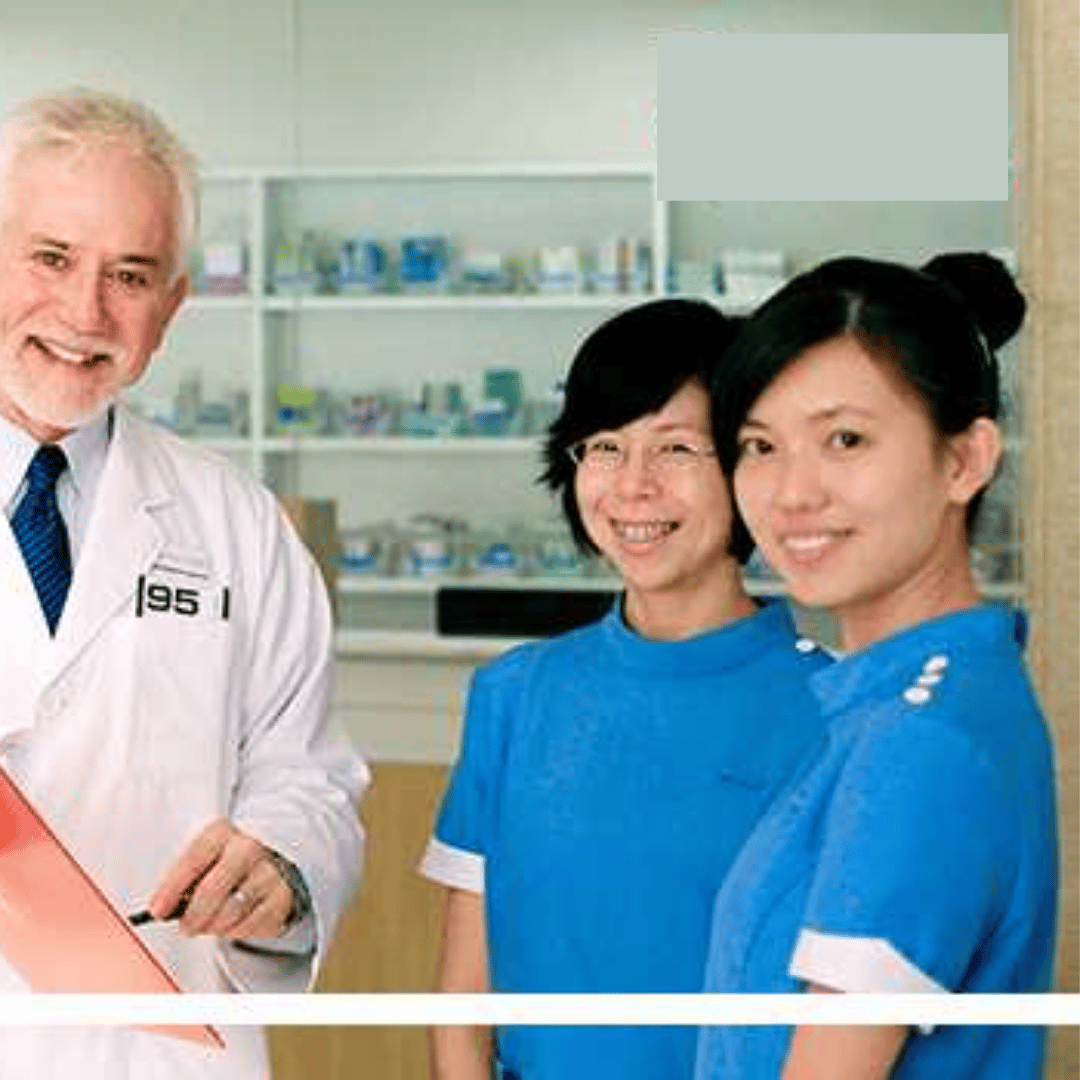
BPIH has cultivated a legacy of excellence by integrating western evidence-based medicine with the rich, historical practices of Traditional Chinese Medicine (TCM). This dual approach ensures that patients receive the most technologically advanced medical interventions available, supported by holistic therapies that optimize the body’s overall physiological balance. The hospital’s multidisciplinary team consists of internationally trained neurologists, neurosurgeons, pediatricians, and rehabilitation specialists who collaborate seamlessly on every patient case.
Furthermore, BPIH maintains strict international standards for safety, sterilization, and patient care. The hospital is equipped with advanced neuro-imaging technology, specialized cellular laboratories, and dedicated rehabilitation centers specifically tailored for pediatric cerebral palsy patients. This comprehensive ecosystem ensures that every phase of treatment, from diagnostics to post-surgical rehab, is executed with unparalleled precision and compassionate care.
A Multidisciplinary Approach to Healing
The success of the cerebral palsy program at BPIH is rooted in its refusal to apply a one-size-fits-all methodology. Upon arrival, every patient undergoes an exhaustive evaluation by a board of specialists. This team analyzes MRI scans, conducts detailed motor function tests, and evaluates cognitive development to craft a highly individualized treatment blueprint.
This customized blueprint typically spans several weeks and includes a synchronized schedule of cellular therapy, intensive physical rehabilitation, occupational therapy, and traditional eastern medicine. By attacking the neurological deficits from multiple angles simultaneously, the multidisciplinary team maximizes the therapeutic window, accelerating motor skill acquisition and cognitive improvements in ways that isolated treatments simply cannot achieve.
The Science of Stem Cell Therapy for Cerebral Palsy
The cornerstone of the miraculous cerebral palsy treatment at BPIH in Beijing is its sophisticated application of stem cell therapy. Stem cells are the body's master cells, possessing the unique ability to differentiate into various specialized cell types and to self-renew. In the treatment of neurological conditions, physicians primarily utilize Mesenchymal Stem Cells (MSCs) and Neural Stem Cells (NSCs), which are ethically sourced, rigorously tested, and cultured in highly controlled laboratory environments.
When administered to a patient with cerebral palsy, these stem cells do not simply turn into new brain cells to replace dead ones. Instead, they act as powerful biological catalysts. They migrate toward areas of inflammation and tissue damage in the brain—a process known as homing. Once there, as explained at , they secrete a potent mixture of neurotrophic factors, cytokines, and exosomes. These secretions promote angiogenesis (the formation of new blood vessels), reduce neuroinflammation, and prevent further apoptosis (cell death).
Most importantly, stem cell therapy stimulates the patient's own endogenous neural stem cells to awaken and begin repairing the surrounding tissue. This paracrine effect essentially supercharges the brain's inherent neuroplasticity. Over the weeks and months following the infusions, parents frequently report remarkable improvements in their child's muscle tone, fine motor control, speech articulation, and overall cognitive engagement.
Safety and Efficacy Protocols
A common concern regarding medical tourism for stem cell therapy is safety. BPIH addresses this by adhering to the most stringent international protocols for cell cultivation and administration. All biological materials undergo rigorous screening for infectious diseases, genetic abnormalities, and cellular viability before being cleared for therapeutic use.
The administration techniques are carefully chosen based on the patient's specific condition and age. Infusions may be delivered intravenously or via a lumbar puncture (intrathecal administration). The intrathecal route is particularly effective for cerebral palsy, as it bypasses the blood-brain barrier, delivering the regenerative cells directly into the cerebrospinal fluid where they can immediately begin interacting with the central nervous system.
Comprehensive Neuro-Rehabilitation Protocols
Stem cell therapy is not a standalone miracle cure; it is the spark that ignites the engine of recovery. To truly harness the regenerative potential of the cellular infusions, patients must engage in intensive, targeted neuro-rehabilitation. At BPIH, the rehabilitation program is demanding, comprehensive, and tailored to the unique energy levels and physical capabilities of pediatric patients.
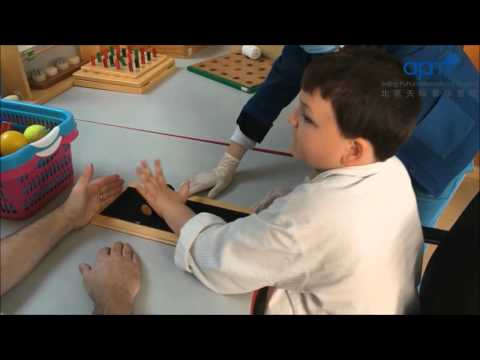
The physical therapy (PT) regimens are designed to stretch tight muscles, improve joint mobility, and build core strength. Therapists utilize advanced equipment, including robotic-assisted gait training and hydrotherapy, to help children experience correct movement patterns. As showcased at in the documentary, this repetitive, guided motion helps newly forming neural pathways solidify, effectively teaching the regenerating brain how to control the body.
Occupational therapy (OT) runs parallel to PT, focusing heavily on fine motor skills and the activities of daily living. Therapists work tirelessly with children on tasks such as grasping objects, feeding themselves, and improving hand-eye coordination. Speech and language pathologists are also heavily involved, utilizing specialized techniques to strengthen facial muscles and improve breathing coordination, which is vital for patients struggling with dysarthria or swallowing difficulties.
The Role of Traditional Chinese Medicine (TCM)
What truly separates the BPIH cerebral palsy program from other global facilities is the seamless integration of Traditional Chinese Medicine (TCM) into the daily treatment schedule. Western medicine views cerebral palsy strictly as a neurological deficit, whereas TCM approaches it as an imbalance in the body's energy pathways (Qi) and blood circulation. By merging these philosophies, patients receive a remarkably holistic healing experience.
Acupuncture is a critical component of this integrative approach. Specialized pediatric acupuncturists use ultra-fine needles to stimulate specific points along the body's meridians. Clinical studies have indicated that targeted acupuncture can significantly reduce muscle spasticity, improve local blood circulation to atrophied limbs, and even stimulate cortical activity in the brain. This creates an optimal physiological environment for the infused stem cells to thrive.
Alongside acupuncture, patients often receive Tuina (Chinese therapeutic massage) and herbal fomentation therapies. Tuina helps to release deep fascial tension and improve joint flexibility without the discomfort often associated with rigorous western stretching techniques. These traditional modalities are incredibly well-tolerated by children and provide a soothing, therapeutic counterbalance to the intense physical exertion required during standard rehabilitation sessions.
Advanced Surgical Options for Spasticity
For some patients, profound muscle spasticity creates a physical barrier that prevents rehabilitation and cellular therapy from reaching their maximum efficacy. In these severe cases, BPIH offers access to world-class neurosurgical and orthopedic interventions. These surgical procedures are precisely calculated to alleviate tightness and correct bone deformities that have developed over years of abnormal muscle pull.
One of the most transformative procedures offered is Selective Dorsal Rhizotomy (SDR). During this delicate neurosurgical procedure, surgeons carefully identify and cut the specific sensory nerve fibers in the spinal cord that are sending abnormal, hyperactive signals to the muscles. As noted at , successfully performing an SDR can permanently eliminate severe spasticity in the lower limbs, drastically improving a child's ability to walk and balance.
In addition to neurosurgery, minimally invasive orthopedic corrections may be recommended. These surgeries involve lengthening tendons, releasing tight muscles, or realigning joints to improve the overall mechanical function of the limbs. When these surgical interventions are combined with stem cell therapy and intense post-operative rehabilitation, the compounding results frequently exceed the initial expectations of both parents and referring physicians.
Navigating the Cost: High-Quality Affordable Pediatric Neurology
A primary catalyst driving the surge in medical tourism to Beijing is the prohibitive cost of complex neurological care in western nations. Families seeking intensive, multi-week inpatient rehabilitation programs in the United States or the United Kingdom are often met with staggering bills that insurance companies refuse to cover, classifying many regenerative therapies as experimental.
BPIH provides an incredibly cost-effective alternative without compromising on the quality of medical expertise or the sophistication of the technology used. The lower cost of administrative overhead and specialized labor in China allows the hospital to offer comprehensive treatment packages at a fraction of western prices. These packages are typically all-inclusive, providing families with financial predictability during an otherwise stressful time.
| Treatment Component | Estimated Cost (US/UK) | Estimated Cost at BPIH (China) |
|---|---|---|
| Stem Cell Therapy (Per Cycle) | $25,000 - $45,000+ | $8,000 - $15,000 |
| Intensive Inpatient Rehab (Per Month) | $30,000 - $60,000 | $5,000 - $9,000 |
| SDR Surgery (Uninsured) | $40,000 - $75,000 | $15,000 - $25,000 |
| Acupuncture & TCM Integration | Rarely Available / High Out-of-Pocket | Included in Standard Packages |
It is important to note that the all-inclusive packages at BPIH often cover the medical procedures, extensive daily rehabilitation, specialized nursing care, and the hospital accommodations for both the patient and an accompanying family member. This bundled approach ensures that parents can focus entirely on supporting their child's recovery, rather than navigating complex daily medical billing.
The International Patient Journey to Beijing
Traveling to a foreign country for advanced medical care is a significant undertaking, but the international patient department at BPIH has streamlined the process to be as stress-free as possible. The journey begins long before a family ever boards an airplane. Through specialized medical tourism facilitators like PlacidWay, families can submit their child's medical records, MRI imaging, and current clinical evaluations for a comprehensive remote consultation.
Once a treatment plan is proposed and accepted, the hospital's logistics team assists with securing medical visas, organizing airport transfers, and preparing the inpatient accommodations. As shown at , the VIP inpatient suites at BPIH are designed to feel less like a clinical hospital ward and more like an accessible, comfortable apartment. These suites include essential amenities such as high-speed internet, international television channels, and private kitchenettes to accommodate specific dietary needs.
Language barriers are frequently cited as a primary concern for international medical travelers. BPIH addresses this by providing dedicated, medically trained translators who accompany the family to every consultation, therapy session, and medical procedure. This ensures that parents are fully informed and intimately involved in every decision regarding their child's care. The cultural warmth and profound respect for family inherent in Chinese society translate directly into the compassionate, patient-centric care experienced within the hospital walls.
Evaluating Long-Term Outcomes and Success
The ultimate goal of seeking miraculous cerebral palsy treatment at BPIH in Beijing, China, is to achieve sustained, long-term improvements in a child's quality of life. Success in pediatric neurology is measured differently for every patient. For a child with severe quadriplegia, success might mean gaining the core strength to sit independently, allowing them to engage with their peers at eye level. For a child with milder spastic diplegia, the goal might be transitioning from using a walker to walking independently.
Because the regenerative effects of stem cell therapy continue to develop over several months following the infusions, the medical team at BPIH establishes a rigorous post-discharge follow-up protocol. Families are provided with highly detailed, customized home-exercise programs to ensure that the neurological gains achieved in Beijing are maintained and expanded upon back home.
Through telemedicine consultations and continuous remote support, the neurologists and rehabilitation specialists monitor the child's progress, adjusting therapy recommendations as new developmental milestones are reached. This enduring partnership between the hospital and the family highlights the profound commitment of Beijing Puhua International Hospital to not just treating cerebral palsy, but truly transforming the trajectory of a child's life through relentless innovation and compassionate care.
Ready to Explore Advanced CP Treatments in Beijing?
PlacidWay Medical Tourism connects families with world-renowned pediatric neurology centers like BPIH in China. Access cutting-edge stem cell therapies and comprehensive neuro-rehabilitation programs tailored to your child's unique needs. Let us handle the logistical details while you focus on unlocking your child's true potential.
REQUEST A FREE CONSULTATION















Share this listing