


Claire's Stem Cell Experience: The Comprehensive Guide to Beike Biotech Protocols
Watching Claire's stem cell experience with Beike Biotech provides a profound glimpse into the rapidly evolving world of regenerative medicine. For countless patients suffering from chronic neurodegenerative conditions, the traditional medical route often leads to a frustrating plateau of symptom management rather than true healing. When conventional therapies fail to halt physical and cognitive decline, individuals and their families are frequently forced to look beyond their local healthcare systems to find viable alternative treatments for progressive neurological disorders.
This detailed analysis breaks down the actual protocols, the science of umbilical cord mesenchymal stem cells, and the integrated functional medicine approach utilized by leading global biotechnology providers. By exploring this patient journey, we uncover exactly what happens when cutting-edge cellular science meets comprehensive holistic rehabilitation on the international stage.
Video Chapters & Quick Navigation
Navigating the Burden of Neurological Decline
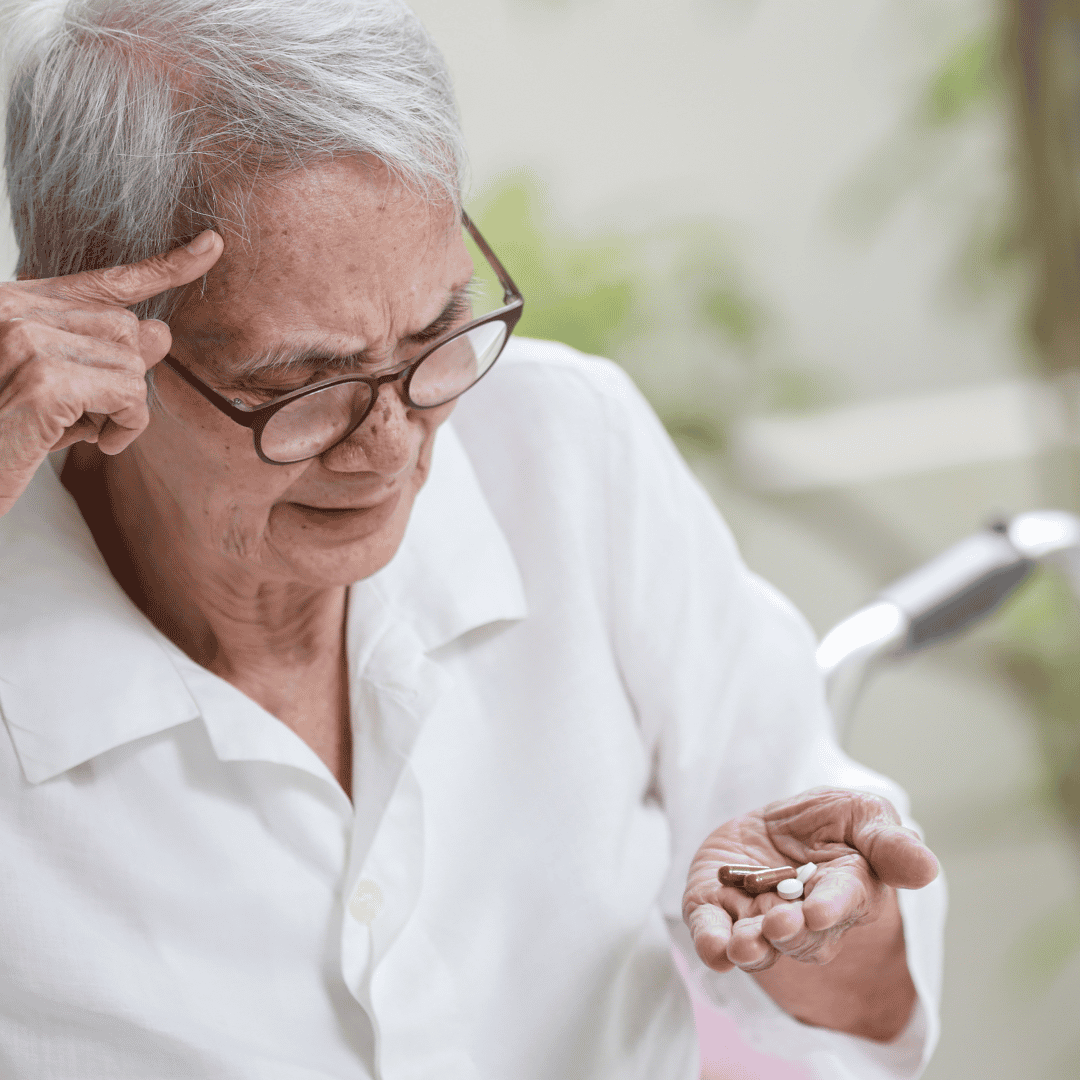
When a patient is diagnosed with a progressive neurodegenerative condition, the initial shock is rapidly followed by a complex and often overwhelming search for effective treatment. As seen at in the video, dealing with a body that is gradually losing its functionality takes an immense emotional and physical toll on both the patient and their loved ones. Standard pharmaceutical approaches primarily focus on masking symptoms or marginally slowing disease progression, offering very little in terms of restoring lost motor function, coordination, or energy.
Patients dealing with ataxia, multiple sclerosis, Parkinson's disease, or severe neuropathy frequently describe feeling trapped in a medical system that has labeled their condition as "incurable" and "untreatable." The reliance on palliative care leaves a critical gap in treating the underlying cellular damage that drives these chronic illnesses. It is precisely this gap that pushes proactive patients to explore high-quality alternative treatments for chronic neurological disorders abroad.
The pursuit of a better quality of life requires looking beyond conventional boundaries. Regenerative medicine aims not just to manage the decay of the nervous system, but to actively alter the physiological environment of the body. By introducing potent biological agents capable of reducing neuroinflammation and stimulating innate healing mechanisms, patients open doors to possibilities that simply do not exist within standard allopathic protocols.
The Beike Biotechnology Approach to Regenerative Care
Discovering the right medical provider is often the most daunting part of the medical tourism journey. At , the narrative shifts to the discovery of Beike Biotechnology, a pioneer in the field of adult stem cell processing and administration. Unlike pop-up clinics offering unverified treatments, Beike operates as a large-scale biotechnology research firm that partners with fully accredited international hospitals to deliver comprehensive care.
Beike Biotech reviews from global patients consistently highlight the organization's rigorous laboratory standards. They utilize strictly screened, expanded umbilical cord mesenchymal stem cells (UC-MSCs) and umbilical cord blood stem cells. This adherence to world-class laboratory practices ensures that every cell vial administered is tested for viability, sterility, and optimal cellular count, which is a critical factor for achieving positive clinical outcomes in regenerative therapy.
The Shift from Embryonic to Adult Stem Cells
A common misconception in the general public is the confusion between embryonic stem cells and adult stem cells. Beike biotechnology strictly utilizes adult stem cells—specifically those derived from donated umbilical cords post-healthy birth. This completely bypasses the ethical dilemmas and medical risks (such as tumor formation) associated with embryonic stem cells.
Umbilical cord-derived cells are considered "immunologically privileged," meaning they are highly unlikely to be rejected by the patient's immune system. This allows patients to receive high-dose, potent cellular therapy without the need for harsh immunosuppressive drugs, making the process significantly safer and more comfortable for individuals who already have compromised health.
The Science of Umbilical Cord Mesenchymal Stem Cells (UC-MSCs)
To truly understand the value of this therapy, one must understand the biological mechanisms at play. Mesenchymal stem cells are essentially the body's master maintenance and repair cells. When administered intravenously or intrathecally (via the spinal canal), these cells migrate to areas of high inflammation and tissue damage—a process scientifically known as "homing."
- Potent Anti-Inflammatory Action: Many neurodegenerative diseases are driven by chronic neuroinflammation. UC-MSCs release cytokines that powerfully suppress pathological immune responses and reduce swelling in the brain and spinal cord.
- The Paracrine Effect: Rather than directly turning into new brain cells, these stem cells act as biochemical factories. They secrete exosomes, growth factors, and proteins that signal the patient's own dormant cells to begin repairing damaged tissue.
- Angiogenesis: Stem cell therapy promotes the creation of new blood vessels, dramatically improving blood flow, oxygenation, and nutrient delivery to starved neurological tissues.
As highlighted around , this multi-faceted approach to cellular healing creates an optimal microenvironment for the nervous system to stabilize and, in many documented cases, regain lost functionality.
A Blueprint for Success: Comprehensive Functional Medicine
A critical factor that differentiates highly successful international stem cell clinics from lower-tier providers is the integration of functional medicine. Administering stem cells into a highly toxic, inflamed, or nutritionally deficient body is like planting expensive seeds in barren soil. For cellular therapy to work, the "soil" must be conditioned.
Beike's partner hospitals implement a rigorous functional medicine protocol that begins the moment the patient arrives. This involves in-depth blood paneling to identify heavy metal toxicities, gut microbiome imbalances, and severe vitamin deficiencies. Clinical nutritionists design highly specific, anti-inflammatory diets to prime the patient's internal environment before the first stem cell infusion even takes place.
| Medical Approach | Primary Focus | Typical Outcomes for Chronic Illness |
|---|---|---|
| Traditional Allopathic | Symptom suppression, pharmaceutical management. | Disease progression continues; side effects from long-term drug use. |
| Standalone Stem Cells | Cellular administration via IV without supporting therapies. | Variable results; stem cells struggle to survive in a toxic bodily environment. |
| Functional Regenerative Care | Stem cells combined with intensive daily rehabilitation, nutrition, and detox. | Maximized cellular survival; noticeable improvements in energy, motor function, and life quality. |
Synergistic Therapies: Forcing Cellular Integration
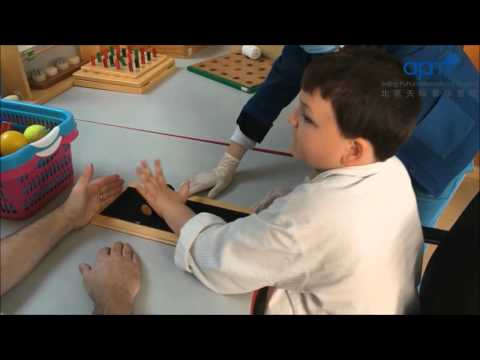
The magic of a well-structured medical tourism package for regenerative medicine lies in the daily synergistic therapies. At , the rigorous daily schedule of a patient undergoing comprehensive care is revealed. Patients do not simply receive an IV and rest in bed; they are actively pushed through intensive, specialized therapies designed to stimulate neuroplasticity.
Hyperbaric Oxygen Therapy (HBOT)
Stem cells are highly metabolically active and require massive amounts of oxygen to survive, replicate, and heal tissue. Hyperbaric Oxygen Therapy places the patient in a pressurized chamber, forcing 100% pure oxygen deep into the blood plasma and cerebrospinal fluid. This hyper-oxygenated state has been clinically proven to wake up dormant stem cells and significantly increase their efficacy in repairing brain tissue.
Transcranial Magnetic Stimulation (rTMS) and Acupuncture
To further encourage the newly introduced stem cells to differentiate and repair specific neural pathways, advanced clinics utilize repetitive Transcranial Magnetic Stimulation (rTMS). This non-invasive therapy uses magnetic fields to stimulate nerve cells in the brain. When combined with traditional Chinese acupuncture to improve energy flow and local blood circulation, patients receive a seamless blend of ancient wisdom and cutting-edge biotechnology.
The Reality of Traveling for Medical Care
Embarking on a journey across the world for a medical procedure is a significant decision. However, the landscape of global healthcare has shifted dramatically. High-volume, internationally accredited hospitals in destinations like Thailand, Mexico, and China are built specifically to cater to western patients. The medical facilities often resemble luxury wellness retreats rather than clinical, sterile environments.
Upon arrival, patients and their caregivers are assigned dedicated case managers and medical translators. This ensures that every step of the journey, from airport pickups to daily consultations with the lead neurologist, is entirely frictionless. The psychological benefit of removing a patient from their stressful home environment and placing them in a holistic, supportive, and deeply compassionate healing center cannot be overstated. It drastically reduces cortisol levels, further enhancing the body's ability to accept the cellular treatment.
Evaluating the Financial Investment: Stem Cell Therapy Cost vs. Value
A primary consideration for anyone exploring this path is the financial commitment. The cost of umbilical cord blood stem cell therapy abroad can vary significantly depending on the protocol duration, the number of stem cell packets required, and the intensity of the inpatient rehabilitation program. Generally, comprehensive packages ranging from two to four weeks can require an investment of $25,000 to $40,000.
While this is a substantial out-of-pocket expense—since regenerative medicine is rarely covered by traditional domestic health insurance—it must be weighed against the long-term hidden costs of living with a declining condition. The continuous need for specialized in-home care, the rapid accumulation of pharmaceutical bills, the cost of home mobility modifications, and the severe loss of income capability often far exceed the price of an intensive, restorative stem cell program.
Furthermore, when breaking down the value, international packages offer astonishing clinical volume. Receiving multiple daily sessions of physical therapy, occupational therapy, aquatherapy, HBOT, and personalized nutritional care in the United States or the UK would cost an exorbitant amount on an a la carte basis. In the medical tourism model, these are bundled into an all-inclusive, highly coordinated care plan.
Monitoring Progress: Immediate and Long-Term Healing
Setting realistic expectations is a cornerstone of regenerative medicine. Stem cell therapy is not a magic wand that cures decades of neurodegeneration overnight. However, as noted around , patients frequently begin noticing subtle but profound shifts during their inpatient stay. Common early indicators of cellular integration include improved sleep quality, a reduction in chronic nerve pain, clearer cognitive function (lifting of "brain fog"), and increased baseline energy levels.
The true remodeling of the nervous system takes time. The stem cells continue to work within the body for up to six to nine months post-infusion. This delayed, progressive healing phase is why the work done at home is just as critical as the treatment received at the hospital. Patients who return home and diligently maintain their prescribed physical therapy regimens, anti-inflammatory diets, and supplement protocols generally experience the highest level of sustained improvements.
The Importance of Post-Treatment Rehabilitation
Neurological gains must be cemented through repetition. As the stem cells help repair the myelin sheath and reduce local inflammation around damaged nerves, the patient must force those neural pathways to fire. Continuous, guided physical therapy helps the brain remap itself around damaged areas—a concept known as neuroplasticity. Patients who treat their return home as the second phase of their medical protocol are the ones who report life-changing, long-lasting milestones, such as regaining the ability to walk unassisted, improved speech clarity, and recovered fine motor skills.
Empowering Your Healthcare Journey
The landscape of treating chronic neurological conditions has fundamentally changed. Medical borders are dissolving, allowing proactive patients to access the world’s most advanced biotechnology and comprehensive rehabilitative care regardless of their geographic location. Exploring adult stem cell treatment success stories provides not just hope, but a highly actionable, scientifically grounded medical alternative.
While the decision to pursue stem cell therapy abroad requires thorough research, financial planning, and an open mind, the potential to reclaim one's independence, dignity, and quality of life makes it a deeply compelling option. The future of medicine is regenerative, and for many patients facing an otherwise grim prognosis, that future cannot arrive soon enough. It is time to move beyond managing decline and start exploring the real possibilities of profound cellular repair.
Take Control of Your Health Journey Today
PlacidWay Medical Tourism connects patients with fully accredited, world-class regenerative medicine clinics globally. Get specialized guidance, transparent pricing, and comprehensive support for your stem cell therapy journey.
GET A FREE CONSULTATION & QUOTE















Share this listing