


Comprehensive Guide: Will You Lose Nipple Sensation After Breast Surgery?
Are you considering aesthetic enhancement but worried about the loss of nipple sensation after breast surgery? It is an incredibly common concern for women exploring breast augmentation, lifts, or reductions. The fear of permanent numbness or hypersensitivity can be daunting for prospective patients. Fortunately, modern, advanced surgical techniques have drastically reduced these specific risks. In this comprehensive guide, based on expert medical insights from a KCM Clinic doctor, we deeply explore the intricate nerve anatomy of the breast. We will break down exactly how specific surgical incisions impact sensitivity and what you can expect during the natural nerve regeneration recovery timeline.
Video Chapters & Quick Navigation
- Understanding Breast Nerve Anatomy
- Temporary vs. Permanent Sensation Loss
- How Incision Types Impact Sensitivity
- Implant Size and Muscle Placement
- Breast Lift and Reduction Risks
- The KCM Clinic Surgical Approach
- Nerve Regeneration Recovery Timeline
- Proactive Steps for Nerve Healing
- Managing Psychological Impact
- Frequently Asked Questions
Understanding Breast Nerve Anatomy and Sensitivity
To truly comprehend why the loss of nipple sensation after breast surgery occurs, we must first look at the biological wiring of the female chest. The primary nerve responsible for providing sensation to the nipple-areolar complex (NAC) is known as the lateral cutaneous branch of the fourth intercostal nerve. This crucial nerve pathway emerges from the rib cage, weaving its way delicately through the dense breast tissue before terminating right at the areola and nipple.
As the video highlights, human anatomy varies significantly from patient to patient. In some women, this nerve travels closer to the surface of the skin, while in others, it runs much deeper near the chest muscle wall. Because of this anatomical unpredictability, even the most highly skilled, board-certified plastic surgeons cannot guarantee that the nerve will remain completely untouched during invasive procedures.
Furthermore, breast sensitivity is not entirely reliant on a single nerve. The chest is supplied by a complex network of anterior and lateral intercostal nerves spanning from the third to the sixth ribs. When surgical dissection occurs, microscopic nerve endings are inevitably stretched or cut. This physiological trauma is the fundamental reason why sensory changes are an expected part of the postoperative healing journey.
The Reality: Temporary vs. Permanent Sensation Loss
One of the most vital distinctions a patient must understand is the difference between temporary neuropraxia and permanent nerve transection. Following a breast augmentation or lift, it is completely normal to experience an immediate loss of nipple sensation. This condition, often referred to as temporary numbness after breast implants, is usually a result of localized swelling, tissue inflammation, and the sheer physical stretching of the nerve fibers.
When an implant is introduced into the breast pocket, the overlying skin and glandular tissue must expand rapidly to accommodate the new volume. This internal pressure compresses the delicate sensory nerves, effectively blocking their ability to transmit signals to the brain. In these instances, as the postoperative edema (swelling) subsides over the subsequent weeks, the compressed nerves begin to "wake up" and resume normal function.
Conversely, permanent numbness is much rarer but remains a valid medical risk. If the main branch of the fourth intercostal nerve is physically severed during the creation of the implant pocket or during the removal of excess tissue in a breast reduction, sensation may never fully return to its baseline level. However, even in cases of complete transection, the body's remarkable neuroplasticity often allows surrounding collateral nerves to gradually compensate, returning a degree of protective sensation over a period of years.
Understanding Hyperesthesia (Oversensitivity)
Interestingly, not all patients experience numbness. A significant portion of women report the exact opposite phenomenon: hyperesthesia, or extreme nipple oversensitivity. As the damaged nerves begin to regenerate and reconnect, they often misfire, sending amplified or distorted electrical signals to the brain.
This can cause the nipples to feel painfully sensitive to the touch, making the friction of a bra or a standard t-shirt highly uncomfortable. Just like temporary numbness, this hypersensitivity is typically a transient phase of the healing process. According to medical experts at , it is actually considered a positive clinical sign, indicating that active nerve regeneration is taking place beneath the skin.
How Different Incision Types Impact Breast Sensitivity
The surgical approach chosen by your doctor is arguably the most significant variable in determining your risk profile for sensory changes. Plastic surgeons utilize several different entry points to insert breast implants or perform reconstructive work, and each carries its own distinct probability of nerve interference. Choosing the right incision type that preserves breast sensitivity is a critical conversation you must have during your initial consultation.
| Incision Type | Location | Risk to Nipple Sensation | Medical Context |
|---|---|---|---|
| Inframammary Fold (IMF) | In the crease beneath the breast. | Lowest Risk | The surgeon avoids cutting through the breast tissue entirely, completely bypassing the path of the 4th intercostal nerve. |
| Transaxillary | In the natural fold of the armpit. | Low to Moderate Risk | Keeps scars off the breast, but requires extensive internal tunneling which can inadvertently stretch lateral nerves. |
| Periareolar | Along the lower edge of the areola. | Highest Risk | Directly transects the tissue directly beneath the nipple-areolar complex, severely increasing the chance of severing nerve endings. |
The inframammary incision remains the global gold standard for patients prioritizing the retention of natural sensation. Because the surgeon approaches the implant pocket from below the gland, the intricate network of central breast nerves remains virtually undisturbed. The periareolar incision, while excellent for camouflaging scars in the natural pigment transition of the areola, demands that the surgeon cut straight through the glandular tissue where sensory nerves are highly concentrated.
The Crucial Role of Implant Size and Muscle Placement
It is not just the incision location that dictates postoperative sensitivity; the sheer volume of the chosen implant plays an equally massive role. Many patients do not realize that choosing overly large implants directly correlates with a higher likelihood of long-term numbness. When a very large, high-profile implant is forced into a relatively tight natural breast envelope, the aggressive stretching of the skin acts like a tightly pulled rubber band.
This immense mechanical tension compresses the sensory nerves against the skin and chest wall. The more the nerves are stretched beyond their natural elasticity, the higher the risk of traction injuries. If you are pursuing a massive size increase in a single operation, the physiological strain on your chest anatomy may lead to permanent dysesthesia or prolonged numbness.
Submuscular vs. Subglandular Placement
Where the implant is situated also impacts nerve viability. Implants placed subglandularly (directly over the pectoral muscle but under the breast gland) put direct pressure on the breast tissue and the nerves residing within it. Conversely, submuscular placement (underneath the pectoral muscle) offers a layer of muscular protection.
By placing the silicone or saline device beneath the muscle, the implant's weight is borne largely by the muscle fibers rather than the delicate glandular tissue. As noted at in clinical discussions, this dual-plane or submuscular approach frequently yields better long-term outcomes regarding both aesthetic naturalness and sensory preservation.
Comparing Risks: Breast Lifts and Reductions vs. Augmentation
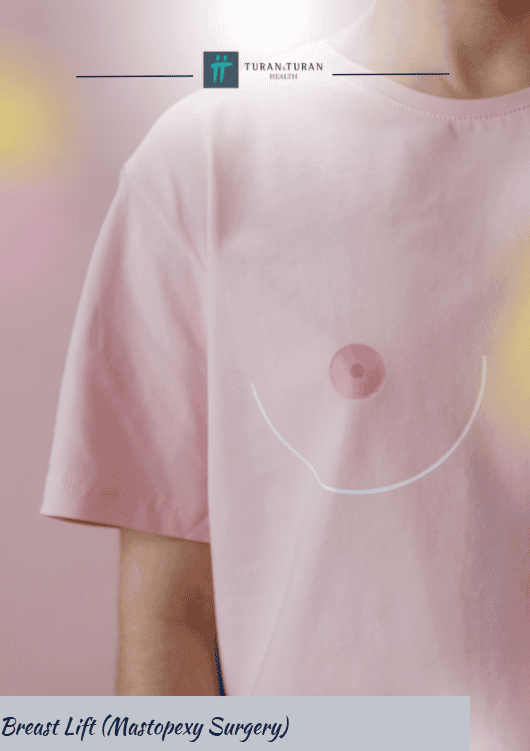
While standard breast augmentation focuses primarily on adding volume via an implant, breast lift (mastopexy) and breast reduction surgeries require extensive removal and reshaping of existing tissue. Consequently, the answer to the question "does a breast lift cause loss of feeling in nipples" requires a more nuanced clinical response.
During a breast lift or reduction, the surgeon must excise excess skin, remove heavy glandular tissue, and physically relocate the nipple-areolar complex to a higher, more youthful position on the chest mound. This dramatic anatomical restructuring inherently carries a much higher risk of nerve damage compared to a simple augmentation. The longer the distance the nipple must be moved, the more stretching the underlying nerve stalk must endure.
In extreme cases of massive breast reduction, doctors may even need to utilize a free nipple graft technique. In this specific scenario, the nipple and areola are completely detached from their blood and nerve supply and reattached as a skin graft. When a free nipple graft is performed, permanent and total loss of erogenous nipple sensation is an expected and unavoidable surgical outcome, though basic tactile pressure may eventually return.
How KCM Clinic Prioritizes Patient Nerve Preservation
In the realm of international medical tourism, European centers like KCM Clinic in Poland have gained a reputation for combining aesthetic excellence with stringent safety protocols. When reviewing KCM Clinic Poland plastic surgery reviews, a recurring theme is the meticulous pre-operative planning phase aimed at minimizing complications like nerve damage.
Surgeons at top-tier facilities utilize advanced 3D imaging technology to map out the patient's unique thoracic anatomy before making a single cut. This allows the medical team to select the optimal implant size, profile, and surgical approach tailored specifically to the patient's tissue elasticity. By utilizing atraumatic surgical techniques—which involve blunt dissection rather than sharp cutting where possible—the surgeons gently separate tissue layers, sweeping crucial nerve branches out of harm's way rather than severing them.
The Nerve Regeneration Recovery Timeline: What to Expect
Patience is the most critical virtue when recovering from aesthetic breast procedures. Nerves heal at an agonizingly slow rate—typically about one millimeter per day. Therefore, assessing the final outcome of your breast sensitivity cannot be done in the first few weeks following your operation. A structured recovery timeline helps manage expectations.
- Weeks 1 to 4 Post-Op: This is the acute healing phase. Maximum swelling and inflammation are present. Profound numbness across the lower breast pole and nipples is expected. You may also experience random "zinging" or electrical shock sensations. This is normal and indicates nerve pathways are active.
- Months 2 to 6 Post-Op: The majority of the postoperative edema has resolved. The skin envelope has relaxed and stretched to accommodate the implant. During this window, you may transition from numbness to extreme hypersensitivity. The nipples may react aggressively to cold temperatures or light friction.
- Months 6 to 12 Post-Op: The erratic nerve firings should begin to calm down. The brain starts to properly interpret the signals from the newly regenerated nerve endings. For the vast majority of patients, near-normal baseline sensation returns within this timeframe.
- 1 to 2 Years Post-Op: The final biological maturation of the scar tissue and nerve pathways occurs. Whatever sensory level you experience at the 18 to 24-month mark is generally considered your permanent, final outcome. Further changes after this point are exceptionally rare.
Proactive Steps to Encourage Nerve Healing Post-Surgery
While you cannot force nerves to grow faster than their biological limit, you can cultivate an optimal internal environment to support robust regeneration. What you do outside of the operating room is just as important as the surgeon's skill inside it. Sensory re-education and proper nutrition are vital tools in your recovery arsenal.
First and foremost, absolute cessation of smoking and nicotine products is non-negotiable. Nicotine is a potent vasoconstrictor, meaning it shrinks blood vessels and drastically reduces the oxygen supply to healing tissues. Starved nerves cannot regenerate. Smoking dramatically increases the risk of permanent nerve damage, tissue necrosis, and severe capsular contracture.
Additionally, once your surgeon has cleared you to do so (usually around the 6-week mark), incorporating gentle breast massage can be highly beneficial. Tactile stimulation helps retrain the brain to interpret sensory inputs correctly, reducing prolonged phases of hypersensitivity. Furthermore, many plastic surgeons recommend supplementing your diet with Vitamin B12 and Alpha-Lipoic Acid, both of which have been clinically shown to support peripheral nerve health and repair.
Managing the Psychological Impact of Sensory Changes
The conversation around breast augmentation heavily focuses on the aesthetic results—how clothes will fit, increased self-confidence, and physical proportions. However, the psychological impact of losing erogenous sensation is an often-overlooked aspect of the journey. For many women, the breasts are a vital component of sexual intimacy and physical connection.
Experiencing prolonged numbness can lead to unexpected feelings of bodily disconnect or mild postoperative depression. It is entirely valid to mourn the temporary loss of this sensation. Open communication with your partner about your physical boundaries during the hypersensitive or numb phases is essential for maintaining intimacy without causing discomfort. Recognizing that these sensory fluctuations are a highly standard phase of the healing journey can provide immense peace of mind.
Frequently Asked Questions About Breast Surgery Sensation
How long does it take for nipple sensation to return after breast augmentation?
For most patients, noticeable improvements in sensation begin between the 3 to 6-month mark. However, complete nerve regeneration is a slow physiological process that can take up to 12 to 18 months. Any sensation experienced after the two-year mark is generally considered final.
Does a breast lift cause loss of feeling in nipples more often than implants?
Yes. Because a mastopexy (breast lift) requires cutting and physically relocating breast tissue and the nipple-areolar complex, the risk of severing nerve connections is significantly higher compared to a standard breast augmentation using an inframammary incision.
Is there any way to guarantee I won't lose sensation?
No ethical, board-certified plastic surgeon will ever guarantee 100% preservation of sensation. However, choosing a modest implant size, opting for an inframammary fold incision, and selecting submuscular placement are the best scientifically proven methods to minimize your risks.
Why do my nipples hurt so much after surgery?
Intense pain or hypersensitivity (hyperesthesia) is actually a common and positive sign that the compressed nerves are "waking up" and regenerating. As the nerve endings attempt to reconnect, they often misfire, causing exaggerated responses to light touches or temperature changes. This typically resolves on its own over several months.
Ready to Discuss Your Safest Aesthetic Options?
PlacidWay Medical Tourism connects you with world-renowned, board-certified plastic surgeons at top facilities like KCM Clinic. Prioritize your safety, aesthetic goals, and long-term well-being by consulting with global experts today.
REQUEST FREE INFORMATION






.jpg)









Share this listing