
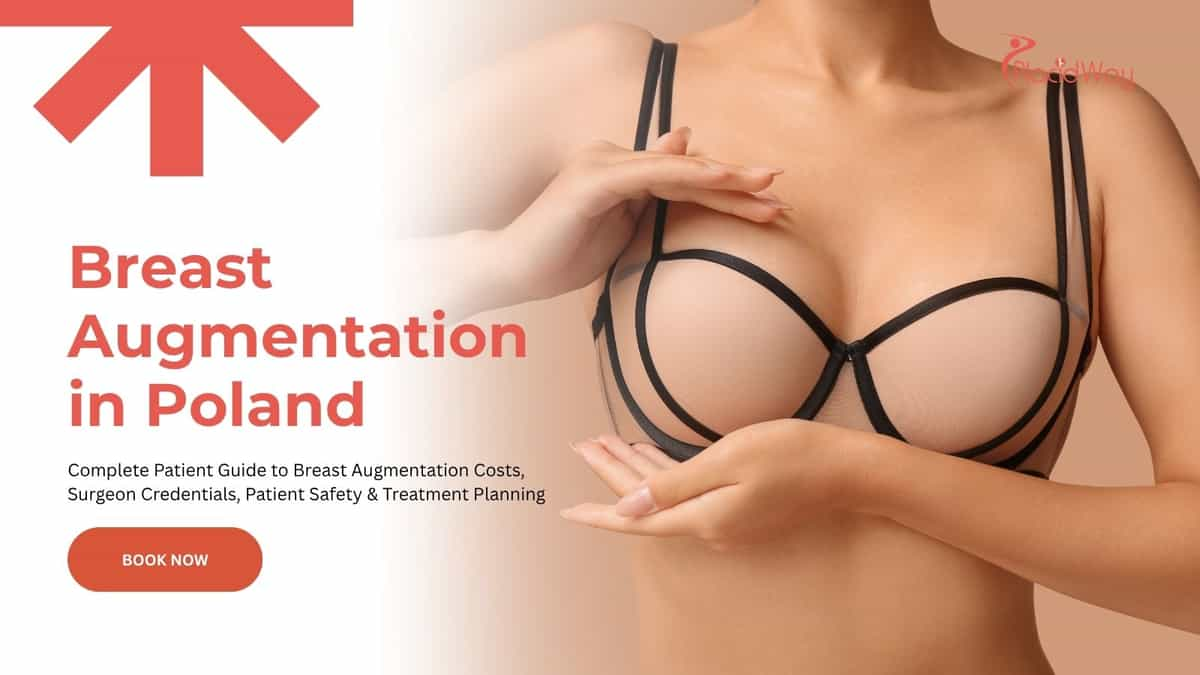
Many women researching aesthetic surgery face high local costs and long consultation wait times, prompting them to look abroad for care. Poland has emerged as a major destination for cosmetic procedures due to its strict European Union healthcare standards and highly qualified specialists. Before booking your flight, you need a clear understanding of the estimated financial commitment, the specific medical credentials to look for, and the realities of cross-border recovery. Evaluating factors like registration with the Polish Chamber of Physicians and Dentists (NIL) and transparent pricing structures will help you make a safe, informed decision about your surgery.
Quick Summary
- Estimated Cost: Typically ranges between $3,500 and $5,000 USD, depending on implant type and clinic location.
- Safety Overview: Poland operates under strict EU medical regulations. Clinics must be registered with the Ministry of Health.
- Ideal Candidate: Healthy individuals seeking breast volume enhancement who have realistic expectations and clearance for international travel post-surgery.
- Recovery Time: Initial recovery takes 1 to 2 weeks, while full settling of the implants takes 3 to 6 months.
- Primary Reason for Choosing Poland: Access to board-certified surgeons utilizing premium EU-approved implants at a lower cost of living.
- Important Credentials to Verify: Look for surgeons registered with the Polish Chamber of Physicians and Dentists (NIL) and the Polish Society of Plastic, Reconstructive and Aesthetic Surgery (PTChPRiE).
- Important Caution: Always factor in the cost of travel, accommodation, and potential extended stays in case of delayed healing before committing to a clinic.
Understanding the Appeal of Poland for Cosmetic Procedures
Patients actively comparing medical destinations often evaluate the intersection of clinical quality and overall affordability. The healthcare system in Poland adheres to comprehensive European Union directives regarding medical devices, facility hygiene, and patient rights. You can expect modern surgical facilities equipped with advanced monitoring technology.
Understanding why individuals specifically choose this destination provides helpful context for your own research. Several structural and economic factors drive this healthcare travel trend.
- Access to specialists with extensive cross-border training.
- Utilization of strictly regulated, CE-marked silicone and saline implants.
- Lower operational facility costs, translating directly to lower procedure fees.
- High English proficiency among medical coordinators and surgeons.
- Geographic proximity for Western European and Scandinavian patients.
- Strict national oversight by the Polish Ministry of Health.
Clinical Overview of the Procedure
Breast augmentation, medically known as augmentation mammoplasty, involves placing specialized implants beneath breast tissue or chest muscles to increase volume, adjust symmetry, or restore shape. The procedure typically requires general anesthesia and takes between one to two hours to complete in an accredited surgical theater.
Your surgeon will make incisions in carefully selected locations to minimize visible scarring. The choice of incision and implant placement relies entirely on your individual anatomy, existing breast tissue, and long-term aesthetic goals. Accurate preoperative planning helps optimize outcomes and minimize clinical risks.
Subglandular Placement
The implant is placed directly behind the breast tissue, over the pectoral muscle. This approach typically involves a shorter surgical time and a slightly faster initial recovery. However, it may increase the likelihood of visible implant rippling in patients with minimal natural breast tissue.
Submuscular Placement
The implant is placed partially or completely beneath the pectoralis major muscle. This technique provides more soft-tissue coverage, potentially creating a more natural slope and reducing visible rippling. Recovery may involve more initial muscle soreness.
Navigating Implant Choices
Clinics in Poland utilize globally recognized implant brands that undergo rigorous safety testing. During your consultation, you will discuss the physical characteristics of different implants. Your choice impacts not only the final appearance but also the specific surgical technique required.
Surgeons typically recommend highly cohesive silicone gel implants, often referred to as "gummy bear" implants. These hold their shape effectively and reduce the risk of systemic migration in the rare event of an implant rupture. Saline implants, filled with sterile saltwater during surgery, are also available but less commonly requested in European clinics.
Patient Demographics and Treatment Trends
Monitoring cross-border healthcare data helps illustrate the established nature of medical travel to Poland. A significant volume of international patients travels specifically for plastic and reconstructive surgery. These individuals primarily originate from neighboring nations facing high domestic healthcare costs.
Recent data indicates a steady inflow of patients seeking both primary augmentation and revision surgeries. Clinics in major cities like Warsaw, Krakow, and Wroclaw have adapted their care pathways to specifically support international arrivals, offering streamlined consultations and multilingual support staff.
Inbound Cosmetic Surgery Patient Demographics in Poland (2024 Data)
Distribution of international patients traveling to Poland for aesthetic procedures, reflecting recent cross-border healthcare trends.
Evaluating the Cost of the Procedure
Financial transparency remains a critical component of medical travel planning. The estimated cost for this procedure in Poland generally ranges between $3,500 and $5,000 USD. This pricing typically reflects the clinical fees, the cost of the implants, and basic facility charges.
Variations in price often depend on the specific brand of silicone implant chosen, the complexity of the surgical technique, and the geographic location of the clinic within Poland. Major urban centers with highly sought-after specialists may charge slightly closer to the upper end of that spectrum.
| Country | Estimated Cost Range (USD) | Primary Expense Drivers |
|---|---|---|
| Poland | $3,500 - $5,000 | Implant brand, surgeon experience, facility fees |
| United Kingdom | $7,000 - $9,500 | High clinic overhead, private hospital fees, taxes |
| Germany | $6,500 - $8,500 | Anesthesia fees, mandatory domestic insurances |
| United States | $8,000 - $12,000+ | Surgeon fees, anesthesiologist rates, surgical center costs |
Understanding Package Inclusions and Hidden Expenses
When reviewing financial quotes from Polish clinics, you must determine exactly what the given price covers. Many facilities catering to international patients offer comprehensive packages designed to simplify the financial process. However, assuming all costs are covered without written confirmation can lead to unexpected expenses.
Request an itemized written quote before securing your booking. You need to know if preoperative blood tests, electrocardiograms (ECGs), or specialized compression garments require additional out-of-pocket payments upon arrival.
Verifying Surgeon Credentials in Poland
Selecting a highly qualified specialist acts as your primary safeguard against complications. Poland regulates the medical profession rigorously. Any surgeon performing invasive cosmetic procedures must hold specific national medical licenses. Relying solely on clinic marketing materials is insufficient; you must verify their professional standing.
Look for registration with the Polish Chamber of Physicians and Dentists (Naczelna Izba Lekarska - NIL). This government-mandated body ensures the physician holds a valid license to practice medicine within the country. Furthermore, check for specialization in plastic surgery.
Membership in the Polish Society of Plastic, Reconstructive and Aesthetic Surgery (PTChPRiE) indicates that the surgeon has completed rigorous specialized training and adheres to national ethical and clinical guidelines. Many elite surgeons in Poland also hold membership in international bodies like the International Society of Aesthetic Plastic Surgery (ISAPS).
Selecting an Accredited Clinic or Hospital
The facility where your surgery takes place requires the same level of scrutiny as your surgeon. Private clinics in Poland must meet stringent hygiene, equipment, and emergency protocol standards dictated by the Ministry of Health (Ministerstwo Zdrowia).
When vetting a facility, ask specific questions about their clinical infrastructure. You need to confirm the presence of modern sterilization units and dedicated overnight recovery rooms staffed by registered nurses.
- Verify registration with the national healthcare registry.
- Inquire about the clinic’s complication management protocol.
- Confirm they have transfer agreements with local multi-specialty hospitals in case of severe emergencies.
- Ask if they employ dedicated, in-house anesthesiologists rather than relying on on-call staff.
Preparing for Your Surgical Journey
Proper preparation directly influences your surgical safety and the smoothness of your travel experience. Once you select a provider, you will transition into the pre-operative planning phase. This involves medical clearances, travel arrangements, and adjusting certain lifestyle habits.
Your surgeon will typically require you to cease smoking and stop taking blood-thinning medications or specific supplements several weeks before your flight. Nicotine restricts blood vessels, significantly increasing the risk of delayed wound healing and tissue necrosis.
The Initial Consultation and Pre-Operative Assessment
Upon arriving at the clinic in Poland, you will undergo a comprehensive in-person consultation. This meeting is crucial for finalizing the surgical plan. Even if you had virtual consultations prior to traveling, physical measurements and tissue assessments must take place.
The surgeon will evaluate your chest wall dimensions, existing breast asymmetry, and skin elasticity. Based on these anatomical factors, they will finalize the implant size, profile, and placement. You will also meet with the anesthesiologist to review your medical history and airway assessment.
Post-Operative Care and Recovery Timeline
The immediate recovery phase dictates the long-term success of your procedure. Following surgery, you will wake up in a recovery room wearing a specialized surgical support bra. Expect feelings of tightness, pressure, and moderate discomfort across your chest.
Your surgeon will provide specific instructions on wound care, medication management, and mobility. You must follow these protocols precisely to prevent infection and ensure the implants settle into their correct anatomical pockets.
| Timeframe | Clinical Process | Patient Experience | Required Action |
|---|---|---|---|
| Days 1-3 | Acute tissue inflammation and fluid accumulation. | Maximum swelling, tightness, and muscle soreness. | Rest, take prescribed pain medication, sleep slightly elevated. |
| Days 4-7 | Initial healing of incisions; inflammation begins to peak and subside. | Gradual reduction in acute pain; bruising may appear. | Engage in light, short walks to promote circulation. Avoid lifting. |
| Weeks 2-3 | Implants begin the "drop and fluff" process as muscles relax. | Noticeable reduction in swelling; increased energy levels. | Clearance for desk work and light daily activities. Travel home if cleared. |
| Weeks 6-8 | Capsule formation begins around the implant. | Breasts feel softer and more natural. | Gradual return to lower-body exercise; await clearance for upper-body lifting. |
Clinical Safety, Risks, and Complication Management
All surgical procedures carry inherent risks, regardless of the destination. Medical tourism requires you to carefully consider how complications will be managed while abroad and after you return home. Immediate risks include hematoma (blood pooling), seroma (fluid accumulation), and localized infection.
Long-term considerations include capsular contracture, where the scar tissue around the implant hardens and squeezes it, potentially causing pain and aesthetic distortion. Modern highly cohesive gel implants demonstrate strong safety profiles, but you must remain aware of clinical realities.
Before leaving Poland, secure physical copies of your medical records, implant warranty cards, and detailed operative notes. You need these documents to ensure continuity of care with your local physician in your home country.
5-Year Cumulative Implant Survival Rate (2024 Clinical Registry Data)
Verified data illustrating the percentage of modern silicone implants remaining intact without requiring surgical revision over a five-year post-operative period.
Long-Term Maintenance and Health Monitoring
Breast implants are medical devices, and they are not intended to last a lifetime. While modern implants possess strong longevity profiles, you must anticipate the potential need for future revision surgeries due to natural aging, gravity, or device wear.
You should conduct regular breast self-examinations and schedule routine clinical screenings. Your healthcare provider may recommend periodic ultrasound or MRI imaging to assess the integrity of the implant shell, typically beginning five to seven years after the initial surgery.
Frequently Asked Questions
Are breast implants used in Poland FDA or CE approved?
Yes, reputable clinics in Poland strictly utilize implants that carry the European CE mark, verifying they meet stringent EU safety, health, and environmental protection requirements. Many top-tier brands utilized are also FDA-approved in the United States.
How long should I stay in Poland after breast augmentation?
Surgeons typically recommend staying in Poland for 7 to 10 days post-surgery. This duration allows for proper initial healing, the removal of any surgical drains, and a final postoperative clearance examination before you are permitted to fly safely.
Can I fly immediately after breast surgery?
No, flying immediately after surgery is contraindicated. The changes in cabin pressure, combined with prolonged sitting, significantly increase the risk of deep vein thrombosis (DVT) and pulmonary embolism. You must wait for specific medical clearance from your surgeon.
What happens if I experience complications after returning home?
If you experience acute complications like sudden swelling or fever upon returning home, you must visit a local emergency room or your primary care physician immediately. It is highly advisable to purchase specialized medical tourism complications insurance prior to travel.
How do I check if a Polish surgeon is board-certified?
You can verify a surgeon's credentials by searching the official registry of the Polish Chamber of Physicians and Dentists (NIL) and looking for their active membership in the Polish Society of Plastic, Reconstructive and Aesthetic Surgery (PTChPRiE).
Is the consultation fee included in the surgery package?
Inclusions vary by clinic. Some medical tourism packages include the consultation fee in the final surgical cost, while others bill it separately. Always request a detailed, itemized breakdown of costs before committing.
Will I face a language barrier with medical staff in Poland?
Major private clinics targeting international patients heavily prioritize English proficiency. Surgeons, anesthesiologists, and designated medical coordinators typically speak fluent English to ensure clear communication regarding consent and safety.
Do Polish clinics offer warranties on silicone breast implants?
Warranty programs are provided by the implant manufacturers (such as Motiva, Mentor, or Polytech), not the clinics themselves. However, accredited Polish clinics supply you with the official manufacturer warranty cards and unique implant serial numbers post-surgery.
How soon can I exercise after breast augmentation in Poland?
Light walking is encouraged immediately to promote circulation. Lower-body workouts may resume cautiously around 4 to 6 weeks, depending on healing. Heavy lifting and strenuous upper-body exercises are generally restricted for 8 to 12 weeks.
What type of anesthesia is used during the procedure?
Breast augmentation is typically performed under general anesthesia, meaning you will be completely unconscious and pain-free. A board-certified anesthesiologist will monitor your vital signs continuously throughout the operation.
Ready to Plan Your Medical Journey?
PlacidWay can help you navigate your options safely. We assist patients in comparing verified clinics, understanding comprehensive treatment costs, and connecting with board-certified surgeons in Poland.
Request Clinic InformationDisclaimer: This information is for educational purposes only and does not replace professional medical advice. Always consult a qualified healthcare provider before making medical decisions.
References
- Global Statistics on Aesthetic Procedures – International Society of Aesthetic Plastic Surgery (ISAPS)
- Official Physician Registry – Polish Chamber of Physicians and Dentists (NIL)
- Clinical Guidelines and Board Certification – Polish Society of Plastic, Reconstructive and Aesthetic Surgery (PTChPRiE)
- Recent Outcomes and Survival Rates of Modern Silicone Implants (2024) – Plastic and Reconstructive Surgery Journal
- Safety Protocols in Cross-Border Aesthetic Surgery – Aesthetic Surgery Journal
- National Healthcare Regulations and Patient Rights – Polish Ministry of Health (Ministerstwo Zdrowia)
























Share this listing