
Comprehensive Guide to Stem Cell Therapy for Ischemic Stroke in Munich, Germany
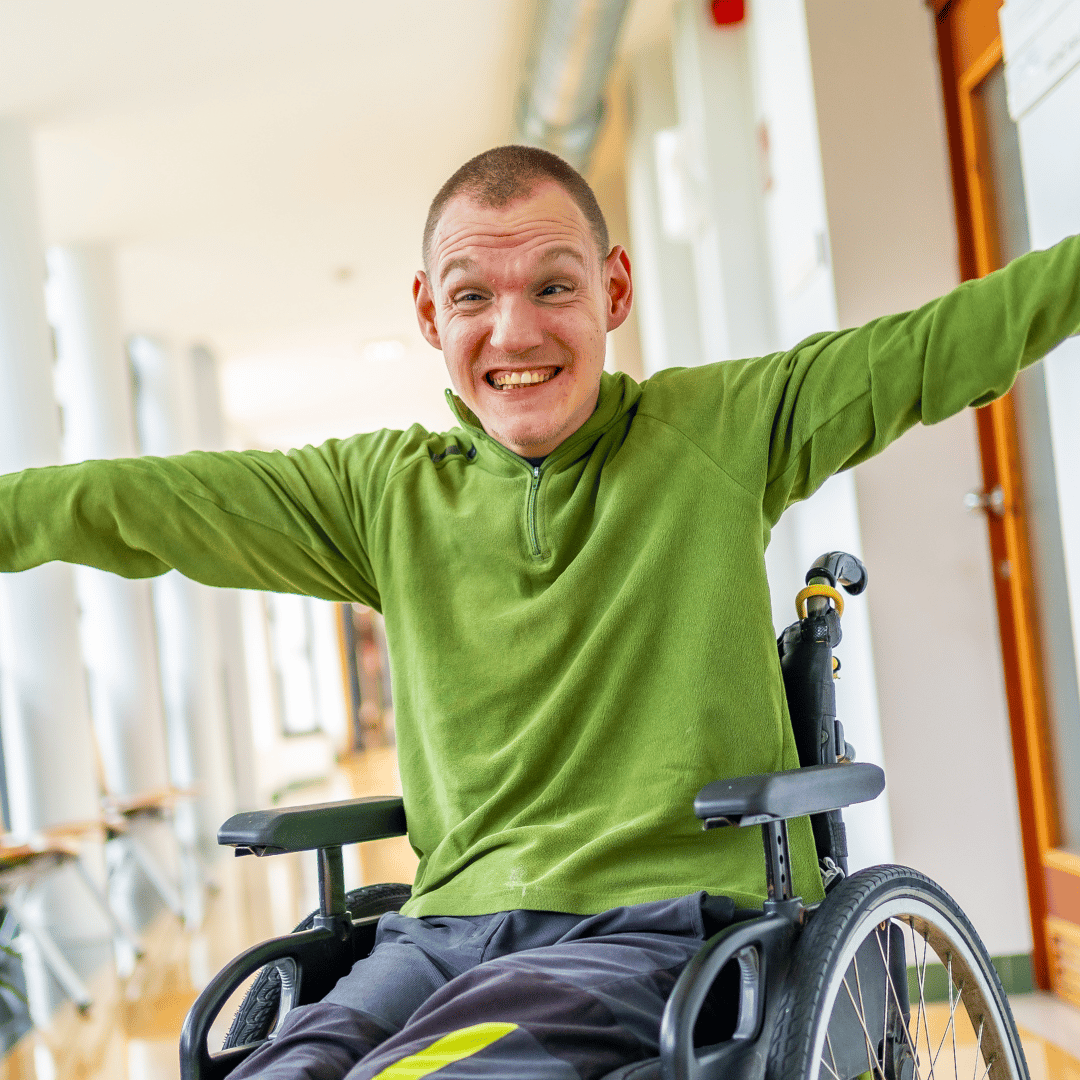
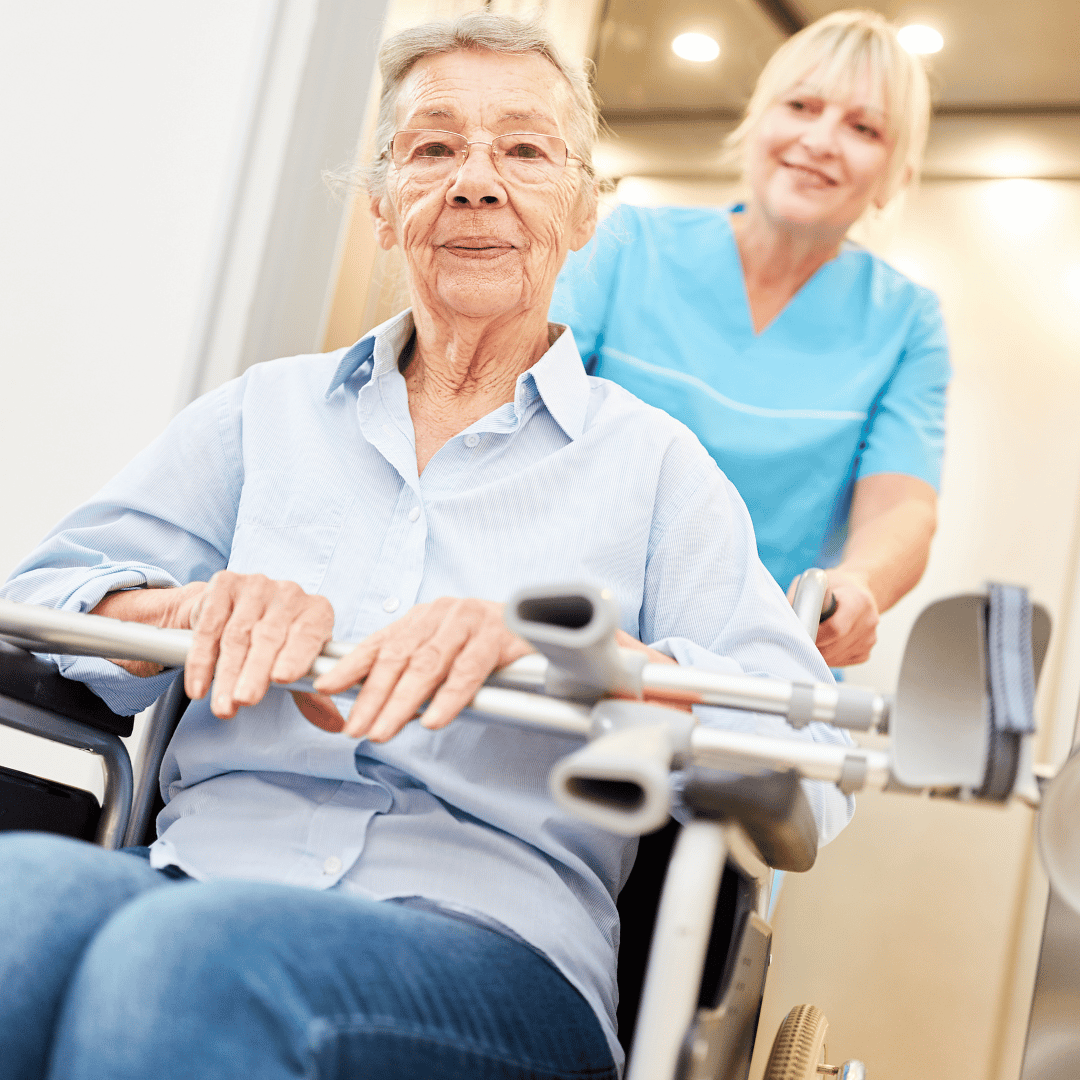
Every year, millions suffer the devastating physical and cognitive effects of an ischemic stroke, leaving patients and their families desperately searching for advanced rehabilitation options. If you are exploring breakthrough medical interventions, stem cell therapy for ischemic stroke in Munich, Germany represents the pinnacle of neuroregenerative medicine. Traditional therapies often focus solely on managing symptoms and preventing secondary strokes, but they frequently hit a plateau in restoring lost motor function.
Today, advanced stroke recovery treatments in Germany are changing the prognosis for survivors. By utilizing the regenerative power of mesenchymal stem cells, top-tier German clinics are actively helping patients rebuild neural pathways, reduce neuroinflammation, and regain their independence. Watch to discover how Munich’s world-class medical infrastructure is providing unprecedented hope for neurological recovery.
Video Chapters & Quick Navigation
When a stroke occurs, time is brain. However, once the acute phase passes, patients are often left with a grim long-term prognosis. Fortunately, the medical landscape is shifting. Advancements in neurological stem cell regeneration for stroke survivors are making headlines globally, and Munich has positioned itself at the epicenter of this medical revolution. Patients from North America, the Middle East, and across Europe are traveling to Germany to access treatments that are currently unavailable or heavily restricted in their home countries.
Understanding Ischemic Stroke and Brain Tissue Damage
An ischemic stroke occurs when a blood clot blocks an artery leading to the brain, severely restricting oxygen and nutrient delivery. As discussed in the video at , this lack of blood flow causes an immediate core of cell death, known as the infarct. Surrounding this dead tissue is a critical area called the ischemic penumbra.
The penumbra consists of brain cells that are severely compromised and lethargic but not yet dead. Traditional medicine focuses heavily on acute interventions—like administering tPA (tissue plasminogen activator) within the first few hours—to dissolve the clot and save this penumbra. However, if the patient misses this narrow window, the damage becomes chronic.
The Limitations of Traditional Stroke Rehabilitation
Standard post-stroke care relies almost entirely on physical, occupational, and speech therapy. While these are vital components of recovery, they only train the surviving brain networks to compensate for the lost tissue. They do not possess the capacity to heal or regenerate the damaged brain structures.
Patients typically experience a plateau in their recovery around the six-month mark. This plateau is precisely why neurological stem cell regeneration for stroke survivors is generating such immense interest. Regenerative medicine aims to go beyond symptom management by fundamentally altering the brain's microenvironment to promote structural healing.
How Stem Cell Therapy for Ischemic Stroke Works
The science behind repairing brain tissue is incredibly complex but highly promising. When patients seek advanced stroke recovery treatments in Germany, they are usually treated using Mesenchymal Stem Cells (MSCs). These adult stem cells are highly prized for their unique neuroprotective and regenerative properties.
Mesenchymal Stem Cells (MSCs) and Neuroregeneration
As detailed in the presentation at , MSCs are multipotent, meaning they can differentiate into a variety of cell types. More importantly for stroke survivors, they secrete a powerful array of neurotrophic factors, cytokines, and extracellular vesicles. This process is known as the paracrine effect.
Once introduced into the patient's body, these stem cells home in on the site of neurological injury. The damaged brain tissue emits inflammatory signals that act like a beacon, drawing the stem cells directly to the ischemic penumbra.
Mechanisms of Action in Brain Tissue Repair
The therapeutic efficacy of mesenchymal stem cells for ischemic stroke recovery relies on three primary mechanisms of action. First is **angiogenesis**, which is the formation of new blood vessels. The stem cells stimulate the vascular network to rebuild, restoring critical blood flow, oxygen, and nutrients to the starved brain regions.
Second is **neurogenesis and synaptogenesis**. The stem cells release growth factors that stimulate the brain's native neural stem cells, encouraging the growth of new neurons and the formation of new synaptic connections. Finally, they provide profound **immunomodulation**. A stroke triggers a massive, often destructive inflammatory response in the brain. MSCs calm this neuroinflammation, preventing further cell death and creating a hospitable environment for neurological healing.
Why Choose Munich, Germany for Neurological Stem Cell Therapy?
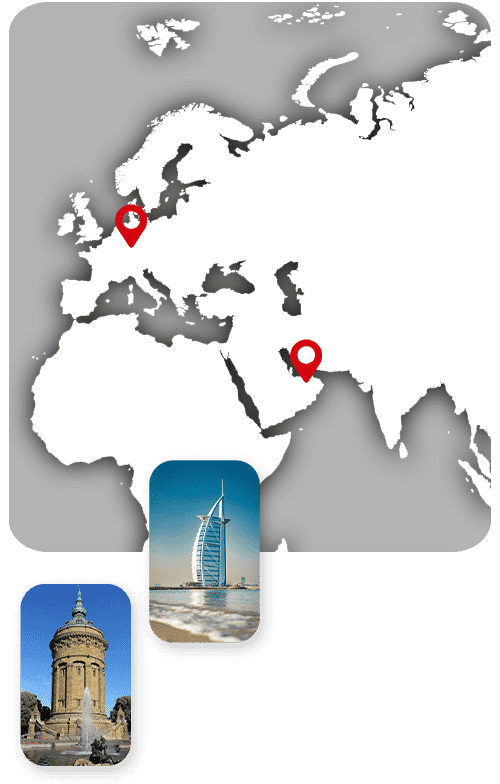
When searching for ischemic stroke stem cell clinical trials and approved therapies, Germany consistently ranks at the top of the global index. Munich, in particular, is an internationally recognized hub for advanced biosciences, combining rigorous academic research with elite clinical application.
World-Class Medical Infrastructure and Research
At , the video highlights Munich’s unique medical ecosystem. The city is home to legendary institutions like the Ludwig Maximilian University, which heavily influences the protocols used in private regenerative clinics. Doctors here are not just practitioners; they are often the leading researchers publishing the very peer-reviewed papers that define modern stem cell science.
Furthermore, the best clinics for stem cell therapy in Munich utilize state-of-the-art laboratory facilities. Culturing stem cells requires exacting environmental controls to ensure cell viability, potency, and absolute sterility. Munich’s clinics invest heavily in clean-room technology that exceeds standard international benchmarks.
Strict Regulatory Standards Guaranteeing Patient Safety
One of the main concerns with medical tourism is regulatory oversight. In Germany, regenerative medicine is tightly regulated by the Paul-Ehrlich-Institut, the Federal Institute for Vaccines and Biomedicines. This ensures that any stem cell therapy for ischemic stroke in Munich Germany adheres to the strictest ethical and safety standards on the planet.
Unlike less regulated destinations where patients might receive unverified or poorly cultured cells, Germany mandates rigorous quality control. Every batch of cells is extensively tested for genetic stability, infectious diseases, and exact cell counts before administration. This unwavering commitment to safety gives patients and their families immense peace of mind.
The Patient Journey: What to Expect During Treatment in Munich
Undergoing medical travel for stroke treatment in Germany is a highly structured process designed to maximize patient comfort and clinical outcomes. The journey begins long before the patient boards a flight, involving comprehensive remote consultations and medical record reviews.
Comprehensive Neurological Evaluation
Upon arriving in Munich, patients undergo an exhaustive neurological baseline assessment. As noted at , this typically includes advanced neuroimaging such as high-resolution MRI or PET scans to precisely map the ischemic damage. Physicians will also conduct detailed motor function, speech, and cognitive tests to establish a baseline. This allows the medical team to tailor the dosage and administration route specifically to the patient's unique brain topography.
The Stem Cell Administration Process
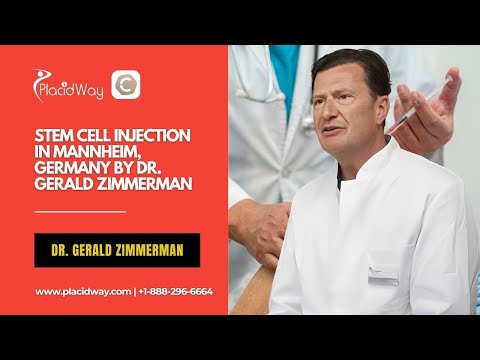
The actual administration of the stem cells is remarkably minimally invasive. Depending on the specific clinic's protocol and the patient's medical history, the stem cells are usually delivered via one of two primary routes.
- Intravenous (IV) Infusion: A systemic approach where cells are infused into the bloodstream. Because stem cells possess a "homing" capability, they naturally migrate toward the inflammatory signals emitted by the damaged brain tissue.
- Intrathecal Injection: A specialized procedure where cells are injected directly into the cerebrospinal fluid via a lumbar puncture. This bypasses the blood-brain barrier, delivering a highly concentrated dose of stem cells directly to the central nervous system.
The procedure is typically performed on an outpatient basis or requires only a brief clinical observation period. Most patients report little to no discomfort during the administration.
Evaluating Patient Candidacy for Stem Cell Therapy
It is vital to understand that stem cell therapy is not a magic cure-all, and not every stroke survivor is an ideal candidate. Munich clinics employ rigorous selection criteria to ensure that treatments are only administered to those who have a strong statistical probability of benefiting from them.
Ideal candidates are typically those who have suffered an ischemic stroke within the last few years, as the brain's neuroplasticity is generally more responsive during this window. However, patients with chronic stroke damage have also demonstrated functional improvements. Patients with active cancers, severe blood disorders, or uncontrolled systemic infections are usually contraindicated. The pre-trip medical consultation is critical for establishing realistic expectations and confirming medical eligibility.
Comparing Costs: Stem Cell Therapy in Germany vs. Global Alternatives
One of the most frequent questions patients have relates to the financial investment. The cost of stem cell treatment for stroke in Munich reflects the premium nature of the medical care, the advanced laboratory culturing processes, and the extensive regulatory oversight. However, when compared to the lifetime costs of ongoing stroke care and loss of income, many families view this as a vital investment in quality of life.
As discussed at , while prices vary based on the required dosage and length of stay, Germany offers highly competitive pricing relative to its tier-one medical status.
| Treatment Location | Average Estimated Cost (USD) | Regulatory Standard |
|---|---|---|
| Munich, Germany | $15,000 - $25,000 | Extremely High (Paul-Ehrlich-Institut) |
| United States | $25,000 - $40,000+ (Mostly restricted/Clinical trials) | High (FDA - Highly Restricted) |
| Mexico / Panama | $12,000 - $20,000 | Moderate |
| Southeast Asia | $10,000 - $18,000 | Variable |
*Note: Prices are estimates and vary based on the individual patient's medical needs, the number of cell infusions required, and customized rehabilitation add-ons.
Expected Neurological Outcomes and Long-Term Recovery Potential
It is crucial to approach neuroregenerative therapy with grounded, scientifically backed expectations. Stem cell therapy is a biological process, not an instant mechanical fix. The healing takes time as the brain utilizes the introduced cells to rebuild its networks.
Patients typically begin to notice subtle changes within 3 to 6 weeks post-treatment, with progressive improvements continuing for up to 6 to 9 months. Common areas of improvement reported by stroke survivors include enhanced motor control in paralyzed or weakened limbs, reduced muscle spasticity, and improvements in balance and coordination.
Beyond motor function, many patients report significant cognitive and emotional benefits. A reduction in "brain fog," improved speech articulation (aphasia recovery), and heightened energy levels are frequently cited outcomes. To maximize these biological gains, top clinics in Munich strongly advocate pairing the stem cell infusion with intensive physical therapy. The stem cells create the biological potential for new pathways, while the physical therapy "wires" those new pathways for functional use.
Preparing for Your Medical Travel to Munich
Organizing medical tourism for stroke treatment in Germany might seem daunting, especially when coordinating travel for a patient with mobility or cognitive challenges. However, Munich is incredibly well-equipped to handle international medical travelers, offering a seamless, highly accessible experience.
Visa Requirements and Accommodation Logistics
Citizens of the United States, Canada, the UK, and many other nations do not require a visa for short-term medical stays in Germany (up to 90 days within the Schengen zone). For patients requiring medical visas, reputable clinics in Munich will provide official letters of invitation and medical necessity to expedite the consulate process.
Flying into Munich International Airport (MUC) is highly convenient, as it is one of Europe's largest and most accessible aviation hubs. The airport features exceptional infrastructure for disabled passengers, including dedicated medical transport services.
Accommodations in Munich range from specialized medical recovery hotels to luxury apartments. Many of the best clinics for stem cell therapy in Munich offer concierge services. These teams assist with booking wheelchair-accessible hotel rooms, arranging specialized ground transportation, and even providing medical translators to ensure you fully understand every aspect of your care.
Combining world-class neuro-rehabilitation with the serene, culturally rich environment of Bavaria provides a holistic healing experience. Patients can focus entirely on their recovery, supported by some of the brightest medical minds in the world, in a city renowned for its safety, cleanliness, and exceptional standard of living.
Take the First Step Toward Neurological Recovery
Do not let traditional rehabilitation limits dictate your future. PlacidWay Medical Tourism connects you directly with top-rated stem cell clinics in Munich, Germany. Get access to elite medical specialists, transparent pricing, and comprehensive medical travel coordination.
GET A FREE MEDICAL CONSULTATION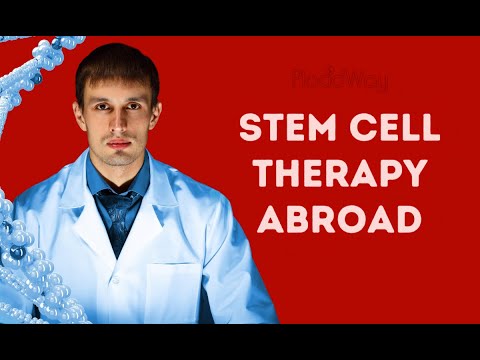

-(7).png)


.png)
-(3).png)
.png)
.png)
.png)
.jpg)
.png)
.png)









Share this listing