


The Complete Guide to Finding the Best Price and Doctor for Stem Cell for Autism in Mexico
Parents seeking breakthrough treatments for Autism Spectrum Disorder are increasingly looking beyond domestic borders for advanced medical care. If you are trying to get the best price and doctor for stem cell for autism in Mexico, you are stepping into a realm of highly advanced regenerative medicine. Mexico has rapidly emerged as a premier global hub for affordable pediatric stem cell therapy, offering world-class medical infrastructure and highly experienced specialists. This comprehensive guide explores treatment protocols, scientific mechanisms, and financial planning to help your family make a confident, informed decision.
Video Chapters & Quick Navigation
Understanding Stem Cell Therapy for Autism Spectrum Disorder
Autism Spectrum Disorder (ASD) is a complex neurodevelopmental condition that affects communication, behavior, and social interaction. For decades, traditional medical approaches have primarily focused on behavioral therapies and psychiatric medications to manage symptoms. However, regenerative medicine has introduced a paradigm shift in how we approach the underlying biological factors of the disorder.
Recent clinical studies suggest that many individuals with autism suffer from chronic neuroinflammation, immune system dysregulation, and reduced blood flow to specific areas of the brain. As discussed in the video at , stem cell therapy specifically targets these physiological anomalies. By introducing potent, undifferentiated cells into the body, the treatment aims to repair damaged tissues and regulate the immune response.
The Science Behind Neuro-Regeneration
When administered into the patient's body, stem cells navigate toward areas of inflammation—a process scientifically known as homing. Once they reach the affected areas of the brain and gut, these cells release cytokines and growth factors. These powerful biochemical signals work to drastically reduce brain inflammation and promote the growth of new blood vessels, a process called angiogenesis.
Furthermore, stem cells possess unique immunomodulatory properties. They help "reset" a hyperactive immune system, which is frequently observed in children diagnosed with ASD. This biological reset can lead to profound improvements in neurological function, paving the way for better cognitive processing and reduced sensory overload.
The Gut-Brain Axis Connection
A significant percentage of children with autism also suffer from severe gastrointestinal issues. Medical researchers now understand that the gut-brain axis plays a critical role in autism symptoms. Stem cells help repair the mucosal lining of the gastrointestinal tract, reducing systemic inflammation that directly impacts brain function.
By healing the gut, patients often experience a reduction in physical discomfort, which naturally leads to decreased behavioral outbursts and improved focus. This dual-action healing mechanism makes regenerative therapy a highly comprehensive approach to treating the multifaceted nature of autism.
Why Choose Mexico for Autism Stem Cell Treatment?
The decision to travel abroad for pediatric medical care is significant, but thousands of families make this journey every year. Mexico has positioned itself as the undisputed leader in Latin American medical tourism, particularly for cellular therapies. The country's regulatory framework allows for the rapid adoption of highly advanced, safe, and effective stem cell treatments that are often restricted by bureaucratic red tape in the United States and Canada.
At , the video highlights how the Mexican Ministry of Health and COFEPRIS (the Mexican equivalent of the FDA) strictly regulate top-tier medical facilities. This ensures that the laboratories cultivating the stem cells adhere to the highest international safety and sterility standards, offering peace of mind to visiting families.
Advanced Medical Infrastructure
The leading clinics in Mexico are not just standard medical offices; they are state-of-the-art hospitals equipped with the latest technology. Cities like Monterrey, Tijuana, and Guadalajara boast medical facilities that rival, and often exceed, the infrastructure found in standard North American hospitals. These centers are specifically designed to handle complex regenerative procedures.
Moreover, these clinics often feature specialized pediatric wings. They understand that treating a child with autism requires a calm, sensory-friendly environment. From the lighting to the staff's training, every detail is optimized to reduce anxiety for both the child and the parents.
Proximity and Accessibility
For patients traveling from the United States or Canada, geographical proximity is a massive advantage. Long-haul flights can be incredibly distressing for a child with sensory processing issues. Mexico offers quick, direct flights to major medical hubs, and in the case of Tijuana, families can simply drive across the border from San Diego.
This easy access significantly reduces travel fatigue. It allows the child to arrive at the clinic rested and calm, which is vital for the smooth administration of cellular treatments. Additionally, the short distance makes follow-up visits and booster treatments much more feasible.
Finding the Best Doctors and Clinics for Cellular Therapy
Securing the best price and doctor for stem cell for autism in Mexico requires careful vetting. The success of regenerative medicine heavily depends on the expertise of the medical team overseeing the procedure. You need a multidisciplinary team that understands both the complexities of stem cell biology and the unique behavioral nuances of autism.
The top regenerative medicine specialists in Mexico typically hold advanced board certifications and have completed fellowships in the United States, Europe, or Japan. As noted at , these doctors are not just practitioners; they are active researchers contributing to global stem cell literature.
Identifying Top-Tier Medical Talent
When evaluating a doctor, look for professionals who specialize specifically in pediatric neurology and regenerative medicine. The best physicians will conduct a thorough, customized medical evaluation of your child before ever recommending a specific cell dosage. They understand that autism is a highly individualized spectrum, and a one-size-fits-all approach is scientifically invalid.
Furthermore, leading doctors collaborate closely with specialized stem cell laboratories. They ensure that the cells used are expanded safely, tested for viability, and administered at the absolute peak of their biological potency. Transparency regarding cell count, cell viability percentages, and origin is a hallmark of a world-class doctor.
Recommended Medical Hubs
While many cities in Mexico offer medical services, a few stand out for cellular therapies. Tijuana is incredibly popular due to its border location, making it highly convenient for American families. The medical cluster here is highly developed, with clinics offering bilingual staff and luxury recovery accommodations.
Monterrey is another leading destination, often referred to as the industrial and medical capital of Mexico. The hospitals in Monterrey are affiliated with top-tier universities, ensuring that the treatments provided are backed by rigorous academic and clinical standards. Guadalajara also offers exceptional medical care with the added benefit of a highly relaxing, culturally rich environment for post-treatment recovery.
Comprehensive Cost Breakdown: Mexico vs. The World
One of the primary driving forces behind medical tourism is the high cost of healthcare in the United States and Europe. Stem cell therapy is rarely covered by insurance since it is often classified as an experimental or alternative treatment. This leaves families to pay entirely out of pocket, which can be financially devastating locally.
At , the video breaks down the financial disparity. In the United States or countries like Panama, identical stem cell protocols can cost upwards of $25,000 to $35,000. In Mexico, the cost is drastically reduced due to lower administrative overhead, favorable exchange rates, and a streamlined healthcare system, without sacrificing safety or quality.
| Location | Estimated Cost (USD) | Typical Cell Count Included | Regulatory Environment |
|---|---|---|---|
| Mexico (Tijuana, Monterrey) | $5,000 - $12,000 | 50 Million - 100+ Million | COFEPRIS Regulated, highly favorable |
| United States | $15,000 - $25,000+ | Highly Restricted (often autologous only) | FDA Restricted (strict limitations) |
| Panama | $20,000 - $30,000 | 40 Million - 80 Million | Favorable but expensive infrastructure |
| Europe (Various) | $18,000 - $28,000 | Variable | EMA Regulated, varying by country |
What is Included in the Price?
When booking a stem cell therapy package in Mexico, the quoted price is typically all-inclusive. This means that the cost covers the pre-treatment medical evaluations, the blood work, the specialized stem cell cultivation in the laboratory, and the actual administration procedure. High-end clinics also include the services of an anesthesiologist if mild sedation is required for a highly active child.
Furthermore, medical tourism facilitators like PlacidWay ensure that logistical costs are factored in or clearly outlined. Packages frequently include VIP airport transfers, bilingual patient concierge services, and ground transportation between your hotel and the clinic. This comprehensive approach ensures families do not encounter hidden medical fees.
Types of Stem Cells Utilized in Autism Treatment
Not all stem cells are created equal, and understanding the cellular biology is crucial for parents. The source and type of stem cells dramatically impact the efficacy of the treatment. For pediatric autism cases, doctors primarily utilize Allogeneic Mesenchymal Stem Cells (MSCs). These are adult stem cells sourced from donated tissue rather than the patient's own body.
As explained at , autologous stem cells (taken from the child's own bone marrow or fat) require invasive surgical extraction. More importantly, in children with autism, their own cells may already carry genetic or inflammatory markers associated with the disorder. Therefore, healthy, heavily screened donor cells are the gold standard.
Wharton’s Jelly and Umbilical Cord Tissue
The highest quality mesenchymal stem cells are derived from Wharton's Jelly, a gelatinous substance found within the umbilical cord. Following a healthy, full-term cesarean birth, the umbilical cord is ethically donated by thoroughly screened mothers. The cells extracted from this tissue are essentially "day zero" cells.
Because these cells are so young, they possess massive replicative capabilities and secrete the highest levels of neurotrophic growth factors. They are also highly immune-privileged. This means they do not express the markers that would trigger an immune rejection in the recipient, completely eliminating the need for dangerous immunosuppressant drugs.
Cellular Potency and Expansion
Top-rated laboratories in Mexico employ advanced cell expansion techniques. They take a small number of these highly potent umbilical cord cells and multiply them in a sterile, temperature-controlled bioreactor. This process allows doctors to administer massive dosages—often between 50 million and 100 million cells—which is necessary to achieve therapeutic outcomes in the brain and gut.
Before administration, these cells undergo rigorous third-party testing for viability, sterility, and endotoxins. The best doctors will proudly provide a "Certificate of Analysis," proving the exact count and life percentage of the cells being infused into your child.
The Pediatric Patient Journey: What to Expect
Traveling for a medical procedure can induce anxiety, but the leading Mexican clinics have refined the patient journey to be as stress-free as possible. The process begins long before you board an airplane. Your chosen specialist will review your child's medical history, previous diagnoses, and current behavioral charts via a secure telemedicine consultation.
Upon arriving in Mexico, you are greeted by a patient coordinator who handles all logistical transitions. At , the video outlines the clinic day. The environment is kept quiet, and staff members are trained to interact with children on the spectrum, minimizing sensory triggers such as bright lights or loud noises.
The Administration Process
The actual administration of the stem cells is remarkably straightforward and minimally invasive. In most pediatric autism cases, the cells are delivered via an Intravenous (IV) infusion. A small, pediatric-sized needle is inserted into a vein, and the stem cells are slowly dripped into the bloodstream along with saline and essential vitamins.
The IV infusion typically takes between 45 minutes to an hour. During this time, the child can sit with their parents, watch their favorite videos on a tablet, or play with soft toys. Because the procedure is virtually painless after the initial pinch, general anesthesia is rarely required, drastically reducing medical risks.
Intrathecal Administration for Severe Cases
In certain severe cases of ASD, the physician may recommend an intrathecal injection. This involves injecting the stem cells directly into the spinal canal, allowing them to bypass the blood-brain barrier and travel immediately to the central nervous system in high concentrations.
If this route is chosen, the clinic will utilize a specialized pediatric anesthesiologist to administer a mild, short-acting sedative. The child will sleep peacefully through the brief 15-minute procedure and wake up in a comfortable recovery room with their parents by their side.
Measuring Developmental Progress and Managing Expectations
It is vital for parents to understand that stem cell therapy is not a "magic cure" that works overnight. Regenerative medicine relies on biological healing, which takes time. The cells need weeks to modulate the immune system, reduce neuroinflammation, and encourage new neural connections.
According to clinical observations mentioned at , parents usually begin to notice subtle changes within the first four to eight weeks post-treatment. These early signs often include improved sleep patterns, better digestion, and a noticeable reduction in hyperactive or aggressive behaviors.
The ATEC Scoring System
To objectively measure progress, top doctors utilize the Autism Treatment Evaluation Checklist (ATEC). Parents complete this detailed questionnaire before the treatment to establish a baseline score. The evaluation covers speech and communication, sociability, sensory awareness, and physical behavior.
Parents are then asked to repeat the ATEC questionnaire every three months after the stem cell therapy. A lower score indicates an improvement in symptoms. Many clinics in Mexico report significant, quantifiable drops in ATEC scores among their pediatric patients within the first six months, providing data-backed proof of the treatment's efficacy.
Long-Term Behavioral Enhancements
As the neuroinflammation subsides, the more profound cognitive benefits begin to manifest. Parents frequently report that their non-verbal children begin attempting to mimic words or form simple sentences. Eye contact typically improves dramatically, and the child's ability to engage in shared play with siblings or peers increases.
Importantly, stem cell therapy often acts as a catalyst for other therapies. When the brain is less inflamed and sensory overload is reduced, traditional interventions like Applied Behavior Analysis (ABA), speech therapy, and occupational therapy become vastly more effective. The child is simply more receptive to learning and behavioral modification.
Navigating the Logistics of Medical Travel
Planning a medical trip to Mexico is far less daunting when utilizing the right resources. Specialized facilitators bridge the gap between international patients and Mexican medical facilities. They handle the complex coordination, ensuring that families can focus entirely on their child's health and comfort.
When you book your stem cell therapy package, every detail from the moment you step off the plane is meticulously planned. Clinics partner with safe, highly-rated hotels that offer spacious suites, full kitchens for dietary restrictions (such as gluten-free or casein-free diets), and quiet environments conducive to recovery.
Safety and Security in Medical Hubs
A common concern for international travelers is safety. Medical tourism hubs in Mexico take the security of their international patients incredibly seriously. Clinics are located in affluent, highly secure commercial districts. Dedicated patient transport vehicles provide point-to-point service from the airport, to the hotel, and directly to the clinic doors.
Millions of Americans travel to Mexico annually for dental work, bariatric surgery, and regenerative medicine without incident. By following the guidance of your dedicated patient concierge and staying within recommended medical districts, your family will experience a safe, welcoming, and profoundly beneficial medical journey.
Taking the Next Step
The journey to unlocking your child's potential begins with accurate information and expert guidance. Mexico stands ready to offer the highest caliber of regenerative medicine at a price point that makes long-term healing accessible. By combining advanced stem cell science with compassionate pediatric care, the top clinics in Mexico are truly changing the trajectory of autism treatment worldwide.
Ready to Explore Stem Cell Therapy for Your Child?
PlacidWay Medical Tourism connects families with top-rated, fully certified regenerative medicine clinics in Mexico. Discover the best doctors, get comprehensive cost estimates, and start planning a transformative journey for your child today.
GET A FREE CONSULTATION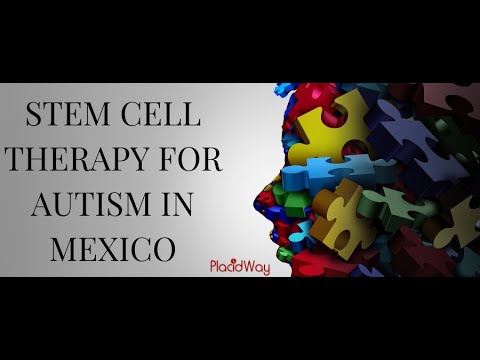
.png)



.png)









Share this listing