


Cerebral Palsy Stem Cell Treatment in India: Advanced Regenerative Medicine and Renewed Hope
Living with a neurological condition presents complex, lifelong challenges for both patients and their families, but modern regenerative medicine is actively rewriting the prognosis. For parents and caregivers exploring advanced therapeutic options, cerebral palsy stem cell treatment in India represents a profound medical breakthrough and a legitimate ray of hope. Historically, traditional medical approaches have only been able to manage symptoms, offering little in the way of neurological repair. However, India has rapidly emerged as a premier global destination for advanced regenerative therapies, seamlessly combining cutting-edge medical technology, highly specialized pediatric neurologists, and intensely compassionate care. This comprehensive guide explores how affordable stem cell therapy for cerebral palsy in India is transforming patient outcomes, facilitating unprecedented improvements in motor function, cognitive processing, and overall quality of life.
Video Chapters & Quick Navigation
The Complex Landscape of Cerebral Palsy
Cerebral palsy is not a single disease, but rather a diverse group of non-progressive neurological disorders that permanently affect body movement, muscle coordination, and posture. The root cause of this condition lies in damage sustained by the developing brain, which typically occurs during pregnancy, during childbirth, or shortly after birth. Because the cerebral cortex is responsible for directing muscle movement, any hypoxic injury (lack of oxygen) or trauma to this region fundamentally disrupts the brain's ability to communicate effectively with the rest of the body. As highlighted at in the video, understanding the exact nature of this neurological damage is the first critical step toward finding an effective intervention.
Traditional treatments for cerebral palsy have long been restricted to symptom management. Orthopedic surgeries aim to release tight muscles, while medications like muscle relaxants and botulinum toxin injections temporarily reduce spasticity. Furthermore, continuous physical and occupational therapies are utilized to prevent contractures and maintain mobility. While these conventional methods are undeniably crucial for daily management, they share one fundamental limitation: they do not address the underlying brain damage. They manipulate the musculoskeletal system to accommodate a compromised neurological system, but they offer no mechanism for repairing the injured brain tissue itself.
This reality has left countless families searching for more profound solutions. Children with severe spastic, dyskinetic, or ataxic cerebral palsy often reach a plateau in their conventional therapies. The frustration of stagnant progress is what drives the medical community to explore the frontiers of regenerative medicine, specifically looking at how we can move beyond simply managing symptoms and begin repairing the source of the deficit.
The Breakthrough of Regenerative Medicine and Stem Cells
The introduction of stem cell therapy into the realm of pediatric neurology marks a monumental paradigm shift. Stem cells are the body's master cells, possessing the unique, inherent ability to self-renew and differentiate into multiple specialized cell types. In the context of neurological disorders like cerebral palsy, the focus is heavily placed on Mesenchymal Stem Cells (MSCs). These incredible cells can be sourced from a patient's own bone marrow (autologous) or from ethically sourced, donated umbilical cord tissue (allogeneic), specifically a substance known as Wharton's Jelly.
Umbilical cord-derived MSCs are often highly favored in pediatric treatments because they are considered "immune-privileged," meaning they are highly unlikely to be rejected by the patient's immune system, eliminating the need for harsh immunosuppressive drugs. Additionally, these cells are extremely young, robust, and possess an incredibly high regenerative capacity compared to adult stem cells. As noted around , when these potent biological agents are introduced into the body, they target areas of profound inflammation and injury, acting as biological catalysts for repair.
The core objective of stem cell therapy for brain injury is to replace damaged neural cells, protect existing healthy cells, and fundamentally alter the hostile, inflamed environment of the injured brain. By altering this microenvironment, stem cells create a fertile ground for the brain's own innate healing processes to take over, a concept that was previously thought impossible in severe cases of cerebral palsy.
Decoding the Mechanisms of Brain Repair
To truly appreciate the value of this treatment, one must understand exactly how stem cells operate once they are introduced into the central nervous system. They do not merely act as generic building blocks; they function as intelligent, targeted repair mechanisms. The therapeutic efficacy of mesenchymal stem cells is driven by several complex biological processes known as the mechanisms of action.
| Mechanism of Action | Biological Description & Impact on Cerebral Palsy |
|---|---|
| Neuroregeneration | Stem cells have the potential to differentiate into neuron-like cells and glial cells, directly replacing tissues that were destroyed by perinatal hypoxia. |
| Paracrine Effect (Trophic Support) | The cells secrete powerful neurotrophic factors (proteins) that stimulate the survival, growth, and differentiation of the brain's existing neural networks. |
| Angiogenesis | Stem cells secrete vascular endothelial growth factor (VEGF), which promotes the formation of new blood vessels. This increases vital blood flow and oxygen to the damaged brain regions. |
| Immunomodulation | Cerebral palsy often involves chronic neuroinflammation. Stem cells actively suppress abnormal immune responses, reducing inflammation and preventing further tissue degradation. |
Through these combined actions, stem cells essentially wake up dormant neurons and facilitate neuroplasticity—the brain's ability to reorganize itself by forming new neural connections. When the brain can forge new pathways to bypass the damaged areas, patients begin to experience measurable improvements in motor control and cognitive function.
Why Choose India for Cerebral Palsy Stem Cell Treatment?
The decision to travel internationally for specialized medical care is immense, yet thousands of families are choosing India each year. India has meticulously cultivated a reputation as a leading global hub for medical tourism, particularly in the highly specialized field of regenerative medicine. The country offers a unique, compelling combination of world-class medical expertise, state-of-the-art infrastructure, and deeply compassionate patient care, all at a fraction of Western costs.
Indian medical centers specializing in stem cell therapy are not experimental pop-up clinics; they are highly regulated, JCI (Joint Commission International) accredited institutions. The medical professionals leading these treatments are often board-certified neurosurgeons, pediatric neurologists, and regenerative medicine scientists who have trained extensively in the United States, the United Kingdom, and Germany. They bring a wealth of global knowledge back to their facilities in cities like Mumbai, Delhi, and Bangalore. Furthermore, India’s apex medical regulatory body, the Indian Council of Medical Research (ICMR), has laid down rigorous guidelines to ensure ethical practices and patient safety in cellular therapies, as referenced at .
Another profound advantage of seeking treatment in India is the elimination of the language barrier. English is widely spoken and is the primary language of medical education and professional communication in the country. From your initial consultation to your daily interactions with nurses and physical therapists, clear, accurate, and empathetic communication is guaranteed, easing the emotional burden on families navigating complex medical landscapes.
Comprehensive Treatment Protocols Explained
When a family arrives in India for cerebral palsy stem cell therapy, they are immediately integrated into a highly structured, multidisciplinary medical protocol. The process begins with a rigorous pre-evaluation phase. Top stem cell hospitals in India conduct extensive blood panels, MRI or PET CT scans of the brain, EEGs, and comprehensive orthopedic assessments to ensure the patient is a viable candidate and to establish a precise baseline of their current neurological status.
The actual administration of the stem cells is typically performed via an intrathecal injection (a lumbar puncture). By injecting the stem cells directly into the cerebrospinal fluid, the cells bypass the blood-brain barrier. This ensures a highly concentrated, direct delivery of the regenerative cells to the central nervous system, maximizing their therapeutic potential. In some customized protocols, intravenous (IV) infusions are also utilized simultaneously to address systemic inflammation throughout the body.
The procedure itself is minimally invasive and is performed under local or light general anesthesia to ensure the child experiences absolutely no pain or trauma. The stem cell infusion usually takes less than an hour, followed by a brief observation period. Because the procedure is so safe and minimally invasive, patients are often able to return to their private hospital suite on the same day, ready to begin the next critical phase of their journey.
Synergistic Rehabilitation: Maximizing Stem Cell Efficacy
One of the most critical aspects of stem cell therapy in India—and a major reason for its high success rate—is the holistic approach to post-treatment care. Leading Indian medical facilities understand that stem cells are the catalyst, but intensive rehabilitation is the architect of recovery. Without the proper stimulus, newly forming neural pathways cannot solidify. As detailed at , an integrated approach is strictly mandatory for optimal results.
- Hyperbaric Oxygen Therapy (HBOT): Patients often undergo HBOT sessions immediately following their infusion. By breathing pure oxygen in a pressurized chamber, oxygen levels in the blood skyrocket. This super-oxygenated environment drastically increases the survival, proliferation, and engraftment rates of the newly injected stem cells.
- Intensive Physical Therapy: Specialized neuro-physiotherapists work daily with the patient to retrain muscles, reduce spasticity, and establish new motor memory patterns, taking full advantage of the brain's newly enhanced neuroplastic state.
- Occupational & Speech Therapy: Fine motor skills, swallowing difficulties, and speech impediments are targeted meticulously, ensuring that improvements translate directly into daily living skills and increased independence.
Realistic Expectations and Measurable Improvements
While stem cell therapy is not a "magic cure" that will instantly reverse cerebral palsy overnight, the measurable improvements experienced by a significant percentage of patients are undeniably life-changing. Medical records and parental testimonials from top Indian clinics showcase a consistent pattern of functional gains that traditional therapies alone rarely achieve.
Common clinical improvements observed in the months following treatment include a marked reduction in muscle spasticity and rigidity, allowing for smoother, more coordinated movements. Many children develop better core strength and head control, progressing from being wheelchair-bound to supported walking or crawling. Furthermore, cognitive gains are frequently reported; parents notice their children exhibiting increased alertness, better attention spans, and vastly improved expressive and receptive language skills.
Additionally, secondary complications of cerebral palsy often see alleviation. Improved gastrointestinal function, better sleep patterns, and a reduction in the frequency and severity of seizures are commonly documented. These holistic improvements dramatically reduce the daily burden of care on families and grant the child a newfound sense of dignity and interaction with the world around them.
The Financial Reality: Cost of Treatment in India
A primary driving factor behind the surge in medical tourism to India is the sheer economic feasibility of advanced treatments. In the United States, Europe, or Australia, cutting-edge regenerative treatments, if available at all, can be prohibitively expensive, often leading to severe financial strain or medical bankruptcy. The cost of medical tourism in India dismantles this financial barrier completely.
As discussed at , comprehensive stem cell therapy packages for cerebral palsy in India typically range from $6,000 to $12,000 USD, depending on the number of stem cell vials required and the length of the rehabilitation stay. This is a staggering 60% to 80% less than comparable treatments in Western nations.
Importantly, this lower cost does not correlate with lower quality. The price difference is primarily driven by India's lower cost of living, reduced administrative overhead, and advantageous currency exchange rates. Furthermore, Indian medical packages are typically all-inclusive. They frequently cover the stem cell procedure, comprehensive pre-operative diagnostics, several weeks of intensive in-patient rehabilitation, a private hospital suite for the patient and a companion, and even VIP airport transfers.
Navigating the Medical Tourism Journey
Embarking on a cross-continental journey for medical treatment can feel incredibly daunting, especially when traveling with a child with special needs. However, the medical tourism infrastructure in India is remarkably robust and explicitly designed to hold the hands of international patients from start to finish.
The process begins long before boarding a flight. By partnering with established global medical facilitators, families can have their child's medical records and MRIs reviewed remotely by top Indian neurologists free of charge. Once accepted as a candidate, the hospital assists in issuing a formal Medical Visa invitation letter, which drastically expedites the visa approval process through the Indian embassy.
Upon arrival, families are greeted at the airport by dedicated international patient coordinators. These multilingual professionals act as personal liaisons throughout the entire stay, managing hospital admissions, translating complex medical jargon if necessary, handling local transportation, and ensuring dietary preferences are met. This level of concierge medical service allows parents to focus 100% of their energy on supporting their child's healing process, entirely free from logistical stress.
Ensuring Safety and Quality Control in Cellular Biologics
When dealing with cellular therapies, the quality, viability, and safety of the stem cells are paramount. India's top regenerative medicine facilities utilize state-of-the-art, Good Manufacturing Practice (GMP) certified laboratories. These strict, clean-room environments ensure that all cellular products are processed under the most rigorous international sterility standards.
Before any stem cell batch is cleared for patient use, it undergoes exhaustive screening. This includes comprehensive testing for infectious diseases (HIV, Hepatitis, Syphilis), bacterial and fungal contamination, and chromosomal abnormalities. Furthermore, cell counting and viability testing ensure that the patient receives a highly potent, active dose of mesenchymal stem cells, maximizing the potential for neuroregeneration as highlighted at .
The long-term safety profile of mesenchymal stem cell therapy for pediatric neurological disorders is exceptionally strong. Because MSCs do not possess the ability to form tumors (unlike embryonic stem cells) and are immune-privileged, the risk of adverse reactions or graft-versus-host disease is virtually negligible. Patients are closely monitored throughout their stay, and comprehensive follow-up protocols are established via telehealth consultations long after the family has returned to their home country.
Choosing to pursue cerebral palsy stem cell treatment in India is a major decision, but it is one grounded in scientifically backed hope. By blending advanced biologics, synergistic neuro-rehabilitation, and immense cost-effectiveness, Indian medical centers are providing families with the tools they need to unlock their child's true potential.
Take the First Step Toward Healing
Do not let conventional limitations dictate your child's future. PlacidWay Medical Tourism connects you directly with India's top-rated, accredited stem cell hospitals. Discover affordable, world-class regenerative medicine tailored to your specific needs.
GET A FREE MEDICAL QUOTE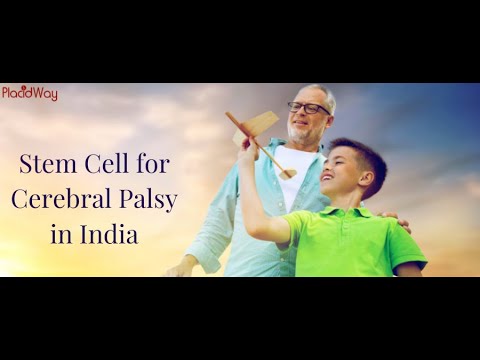
















Share this listing