


Affordable Stem Cell Therapy for Kidney Failure in India: The Complete Patient Guide
For millions of patients worldwide facing the harsh reality of end-stage renal disease, the physical and financial toll of lifelong dialysis is overwhelmingly burdensome. Fortunately, affordable stem cell therapy for kidney failure in India is rapidly emerging as a groundbreaking, scientifically advanced alternative. By harnessing the body's intrinsic healing mechanisms, regenerative medicine offers hope where traditional treatments fall short.
Rather than merely managing symptoms or joining years-long transplant waitlists, international patients are discovering world-class regenerative treatments in major Indian medical hubs. This guide explores how highly accredited clinics are utilizing advanced cellular therapies to improve renal function, restore quality of life, and provide viable solutions at a fraction of Western costs.
Video Chapters & Quick Navigation
The Growing Epidemic of Chronic Kidney Disease
Chronic Kidney Disease (CKD) affects approximately 10% of the global population, leading to progressive and irreversible loss of renal function. For decades, the standard protocol for managing this debilitating condition has remained remarkably stagnant. Patients are typically monitored as their Glomerular Filtration Rate (GFR) steadily declines, eventually leading to End-Stage Renal Disease (ESRD).
Once the kidneys fail, the medical options become severely limited. Traditional allopathic medicine offers only two primary interventions: lifelong dialysis or a kidney transplant. As highlighted in the video at , dialysis is an exhausting, time-consuming process that merely acts as an artificial filter. It does not heal the damaged renal tissues, nor does it address the root cause of the kidney failure.
Furthermore, kidney transplants are fraught with their own set of profound challenges. The global shortage of matched organ donors means patients languish on waiting lists for years. Even when a transplant is successful, patients must endure a lifetime of expensive immunosuppressant medications to prevent organ rejection. This harsh reality has driven the medical community to aggressively pursue regenerative medicine as a viable alternative.
The Science Behind Cellular Regeneration for Kidneys
Regenerative medicine fundamentally changes the approach to treating organ failure. Rather than replacing the organ or artificially mimicking its function, affordable stem cell therapy for kidney failure in India focuses on repairing the existing damaged tissue. This is achieved primarily through the use of Mesenchymal Stem Cells (MSCs).
The Role of Mesenchymal Stem Cells (MSCs)
Mesenchymal Stem Cells are multipotent adult stem cells that possess extraordinary regenerative capabilities. They can be ethically harvested from a patient's own body (autologous)—typically from bone marrow or adipose (fat) tissue—or sourced from carefully screened umbilical cord tissue (allogeneic). These cells are unique because they are highly immunomodulatory, meaning they actively regulate the immune system to reduce harmful inflammation.
When introduced into a patient suffering from CKD, these specialized cells perform several critical functions. First, they execute a process known as "homing," where they autonomously migrate to areas of acute tissue damage and inflammation within the renal system. Once they arrive at the damaged nephrons, they begin their regenerative work.
Paracrine Signaling and Neovascularization
The primary mechanism of action is not necessarily the stem cells transforming into new kidney cells, but rather their paracrine signaling ability. As explained around the mark, MSCs release a powerful cocktail of growth factors, cytokines, and exosomes. These biological signals stimulate the patient's existing dormant cells to begin repairing damaged structural components of the kidney.
Additionally, stem cells promote neovascularization—the formation of new blood vessels. Poor blood flow is a major contributor to renal decline. By stimulating new micro-vessel growth, stem cells enhance oxygen and nutrient delivery to the kidneys, creating an optimal environment for tissue repair and functional recovery.
Why India is the Global Epicenter for Regenerative Medicine
Medical tourism for advanced therapies is growing exponentially, and India has positioned itself firmly at the forefront of this movement. Patients traveling from the United States, the United Kingdom, Canada, and Australia are increasingly choosing Indian medical centers over domestic options or other international hubs. The reasons for this shift are multifaceted.
World-Class Medical Infrastructure
India boasts a vast network of Joint Commission International (JCI) and National Accreditation Board for Hospitals & Healthcare Providers (NABH) accredited facilities. These certifications guarantee that the clinical environments, laboratory sterilization protocols, and patient safety measures meet or exceed the highest global standards. The stem cell laboratories in major Indian cities are equipped with state-of-the-art cGMP (Current Good Manufacturing Practice) cleanrooms.
Expert Medical Professionals
The specialists administering stem cell treatment for chronic kidney disease in India are among the most highly trained in the world. Many Indian nephrologists and regenerative medicine scientists have completed extensive fellowships in the United States, Germany, and the UK. They bring global best practices back to India, combining them with innovative clinical applications that are often restricted by bureaucratic red tape in Western nations.
Furthermore, the language barrier is virtually nonexistent. English is the primary language of medical education and professional communication in India. International patients can communicate directly and deeply with their leading physicians, ensuring full comprehension of their treatment plans without the need for translators.
Comprehensive Treatment Protocols for Renal Patients
The approach to regenerative medicine in India is highly personalized. Leading medical centers do not use a "one-size-fits-all" methodology. Instead, each patient undergoes a rigorous pre-treatment evaluation to determine their specific stage of kidney disease, underlying comorbidities (such as diabetes or hypertension), and overall cellular health.
Autologous vs. Allogeneic Cell Therapies
During the consultation phase, doctors will determine the best source of stem cells. For patients with relatively healthy bone marrow or fat reserves, autologous stem cell extraction is preferred. This involves a minimally invasive procedure to harvest the patient's own cells, which are then purified and concentrated in the lab.
However, for older patients or those with severe systemic illness, allogeneic Wharton's Jelly-derived mesenchymal stem cells are often utilized. These cells, sourced from ethically donated umbilical cords, are exceptionally robust, youthful, and highly effective at reducing renal inflammation. Because MSCs are immune-privileged, they do not trigger a rejection response in the recipient's body.
Targeted Delivery Mechanisms
The success of affordable stem cell therapy for kidney failure in India relies heavily on precise administration. While some clinics use standard intravenous (IV) drips for systemic regenerative effects, advanced centers utilize targeted delivery. Using ultrasound or fluoroscopic guidance, specialists can inject stem cells directly into the renal artery.
This targeted approach ensures that the maximum concentration of regenerative cells reaches the damaged nephrons directly, bypassing the pulmonary first-pass effect where cells can get trapped in the lungs. This precision significantly amplifies the therapeutic outcomes and accelerates the healing timeline.
Shattering the Financial Barriers: In-Depth Cost Comparison
The primary catalyst driving patients across borders is the prohibitive cost of regenerative medicine in Western countries. In the United States, experimental stem cell treatments are rarely covered by insurance and can financially devastate a family. The cost of stem cell therapy for renal failure in America typically ranges from $25,000 to an astounding $50,000 per session.
In stark contrast, highly accredited medical centers in India provide the exact same caliber of treatment for a fraction of the cost. A comprehensive medical package in India generally falls between $6,500 and $12,000. This dramatic price difference is not a reflection of lower quality care, but rather the result of India's lower cost of living, favorable exchange rates, and highly efficient medical ecosystem.
| Treatment / Procedure | Cost in USA/UK | Cost in India | Estimated Savings |
|---|---|---|---|
| Stem Cell Therapy for CKD (Full Protocol) | $25,000 - $50,000 | $6,500 - $12,000 | Up to 75% |
| Annual Hemodialysis Maintenance | $75,000 - $90,000 | $8,000 - $15,000 | Up to 80% |
| Comprehensive Medical Diagnostics | $3,000 - $5,000 | $400 - $800 | Up to 85% |
It is crucial to understand that Indian medical tourism packages are overwhelmingly "all-inclusive." When a patient coordinates through facilitators like PlacidWay, the quoted price routinely covers not just the stem cell laboratory fees and physician costs, but also airport transfers, diagnostic imaging, multi-day hospital stays, and dedicated nursing care.
Navigating the Medical Tourism Journey
For many patients, traveling across the globe for a medical procedure can feel intimidating. However, the medical tourism infrastructure in India is designed to provide a frictionless, highly supportive experience from the moment of inquiry until the patient returns safely home.
Initial Telemedicine Consultation
The journey begins long before a flight is booked. Patients submit their latest medical records, blood panels, and ultrasound reports through secure digital portals. Indian nephrologists review these files meticulously to determine if the patient is a viable candidate for regenerative medicine. A comprehensive telemedicine video call is then scheduled to discuss the prognosis, answer questions, and set realistic expectations.
Arrival and Medical Diagnostics
Upon arrival in cities like New Delhi, Mumbai, or Bangalore, patients are greeted at the airport by a dedicated patient coordinator. They are transferred to their hospital or premium recovery hotel. The first clinical day is dedicated to extensive diagnostics. Advanced blood profiling, renal Doppler ultrasounds, and immunological screenings ensure the patient is in optimal condition to receive therapy safely.
The Administration Phase
As noted at , the actual administration of the stem cells is remarkably streamlined. If utilizing umbilical cord MSCs, the cells are thawed and prepared in the on-site cleanroom. The patient receives the infusion in a highly comfortable, monitored environment. The procedure typically takes only a few hours, requires no general anesthesia, and causes minimal discomfort.
Realistic Expectations: Success Rates and Outcomes
While regenerative medicine is incredibly promising, ethical clinics in India emphasize transparency regarding outcomes. Stem cell therapy is not a magical overnight cure for end-stage renal disease, but rather a powerful biological tool designed to halt disease progression and incrementally restore lost function.
Clinical data from leading Indian regenerative centers indicates that a significant percentage of patients experience measurable improvements. The primary metric for success is the stabilization or improvement of the Glomerular Filtration Rate (GFR). Patients often report a noticeable reduction in the frequency of required dialysis sessions, and in some early-to-mid stage cases, patients have successfully transitioned off dialysis entirely.
Beyond clinical markers, the impact on daily quality of life is profound. Patients consistently report dramatic improvements in their energy levels, a reduction in systemic swelling (edema), better appetite, and clearer cognitive function. By lowering the systemic inflammation that drives kidney deterioration, stem cells grant patients a renewed sense of vitality and independence.
Preparing for Your Medical Trip to India
Proper preparation is the key to a successful medical journey. Securing a Medical Visa (M-Visa) is required for patients traveling to India for clinical procedures. This visa process is highly streamlined by the Indian government to support the medical tourism sector. Your chosen hospital will provide an official invitation letter to expedite your application.
Dietary and Lifestyle Support
Recovery does not end when the stem cells are infused. To maximize the survival and engraftment of the new cells, patients must adhere to specific dietary guidelines. Indian hospitals provide comprehensive nutritional counseling, ensuring patients maintain a kidney-friendly diet low in sodium, phosphorus, and artificial preservatives. The holistic approach in India often integrates supportive therapies like targeted physiotherapy and stress-reduction techniques to optimize cellular healing.
Post-treatment follow-up is managed digitally. Patients return home and continue to monitor their blood work locally, sharing the results with their Indian medical team at 1-month, 3-month, and 6-month intervals. This continuous loop of care ensures that the long-term regenerative effects are carefully tracked and supported.
A New Horizon in Renal Care
The paradigm of kidney disease management is shifting rapidly. The archaic reliance solely on dialysis and the grueling wait for transplants are being challenged by the remarkable capabilities of cellular medicine. High-volume long-tail keywords point to a massive surge in patients actively seeking a regenerative medicine alternative to kidney transplants.
By choosing an accredited medical tourism package in India, patients unlock access to cutting-edge science, deeply compassionate care, and profound financial relief. You no longer have to accept a declining quality of life as an inevitability. The technology to repair, regenerate, and restore is available today, and it is more accessible than ever before.
Take Control of Your Kidney Health Today
Stop letting kidney failure dictate your life. PlacidWay Medical Tourism connects you with top-rated, globally accredited regenerative medicine clinics in India. Discover how affordable stem cell therapy can revitalize your health.
GET A FREE QUOTE & CONSULTATION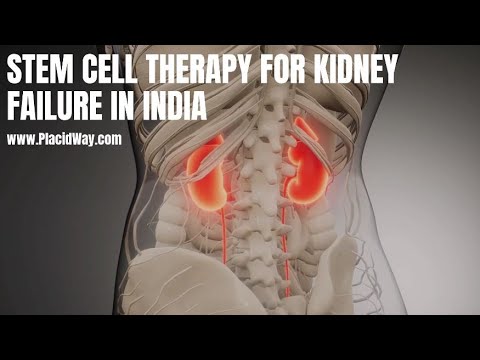



.png)
.png)
.png)
.png)



Share this listing