


Uncharted Waters: A Dallas Father's Pursuit of Autism Stem Cell Treatment in Gujarat, India
When traditional therapies reach their limits, parents often navigate uncharted waters to find hope for their children. For one family, this meant crossing the globe to pursue autism stem cell treatment in Gujarat, India. This deeply personal journey of a Dallas father highlights the rapidly growing global shift toward advanced regenerative medicine for Autism Spectrum Disorder (ASD). As conventional options in the United States present clinical limitations and exorbitant costs, international medical tourism is offering unprecedented medical possibilities. Explore this remarkable story of parental determination, groundbreaking medical innovation, and healing.
Video Chapters & Quick Navigation
The Reality of Autism Spectrum Disorder
Receiving an Autism Spectrum Disorder (ASD) diagnosis fundamentally changes the trajectory of a family's life. For the Dallas-based family featured in our story , the initial realization brought forth a wave of emotional complexity. Parents are instantly thrust into a demanding world of medical consultations, behavioral assessments, and endless research.
Autism is characterized by challenges with social skills, repetitive behaviors, speech, and nonverbal communication. The severity of these symptoms can vary wildly from one child to the next. This neurological variance makes finding a universal treatment plan incredibly difficult for domestic healthcare systems.
Often, families are told that management is the only viable path forward. This prognosis can feel disheartening for parents who desperately want to give their children the highest possible quality of life. The drive to find something more effective than simple symptom management is what sparks the pursuit of alternative medical pathways.
Navigating the Limits of Traditional US Care
In the United States, the standard of care for autism heavily relies on Applied Behavior Analysis (ABA), speech therapy, and occupational therapy. While these behavioral interventions are absolutely crucial , they primarily address the external symptoms of the disorder. They do not target the underlying neurological inflammation that many modern medical researchers believe contributes heavily to ASD.
Furthermore, these therapies require years of continuous, grueling sessions. The financial burden of funding these long-term therapies can completely drain a family's savings, even with premium health insurance. Families often find themselves locked in a frustrating cycle of plateauing progress.
Psychiatric medications are sometimes prescribed to manage severe irritability or aggression associated with autism. However, these pharmaceuticals come with a lengthy list of severe side effects. The desire to avoid heavy sedation and systemic side effects pushes parents to seek out regenerative medicine for autism spectrum disorder.
The Science Behind Stem Cell Therapy for Autism
Regenerative medicine has introduced a paradigm shift in how the medical community views neurodevelopmental disorders. Stem cell therapy for autism focuses on the root biological causes, primarily targeting neuro-inflammation and immune system dysregulation . This is a massive departure from standard psychiatric care.
How Mesenchymal Stem Cells (MSCs) Work
The most common type of cell utilized in these protocols is the Mesenchymal Stem Cell (MSC). MSCs are highly valued in regenerative medicine because they possess powerful immunomodulatory properties. When introduced into the body, they actively seek out areas of severe inflammation and begin to repair damaged tissues.
In patients with autism, it is hypothesized that neuro-inflammation hinders proper neural connectivity. MSCs secrete growth factors and cytokines that promote neurogenesis—the creation of new neurons. This paracrine effect helps to repair the damaged neural pathways that dictate speech, social interaction, and cognitive processing.
The Regulatory Landscape
Despite promising clinical trials and thousands of anecdotal success stories, the FDA strictly regulates stem cell treatments in the United States. Many advanced regenerative protocols remain inaccessible to the general public. This regulatory bottleneck forces families to look beyond their own borders for life-changing pediatric care.
Why Choose Gujarat, India for Stem Cell Treatment?
India has rapidly ascended as a global powerhouse for advanced medical tourism, with the state of Gujarat emerging as a specific hub for regenerative medicine. The medical infrastructure in cities like Ahmedabad rivals the technological capabilities found in top-tier Western hospitals . This presents a unique opportunity for families seeking specialized pediatric care.
Gujarat is home to highly specialized, internationally accredited neuro-regenerative facilities. The physicians and researchers operating these clinics frequently hold advanced certifications from medical boards in the UK, the US, and Germany. They bring a wealth of global expertise back to their highly controlled, state-of-the-art Indian laboratories.
Furthermore, the ethical guidelines and patient safety protocols enforced in top Gujarat medical centers are incredibly stringent. Facilities utilize comprehensive cell screening, advanced cultivation techniques, and rigorous sterility testing. This ensures that the stem cells administered are of the highest possible vitality and completely free from contaminants.
A Father's Journey: Seeking Answers Abroad
The decision to board an international flight with a neurodivergent child is never made lightly. For the Dallas father in our narrative, the journey required immense logistical planning and unyielding emotional fortitude . Leaving the comfort of a familiar healthcare system is a leap of faith.
Months of rigorous research preceded the actual trip. The family connected with medical facilitators, poured over peer-reviewed journals, and spoke directly with other parents who had completed the same journey. Hearing firsthand autism stem cell treatment success stories provided the necessary confidence to move forward.
Traveling to Gujarat involved coordinating specialized travel accommodations to ensure the child remained calm during the long transit. The remarkable hospitality of the Indian medical staff upon arrival provided immediate relief. The care team understood the unique sensory needs of their pediatric patient, ensuring a calm, supportive environment from day one.
The Economics of Healing: Cost Breakdown
One of the primary driving factors behind medical tourism for autism treatment is the stark difference in healthcare costs. Families often face an impossible financial burden when seeking private, out-of-pocket regenerative therapies in North America . Gujarat offers a financially viable alternative without compromising on medical excellence.
While a single round of unapproved, heavily restricted stem cell therapy in the US or Central America can cost upwards of $25,000 to $35,000, India provides comprehensive packages at a fraction of the cost. These packages frequently bundle the medical procedure, hospital stays, and even local transit.
| Expense Category | Estimated Cost in US/Panama | Estimated Cost in Gujarat, India |
|---|---|---|
| Stem Cell Procedure | $20,000 - $30,000 | $6,000 - $12,000 |
| Specialist Consultations | $500 - $1,500 | Included in Package |
| Hospital Stay (per night) | $1,000 - $2,500 | $100 - $250 (often included) |
| Pre-Treatment Labs/Scans | $2,000 - $4,000 | $300 - $600 |
By opting for affordable autism treatment in Gujarat, parents can reallocate their financial resources. Savings can be funneled back into continued occupational therapies, special education programs, and at-home support systems that reinforce the child's neurological development post-treatment.
Inside the Stem Cell Treatment Process
Understanding the clinical timeline helps alleviate the severe anxiety parents feel prior to the trip. The protocol in top Gujarat facilities is highly organized, patient-centric, and intensely monitored . The child's comfort and safety dictate the pace of the entire procedure.
1. Comprehensive Pre-Evaluation
Upon arrival, the pediatric patient undergoes a battery of neurological assessments. Blood panels, neurological imaging, and pediatric behavioral consultations are conducted to establish a definitive baseline. This allows the medical team to customize the exact cell dosage required.
2. The Infusion Phase
The actual administration of the stem cells is remarkably straightforward. Most protocols utilize an intravenous (IV) drip or an intrathecal injection to bypass the blood-brain barrier directly. The procedure is minimally invasive, usually completed within a few hours, and conducted under careful medical supervision.
3. Post-Procedure Observation
Patients remain in the facility for observation to ensure there are no adverse allergic reactions. The medical staff in Gujarat are highly trained in handling children with severe sensory aversions. They utilize specialized calming techniques to ensure the child remains comfortable during this brief recovery window.
Expected Outcomes and Managing Parental Expectations
It is vital for parents to understand that stem cell therapy is not a magical overnight cure. It is a powerful, biological catalyst designed to optimize the brain's ability to heal and learn . Managing expectations is a critical part of the therapeutic journey.
Post-treatment progress typically unfolds gradually over a period of three to six months. During this time, the newly introduced cells reduce brain inflammation and promote the healing of damaged neural networks. Parents often document these subtle but profound developmental milestones.
- Enhanced Eye Contact: One of the earliest reported improvements is a child's newfound ability to maintain sustained, meaningful eye contact with family members.
- Speech and Articulation: Non-verbal children frequently begin attempting to vocalize needs, while verbal children often demonstrate expanded vocabularies and clearer sentence structures.
- Reduced Hyperactivity: A notable decrease in aggressive outbursts, self-harming tendencies, and severe repetitive behaviors (stimming).
- Improved Sleep Patterns: Deep, restorative sleep often returns, providing immense relief to both the child and their exhausted caretakers.
Preparing for Your Medical Trip to India
Traveling across the globe for a medical procedure requires meticulous logistical preparation. Utilizing a dedicated medical tourism facilitator can eliminate the vast majority of the stress associated with international travel . Proper planning ensures the family can focus entirely on their child's healing process.
First, secure all necessary medical visas well in advance. The Indian government provides specific "Medical Visas" for international patients, which expedite the entry process. Facilitators generally assist with the heavy paperwork required by consulates and embassies.
Second, compile an exhaustive medical dossier. Bring physical and digital copies of the child's diagnostic reports, past therapy notes, genetic tests, and current medication lists. Providing the doctors in Gujarat with a complete medical history prevents redundant testing and accelerates the treatment timeline.
A Global Shift Towards Accessible Regenerative Care
The brave decision of a Dallas father to cross oceans for his son's health is no longer an isolated incident. It represents a massive paradigm shift in modern healthcare. Families are refusing to accept limitations dictated by regional regulations and prohibitive local costs.
Gujarat, India has solidified its reputation as a sanctuary for those seeking cutting-edge regenerative medicine for autism spectrum disorder. The combination of brilliant medical minds, advanced clinical technology, and deep-rooted cultural hospitality creates an unmatched healing environment.
As science continues to validate the efficacy of stem cell therapy for neurological disorders, the pathway blazed by these pioneering families will only widen. True medical freedom means having the ability to access the best possible care for your child, regardless of geographic borders.
Ready to Explore Stem Cell Therapy for Your Child?
PlacidWay Medical Tourism connects families with top-tier, accredited regenerative medicine clinics in Gujarat, India. Discover affordable, world-class autism treatment options and let our experts guide your medical journey.
REQUEST FREE INFORMATION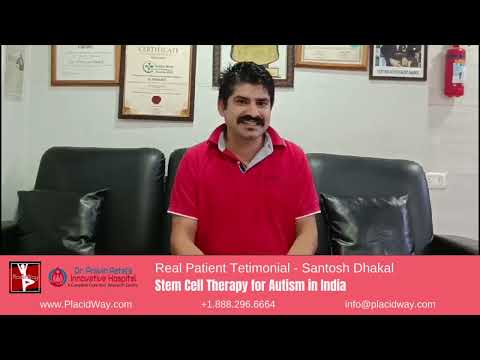













Share this listing