


Transforming Smiles: How US Patients Access Elite Dental Makeovers Abroad
For countless individuals across the United States, achieving a flawless, healthy smile feels completely out of reach due to astronomical domestic healthcare costs. Complex dental procedures often require taking on massive debt, forcing many to live with chronic pain and compromised aesthetics. However, a rapidly expanding global movement of medical travel is changing lives every single day.
In this compelling case study, we explore the life-changing journey of a US patient who decided to look beyond their local borders to transform their dental health. By stepping outside the restrictive American healthcare system, they gained unprecedented access to elite cosmetic dentistry, world-class specialists, and premium materials at a fraction of the expected price. Watch the video to discover how an affordable smile makeover for US patients is no longer just a distant dream, but a highly accessible and safe reality.
Video Chapters & Quick Navigation
The Financial Reality of US Dental Care
The United States boasts some of the most advanced medical technology in the world, yet millions of its citizens cannot afford basic restorative dentistry. A comprehensive smile makeover in America can easily cost between $30,000 and $80,000, depending on the complexity of the case. For the average American patient, these numbers represent an insurmountable financial barrier.
Even those with employer-sponsored dental insurance quickly find themselves overwhelmed by out-of-pocket expenses. Most traditional dental insurance plans in the US carry an annual maximum benefit of just $1,000 to $2,000. When a single titanium dental implant costs upwards of $4,000, insurance coverage is depleted before the restoration is even partially completed.
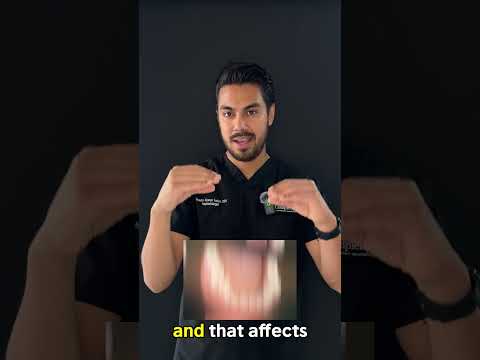
As noted at in the video, this financial strain leaves many Americans feeling trapped. They are forced to choose between taking out high-interest medical loans, depleting their life savings, or simply living with deteriorating oral health. Living with severe dental issues goes far beyond physical pain; it deeply impacts an individual's self-esteem, social interactions, and professional opportunities.
The Hidden Costs of Local Treatment
Beyond the sticker price of the procedures themselves, local dental treatments often involve numerous hidden fees. Patients are routinely billed separately for initial consultations, panoramic X-rays, 3D CBCT scans, anesthesia, and facility fees. These ancillary costs can add thousands of dollars to the final bill before a single tooth is even repaired.
Furthermore, complex restorative work in the US is often stretched out over many months or even years. This prolonged timeline requires patients to take excessive time off from work to attend multiple disjointed appointments. The cumulative loss of income only exacerbates the overall financial burden of seeking care domestically.
When patients finally realize the totality of these expenses, the search for an affordable smile makeover for US patients naturally shifts toward international alternatives. The global healthcare market has responded to this crisis by offering premium services designed specifically for medical tourists seeking quality and affordability.
The Rise of International Smile Makeovers
The concept of traveling abroad for medical care is not a new phenomenon, but the scale at which Americans are seeking cross-border cosmetic dentistry is unprecedented. Modern dental tourism is no longer seen as a risky alternative; rather, it is recognized as a strategic choice for savvy consumers. High-quality cosmetic dentistry overseas offers a lifeline to those who refuse to compromise on their health due to local pricing.
As highlighted around in the case study, international clinics have evolved into state-of-the-art medical sanctuaries. These facilities are specifically engineered to cater to the needs, expectations, and comfort levels of North American and European patients. They offer concierge-level services that manage every aspect of the patient's journey from arrival to departure.
By operating in countries with a lower cost of living and more favorable medical liability structures, these clinics can dramatically reduce their overhead. These massive operational savings are then passed directly to the patient. However, lower prices do not equate to a lower standard of care; in fact, the competitive nature of global medical tourism forces these clinics to maintain exceptionally high standards to attract foreign clientele.
Global Expertise and Advanced Training
A common misconception regarding dental tourism is the assumption that foreign doctors lack adequate training. The reality completely contradicts this outdated narrative. The leading dental specialists operating in popular tourist destinations frequently hold advanced degrees, fellowships, and board certifications from prestigious institutions in the United States, the United Kingdom, and Germany.
These highly educated professionals bring international best practices back to their home countries. They are deeply integrated into global dental associations and regularly attend international symposiums to stay updated on the latest clinical advancements. Consequently, US patients receive care from doctors whose expertise matches, and sometimes exceeds, their local counterparts.
Moreover, these international clinics often employ a multidisciplinary approach under a single roof. Instead of being referred out to separate offices for endodontics, oral surgery, and prosthodontics, patients benefit from a collaborative team of specialists working together. This centralized model ensures seamless communication and highly efficient treatment timelines.
Core Components of a Complete Makeover
A full smile makeover is not a one-size-fits-all procedure. It is a highly customized, comprehensive treatment plan designed to address both the functional and aesthetic aspects of a patient's mouth. When US patients travel abroad, they undergo a rigorous diagnostic phase to determine the precise combination of treatments required to achieve their ideal results.
The process typically begins with Digital Smile Design (DSD). This revolutionary software allows dentists to capture high-resolution 3D images of the patient's facial structure and existing dentition. Using advanced algorithms, the specialist can virtually design the new smile, ensuring perfect proportions, symmetry, and alignment that complement the patient's unique facial features.
As mentioned near , this digital blueprint serves as the foundation for the entire clinical workflow. Patients can actually see a simulated before-and-after of their face before any physical work begins. This level of predictability provides immense peace of mind for those traveling thousands of miles for their transformative procedure.
Addressing Underlying Structural Issues
Cosmetic enhancement is only successful if the underlying foundation is healthy. Before placing any restorative materials, international dental teams prioritize the eradication of active disease. This may involve comprehensive periodontal therapy to treat gum disease, root canal treatments to save infected natural teeth, and the strategic extraction of teeth that are damaged beyond repair.
Bone density is also meticulously evaluated using state-of-the-art Cone Beam Computed Tomography (CBCT) scanners. If a patient has suffered significant bone loss due to prolonged missing teeth, bone grafting or sinus lifting procedures may be integrated into the treatment plan. Establishing a robust structural foundation is critical for the long-term success of the makeover.
Once the oral environment is stabilized and healthy, the aesthetic phase begins. The specialist will blend various restorative techniques—ranging from laser teeth whitening to complex prosthodontics—to meticulously construct the final, radiant smile that the patient has always desired.
Deep Dive into Porcelain Veneers
For patients who have structurally sound teeth but suffer from severe discoloration, chipping, minor misalignment, or uneven spacing, porcelain veneers are the ultimate cosmetic solution. A veneer is an ultra-thin, custom-made shell of ceramic material that is permanently bonded to the front surface of the tooth, instantly transforming its appearance.
The porcelain veneers cost vs United States pricing is one of the primary catalysts driving patients across borders. In America, a single high-quality porcelain veneer can cost between $1,500 and $2,500. For a standard smile makeover requiring eight to ten upper veneers, the bill quickly exceeds $20,000. Internationally, the exact same premium veneers can be crafted and placed for $350 to $600 each.
Despite the dramatic price difference, top international clinics utilize the finest materials available on the global market. Brands like E-max (lithium disilicate) are heavily favored for their unparalleled strength and lifelike translucency. These materials mimic the light-reflecting properties of natural enamel so perfectly that it is nearly impossible to distinguish them from natural teeth.
The Veneer Placement Process
The clinical application of porcelain veneers abroad is highly efficient, often completed within a single five-to-seven-day trip. During the first clinical visit, the dentist minimally prepares the teeth by removing a microscopic layer of enamel. This crucial step ensures the veneers will lay flush with the gum line and not appear bulky or artificial.
Following preparation, highly precise digital impressions are taken and sent to an in-house or specialized local dental laboratory. Because elite international clinics often have an on-site lab, the turnaround time is remarkably fast. Master ceramists work around the clock to hand-craft, tint, and polish each individual veneer to match the digital design specifications.
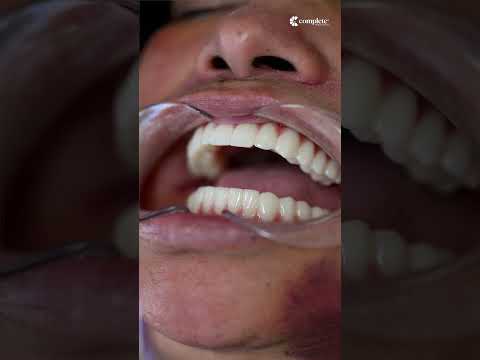
Once the final restorations are ready, the patient returns for the bonding appointment. The dentist carefully evaluates the fit, color, and shape before permanently adhering the veneers using advanced dental cements. The result is an instantaneous, stunning transformation that restores harmony and brilliance to the patient's face.
Advanced Restorative Implantology
While veneers are excellent for aesthetic corrections, patients suffering from extensive tooth loss require more profound restorative interventions. Dental implants are widely considered the gold standard for replacing missing teeth. They are the only restorative option that replaces both the visible crown and the invisible root structure of the tooth.
An implant is a small, biocompatible titanium post surgically inserted into the jawbone. Over a period of several months, a biological process called osseointegration occurs, wherein the living bone firmly fuses to the titanium surface. This creates an incredibly strong, permanent anchor for artificial crowns, bridges, or full-arch dentures.
The cost of full mouth dental implants abroad represents the most significant financial saving for American patients. While comprehensive implant solutions in the US can cost the equivalent of a luxury car, international clinics provide these life-changing procedures for a fraction of that amount, utilizing globally recognized implant brands like Straumann and Nobel Biocare.
All-on-4 Dental Implants Explained
For patients who are entirely edentulous (missing all their teeth) or whose remaining teeth are failing, the All-on-4 treatment concept is revolutionary. Instead of placing an individual implant for every single missing tooth—which is surgically invasive and prohibitively expensive—this technique uses just four strategically angled implants to support an entire arch of teeth.
Two implants are placed vertically in the front of the jaw, while two are placed at precise 45-degree angles in the posterior. This angulation maximizes the use of available dense bone, frequently eliminating the need for extensive, time-consuming bone grafting procedures. The biomechanical stability achieved is remarkable.
One of the most attractive aspects of the All-on-4 technique is the possibility of immediate loading. In many cases, patients can have any failing teeth extracted, implants placed, and a fixed temporary bridge attached all in the very same surgery. They literally enter the clinic with a compromised mouth and leave a few hours later with a fully functional, beautiful set of teeth.
Elite Safety and Sterilization Standards
When considering medical travel, the primary concern for any US patient is naturally the safety and hygiene of the foreign facility. The fear of contracting infections or experiencing botched procedures is a significant psychological hurdle. However, the leading clinics catering to international patients take clinical safety incredibly seriously.
The best safe international dental clinics operate under strict, internationally recognized accreditation systems. Many facilities proudly carry certifications from the Joint Commission International (JCI) or adhere strictly to the guidelines set forth by the International Organization for Standardization (ISO). These frameworks mandate rigorous operational and hygiene protocols.
As referenced around in the video, patient comfort and safety are the top priorities. Advanced clinics utilize Class B medical autoclaves for the sterilization of all non-disposable instruments. They implement stringent barrier techniques, heavily utilize disposable materials, and maintain immaculate, hospital-grade surgical theaters for invasive procedures.
Transparency and Clinical Warranties
A major indicator of a clinic's quality and confidence in their work is their willingness to stand behind it. Reputable international dental centers provide comprehensive, written warranties on their major restorative work. These guarantees often cover the physical integrity of implants, crowns, and veneers for several years, providing patients with substantial peace of mind.
Furthermore, these clinics maintain a high degree of transparency regarding the materials they use. They willingly provide patients with physical documentation, lot numbers, and authenticity certificates for the titanium implants and ceramic blocks utilized in their treatments. This ensures that patients know exactly what is being placed in their bodies.
Before any commitment is made, patients engage in extensive virtual consultations. During these video calls, US patients can speak directly with their prospective surgeon, ask detailed questions about sterilization protocols, and review past case studies. This open line of communication is essential for building trust prior to travel.
Top Hotspots for Dental Tourists
The success of a dental vacation depends largely on choosing the right destination. Certain regions have strategically developed their medical infrastructure to cater almost exclusively to the North American market. These destinations combine world-class medical facilities with stunning tourism opportunities, creating a holistic healing experience.
When evaluating the best countries for dental tourism, proximity, cost, and clinical reputation are the defining factors. Latin America has emerged as the dominant force for US and Canadian patients, primarily due to short flight times, favorable exchange rates, and a deep cultural commitment to medical hospitality.
| Destination | Primary Appeal for US Patients | Average Savings vs US |
|---|---|---|
| Mexico (Los Algodones, Cancun) | Immediate border access, English-speaking staff, massive concentration of specialists. | 65% - 75% |
| Colombia (Bogota, Medellin) | World-renowned cosmetic dentistry, advanced digital labs, beautiful recovery environments. | 70% - 80% |
| Costa Rica (San Jose) | Elite JCI-accredited clinics, peaceful eco-tourism recovery, high American expat presence. | 50% - 65% |
Combining Treatment with Tourism
The concept of "dental tourism" is not a misnomer; the tourism aspect is a vital part of the recovery process. Instead of recovering from oral surgery on a couch in an American suburb, patients find themselves relaxing in luxurious coastal resorts or exploring culturally rich cities. This positive, stress-free environment actively promotes faster healing.
Many clinics offer comprehensive packages that blur the line between hospital and hotel. These packages frequently include complimentary airport transfers in private vehicles, partnerships with local boutique hotels for discounted stays, and dedicated bilingual concierges who can organize local excursions tailored around the patient's clinical schedule.
By transforming a stressful medical procedure into an engaging international vacation, the emotional burden of the dental work is significantly alleviated. Patients return home not only with a completely restored, radiant smile but also with wonderful memories of a unique travel experience.
Planning Your International Dental Trip
Embarking on a medical journey across international borders requires meticulous planning and coordination. The success of traveling abroad for dental work relies heavily on managing the logistics long before boarding a flight. Working with established medical tourism facilitators, such as PlacidWay, can streamline this entire process and eliminate the guesswork.
The first step is gathering your current dental records. Patients should request recent panoramic X-rays or 3D CBCT scans from their local dentist. These digital files are then securely transmitted to the chosen international clinic. Based on these images, the foreign specialists can formulate a highly accurate, preliminary treatment plan and provide a transparent, itemized cost estimate.
Once the treatment plan is agreed upon, scheduling the trip involves aligning clinical availability with optimal travel dates. Patients must account for the required clinical timeline. While a full set of veneers might require a single five-day trip, comprehensive implant procedures generally require two separate visits spaced three to six months apart to allow for proper bone healing.
Navigating Travel and Accommodations
When booking flights, it is advisable to choose flexible tickets. While top clinics are highly efficient, medical procedures can occasionally face minor delays or require an extra day for final adjustments. Having a flexible return ticket reduces anxiety and allows the dentist ample time to perfect the restorations without rushing.
Choosing the right accommodation is equally important for a smooth recovery. Patients should look for hotels located in close proximity to the dental clinic to minimize travel time after procedures. Many facilitators will recommend specific hotels that are accustomed to hosting medical tourists, offering amenities like soft-food menus, in-room ice deliveries, and exceptionally quiet environments.
Finally, patients must ensure all travel documentation is in order. A valid passport is mandatory, and travelers should verify if their destination requires any specific tourist visas or health declarations upon entry. Comprehensive travel insurance that covers trip cancellations and medical delays is highly recommended for added security.
Long-Term Dental Maintenance
The journey does not end once the final restorations are placed and the patient returns to the United States. As highlighted by the patient's newfound confidence near , protecting this life-changing investment requires a strict commitment to ongoing oral hygiene and maintenance. A new smile is resilient, but it is not indestructible.
Patients with porcelain veneers or full arch implants must adopt meticulous daily cleaning routines. While ceramic crowns and titanium implants cannot develop cavities, the surrounding gum tissue remains vulnerable to periodontal disease. Using water flossers, non-abrasive toothpastes, and incredibly soft-bristled brushes are essential practices for maintaining the health of the supportive tissues.
For those who grind their teeth at night (bruxism), a custom-fitted occlusal night guard is absolutely mandatory. The immense forces generated during sleep can chip premium ceramics or compromise the integration of dental implants. Wearing a protective guard ensures the longevity of the intricate prosthetic work.
Bridging International and Local Care
Establishing a relationship with a local dentist upon returning home is a critical final step. While the major restorative work was completed abroad, routine professional cleanings and bi-annual examinations are necessary to monitor the health of the restorations. Patients should secure their complete medical file, including surgical reports and implant specifications, from their international clinic before leaving.
This comprehensive documentation should be handed over to the local American dentist. By maintaining transparent communication between the local hygienist and the international surgical team, patients ensure a seamless continuum of care. Should any minor adjustments be needed in the future, the local provider will have all the necessary technical data to assist.
Ultimately, as emphasized near , stepping outside the domestic healthcare system requires courage, but the rewards are immeasurable. High-quality cosmetic dentistry overseas has proven to be a safe, viable, and profoundly effective way for individuals to reclaim their health, restore their dignity, and face the world with a brilliant, uninhibited smile.
Ready to Transform Your Smile Abroad?
Do not let high local costs keep you from the smile you deserve. PlacidWay Medical Tourism connects US patients with highly accredited, top-tier international dental clinics. Enjoy world-class veneers, implants, and full mouth restorations at a fraction of the cost. Let us help you plan your journey to a perfect smile today.
REQUEST YOUR FREE QUOTE















Share this listing