


Mr. Evans' Affordable Dental Implant Journey in Mexico
Like millions of Americans facing exorbitant healthcare costs, Mr. Evans thought restoring his smile was a financial impossibility. His discovery of affordable dental implants in Mexico completely changed his life trajectory. Facing quotes upwards of fifty thousand dollars in the United States for full-mouth restoration, he looked across the border. This comprehensive breakdown explores his exact path, the incredible savings he unlocked, and the world-class medical expertise he encountered. Follow along to understand how safe, high-quality dental tourism in Mexico is providing a lifeline for patients seeking permanent, beautiful restorative dentistry.
Video Chapters & Quick Navigation
For decades, individuals suffering from tooth loss, severe decay, or periodontal disease have been forced into a corner. The traditional healthcare system in North America often treats dental care—specifically restorative procedures like implants—as an elective luxury rather than a medical necessity. This leaves patients dealing with painful chewing, shifting teeth, jawbone deterioration, and a profound loss of self-confidence. Fortunately, international medical tourism has disrupted this outdated model.
Today, thousands of patients are crossing the border to receive top-tier, technologically advanced treatments. By seeking out full mouth dental implants in Mexico, these individuals are bypassing the inflated overhead costs of domestic clinics without sacrificing an ounce of safety or quality. Mr. Evans' story is a testament to this modern medical revolution.
The Unaffordable Reality of Dental Care in the United States
To truly understand why Mr. Evans traveled abroad, we must first examine the financial landscape of domestic dentistry. In the United States and Canada, a single dental implant can easily range from $3,000 to $5,000. When you multiply that by multiple missing teeth, or require a full-arch restoration like the All-on-4 dental implant system, the out-of-pocket costs can quickly skyrocket to $30,000 or even $60,000 per arch.
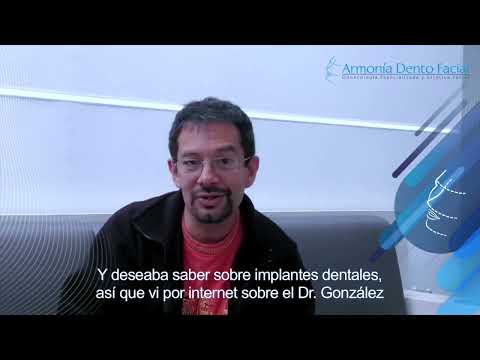
At in the video, Mr. Evans recalls the sheer shock of receiving his initial treatment plan at his local dentist. He vividly describes the sinking feeling of realizing that his retirement savings would be completely decimated just to achieve basic oral function. Most traditional dental insurance policies cap their annual maximum payouts at a mere $1,000 to $2,000, leaving patients to shoulder the massive financial burden of surgical restorative work entirely on their own.
Furthermore, delaying treatment is not a medically viable option. When a tooth is extracted and not replaced by a titanium post, the surrounding alveolar bone begins to resorb or melt away. This bone loss changes the facial structure, leading to premature aging, and makes future implant placement significantly more complicated, often requiring expensive and invasive bone grafting procedures. The urgency to find a solution pushed Mr. Evans to look beyond his local borders.
Overcoming the Stigma: Why Mr. Evans Chose Mexico
Initially, the concept of traveling to a foreign country for invasive oral surgery was daunting. There is a lingering, outdated stigma surrounding Mexican dentistry, often perpetuated by a lack of understanding regarding global healthcare standards. However, as Mr. Evans dug deeper into his research, he uncovered a highly regulated, exceptionally advanced medical infrastructure designed specifically to cater to international patients.
Specialized Expertise and Global Credentials
As highlighted at , the turning point for Mr. Evans was reviewing the credentials of the Mexican implantologists. The top dental clinics in cities like Tijuana, Cancun, and Los Algodones are staffed by specialists who have frequently completed their post-graduate training, residencies, or specialized fellowships at prestigious universities in the United States, Europe, and the United Kingdom. They are active members of the American Dental Association (ADA) and the International Congress of Oral Implantologists (ICOI).
State-of-the-Art Technology
Another major factor was the technology. Mr. Evans found that the facilities south of the border were often more technologically advanced than his local clinic. High-end Mexican dental centers utilize in-house 3D CBCT (Cone Beam Computed Tomography) scanners, panoramic X-rays, and CAD/CAM (Computer-Aided Design and Computer-Aided Manufacturing) milling machines. This allows for precise, digitally guided implant placement and the ability to craft custom Zirconia crowns on-site, vastly reducing the wait time and margin for error.
Breaking Down the Numbers: US vs. Mexico Dental Implant Costs
The primary driver for dental tourism remains the unparalleled cost savings. The drastic price difference is not due to inferior materials or rushed labor. Rather, it is the result of differing global economic structures. In Mexico, the cost of living, clinical overhead, administrative expenses, and malpractice insurance premiums are a fraction of what they are in the US. The government heavily subsidizes dental education, meaning practitioners do not graduate with crippling student loan debt that must be passed down to the consumer.
| Dental Procedure | Average Cost in USA/Canada | Average Cost in Mexico | Estimated Savings |
|---|---|---|---|
| Single Dental Implant (Titanium Post + Crown) | $3,500 - $5,000 | $800 - $1,200 | Up to 75% |
| All-on-4 Dental Implants (Per Arch) | $24,000 - $35,000 | $8,000 - $12,000 | Up to 70% |
| Bone Grafting (Per Quadrant) | $800 - $1,500 | $300 - $500 | Up to 65% |
| Sinus Lift | $1,500 - $3,000 | $600 - $900 | Up to 70% |
Mr. Evans explains at that even after factoring in the cost of round-trip flights, a luxury hotel stay, and local transportation, his total expenditure was still tens of thousands of dollars less than the lowest quote he received in his home state of Texas.
No Compromise on Quality: The Science of Dental Implant Materials
One of the most persistent myths surrounding affordable dental implants in Mexico is the assumption that the clinics must be using substandard materials to achieve such low prices. Mr. Evans' documentation completely refutes this narrative. The leading clinics utilize the exact same globally recognized, FDA-approved implant brands that are standard in premier American and European practices.
Reputable dentists in Mexico rely on industry giants such as Straumann, Nobel Biocare, Zimmer, and Bicon. These companies have spent decades perfecting the micro-surface topography of their titanium implants to encourage maximum osseointegration. Osseointegration is the biological process where the living jawbone fuses flawlessly with the artificial titanium root, creating an anchor that is often stronger than a natural tooth root.
- Biocompatible Titanium Posts: Known for their extreme durability and ability to safely integrate with human bone without causing allergic reactions or tissue rejection.
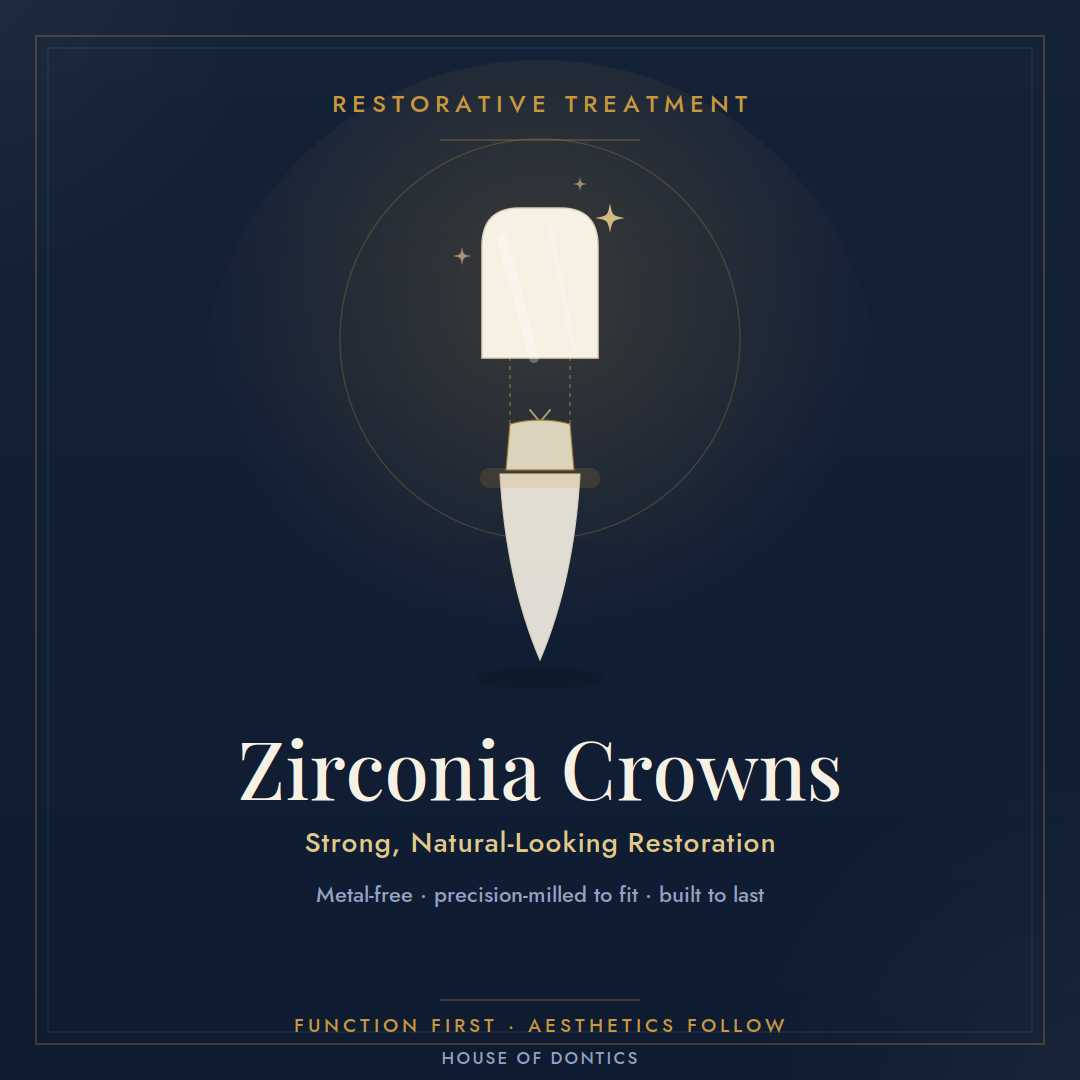
- Zirconia Crowns: Instead of older porcelain-fused-to-metal (PFM) crowns that can leave a dark line at the gums, modern Mexican clinics use solid Zirconia. Zirconia is highly aesthetic, mimics the light-reflecting properties of natural enamel, and is virtually indestructible under normal chewing forces.
- Custom Abutments: The connector piece between the implant and the crown is uniquely milled for each patient, ensuring a tight seal that prevents bacterial leakage and promotes healthy gum tissue growth.
Step-by-Step: Mr. Evans' Surgical Protocol
The efficiency of the medical process in Mexico is highly optimized for travelers. Because international patients have limited time, top clinics structure their workflows to minimize delays while strictly adhering to safety and healing protocols. Mr. Evans walked through his exact procedural timeline, starting from his initial virtual consultation to his final permanent fitting.
Phase 1: Virtual Consultation and Diagnostics
Before ever booking a flight, Mr. Evans sent his local panoramic X-rays to the clinic in Mexico via a secure patient portal. The dental team assessed his bone density and drafted a preliminary treatment plan outlining the exact costs. Upon arriving at the clinic, a high-resolution 3D CBCT scan was performed to map out his jawbone structure, nerve pathways, and sinus cavities with millimeter precision.
Phase 2: Extraction, Bone Grafting, and Placement
At , Mr. Evans details the surgical day. Under local anesthesia and IV sedation, his remaining compromised teeth were gently extracted. Because he had suffered some bone loss, synthetic bone grafting material was packed into the sockets to ensure a robust foundation. Using a custom 3D-printed surgical guide, the oral surgeon meticulously placed the titanium implants into the optimal positions to distribute bite force evenly.
Phase 3: The Healing Period and Final Restoration
Following the surgery, Mr. Evans was fitted with a temporary, natural-looking prosthetic so he would not have to go without teeth during the healing phase. He then returned home for a period of four to six months. This time is absolutely critical; the jawbone must heal and firmly grip the titanium threads. Once osseointegration was confirmed successful, he took a short return trip to Mexico to have his permanent, ultra-durable Zirconia restorations attached.
Exploring the Premier Dental Hubs in Mexico
Mexico is a vast country, and different regions cater to different types of medical tourists. Depending on whether a patient prioritizes a quick border crossing or a relaxing beachside recovery, there is an ideal destination for everyone seeking affordable dental implants in Mexico.
Los Algodones: "Molar City"
Located just across the border from Yuma, Arizona, Los Algodones has earned the famous nickname "Molar City." It boasts the highest concentration of dentists per square mile anywhere in the world. The entire town's infrastructure is built around catering to American and Canadian dental tourists. English is spoken everywhere, US currency is widely accepted, and patients can simply park on the US side and walk across the border directly into world-class clinics.
Tijuana: The Gateway to Advanced Care
For patients flying into San Diego, California, Tijuana is the premier choice. Many elite dental centers in Tijuana offer VIP concierge services, utilizing medical fast-pass lanes to speed up border crossings. Tijuana clinics are known for handling complex full-mouth reconstructions, zygomatic implants, and severe bone loss cases using cutting-edge maxillofacial surgical techniques.
Cancun & Playa del Carmen: The Dental Vacation
For those who want to combine their medical procedure with a true vacation, the Riviera Maya offers spectacular options. Patients can recover in luxury resorts overlooking the Caribbean Sea. The stress-free environment of a resort town actively contributes to lower blood pressure and a more relaxed healing process. These clinics are heavily favored by patients traveling from the East Coast of the US or Europe.
Preparing for Your Trip: Logistics, Safety, and Facilitation
Embarking on a medical tourism journey requires careful planning, but it does not have to be overwhelming. Mr. Evans stresses the importance of utilizing reputable facilitators who have thoroughly vetted the clinics. Companies like PlacidWay act as a bridge between the patient and the foreign medical provider, ensuring that the clinic holds international accreditation and maintains flawless hygiene and sterilization records.
At in the video, the discussion shifts to the safety protocols in place. Top clinics enforce strict sterilization standards that either meet or exceed guidelines set by the CDC and the ADA. Instruments are autoclaved, treatment rooms undergo rigorous sanitation between patients, and medical-grade air filtration systems are standard.
Regarding travel logistics, most premium clinics offer comprehensive packages that include airport pick-up in private, air-conditioned vehicles, assistance with booking nearby boutique hotels that cater specifically to recovering patients, and bilingual patient coordinators who guide you through every single step of the clinical process. All you need is a valid passport and your dental records to begin the journey.
The Life-Changing Benefits of a Restored Smile
The physical transformation following dental implant surgery is immediate and striking, but the psychological and functional benefits are truly life-altering. For years, Mr. Evans struggled with ill-fitting traditional dentures that would slip, cause painful gum sores, and restrict his diet. Eating in public became a source of deep anxiety, and he found himself hiding his smile in family photographs.
With his new permanently anchored teeth, those struggles evaporated. Dental implants restore up to 95% of natural biting force. Patients can confidently return to eating crisp apples, tough steaks, and crunchy nuts without fear of their teeth moving. Furthermore, because the implants stimulate the jawbone just like natural tooth roots, they halt the progression of bone loss, preserving the youthful contours of the lower face and preventing the sunken-in look commonly associated with long-term denture use.
Mr. Evans' journey to Mexico for affordable dental implants proves that geographical borders should not dictate the quality of healthcare you receive. By expanding his horizons, he reclaimed his health, his dietary freedom, and his self-esteem, all while preserving his financial security.
Ready to Reclaim Your Smile in Mexico?
Don't let exorbitant local costs keep you from the permanent, beautiful smile you deserve. PlacidWay connects you with globally accredited, top-rated dental implant specialists in Mexico. Enjoy world-class care, luxury concierge services, and save up to 70% on your restorative dentistry.
REQUEST A FREE QUOTE TODAY













Share this listing