
Brett's Story with Stem Cell Therapy for Hip Pain in Tijuana, Mexico by CellsTime Clinique
For years, patients like Brett suffering from debilitating joint degeneration were given a single, terrifying ultimatum: endure the agonizing discomfort of bone-on-bone friction, or undergo highly invasive hip replacement surgery. The thought of prolonged hospital stays, grueling physical therapy, and permanent metal implants leaves many searching desperately for a better way. Today, breakthrough advancements in regenerative medicine for joint pain are changing the narrative completely.
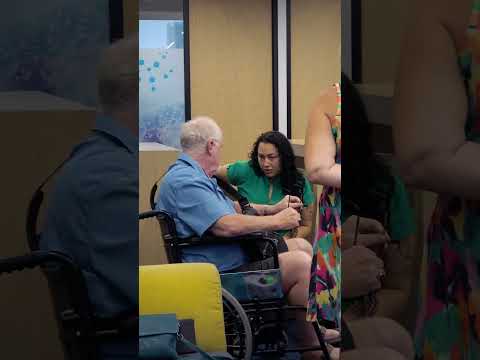
By exploring stem cell therapy for hip pain in Tijuana, Mexico, patients are discovering a highly effective alternative to hip replacement surgery. Watch Brett’s life-changing journey with CellsTime Clinique, where cutting-edge cellular medicine, world-class medical expertise, and affordable healthcare converge to restore mobility, eliminate chronic pain, and give patients their active lives back without the need for the scalpel.
Video Chapters & Quick Navigation
The Devastating Reality of Chronic Hip Degeneration
The hip joint is one of the most crucial weight-bearing structures in the human body, operating as a complex ball-and-socket mechanism. When functioning normally, a thick layer of articular cartilage provides a smooth, frictionless surface, allowing for fluid movement during walking, running, and bending. However, due to aging, athletic injuries, or genetic predispositions, this vital cartilage can begin to break down, leading to severe hip osteoarthritis.
As the cartilage deteriorates, the protective space between the bones decreases. Eventually, this leads to bone rubbing directly on bone, which produces excruciating pain, chronic inflammation, and the formation of painful bone spurs. For patients like Brett, the onset of this degeneration is often gradual but ultimately life-altering. Simple daily activities such as tying shoes, climbing stairs, or even getting out of a car become monumental, painful tasks.
Living with chronic hip pain takes an immense toll not only on a person's physical health but also on their mental well-being. The constant reliance on non-steroidal anti-inflammatory drugs (NSAIDs) or prescription pain killers offers only temporary relief while masking the underlying structural deterioration. It is a progressive disease, meaning that without intervention, the mechanical breakdown of the joint will only worsen over time.
The Traditional Medical Route: Why Patients Dread Hip Replacement Surgery
When patients present with advanced hip osteoarthritis in the United States or Canada, standard orthopedic protocols quickly point toward a total hip arthroplasty, commonly known as a hip replacement. While this surgery is frequently performed, it is a highly invasive procedure that involves sawing off the damaged femoral head, hollowing out the pelvic bone, and hammering in artificial metal, plastic, or ceramic components.
Many patients are understandably terrified of the surgical route. As Brett explains early in his journey at , the idea of permanent metal hardware and the associated risks were massive deterrents. Surgical complications can include dangerous blood clots, severe post-operative infections, nerve damage, and the risk of the artificial joint dislocating over time.
Furthermore, the recovery period following a hip replacement is grueling and restrictive. Patients face months of intense physical therapy, strict limitations on how they can move or bend, and extended time away from work and hobbies. Additionally, artificial joints have a limited lifespan; younger or more active patients often face the daunting prospect of needing a complex revision surgery 15 to 20 years down the line when the implant eventually wears out.
A Beacon of Hope: Understanding Regenerative Medicine for Joint Pain
Faced with the grim prospect of surgical amputation of his joint, Brett began researching alternatives to hip replacement surgery. This search led him directly into the rapidly advancing field of regenerative medicine. Unlike traditional orthopedic approaches that either mask pain with drugs or surgically replace body parts, regenerative medicine aims to heal and restore the damaged tissue using the body's own biological mechanisms.
Stem cell therapy represents the pinnacle of this regenerative approach. Mesenchymal stem cells (MSCs) are powerful, undifferentiated cells that have the unique ability to transform into various types of tissue, including bone, cartilage, and muscle. More importantly, these cells act as intelligent biological managers, signaling the body to ramp up its natural healing processes in a specific localized area.
The global shift toward cellular medicine is completely revolutionizing how we treat degenerative joint diseases. By introducing a high concentration of vital stem cells directly into a damaged hip joint, medical professionals can effectively halt the progression of osteoarthritis, drastically reduce systemic inflammation, and promote the regeneration of degraded articular cartilage.
How Stem Cell Therapy for Hip Osteoarthritis Actually Works
To truly appreciate Brett's phenomenal recovery, it is essential to understand the underlying science of stem cell therapy for hip pain. The treatment is far more sophisticated than a simple steroid injection. When high-quality mesenchymal stem cells are injected into the hip capsule, a complex sequence of biological events is triggered almost immediately.
First, the stem cells release a massive wave of anti-inflammatory cytokines. Osteoarthritis is largely driven by chronic, toxic inflammation within the joint space. By rapidly neutralizing this inflammation, stem cell therapy provides profound, long-lasting pain relief that far exceeds the capabilities of traditional cortisone shots. This initial phase is crucial for restoring basic comfort and mobility to the patient.
Following the anti-inflammatory response, the regenerative phase begins. The MSCs secrete potent growth factors that stimulate the patient's existing chondrocytes (cartilage cells) to begin multiplying and repairing the damaged matrix. Additionally, the stem cells exhibit immunomodulatory properties, meaning they help reset the local immune system to stop attacking the joint tissue. This multi-faceted mechanism addresses the root cause of the joint pain rather than just the symptoms.
Brett’s Turning Point: Seeking Alternatives to Surgery
Brett’s story is a profound testament to the power of patient advocacy and self-education. Leading an active lifestyle was central to Brett’s happiness and identity. When his hip pain progressed to the point where even walking a short distance caused sharp, radiating pain down his leg, he knew he had reached a critical crossroad. His local orthopedic surgeons insisted that a total hip replacement was his only remaining option.
Refusing to accept a permanent artificial joint, Brett dedicated himself to finding the best alternatives to hip replacement surgery. He spent countless hours reading medical journals, watching patient testimonials, and consulting with alternative medical practitioners. As he notes in his video testimonial at , discovering the potential of Wharton's Jelly-derived mesenchymal stem cells was a true lightbulb moment.
However, Brett quickly encountered a significant hurdle: the restrictive regulatory landscape in the United States. While the US allows certain basic forms of autologous (self-derived) stem cell treatments, the expansion and cultivation of highly potent, culturally expanded allogeneic (donor) stem cells are heavily restricted. To access the advanced, high-dose therapies required for severe joint regeneration, Brett realized he would need to look beyond the border.
Why Medical Tourists Choose Tijuana for Regenerative Treatments
The realization that optimal treatment was unavailable at home led Brett to explore medical tourism, specifically focusing on stem cell therapy in Tijuana, Mexico. Over the past decade, Tijuana has transformed into a premier global hub for advanced medical treatments, particularly in the fields of regenerative medicine, oncology, and bariatric surgery. Its geographical proximity to the United States makes it an incredibly convenient choice for North American patients.
Located just minutes south of San Diego, California, Tijuana offers patients the ability to fly into a major US airport, cross the border via secure medical fast-lanes, and arrive at world-class medical facilities in under an hour. This seamless logistical experience removes much of the stress typically associated with international medical travel. The city's medical infrastructure has grown exponentially, boasting ultra-modern hospitals and state-of-the-art biological laboratories.
More importantly, Mexico's regulatory framework allows licensed medical professionals to utilize culturally expanded mesenchymal stem cells. This means doctors can provide patients with cell counts in the tens or hundreds of millions, ensuring a robust and medically significant therapeutic dose. This high cell volume is critical for successfully treating severe conditions like advanced hip osteoarthritis, making Tijuana an unparalleled destination for cellular healing.
Inside CellsTime Clinique: Mexico’s Premier Stem Cell Center
During his extensive research, one specific facility stood out among the rest: CellsTime Clinique. Located in a pristine, modern medical district of Tijuana, CellsTime Clinique has built a sterling reputation for providing ethical, transparent, and highly effective cellular treatments. They adhere to the strictest international protocols for cell viability, safety, and sterility, giving international patients total peace of mind.
What sets CellsTime Clinique apart is their exclusive use of ethically sourced, Wharton's Jelly-derived mesenchymal stem cells. These cells, harvested from donated human umbilical cords following healthy, full-term cesarean births, are considered the gold standard in regenerative medicine. They are incredibly young, robust, and completely immune-privileged, meaning there is zero risk of the patient's body rejecting the treatment.
Furthermore, CellsTime Clinique operates with a highly specialized medical team. Their physicians are not just general practitioners; they are deeply trained experts in ultrasound-guided joint injections and regenerative protocols. As Brett experienced firsthand, the clinic prioritizes a holistic approach, ensuring that every aspect of the patient's health is evaluated before any cellular material is administered.
The Consultation and Customized Treatment Protocol
Upon arriving at CellsTime Clinique, Brett's experience was nothing short of exceptional. The stark contrast between the rushed, ten-minute appointments he experienced in the US and the comprehensive care he received in Tijuana was immediately apparent. His journey began with an in-depth medical consultation, where the leading physicians reviewed his MRI scans, discussed his medical history, and evaluated his specific mobility limitations.
Because stem cell therapy is not a one-size-fits-all solution, the medical team at CellsTime Clinique designed a highly customized protocol specifically tailored to Brett's hip degeneration. This is a crucial step for maximizing clinical outcomes. They determined the precise millions of cells required to address his severe cartilage loss and mapped out the exact injection sites.
Brett’s protocol did not rely solely on localized injections. To ensure optimal systemic healing and reduce total body inflammation, the clinic integrated intravenous (IV) stem cell infusions alongside the targeted intra-articular hip injections. This dual-delivery method ensures that the stem cells can home in on the damaged joint while simultaneously boosting the overall immune and cellular repair systems throughout the entire body.
The Intra-Articular Injection Process: What to Expect
A common fear among prospective patients is the actual injection process. The hip is a deep joint, and the idea of a needle penetrating the joint capsule can induce anxiety. However, Brett’s account at highlights just how painless and seamless the procedure truly is when performed by skilled specialists at CellsTime Clinique.
The key to a successful and comfortable treatment is the use of advanced fluoroscopic or ultrasound guidance. The doctors do not guess where the needle is going. Utilizing real-time imaging, they navigate the precise anatomy of the hip, ensuring that the high-concentration stem cell serum is deposited exactly into the damaged articular space where it is needed most. This precision minimizes tissue trauma and maximizes therapeutic efficacy.
The procedure itself is performed under local anesthesia in a sterile, state-of-the-art procedure room. Patients are awake, comfortable, and often conversing with the medical staff throughout the short process. There is no need for general anesthesia, no cutting, and no stitching. Within a few hours of the treatment, Brett was safely discharged and able to walk back to his hotel room, a stark contrast to the grueling hospital stay required for a hip replacement.
Analyzing the Financials: Stem Cell Therapy Cost in Mexico vs. USA
One of the most compelling reasons patients like Brett look toward Tijuana is the vast difference in healthcare economics. In the United States, comprehensive stem cell treatments are rarely covered by insurance and are billed at exorbitant out-of-pocket rates. Furthermore, due to FDA regulations, the cell counts provided in the US are significantly lower, meaning patients pay significantly more for a far less potent treatment.
The cost of stem cell therapy for hip pain in Tijuana represents a massive financial relief for medical tourists. Operating with lower overhead costs and without the inflated pricing models of the US medical system, world-class clinics like CellsTime can offer premium, high-dose cellular therapies at a fraction of the cost. Below is a comparative look at what patients typically face.
| Treatment Aspect | United States | CellsTime Clinique (Tijuana) |
|---|---|---|
| Cell Source | Patient's Bone Marrow/Fat (Aging cells) | Wharton's Jelly Umbilical Cord (Young, vibrant cells) |
| Cell Count (Dose) | Low (Typically 1M - 5M) | Extremely High (50M - 100M+) |
| Estimated Cost | $8,000 - $15,000+ | $3,500 - $6,500 (Comprehensive Package) |
| Procedure Method | Painful extraction + reinjection | Simple IV and painless guided injection |
As the table illustrates, patients traveling to CellsTime Clinique are receiving superior biological materials in vastly larger quantities, all while saving thousands of dollars. These packages often include ground transportation, comprehensive blood work, and follow-up care, making the medical tourism experience remarkably stress-free.
Brett’s Remarkable Recovery Timeline and Mobility Restoration
The true measure of any medical intervention is the resulting quality of life. Unlike surgery, where recovery is measured by the healing of cut tissue and bone, stem cell recovery is a biological process that unfolds gradually over several months. However, the initial relief is often startlingly rapid.
Within the first three to four weeks post-treatment, Brett experienced a dramatic reduction in acute joint inflammation. The sharp, stabbing pains that previously plagued his daily routine began to dull and fade. As he details at in his story, he was able to sleep through the night without waking up in agony—a milestone he hadn't achieved in years.
By the three-month mark, the regenerative phase was in full swing. The mesenchymal stem cells had successfully signaled the repair of his articular cartilage. Brett noticed a significant increase in his range of motion, allowing him to return to light physical activities like brisk walking and swimming. By six months, his mobility was fully restored. He had completely avoided a major joint replacement and was back to living the active, vibrant life he loved, proving that the body's capacity to heal itself is truly profound when given the right cellular tools.
The Long-Term Outlook for Stem Cell Hip Treatments
As regenerative medicine continues to evolve, stories like Brett's are transitioning from rare medical miracles to standardized, predictable outcomes. Stem cell therapy is proving to be a highly durable solution for patients suffering from osteoarthritis. Because the treatment fundamentally addresses the structural degradation of the joint, the results are designed to last for years, significantly delaying or entirely eliminating the need for invasive orthopedic surgeries.
For patients currently trapped in the frustrating cycle of chronic pain management, Brett’s journey serves as a powerful beacon of hope. It illustrates that a diagnosis of severe joint degeneration does not mandate a future of metal implants and lengthy hospital rehabilitations. By taking control of his medical journey and looking toward innovative treatments abroad, Brett reclaimed his health on his own terms.
CellsTime Clinique in Tijuana continues to set the gold standard for regenerative medical tourism. Their commitment to ethical cellular sourcing, high-dose therapies, and compassionate patient care is transforming lives daily. If you are facing the daunting prospect of hip replacement surgery, the path of cellular healing offers a brilliant, non-invasive alternative that respects the natural biology of your body.
Ready to Avoid Surgery and Reclaim Your Mobility?
PlacidWay Medical Tourism seamlessly connects you with elite regenerative clinics like CellsTime Clinique in Tijuana. Discover how affordable, high-dose stem cell therapy can eliminate your joint pain and restore your active lifestyle.
GET A FREE QUOTE TODAY





.png)

.png)
.png)




.png)
.png)
-(1).png)








Share this listing