


Discovering Premier Bone Marrow Transplants in Istanbul, Turkey: The Ultimate Patient Guide
Facing a severe blood disorder or blood cancer diagnosis is an overwhelming experience for any patient and their family. However, discovering premier bone marrow transplants in Istanbul, Turkey, offers a remarkable beacon of hope. For patients seeking top-tier hematology and oncology care without navigating the astronomical costs associated with Western healthcare systems, Turkey has rapidly emerged as a leading global destination.
By combining cutting-edge medical technology with internationally accredited specialists, Istanbul provides unparalleled life-saving medical solutions. This comprehensive guide explores why thousands of international patients are choosing Turkey for advanced stem cell therapies, detailing comprehensive costs, clinic quality, and the deeply compassionate patient care that defines the Turkish medical tourism experience.
Video Chapters & Quick Navigation
The Global Shift in Medical Oncology and Hematology
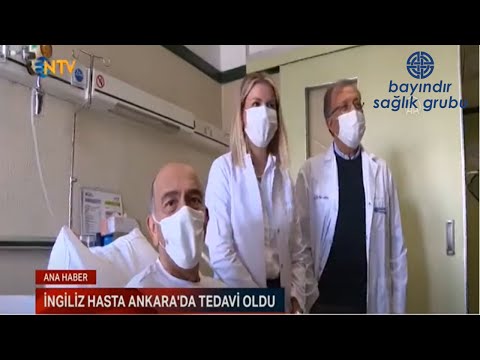
For decades, patients requiring complex oncological interventions were largely restricted to receiving care within their home countries. This often meant enduring long waitlists or facing insurmountable financial barriers, particularly in regions like the United States or the United Kingdom. As highlighted in the video , the paradigm of global healthcare has shifted dramatically. Medical tourism in Istanbul for leukemia treatment and other blood disorders is no longer an alternative option; it is rapidly becoming a primary choice for discerning patients.
This massive global shift is driven by the democratization of advanced medical knowledge and technology. Istanbul has heavily invested in establishing centers of excellence that specifically focus on hematology and bone marrow transplantation. By recruiting top-tier medical talent and heavily subsidizing healthcare infrastructure, Turkey has positioned itself as an undeniable powerhouse in the medical tourism sector.
Patients are no longer forced to choose between financial ruin and receiving life-saving treatments. The best hospitals for stem cell therapy in Istanbul operate under strict international protocols, ensuring that the clinical outcomes mirror or even exceed those found in Western Europe and North America. This democratization of high-end medical care is saving lives and reshaping the future of global oncology.
Understanding the Types of Stem Cell Transplants Available
A bone marrow transplant, clinically referred to as a hematopoietic stem cell transplant, is not a one-size-fits-all procedure. The specific type of transplant a patient requires depends entirely on their underlying diagnosis, overall health, and the availability of suitable donors. Turkish medical facilities are fully equipped to perform the entire spectrum of these highly complex procedures.
Autologous Bone Marrow Transplants
In an autologous stem cell transplant, the patient serves as their own donor. This procedure is frequently utilized for conditions such as multiple myeloma, Hodgkin's lymphoma, and certain non-Hodgkin lymphomas. The medical team will extract the patient's healthy stem cells prior to administering high-dose chemotherapy or radiation therapy, as noted at in our discussion.
Autologous stem cell transplant clinics in Turkey utilize highly advanced apheresis machines to collect these cells safely from the bloodstream. Once the intense conditioning treatment is completed to eradicate the cancer cells, the patient's own healthy stem cells are reinfused to rescue the bone marrow and restore normal blood cell production. Because the cells are the patient's own, the risk of graft-versus-host disease (GVHD) is virtually eliminated.
Allogeneic Stem Cell Transplants
When a patient's bone marrow is too diseased to be harvested, or the underlying condition requires a new, healthy immune system to fight the disease, an allogeneic bone marrow transplant procedure in Istanbul is recommended. This involves utilizing stem cells from a healthy donor. The donor could be a fully matched sibling, a matched unrelated donor (MUD) found through global registries, or a haploidentical (half-matched) family member.
Turkish hematology centers have direct access to both the national Turkish stem cell registry (TÜRKÖK) and international donor banks. This interconnectedness drastically reduces the waiting time to find a life-saving match. Allogeneic transplants are incredibly complex, as they carry the risk of the new immune cells attacking the patient's body (GVHD), requiring meticulous post-operative management and immune-suppressing medications.
Why Istanbul is a Premier Destination for Medical Tourists
Choosing to travel abroad for a procedure as critical as a bone marrow transplant requires immense trust. Istanbul has meticulously built this trust over the last two decades by adhering strictly to international standards of care. The city serves as a unique bridge between Europe and Asia, not just culturally, but in terms of medical collaboration and innovation.
One of the primary indicators of quality is accreditation. Patients will find numerous JCI accredited hospitals in Turkey for bone marrow procedures. The Joint Commission International (JCI) is the gold standard in global healthcare, ensuring that a hospital meets rigorous standards for patient safety, infection control, and clinical excellence. Facilities in Istanbul undergo regular, intense auditing to maintain this prestigious status.
Furthermore, the medical professionals leading these departments are highly distinguished. As mentioned at , many Turkish hematologists and transplant specialists have completed extensive fellowships at renowned institutions in the United States and Europe. They bring cutting-edge research, advanced surgical techniques, and a deeply evidence-based approach back to their clinics in Istanbul, ensuring patients receive truly world-class care.
World-Class Medical Infrastructure and Technology
A successful bone marrow transplant relies heavily on the environment in which it is performed. Patients undergoing this procedure have their immune systems intentionally wiped out, making them extraordinarily vulnerable to even the mildest infections. Recognizing this critical requirement, Turkish hospitals have constructed highly specialized transplant units.
These dedicated isolation wards feature positive pressure rooms equipped with advanced High-Efficiency Particulate Air (HEPA) filtration systems. This technology ensures that the air circulating within the patient's room is completely sterile, drastically reducing the risk of airborne bacterial or fungal infections. Access to these wards is strictly controlled, and the nursing staff is exclusively trained in severe immunocompromised patient care.
Beyond the physical environment, the laboratories supporting the transplant units are state-of-the-art. Precise HLA (Human Leukocyte Antigen) typing, highly sensitive flow cytometry, and advanced molecular biology labs are all located in-house. This allows for rapid, accurate testing and monitoring of the patient's cell counts and engraftment progress without the delays associated with outsourcing lab work.
Comprehensive Cost Analysis: Istanbul vs. Western Countries
The financial burden of treating blood cancer is a harsh reality for many families. In countries like the United States, an allogeneic bone marrow transplant can easily exceed $800,000 to over $1,000,000, depending on complications and hospital stay duration. Even with insurance, co-pays and out-of-pocket maximums can be financially devastating.
In stark contrast, the affordable bone marrow transplant cost in Turkey provides a lifeline. The lower cost is not a reflection of lower quality, but rather the result of a lower cost of living, favorable exchange rates, and government incentives supporting the medical tourism industry. The pricing models in Turkish hospitals are highly transparent, often provided as all-inclusive packages that prevent surprise medical billing.
| Type of Transplant Procedure | Estimated Cost in USA | Estimated Cost in UK (Private) | Estimated Cost in Turkey |
|---|---|---|---|
| Autologous Stem Cell Transplant | $350,000 - $500,000+ | $150,000 - $200,000 | $25,000 - $40,000 |
| Allogeneic (Matched Sibling) | $500,000 - $800,000+ | $200,000 - $300,000 | $45,000 - $65,000 |
| Allogeneic (Unrelated Donor/Haplo) | $800,000 - $1,200,000+ | $300,000 - $400,000 | $60,000 - $85,000 |
These comprehensive packages in Turkey typically encompass the pre-transplant conditioning regimen (chemotherapy/radiation), the hospital stay in a specialized HEPA-filtered isolation room (usually 30 to 45 days), standard medications, the stem cell harvesting process, and routine doctor consultations. This level of financial predictability is a massive relief for patients focusing entirely on their recovery.
The International Patient Experience and Support
Navigating a foreign healthcare system can seem daunting, but top-tier Turkish hospitals have entirely streamlined the international patient experience. Dedicated international patient departments act as a single point of contact from the moment an inquiry is submitted. As highlighted at in the video, language barriers are virtually nonexistent.
Patients are assigned a personal, multilingual patient navigator who accompanies them to all medical appointments, assists with hospital admissions, and ensures clear communication between the patient and the medical team. This compassionate, concierge-level service extends beyond the hospital walls. Many clinics offer comprehensive assistance with medical visas, VIP airport transfers, and long-term accommodation bookings for the patient and their accompanying family members.
Furthermore, the high bone marrow transplant success rates in Istanbul are partly attributed to the holistic care approach. Hospitals provide access to specialized psycho-oncologists to help patients manage the immense emotional stress of treatment. Clinical dietitians are also an integral part of the team, crafting specific nutritional plans required for immunocompromised individuals to maintain their strength and promote rapid healing.
Preparing for Your Transplant Journey to Turkey
The journey to receiving a bone marrow transplant begins long before boarding a flight to Istanbul. Thorough preparation is absolutely critical for clinical success. The process typically initiates with a remote consultation. Patients submit their complete medical history, pathology reports, current blood work, and previous treatment records to the Turkish medical team via secure digital portals.
Once the specialized hematology board reviews the case, they formulate a highly individualized treatment plan. If the patient is a candidate for an allogeneic transplant, the process of HLA typing and donor matching begins immediately. For international patients, coordinating with registries can take a few weeks, making early contact with the hospital vital to ensure timely intervention.
Upon arriving in Turkey, the patient undergoes a rigorous series of pre-transplant evaluations. This "workup" phase includes extensive blood tests, cardiac evaluations (such as an echocardiogram), pulmonary function tests, and detailed imaging scans. These tests confirm that the patient's major organs are healthy enough to withstand the intense conditioning chemotherapy that precedes the actual stem cell infusion.
Navigating Post-Transplant Recovery in Turkey
The actual infusion of stem cells is remarkably anticlimactic—it functions much like a standard blood transfusion. However, the true medical battle begins in the days and weeks following the procedure. The period waiting for "engraftment," which is when the newly transplanted stem cells migrate to the bone marrow and begin producing healthy blood cells, is the most delicate phase of the journey.
During this critical window, usually lasting between 15 and 30 days, the patient remains in the specialized isolation ward. Medical teams monitor the patient around the clock for signs of fever, infection, or internal bleeding. In the case of allogeneic transplants, physicians meticulously adjust immunosuppressive medications to prevent acute Graft-Versus-Host Disease, a condition where the donor cells attack the patient's tissues.
Even after being discharged from the hospital, patients are required to stay in Istanbul for an extended outpatient recovery period, typically lasting an additional two to three months. This period is essential for frequent monitoring, blood transfusions, and medication adjustments. Fortunately, recovering in Istanbul offers patients a serene environment. Accommodating recovery apartments near the hospitals allow patients to heal comfortably while remaining only minutes away from their dedicated medical team, ensuring immediate response to any post-transplant complications.
Ready to Begin Your Healing Journey in Istanbul?
Don't let exorbitant healthcare costs delay life-saving medical treatment. PlacidWay connects you with Turkey's elite, internationally accredited hematology centers. Receive a personalized treatment plan and transparent pricing from world-class bone marrow transplant specialists today.
GET A FREE QUOTE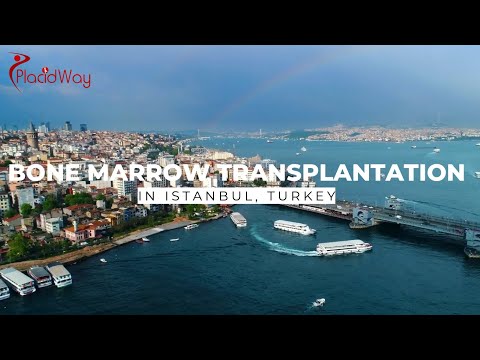
.png)



.png)

.png)








Share this listing