


Hemwanti Roopnarine's Inspiring Recovery with Stem Cell Therapy for Knee Pain in Bangkok Thailand
Chronic joint discomfort can steal your independence, making simple daily tasks feel utterly insurmountable. For years, Hemwanti Roopnarine lived with severe osteoarthritis, watching her active lifestyle slowly slip away due to debilitating joint friction. Instead of submitting to invasive joint replacement surgery, she sought a groundbreaking alternative. By pursuing highly advanced stem cell therapy for knee pain in Bangkok Thailand, Hemwanti successfully reclaimed her mobility. Her inspiring recovery highlights the profound power of regenerative medicine. If you are seeking viable alternatives to orthopedic surgery, exploring cutting-edge stem cell treatments in Southeast Asia might be the ultimate solution to restore your quality of life.
Video Chapters & Quick Navigation
- The Reality of Chronic Knee Osteoarthritis
- Rejecting Invasive Orthopedic Surgery
- The Science of Regenerative Medicine
- Why Choose Bangkok for Treatment
- Analyzing the Cost of Stem Cell Therapy
- The Step-by-Step Clinical Process
- Hemwanti’s Incredible Recovery Results
- Planning Your Medical Tourism Journey
The Debilitating Reality of Chronic Knee Osteoarthritis
For millions of aging adults and former athletes worldwide, severe knee osteoarthritis is a painful, progressive reality. The condition occurs when the protective hyaline cartilage that cushions the ends of the bones gradually wears away over time. As seen at in the documentary video, this degradation leads to painful bone-on-bone friction during movement. Patients often experience profound stiffness, swelling, and a sharply reduced range of motion.
Conventional medical approaches primarily focus on symptom management rather than true biological healing. Doctors typically prescribe non-steroidal anti-inflammatory drugs (NSAIDs) or administer corticosteroid injections to temporarily block pain signals. Unfortunately, these pharmaceutical interventions do absolutely nothing to repair the damaged joint structures. In fact, prolonged use of cortisone can actually accelerate cartilage breakdown, leaving patients in a worse state over the long term.
The emotional toll of chronic knee pain is just as significant as the physical limitations it imposes. Individuals who once enjoyed hiking, dancing, or simply playing with their grandchildren find themselves completely homebound. This loss of independence frequently leads to secondary health issues, including weight gain and severe depression. Hemwanti Roopnarine faced this exact downward spiral before discovering the potential of regenerative medicine for knee osteoarthritis in Asia.
Hemwanti’s Turning Point: Rejecting Invasive Orthopedic Surgery
When joint degeneration reaches advanced stages, Western medical protocols almost universally push patients toward Total Knee Arthroplasty (TKA). Knee replacement surgery involves amputating the damaged bone ends and replacing them with metal and plastic prosthetic components. While often effective for pain relief, it is an incredibly invasive orthopedic procedure with a grueling recovery timeline. Patients typically face months of painful physical therapy just to regain basic mobility.
Hemwanti Roopnarine spent months researching the significant risks associated with knee replacement surgery. She learned about potential complications such as deep vein thrombosis, prosthetic joint infections, and the limited lifespan of artificial joints. At , she explains her deep reluctance to permanently alter her body's natural biomechanics. She wanted a solution that would heal her existing tissue, not replace it with foreign hardware.
This fierce determination led her down the path of advanced medical tourism for non-surgical joint repair. She discovered that while regenerative therapies are often highly restricted or prohibitively expensive in her home country, other nations have fully embraced the science. Her intensive search for alternatives to knee replacement surgery ultimately pointed her toward the world-class medical facilities located in the heart of Thailand.
The Science Behind Regenerative Medicine for Joint Repair
To fully appreciate Hemwanti's incredible outcome, one must understand the biological mechanisms of stem cell therapy for knee pain. The treatment predominantly utilizes Mesenchymal Stem Cells (MSCs), which are specialized multipotent cells capable of differentiating into various tissue types. When injected directly into a damaged knee capsule, these powerful cells immediately get to work repairing the micro-environment. They are nature's ultimate biological building blocks.
The healing process initiated by MSCs is multifaceted and deeply complex. First, the stem cells release powerful paracrine signals and exosomes that drastically reduce chronic inflammation within the synovial fluid. This initial phase provides patients with rapid, noticeable pain relief without the use of toxic pharmaceuticals. Following this, the cells promote angiogenesis, which is the formation of new blood vessels, bringing vital oxygen and nutrients directly to the starved cartilage tissue.
Beyond reducing inflammation, stem cell treatments aim for actual structural regeneration. The clinical benefits of intra-articular stem cell injections include:
- Cartilage Remodeling: Stimulating the body's native chondrocytes to produce new, healthy collagen fibers.
- Immunomodulation: Regulating the local immune response to stop the body from attacking its own joint tissues.
- Synovial Fluid Restoration: Improving the viscosity and lubrication of the joint fluid for smoother, friction-free movement.
- Scar Tissue Reduction: Breaking down fibrotic tissues that restrict the joint's natural range of motion.
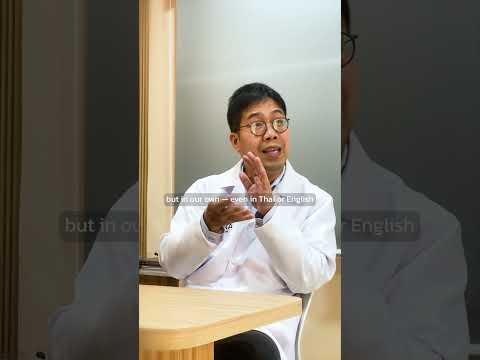
As highlighted by the medical expert at , this comprehensive biological approach addresses the root cause of osteoarthritis. Instead of placing a synthetic band-aid over the problem, regenerative medicine fundamentally reverses the degenerative timeline.
Why Bangkok is the Global Hub for Regenerative Medicine
When people think of medical tourism, they might mistakenly imagine outdated facilities or compromised safety standards. The reality in Thailand could not be further from this outdated misconception. Bangkok has rapidly evolved into a premier global hub for advanced regenerative medicine and biotechnology. The city boasts dozens of Joint Commission International (JCI) accredited hospitals that feature technology rivaling the best centers in North America and Europe.
One of the primary reasons Hemwanti chose to travel for stem cell therapy for knee pain in Bangkok Thailand was the caliber of the medical professionals. Many of the leading orthopedic surgeons and regenerative specialists in Thailand received their advanced fellowships in the United States, the United Kingdom, or Germany. They bring cutting-edge global protocols back to Southeast Asia, ensuring patients receive the highest standard of evidence-based care.
Furthermore, the regulatory environment in Thailand allows for the use of expanded stem cell therapies that are often stalled in FDA red tape elsewhere. Thai clinics can legally and safely utilize highly concentrated, laboratory-expanded umbilical cord-derived Wharton's Jelly MSCs. This means patients receive millions of robust, young stem cells per injection, significantly enhancing the potential for successful cartilage regeneration and long-term joint healing.
Analyzing the Cost: Stem Cell Therapy in Thailand vs. The West
The financial aspect of medical care is often the deciding factor for patients seeking non-surgical alternatives to knee replacement. In the United States and Canada, comprehensive stem cell treatments are rarely covered by major health insurance providers. Because these therapies are considered elective or experimental by insurance boards, patients are forced to pay exorbitant out-of-pocket fees. A single, low-cell-count injection in North America can easily bankrupt a family.
In stark contrast, the cost of stem cell therapy for osteoarthritis in Thailand is remarkably affordable. This price difference is not due to a reduction in medical quality, but rather the lower general cost of living, subsidized medical education, and favorable currency exchange rates. Patients can often fund their entire medical journey—including luxury flights, five-star hotel accommodations, and the comprehensive treatment itself—for less than the price of a basic procedure back home.
To illustrate the dramatic financial advantages, consider the comparative breakdown of comprehensive knee regeneration packages globally:
| Medical Procedure & Cell Source | Estimated Cost (USA/UK) | Estimated Cost (Bangkok, Thailand) |
|---|---|---|
| Autologous Bone Marrow Stem Cells (BMAC) | $8,000 - $12,000 | $3,500 - $5,500 |
| Adipose-Derived Stem Cells (Fat Transfer) | $7,000 - $10,000 | $3,000 - $4,800 |
| Expanded Allogeneic Umbilical Cord MSCs (High Dose) | $15,000 - $25,000+ | $6,000 - $8,500 |
As noted at , patients like Hemwanti are able to access superior, lab-expanded stem cell protocols in Thailand that would be financially out of reach in their native countries. The true value lies in the combination of elite medical expertise and accessible pricing models.
The Step-by-Step Clinical Process for Knee Regeneration
Understanding what actually happens inside the clinic helps alleviate the anxiety many patients feel when traveling abroad for medicine. The clinical process for stem cell knee treatments in Bangkok is highly systematic, emphasizing rigorous diagnostic imaging and personalized care. Upon arrival, patients do not immediately receive injections; instead, they undergo comprehensive orthopedic evaluations to ensure they are ideal candidates for regenerative therapies.
The first phase involves high-resolution MRI scans and 3D functional movement assessments. The medical team precisely maps out the areas of cartilage degradation, bone spurs, and meniscus tears. Once the pathology is clearly defined, the specialist formulates a targeted injection strategy. Depending on the chosen protocol, cells are either harvested from the patient's own fat or bone marrow, or ethically sourced, lab-screened Wharton's Jelly stem cells are prepared in a sterile GMP-certified laboratory.
The actual procedure, detailed at in Hemwanti's testimonial, is surprisingly quick and minimally invasive. The orthopedic surgeon uses advanced ultrasound or fluoroscopic guidance to precisely deliver the stem cells directly into the damaged joint capsule. This image guidance is crucial, ensuring the biological material is placed exactly where the cartilage needs repair. Following the painless injection, patients are typically monitored for a few hours before being discharged to relax at their hotel.
Analyzing Hemwanti’s Incredible Post-Therapy Recovery Gains
The true measure of any medical intervention is the tangible improvement in the patient's daily life. For Hemwanti Roopnarine, the timeline of recovery following her stem cell therapy was nothing short of miraculous. Unlike knee replacement surgery, which requires months of agonizing rehabilitation, her regenerative recovery began almost immediately. Within the first two weeks, she reported a massive reduction in the burning inflammation that had plagued her for years.
As the weeks progressed, the underlying biological repair mechanisms fully activated. By month three, the mesenchymal stem cells had facilitated significant cartilage remodeling within her knee joint. Activities that were previously impossible—such as walking up a flight of stairs, kneeling in the garden, and standing for prolonged periods—became effortless once again. The bone-on-bone grinding sensation was completely eliminated as her natural joint spacing was restored.
Her emotional transformation is vividly captured at . Hemwanti smiles radiantly as she describes walking through her neighborhood without a cane or a limp. By choosing advanced stem cell therapy for knee pain in Bangkok Thailand, she did not just eliminate her physical agony; she profoundly reclaimed the joyous, active retirement she had always envisioned for herself.
Essential Steps for Planning Your Medical Tourism Journey
If Hemwanti’s inspiring story has motivated you to explore non-surgical joint repair, careful planning is the key to a stress-free medical journey. Traveling internationally for healthcare requires logistical coordination, but working with specialized medical tourism facilitators makes the process incredibly smooth. Organizations dedicated to global healthcare logistics act as your personal concierge, bridging the gap between you and the top clinics in Southeast Asia.
Your first step is gathering your current medical records, particularly recent X-rays or MRI scans of your damaged knees. These digital files are sent securely to the medical boards in Bangkok for an initial remote consultation. The top orthopedic doctors will review your imaging to confirm whether your specific level of osteoarthritis will respond favorably to stem cell injections. This ensures you do not travel across the globe unless a positive outcome is highly probable.
Once approved, the travel logistics fall into place quickly. Bangkok is incredibly welcoming to medical tourists, offering specialized medical visas if needed, though many Western passports allow visa-free entry for short stays. Patients are advised to book accessible accommodations near the clinic—often in the bustling Sukhumvit district—where luxury recovery meets vibrant culture. You can spend your brief healing period enjoying world-class Thai cuisine and relaxing spa therapies before flying home with a newly rejuvenated joint.
Ready to Reclaim Your Mobility Without Surgery?
PlacidWay Medical Tourism connects you directly with top-rated, internationally accredited clinics offering advanced stem cell therapy for knee pain in Bangkok, Thailand. Let our experts handle your logistics while you focus entirely on your healing journey.
REQUEST YOUR FREE MEDICAL CONSULTATION









.png)
.png)



.png)
.png)










Share this listing