


A Soccer Player's Testimonial on Stem Cell Therapy for Joints in Tijuana Mexico by Dra Brenda Delangel
For professional athletes, a severe joint injury often feels like a devastating career death sentence. Traditional medical advice typically pushes athletes toward invasive surgeries, long rehabilitation periods, and the looming fear that they may never return to their peak performance. However, there is a groundbreaking alternative changing the landscape of sports medicine. This powerful testimonial explores how one soccer player found complete healing through stem cell therapy for joints in Tijuana Mexico. By stepping outside the conventional surgical route, he discovered the massive potential of regenerative medicine.
Guided by the renowned expertise of Dra. Brenda Delangel, this athlete successfully bypassed the operating table, utilizing advanced cellular treatments to repair torn cartilage and eliminate chronic inflammation. Watch to see how cutting-edge orthobiologics in Tijuana are providing athletes and everyday individuals with a second chance at pain-free mobility and career longevity.
Video Chapters & Quick Navigation
- The Hidden Toll of High-Impact Sports
- Understanding Cellular Joint Repair
- The Athlete's Path to Healing
- Why Tijuana Leads in Medical Tourism
- Meet Dra. Brenda Delangel
- Financial Advantages of Treatment
- The Science of Tissue Regeneration
- Who Can Benefit from this Therapy?
- Post-Treatment Recovery Timeline
- Ensuring Athletic Longevity
The Hidden Toll of High-Impact Sports on Joint Health
Professional soccer is a sport characterized by explosive movements, rapid changes of direction, and relentless physical endurance. While spectators marvel at the agility displayed on the pitch, the biomechanical reality behind these movements tells a story of profound joint stress. Every sprint, pivot, and tackle places exponential force on the knees, ankles, and hips. Over time, this repetitive micro-trauma severely degrades the articular cartilage—the smooth, white tissue that covers the ends of bones where they come together to form joints.
For decades, the sports medicine community relied heavily on a reactive approach to these injuries. Corticosteroid injections were administered to artificially mask the pain, allowing athletes to push through the season. Unfortunately, these synthetic steroids actively degrade cartilage over time, accelerating the onset of severe osteoarthritis. When the joint finally reaches a state of critical failure, arthroscopic surgery or total joint replacement becomes the only conventional option presented to the patient.
Surgical interventions, while sometimes necessary for acute mechanical failures, are highly invasive. They require the removal of native tissue, introduce significant risks of infection, and often leave behind dense scar tissue that fundamentally alters the biomechanics of the joint. For a professional soccer player , this traditional pathway is not just a medical inconvenience; it is a threat to their livelihood. The desperate need for a solution that repairs rather than removes tissue has paved the way for the rise of orthobiologics and regenerative medicine.
Understanding Cellular Joint Repair: What is Stem Cell Therapy?
Stem cell therapy represents a paradigm shift in how we approach orthopedic health. Instead of cutting away damaged tissue or artificially blocking pain signals with pharmaceuticals, regenerative medicine utilizes the body's own biological building blocks to heal trauma. At the core of this revolutionary treatment are Mesenchymal Stem Cells (MSCs). These are multipotent adult stem cells capable of differentiating into various specific cell types, including chondrocytes (cartilage cells), osteoblasts (bone cells), and tenocytes (tendon cells).
When high concentrations of viable stem cells are injected directly into a damaged knee or hip joint, they immediately begin a complex cellular communication process. They do not merely act as localized building materials; they function as intelligent cellular managers. They release powerful anti-inflammatory cytokines that halt the destructive processes associated with arthritis and sports injuries. Furthermore, they secrete growth factors that stimulate the patient's existing cells to begin multiplying and repairing the torn or degraded extracellular matrix.
There are multiple sources for these therapeutic cells. Autologous treatments harvest stem cells directly from the patient's own bone marrow or adipose (fat) tissue. Allogeneic treatments utilize highly potent cells derived from ethically donated, thoroughly screened umbilical cord tissue (Wharton's Jelly). Umbilical cord-derived MSCs are particularly favored in advanced clinics because they are biologically youthful, robustly proliferative, and possess powerful immunomodulatory properties, meaning they do not trigger a rejection response in the patient's body.
The Athlete's Path to Healing: A Transformative Testimonial
The featured testimonial offers a raw and insightful look into the psychological and physical journey of a professional athlete grappling with career-threatening joint pain . The daily reality of waking up to stiff, swollen knees and attempting to train through agonizing bone-on-bone friction takes an immense mental toll. The athlete describes reaching a critical breaking point where standard physical therapy and anti-inflammatory pills were no longer effective.
Faced with the prospect of a career-ending surgical procedure, the player began researching alternative therapies. The concept of joint repair without surgery led him across the border to Tijuana, Mexico . The decision to pursue medical tourism was not taken lightly, but it was driven by the desire to access advanced regenerative protocols that are often heavily restricted or prohibitively expensive in the United States.
Upon receiving the stem cell injections, the patient experienced a rapid decline in localized inflammation. Within weeks, the characteristic stiffness that plagued his mornings began to dissipate. As the months progressed, the cellular regeneration of the articular cartilage allowed for a massive increase in range of motion and weight-bearing capacity. Fast forward through the recovery window, and the athlete reports running faster, cutting sharper, and playing completely pain-free . This is not merely a reduction in symptoms; it is a structural restoration of the joint.
Why Tijuana Leads the World in Medical Tourism and Regenerative Care
It is no coincidence that a professional athlete chose to cross the border for this vital procedure. Tijuana, Mexico has firmly established itself as a global epicenter for medical tourism, particularly in the fields of orthobiologics and regenerative medicine. Situated just minutes from the San Diego, California border, Tijuana offers a unique combination of extreme geographical convenience and world-class medical infrastructure. Patients can easily fly into San Diego International Airport and be escorted directly to state-of-the-art clinics within a mere twenty-minute drive.
The regulatory environment in Mexico plays a massive role in the superiority of their regenerative treatments. The medical sector is strictly regulated by COFEPRIS (the Mexican equivalent of the FDA). However, unlike the restrictive framework in the United States that often limits the expansion and culturing of stem cells, COFEPRIS allows licensed medical professionals to utilize ethically sourced, highly expanded umbilical cord MSCs. This means patients in Tijuana can receive millions of potent, live stem cells per injection, resulting in vastly superior therapeutic outcomes compared to the limited, uncultured treatments legally available in the US.
Furthermore, the clinics operating in Tijuana's premier medical districts are built to cater to an international clientele. They boast advanced diagnostic imaging capabilities, pristine sterile compounding laboratories, and luxury recovery accommodations. The standard of care frequently exceeds what patients are accustomed to in their home countries, characterized by longer consultation times, deeply personalized attention, and a holistic approach to total body wellness.
Meet Dra. Brenda Delangel: A Pioneer in Stem Cell Treatments
The success of any regenerative procedure relies entirely on the expertise, precision, and protocol design of the attending physician. The athlete in the video attributes his miraculous recovery to the brilliant work of Dra. Brenda Delangel . Dra. Delangel has built a formidable reputation in Tijuana as a leading specialist in orthobiologics and joint preservation. Her approach to medicine is fundamentally rooted in understanding the unique biomechanical demands of each individual patient, rather than applying a one-size-fits-all injection.
Dra. Delangel's clinical methodology involves comprehensive pre-treatment diagnostics. Before a single cell is injected, she utilizes advanced ultrasound and MRI imaging to map out the exact areas of cartilage degradation, micro-tears in the meniscus, and ligamentous laxity. This precise mapping ensures that the high-density stem cell solutions are delivered directly into the localized zones of trauma with pinpoint accuracy.
Beyond her technical proficiency with the needle, Dra. Delangel is celebrated for her profound patient empathy. She understands the psychological burden of chronic pain and athletic loss. Her consultations prioritize deep patient education, ensuring that individuals fully understand the biological mechanisms of their treatment. By fostering a collaborative doctor-patient relationship, she empowers athletes to take an active, informed role in their own healing process, which dramatically improves compliance with post-treatment protocols.
Financial Advantages: The True Cost of Joint Repair
A major driving factor behind the surge of medical tourism to Tijuana is the undeniable financial advantage. The cost of healthcare in the United States has spiraled out of control, rendering many advanced, elective, or out-of-network procedures completely inaccessible to the average person. Even for those with premium health insurance, high deductibles and strict coverage denials for regenerative therapies force patients to pay out of pocket for stem cell treatments.
In the United States, a basic, uncultured autologous stem cell injection can easily cost between $5,000 and $10,000 per joint. In stark contrast, highly advanced, expanded umbilical cord stem cell therapies in Tijuana are typically priced between $2,500 and $4,500. This massive price reduction is not indicative of lower quality care; rather, it is a reflection of the fundamentally lower operational costs, reduced liability insurance premiums, and a more streamlined healthcare economic model in Mexico.
| Treatment / Procedure Type | Average Cost in USA/Canada | Average Cost in Tijuana, Mexico |
|---|---|---|
| Stem Cell Joint Injection (Expanded MSCs) | $6,000 - $12,000 (Often Unavailable) | $2,500 - $4,500 |
| Arthroscopic Meniscus Repair | $7,000 - $15,000 | $3,000 - $4,500 |
| Total Knee Replacement Surgery | $35,000 - $55,000 | $9,000 - $13,000 |
When factoring in the cost of travel and luxury accommodation, patients still routinely save upwards of 60% by choosing Tijuana for their orthopedic treatments. Beyond the upfront monetary savings, patients also avoid the massive hidden costs associated with traditional surgery, such as lost wages from months of immobility and expensive, long-term physical therapy co-pays.
The Science of Tissue Regeneration: How Stem Cells Actually Work
To truly appreciate the value of regenerative medicine, one must understand the microscopic warfare happening inside a damaged joint. Osteoarthritis and sports injuries trigger a highly hostile, acidic environment inside the knee capsule. Destructive enzymes called matrix metalloproteinases (MMPs) are released, which aggressively chew away at the healthy collagen and proteoglycans that give cartilage its shock-absorbing properties.
When Dra. Delangel introduces high-viability mesenchymal stem cells into this chaotic environment, the cells perform a specialized function known as the "paracrine effect." The stem cells begin pumping out exosomes, growth factors, and anti-inflammatory proteins that neutralize the destructive enzymes. They effectively turn off the biological alarm bells that are causing chronic swelling and pain.
Once the inflammatory cascade is halted, the secondary phase of regeneration begins. The growth factors stimulate the joint's synovial lining to produce high-molecular-weight hyaluronic acid, naturally lubricating the joint to reduce mechanical friction. Simultaneously, the stem cells orchestrate the migration and proliferation of local chondrocytes, signaling them to lay down fresh, resilient type II collagen. This is the exact scientific mechanism that allowed the soccer player to restore his joint integrity without relying on a scalpel or synthetic implants.
Who Can Benefit from this Therapy? Ideal Candidates
While the video specifically highlights the incredible recovery of a professional athlete , regenerative medicine is absolutely not restricted to elite sports professionals. The therapeutic benefits of cellular repair extend to a vast demographic of individuals suffering from musculoskeletal decline. A comprehensive clinical consultation is necessary to determine candidacy, but generally, ideal candidates include:
- Professional and Amateur Athletes: Individuals dealing with acute ligament sprains, meniscus tears, tennis elbow, or chronic patellar tendonitis.
- Osteoarthritis Patients: Individuals in the mild to moderate stages of joint degeneration who wish to delay or entirely prevent the need for metal and plastic joint replacements.
- Post-Surgical Patients: People who have previously undergone orthopedic surgery but continue to experience persistent pain, stiffness, or incomplete healing in the affected joint.
- Active Seniors: Older adults who refuse to let joint pain dictate their lifestyle, seeking a safe, non-surgical method to maintain their mobility and independence.
It is important to note that patients with complete, end-stage bone-on-bone arthritis (where absolutely no cartilage remains and severe structural deformity is present) may not experience full tissue regeneration. However, even in advanced cases, stem cell therapy frequently provides massive reductions in pain and noticeable improvements in quality of life.
Post-Treatment Recovery Timeline: What to Expect
One of the most profound advantages of regenerative medicine is the incredibly rapid and mild recovery process. Traditional joint surgery requires general anesthesia, large incisions, hospitalization, and months of grueling, often agonizing physical therapy just to regain a basic range of motion. Stem cell therapy is an outpatient procedure that flips this narrative completely.
The injection process itself is completed in less than an hour, typically utilizing local anesthesia to ensure patient comfort . For the first two to three days post-injection, patients may experience a mild, temporary increase in swelling or ache in the joint. This is a completely normal biological response; it is the physical manifestation of the stem cells sparking the acute inflammatory healing cascade.
By week two, the majority of patients notice a significant decline in their baseline pain levels. The joint begins to feel more fluid and less restricted. During the one to three-month window, the cellular regeneration phase peaks. Patients are heavily encouraged to engage in specialized physical therapy during this time. Controlled, dynamic loading of the joint acts as a biological signal, telling the stem cells exactly where to lay down new, structural collagen. By the six-month mark, structural healing is highly advanced, allowing athletes to return to aggressive, high-impact activities with confidence and stability.
Ensuring Athletic Longevity and a Pain-Free Future
The overarching goal of seeking out Dra. Brenda Delangel for stem cell treatments in Tijuana is not merely short-term pain relief; it is the permanent preservation of joint health. For athletes, their bodies are their most valuable asset. Every surgical intervention cuts into that asset, leaving behind scar tissue that fundamentally degrades biomechanical efficiency. Regenerative medicine does the exact opposite—it fortifies the structural integrity of the human body.
By choosing advanced cellular therapies, patients are actively investing in their future mobility. The newly formed cartilage and reinforced connective tissues create a highly resilient joint environment that is far less prone to future acute injuries. The soccer player's testimonial serves as a powerful beacon of hope for thousands of individuals currently trapped in the cycle of chronic pain.
The future of sports medicine has officially arrived, and it is firmly established just south of the border. Patients no longer need to accept physical decline as an inevitable consequence of aging or athletic exertion. With access to world-class specialists, state-of-the-art clinical infrastructure, and highly potent regenerative protocols, complete joint restoration is an achievable, affordable reality.
Ready to Reclaim Your Mobility and End Joint Pain?
Don't let sports injuries or chronic arthritis dictate your life. Connect with elite specialists like Dra. Brenda Delangel in Tijuana for state-of-the-art regenerative treatments. PlacidWay makes your medical travel seamless, safe, and highly affordable. Discover your customized stem cell treatment plan today.
GET A FREE QUOTE TODAY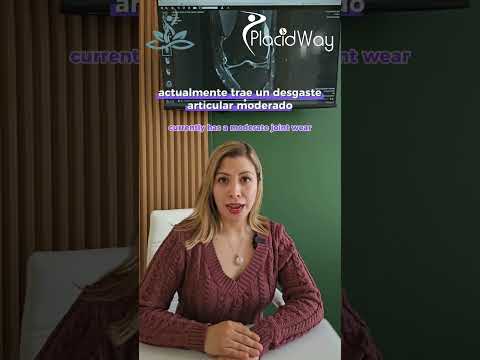


.png)

.png)
.png)


-(9).png)
-(6).png)
-(5).png)
-(8).png)








Share this listing