


The Comprehensive Guide to the Differences Between Gastric Sleeve and Gastric Bypass
Are you struggling to achieve sustainable weight loss and considering surgical intervention to reclaim your health? Understanding the core differences between gastric sleeve and gastric bypass is the most crucial step in navigating your bariatric journey. Both procedures offer life-changing metabolic benefits for patients battling severe obesity, but they function through fundamentally different surgical mechanisms. Choosing the right weight loss surgery procedure requires careful evaluation of your medical history, eating habits, and long-term lifestyle goals. Read on to discover an in-depth clinical and practical breakdown of these two transformative bariatric procedures.
Video Chapters & Quick Navigation
Understanding Bariatric Surgery Fundamentals
The journey toward severe weight loss requires a comprehensive understanding of metabolic surgery options. Bariatric surgery is not merely a cosmetic quick fix; it is a profound medical intervention designed to alter how your body digests food and processes metabolic signals. Medical professionals generally recommend these procedures for individuals with a Body Mass Index (BMI) over 40, or a BMI over 35 accompanied by severe obesity-related comorbidities.
As highlighted in the video at , the two most prominent procedures dominating the global medical landscape are the Sleeve Gastrectomy and the Roux-en-Y Gastric Bypass. Both surgeries utilize minimally invasive laparoscopic techniques, significantly reducing patient recovery times compared to traditional open surgeries. The ultimate goal of both procedures is to facilitate sustainable weight loss, but they achieve this biological outcome through very different anatomical alterations.
Deep Dive: What is a Sleeve Gastrectomy?
The Vertical Sleeve Gastrectomy, commonly referred to as the gastric sleeve, has rapidly become the most frequently performed bariatric surgery worldwide. During this highly effective weight loss procedure, a surgeon removes approximately 75 to 80 percent of the stomach. The remaining portion of the stomach is stapled into a narrow tube or "sleeve," roughly the size and shape of a banana.
This procedure is primarily restrictive, meaning it drastically reduces the volume of food your stomach can hold. However, as noted at , the true power of the gastric sleeve lies in its hormonal impact. By removing the upper portion of the stomach called the fundus, the surgery virtually eliminates the body's main production center for ghrelin, the hormone responsible for triggering hunger signals to the brain.
Ideal Candidates for Gastric Sleeve
Surgeons frequently recommend the gastric sleeve for patients who have prior abdominal surgeries or those who require multiple daily medications. Because the digestive tract remains fully intact, the absorption of vital medications is not significantly compromised. Additionally, the sleeve gastrectomy poses a lower risk of severe nutritional deficiencies compared to malabsorptive procedures.
Understanding the Roux-en-Y Gastric Bypass
The Roux-en-Y Gastric Bypass is often considered the traditional "gold standard" of bariatric surgery due to its extensive historical track record. This procedure is both restrictive and malabsorptive, employing a two-step approach to enforce weight loss. First, the surgeon creates a very small pouch at the top of the stomach, effectively bypassing the larger lower portion.
The second step involves severing the small intestine and directly connecting the lower end of it to the newly created small stomach pouch. As explained at , this strategic rerouting means that ingested food completely bypasses the vast majority of the stomach and the upper portion of the small intestine. This anatomy change severely limits calorie and nutrient absorption, leading to rapid and profound weight loss.
Ideal Candidates for Gastric Bypass
Gastric bypass is exceptionally beneficial for patients suffering from severe Gastroesophageal Reflux Disease (GERD) or chronic acid reflux. The creation of the small pouch dramatically reduces acid production and physically prevents bile and acid from entering the esophagus. It is also the preferred procedure for patients with uncontrolled Type 2 Diabetes, as the hormonal shifts associated with the intestinal bypass often prompt immediate disease remission.
Core Anatomical Differences Explained
To fully grasp the differences between gastric sleeve and gastric bypass, one must look at intestinal rerouting. In a gastric sleeve, the entire digestive pathway remains functionally natural. Food travels down the esophagus, into the smaller stomach, and out through the pyloric valve into the small intestine exactly as it did before the surgery.
Conversely, the gastric bypass fundamentally alters your internal plumbing. The pyloric valve, which normally regulates the slow release of food into the intestines, is bypassed entirely. This anatomical shift is what causes a phenomenon known as "dumping syndrome," where high-sugar or high-fat foods are dumped rapidly into the small intestine, causing nausea, cramping, and sweating.
| Feature | Gastric Sleeve | Gastric Bypass |
|---|---|---|
| Surgical Mechanism | Restrictive (reduces stomach size) | Restrictive & Malabsorptive |
| Intestinal Rerouting | None | Yes (bypasses duodenum) |
| Impact on Hunger Hormones | High (removes ghrelin center) | Moderate |
| Risk of Dumping Syndrome | Very Low | High |
| Hospital Stay Duration | 1 to 2 days | 2 to 3 days |
Comparing Projected Weight Loss Outcomes
When evaluating bariatric surgery options, patients are naturally curious about weight loss projections. The pace and total amount of excess weight lost differ slightly between the two procedures. With a sleeve gastrectomy, patients typically lose between 60% to 70% of their excess body weight within the first 12 to 18 months post-operation.
The gastric bypass typically yields a slightly faster and more dramatic initial weight loss. As discussed at , bypass patients often shed 70% to 80% of their excess body weight within the first year. This accelerated rate is primarily due to the malabsorptive element of the surgery, which prevents the body from digesting a significant portion of consumed calories.
Long-Term Weight Maintenance
While bypass patients may lose weight faster initially, long-term studies show that the five-year weight maintenance results are highly comparable between both surgeries. Ultimate success relies heavily on a patient’s dedication to psychological counseling, lifestyle modifications, and regular cardiovascular exercise routines. Neither surgery is a magic wand; they are powerful biological tools that require strict user compliance.
Managing Comorbidities: Type 2 Diabetes and Hypertension
One of the most miraculous aspects of bariatric surgery is its profound impact on life-threatening metabolic comorbidities. Obesity is frequently accompanied by severe health conditions such as Type 2 Diabetes, obstructive sleep apnea, hypertension, and hyperlipidemia. Both the gastric sleeve and gastric bypass act as powerful metabolic resets for the human body.
Gastric bypass holds a distinct advantage for diabetic patients, often resulting in immediate diabetes remission before any significant weight loss even occurs. The rerouting of the intestines triggers rapid changes in gut hormones like GLP-1 and PYY, which drastically improve insulin sensitivity. Sleeve patients also experience excellent diabetes resolution rates, though the improvement is generally more closely tied to their gradual weight loss progression.
Nutritional Absorption and Long-Term Supplementation
Post-surgical nutrition is a critical battleground where the differences between gastric sleeve and gastric bypass become highly evident. Because the gastric bypass skips the duodenum—the primary site for absorbing iron, calcium, and essential vitamins—bypass patients face a significantly higher lifelong risk of severe nutritional deficiencies.
As emphasized at in the video overview, adherence to strict bariatric multivitamin regimens is non-negotiable for bypass patients. They must frequently supplement with calcium citrate, high-dose B12, and specialized iron formulations to prevent conditions like anemia and osteoporosis. Gastric sleeve patients must also take daily bariatric vitamins, but their overall risk of severe clinical malnutrition is considerably lower.
- Protein Intake: Both procedures require a daily intake of 60 to 80 grams of highly bioavailable protein to prevent muscle wasting during rapid weight loss phases.
- Hydration: Drinking 64 ounces of water daily is mandatory, but patients must learn to separate fluid intake from solid meals to prevent stomach overfilling and premature flushing of food.
- Bariatric Vitamins: Specialized chewable or liquid bariatric multivitamins are required immediately post-op to ensure proper absorption in a healing stomach.
Surgical Risks, Complications, and Recovery Timelines
As with any major abdominal surgery, bariatric procedures carry inherent clinical risks. Understanding these potential complications is vital for informed patient consent. The gastric sleeve involves a long staple line running the length of the new stomach pouch. The most severe specific risk for sleeve patients is a gastric leak along this staple line, which requires immediate emergency intervention.
Gastric bypass complications can be slightly more complex due to the multiple connection points, known as anastomoses. Bypass patients are at risk for marginal ulcers, bowel obstructions, and internal hernias. Furthermore, dumping syndrome remains a lifelong behavioral deterrent for bypass patients, violently discouraging the consumption of highly processed sugars and fats.
The Post-Operative Diet Progression
Regardless of whether you choose the sleeve or the bypass, the immediate post-operative recovery timeline dictates a rigid, multi-phased diet to protect the healing surgical sites. This nutritional progression is absolutely crucial for preventing leaks and strictures.
- Phase 1 (Clear Liquids): Days 1 to 7 involve solely water, sugar-free jello, and clear broths to keep the digestive tract completely resting.
- Phase 2 (Full Liquids): Weeks 2 to 3 introduce protein shakes, strained soups, and very thin yogurts to begin safely introducing macronutrients.
- Phase 3 (Pureed Foods): Weeks 4 to 5 allow for blended proteins, scrambled eggs, and ricotta cheese bakes.
- Phase 4 (Soft Foods): Weeks 6 and beyond slowly reintroduce easily digestible solid foods like flaky fish, soft vegetables, and ground poultry.
The Role of Medical Tourism in Bariatric Surgery
One of the most significant barriers to receiving high-quality bariatric surgery is the exorbitant cost associated with healthcare in nations like the United States, Canada, and the United Kingdom. Uninsured patients or those facing massive deductibles are increasingly turning to medical tourism to access life-saving weight loss surgery procedures. Destinations like Mexico, Turkey, and Costa Rica have established state-of-the-art bariatric centers that cater specifically to international patients.
The cost of bariatric surgery abroad is often 60% to 70% lower than domestic prices, yet the quality of surgical care frequently matches or exceeds local standards. Surgeons operating in major international medical hubs are routinely board-certified by international bodies and utilize the exact same premium laparoscopic technologies found in top-tier Western hospitals. Comprehensive medical tourism packages often include pre-operative consultations, the surgical procedure, hospital stays, luxury hotel recoveries, and dedicated on-the-ground concierge support.
Psychological Preparation for Rapid Weight Loss
The physical transformation following a gastric sleeve or gastric bypass is incredibly rapid, but the mental adaptation often takes much longer. Preparing psychologically for bariatric surgery is just as important as the pre-op physical diet. Patients frequently experience "body dysmorphia," where their mental self-image struggles to align with their rapidly shrinking physical reflection in the mirror.
Additionally, the sudden inability to use food as a primary coping mechanism for stress, anxiety, or depression can lead to emotional turbulence. Addressing emotional eating habits through licensed therapy or dedicated bariatric support groups prior to surgery is highly recommended. Developing new, non-food-related coping mechanisms—such as journaling, walking, or creative hobbies—is vital for long-term emotional stability and sustained weight loss success.
Making the Final Decision: Which Weight Loss Surgery is Right for You?
Choosing between a sleeve gastrectomy and a Roux-en-Y gastric bypass is a highly individualized medical decision. If you suffer from severe acid reflux or uncontrolled diabetes, your surgical team will likely lean heavily toward recommending the gastric bypass. The immediate metabolic benefits and the permanent reduction in stomach acid make it an unparalleled tool for resolving those specific conditions.
On the other hand, if you are seeking a slightly less invasive anatomical change, take numerous daily medications for unrelated health issues, or want to minimize your long-term risk of severe vitamin deficiencies, the gastric sleeve stands as an incredibly robust and proven option. Both surgeries demand lifelong commitments to dietary vigilance, routine medical check-ups, and active lifestyles to preserve your hard-earned health results.
The most important next step is scheduling a comprehensive evaluation with a board-certified bariatric surgeon. They will carefully assess your complete medical history, your specific weight loss goals, and your unique anatomical needs to map out the safest and most effective path toward your physical transformation.
Ready to Transform Your Life with Bariatric Surgery?
PlacidWay Medical Tourism connects you with top-rated, internationally accredited bariatric surgeons offering world-class gastric sleeve and gastric bypass procedures at affordable prices. Take the first step toward lasting health and sustainable weight loss today.
REQUEST FREE INFORMATION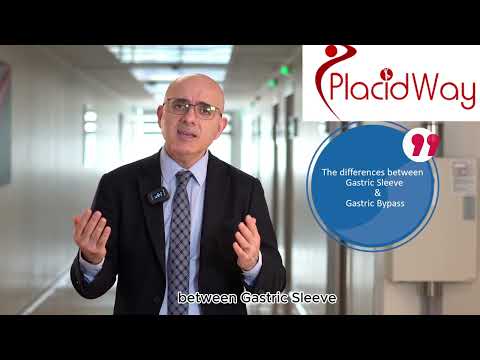



















Share this listing